

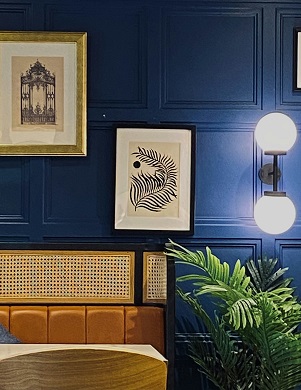

Introduction to Accent Walls
Accent wall ideas have emerged as a defining element in contemporary interior design, serving as a powerful tool for transforming the ambiance of a living room. An accent wall is typically created by painting or covering one wall in a different color, pattern, or texture compared to the other walls of the room. This strategic design choice not only draws attention but also adds depth and character to a space, making it a focal point that enhances the overall aesthetic. The popularity of accent walls has soared in recent years, fueled by the desire for personalized living spaces that reflect individual styles. Homeowners and designers alike have embraced the versatility of accent walls, experimenting with bold colors, intricate patterns, and various materials, from wood paneling to wallpaper. This creative latitude allows for a unique expression of personality and vision, catering to diverse preferences—from minimalistic to boho-chic styles.
Moreover, accent walls can significantly alter the perception of space. For instance, a dark-colored accent wall can make a large room feel cozier, while a light-colored or patterned wall can open up a smaller room, giving it an airy feel. Additionally, they offer a cost-effective way to infuse personality into a room without the need for a complete renovation. With the right choice of color or design, an accent wall can invoke feelings of warmth, calmness, or energy, ultimately influencing the living experience.
As you explore the myriad of possibilities that accent walls provide, consider how they can enhance your living room and reflect your personal taste. From simple painted designs to elaborate artistic murals, the options are truly limitless, making this aspect of interior design both exciting and transformative.
Choosing the Right Color for Your Accent Wall
Selecting the ideal color for your accent wall is a crucial step in enhancing your living room’s aesthetic appeal. It is essential to contemplate the existing color scheme of the room before making a decision. An accent wall should complement the overall design rather than clash with it. Assessing the dominant colors in your furniture, décor, and other walls can help you identify a hue that harmonizes well with the space.
Moreover, consider the mood you wish to evoke within your living area. Different colors elicit various emotional responses; for instance, warm colors like reds and oranges tend to create a lively atmosphere, while cool colors like blues and greens promote calmness and relaxation. Understanding these psychological effects can aid in selecting a color that aligns with your desired ambiance.
Incorporating basic color theory can also support your decision. Familiarize yourself with concepts such as complementary colors—colors opposite each other on the color wheel—and analogous colors, which are next to each other. Using complementary colors can create a striking effect, while analogous colors often yield a more subtle, cohesive look.
Additionally, testing colors before committing to a final choice is highly advisable. Obtain swatches or samples of your selected paints and apply them to a small section of the wall. This approach allows you to observe how the light in your room interacts with the paint throughout the day, ensuring that the color choice remains desirable under various lighting conditions. Taking these considerations into account will greatly enhance the effectiveness of your accent wall, making it a stunning focal point in your living room.
Textured Wall Panels: Adding Depth and Interest
Textured wall panels have emerged as a popular choice for those looking to create a striking accent wall in their living rooms. These panels are not only visually appealing but also serve to add depth and character to an otherwise plain space. Available in a variety of materials, including wood, stone, and innovative 3D designs, textured wall panels can be tailored to fit various design aesthetics.
Wooden panels, for instance, offer a warm and natural element to a room, which can complement modern, rustic, or traditional themes. The grains and knots present in wood can introduce unique patterns and depths, creating a focal point that draws the eye. When considering installation, many wood panels come as interlocking systems that facilitate ease of application—even for DIY enthusiasts.
Alternatively, stone panels evoke a more timeless and elegant feel. They can be used to create a luxurious ambiance that enhances the overall decor of the living room. Stone textured walls can also improve insulation and acoustics, providing functional benefits in addition to their aesthetic qualities. The rugged nature of stone can balance softer furnishings and contemporary art pieces, making it a versatile choice.
For those seeking a modern twist, 3D textured panels provide a unique solution. With their bold patterns and shapes, they transform a flat surface into a work of art. Available in materials like MDF or fiberglass, these panels can be painted or left in their original finishes to match the overall color scheme. Not only do they add dimension, but the ability to customize their appearance allows homeowners to express their personal style.
Overall, textured wall panels are a valuable addition to any living room, allowing for creativity and individuality while simultaneously enhancing the dimensionality of the space.
Bold Wallpaper Designs: A Playful Option
In recent years, wallpaper has made a significant resurgence in interior design, particularly as a means of creating striking accent walls in living rooms. Its versatility allows for an array of options that can completely alter the ambiance of a room. From vibrant geometric designs to tranquil botanical prints, bold wallpaper can introduce a dynamic element that enlivens any space.
When selecting wallpaper for an accent wall, one must first consider the existing furnishings and overall decor to ensure a cohesive look. Geometric patterns tend to work well with modern furniture, offering a sophisticated aesthetic that captures attention without overwhelming the senses. Conversely, botanical prints can complement a more traditional or rustic design scheme, adding a natural touch that invites warmth and coziness into the space.
Additionally, the scale of the wallpaper pattern is crucial. Large patterns can create an eye-catching focal point, perfect for a wall that is opposite a primary seating area. Smaller prints, on the other hand, can provide a subtle backdrop, enhancing the overall decor without dominating the environment. It is also essential to consider the color palette of both the wallpaper and the surrounding furnishings; complementary colors can create harmony, while contrasting hues can add excitement and energy to the room.
Moreover, incorporating textures can elevate the wallpaper experience. Textured wallpapers, such as those that mimic wood or fabric, can provoke a tactile reaction and add depth to the design. This playful approach transforms mere walls into statements of style and personality. When properly executed, a bold wallpaper accent wall can serve as the perfect conversation starter, showcasing one’s unique taste and creativity. Therefore, investing time in choosing the right wallpaper is a crucial step toward achieving a captivating living room aesthetic.
Gallery Walls: Showcasing Personal Style
A gallery wall serves as a stunning focal point within a living room, transforming a plain accent wall into a vibrant display of personal style. By curating a collection of artwork, photographs, or even personal mementos, homeowners can create an intimate space that reflects their tastes, experiences, and memories. The beauty of a gallery wall lies not only in the aesthetics but also in the emotional connection it fosters, engaging guests and providing a sense of individuality.
When selecting pieces for your gallery wall, consider a specific theme that resonates with you. This could range from family portraits to travel photographs or even abstract art. Choosing frames that complement your overall decor style can enhance the visual harmony of the arrangement. For instance, a mix of vintage and modern frames can add a layer of interest, while uniform frames create a clean and cohesive look. Additionally, incorporating various sizes and orientations (landscape and portrait) can offer visual dynamic, breaking the monotony of a standard display.
Layout is crucial to the success of a gallery wall. Before hammering in any nails, take time to plan the arrangement on the floor or use paper cutouts to simulate the look on your wall. Common approaches include a grid layout for a structured appearance or an asymmetrical layout for a more whimsical feel. Keep in mind the spacing between pieces; consistent gaps can help unify the collection, while varied spacing can evoke a more relaxed vibe.
In conclusion, a well-executed gallery wall not only beautifies a living room but also serves as a canvas of personal storytelling. By thoughtfully curating artwork and considering layout and frame selection, homeowners can successfully showcase their unique style, fostering warmth and individuality in their living spaces.
Paint Techniques: Stripes, Ombre, and More
When it comes to designing a stunning accent wall, creative paint techniques can make a significant difference in the overall aesthetic of your living room. Stripes, ombre effects, and stenciling are popular choices that can transform a plain wall into a focal point of the space.
To create a striped accent wall, you will need painter’s tape, a level, and two or more paint colors. Start by deciding on the width and orientation of the stripes. Use a level to draw a straight line across the wall where the first stripe will go. Apply the tape neatly along the line, ensuring it adheres well to prevent paint bleeding. Next, paint between the tape with your chosen color. Allow it to dry completely before carefully removing the tape. Repeat the process until your desired stripe design is accomplished.
The ombre technique, which involves blending colors from light to dark, offers a more subtle yet equally impactful look. To achieve an ombre wall, select at least three shades of the same color. Start by painting the top portion of the wall with the lightest shade, then gradually blend a slightly darker shade into the middle and the darkest shade at the bottom. Use a clean brush or sponge to seamlessly blend the transitions between the colors, achieving a smooth gradient effect. Be patient and allow each layer to dry before applying the next for optimal results.
Stenciling is another approach that can add intricate designs to an accent wall. Choose a stencil that complements your decor, and secure it to the wall. Using a small brush or a roller, carefully apply paint over the stencil, lifting it off while still wet for a clean design. Consider contrasting colors for a dynamic look or shades within the same palette for a more cohesive appearance.
Through these techniques, you can achieve professional-looking results that elevate your living space. Whether you prefer bold stripes, soft ombre effects, or detailed stencils, creativity in your paint application can truly enhance the ambiance of your living room.
Using Decals and Murals for a Dramatic Effect
In the realm of modern interior design, the inclusion of decals and murals serves as an exceptional method to elevate the visual impact of a living room accent wall. These decorative elements not only provide an avenue for self-expression but also grant homeowners the freedom to personalize their living space with minimal effort. The ease of application and removal associated with decals and murals makes them an ideal choice for those who prefer a non-permanent solution to home decoration.
The versatility of decals allows for a wide range of styles, themes, and designs, catering to varied tastes and preferences. For instance, nature-inspired murals can bring the serenity of the outdoors inside, offering lush landscapes, ocean scenes, or tranquil forests that create a harmonious respite from daily life. Conversely, urban-themed decals featuring city skylines or street art can inject a sense of modernity and vibrancy into a living room, particularly appealing to those who appreciate metropolitan aesthetics.
Abstract designs also offer an exciting option, as they can make striking statements without overwhelming the space. These can range from geometric patterns to fluid shapes, providing an artistic flair that can significantly impact the room’s ambiance. Furthermore, decals are available in a multitude of colors and dimensions, enabling easy customization to fit any wall size or existing decor scheme.
Beyond aesthetic appeal, utilizing decals and murals contributes to the overall functionality of the space. They can serve as focal points that draw attention and enhance the room’s character. Moreover, for individuals who frequently change their decor, these elements can be effortlessly updated to reflect evolving tastes, making them both a trendy and practical choice. Thus, incorporating decals and murals into your living room can transform an ordinary accent wall into a captivating feature.
Incorporating Shelving and Decorative Items
Accent walls have evolved beyond mere paint or wallpaper; they now serve as innovative spaces for functional design elements, particularly shelving. Incorporating shelving into an accent wall not only enhances the overall aesthetic but also provides an opportunity to display books, plants, and personal mementos in a stylish and organized manner. This dual functionality allows homeowners to merge beauty with practicality while creating a distinctive focal point in their living room.
When designing a shelving unit as part of an accent wall, consider the type of shelving that aligns with your style. Floating shelves, for example, create a minimalist and modern look, allowing the wall behind to remain visible and enhancing the sense of openness in the room. In contrast, built-in shelves can offer a classic aesthetic while maximizing space efficiency. Choose a color or material that complements your existing decor to ensure harmony throughout the living room.
Styling the shelves is equally important. A well-designed shelf should incorporate a mix of items to add visual interest. Start with books; they provide height and structure. Arrange them both vertically and horizontally, and consider using bookends for a polished look. Next, introduce greenery through plants; they breathe life into the space and offer a refreshing contrast to the more rigid lines of books. Opt for a variety of plant sizes and textures to create depth. Personal mementos, such as photographs or travel souvenirs, can be incorporated to infuse the space with personality, transforming a simple accent wall into a powerful storytelling element.
Ultimately, the objective is to achieve balance. Avoid overcrowding shelves by leaving intentional spaces between items, allowing each piece to breathe. This approach not only enhances visual appeal but also fosters a sense of organization, making the shelving not just decorative but also functional. By integrating shelving and decorative items into an accent wall, one can achieve a sophisticated yet cozy living space that reflects personal style while providing practical storage solutions.
Final Thoughts: Making Your Accent Wall Uniquely Yours
Creating a stunning living room accent wall is a task that invites creativity and personal expression. Throughout this blog post, we have explored various accent wall ideas, each presenting a unique way to enhance the aesthetic appeal of your living space. From the boldness of vibrant colors to the serene allure of neutral tones, each design speaks to different tastes and lifestyles. The beauty of an accent wall lies in its versatility and ability to complement the existing elements of your room.
When considering your options, it is essential to reflect on your personal style and how it aligns with the ambiance you wish to create. Whether you prefer a rustic wood panel display or a more contemporary geometric design, the key is to select a look that resonates with your individuality. Experimenting with different materials, patterns, and colors can take your living room from ordinary to extraordinary.
Additionally, don’t hesitate to incorporate personal touches such as artwork, photographs, or decorative shelving on your accent wall. These elements not only enhance its visual impact but also allow for a deeper connection to the space you inhabit. Remember that an accent wall does not need to adhere to current trends; it should reflect who you are and what makes your home a sanctuary.
Ultimately, the journey of designing your living room should be enjoyable and fulfilling. Allow your creativity to guide you in crafting a space that feels uniquely yours. With the wide array of accent wall ideas available, you have the opportunity to transform your living area into a setting that captures your essence and enhances your daily life. Embrace the challenge, and let your decor story unfold in beautiful, colorful layers.

