

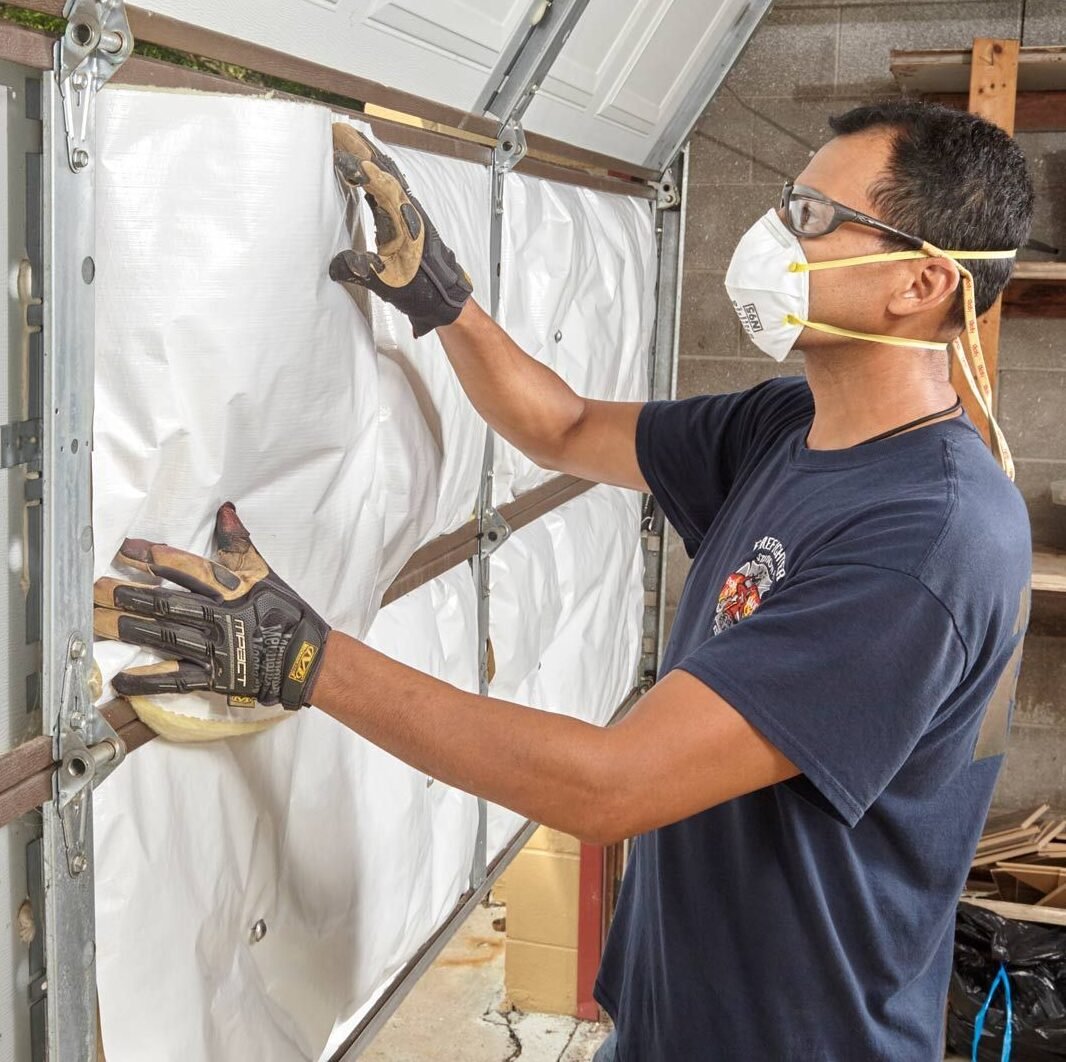

Introduction to Garage Door Insulation
Garage door insulation is an essential aspect of home improvement that directly impacts energy efficiency and overall comfort. By incorporating insulation into your garage door, homeowners can significantly enhance temperature regulation within the garage and adjacent living spaces. This is especially important in regions prone to extreme weather changes, where maintaining a stable indoor climate is vital.
One of the primary benefits of insulated garage doors is their ability to conserve energy. An uninsulated garage can act as a major source of heat loss in winter, or heat gain in summer, leading to increased energy costs. Insulated doors help reduce these energy demands, as they keep the internal temperature steadier, minimizing the reliance on heating and cooling systems.
In addition to energy savings, garage door insulation contributes to improved noise reduction. It acts as a barrier to external sounds, making the home more peaceful by minimizing the transmission of noises from the outside, such as traffic, weather events, or neighborhood activities. This feature not only enhances living conditions but also provides homeowners with added privacy.
The insulation material chosen for a garage door can vary significantly, with options including polystyrene and polyurethane, each offering specific advantages in terms of R-value, which measures thermal resistance. Understanding these materials and their implications for performance can help homeowners make informed decisions tailored to their specific needs.
With a myriad of insulated garage door options available in the market, recognizing their importance in maintaining energy efficiency is crucial. Whether building a new garage or upgrading an existing door, insulation stands as a significant consideration for homeowners aiming to enhance their property’s comfort and performance.
Understanding the Types of Garage Door Insulation
Garage door insulation plays a crucial role in enhancing the thermal efficiency of homes, especially in areas with extreme weather conditions. There are several types of insulation materials available, each offering distinct advantages and considerations. The three most common types include foam board, fiberglass, and reflective insulation.
Foam Board Insulation is widely used for its superior thermal resistance. Made from rigid polystyrene or polyisocyanurate, foam board provides an excellent insulation barrier while being lightweight. It is easy to cut and install, making it a popular choice for DIY projects. The cost-effectiveness of foam board varies, but its durability and long-lasting thermal performance often justify the initial investment. Its insulating properties significantly reduce heat transfer, helping to maintain a consistent temperature inside the garage.
Fiberglass Insulation is another popular option due to its availability and effectiveness. Comprised of fine glass fibers, this type of insulation offers considerable thermal resistance, albeit at a slightly higher installation difficulty compared to foam board. It can come in batts or rolls, which require precise cutting to fit snugly within the garage door frame. While fiberglass insulation is generally less expensive than foam board, it does absorb moisture, which can reduce its insulation performance over time if not properly managed.
Reflective Insulation, often seen as radiant barrier insulation, is particularly effective in warmer climates. This type typically consists of a layer of aluminum foil over a substrate, reflecting radiant heat away from the garage. Its installation is often straightforward, as it involves less cutting and manipulation than other materials. However, the effectiveness of reflective insulation is reduced in colder climates, making it more suitable for specific geographic locations.
When selecting the right garage door insulation, homeowners must weigh factors like thermal efficiency, ease of installation, and overall cost. Each type has its merits, and understanding these differences ensures an informed decision that best meets individual needs.
Benefits of Insulating Your Garage Door
Insulating your garage door provides several noteworthy benefits that can enhance your overall living experience. One of the primary advantages is improved energy efficiency. A well-insulated garage door reduces the transfer of heat between the interior of your garage and the external environment. This means that during hot summer months, the heat from outside is less likely to invade your garage, and during winter, the warmth from your home is retained more effectively. Consequently, this helps in maintaining a stable temperature within the garage and adjacent living areas.
Enhanced comfort is another significant benefit of garage door insulation. An insulated garage can serve as a more enjoyable and functional space for various activities, whether it is used for storage, as a workshop, or even as a recreational area. By mitigating the extremes of temperature, insulating the garage door can make it a comfortable area year-round, allowing for extended use irrespective of outside weather conditions.
Additionally, insulating your garage door can lead to potential increases in property value. A well-insulated home is a critical factor for prospective buyers; energy efficiency is often at the forefront of their considerations. By upgrading your garage door with insulation, you may enhance your property’s appeal and its market value, making it a worthwhile investment.
Finally, insulation can contribute to reduced energy bills. With improved temperature regulation, less energy will be consumed to heat or cool the area, translating into lower utility costs over time. Homeowners can expect potential savings as a result of these decreased energy expenses, making the insulation of garage doors a financially prudent choice.
Assessing Your Garage’s Insulation Needs
Understanding the insulation needs of your garage is essential for maintaining energy efficiency and comfort in your home. Several factors should be considered when evaluating your garage’s insulation requirements. Firstly, the local climate plays a significant role in how well your garage needs to be insulated. For instance, in colder regions, insulation is crucial to prevent heat loss, while in warmer areas, it can help keep the garage cooler.
Another important factor is the intended use of your garage. If your garage is used primarily for parking vehicles, you may prioritize insulation to protect your cars from extreme temperatures. However, if the garage serves as a workshop or storage space, enhanced insulation can create a more comfortable environment for working and protect sensitive items from temperature fluctuations.
Additionally, assessing the condition of the existing garage door is critical. Older doors often have lower insulation values, which can lead to significant heat exchange. Inspect the door for gaps, cracks, or deterioration that could compromise its insulating properties. Consider the material of the garage door itself—some materials, such as steel, may require additional insulation or replacement to improve thermal performance.
Homeowners should also evaluate the flooring and walls of the garage. If these areas are uninsulated, they can contribute to heat loss and temperature imbalances. Insulating the walls and ceiling can further enhance the energy efficiency of the garage. Conducting a thorough assessment of the current conditions will empower homeowners to make informed decisions regarding insulation options and improvements. By taking these factors into consideration, you will be better prepared to select suitable garage door insulation solutions that cater to your specific needs.
Installation Options: DIY vs. Professional Help
When it comes to garage door insulation, homeowners often face the choice between undertaking a do-it-yourself (DIY) project or enlisting the services of a professional. Each option presents distinct advantages and disadvantages that can significantly influence the overall outcome and cost of the insulation.
Opting for a DIY installation may provide a sense of accomplishment and can be more cost-effective. Homeowners can save on labor costs by purchasing insulation materials, such as foam boards or reflective barriers, and insulate their garage doors themselves. However, this approach requires a good understanding of the materials involved and the proper tools for installation, such as a utility knife, adhesive, and measuring tape. Additionally, homeowners must allocate sufficient time for the project, which can vary depending on the size and complexity of their garage doors.
On the other hand, hiring a professional for garage door insulation offers numerous benefits, including expertise and efficiency. Professionals are well-versed in the nuances of insulation materials and their proper installation methods. This not only ensures optimal insulation performance but also minimizes the risk of errors that could lead to future problems. Furthermore, professional installation services often come with warranties, providing additional peace of mind. However, the downside to this option is the higher cost associated with labor, which can be a significant consideration for budget-conscious homeowners.
In summary, the choice between DIY garage door insulation and seeking professional help ultimately depends on individual circumstances, including budget, time availability, and comfort level with home improvement tasks. Assessing these factors will help homeowners arrive at the most suitable decision for their insulation needs.
Top Insulated Garage Door Products on the Market
When it comes to choosing the right insulated garage door for your home, several products stand out due to their exemplary performance, durability, and design. Below, we will review some of the top insulated garage door options currently available.
Firstly, the Clopay Intellicore garage door is highly regarded for its advanced insulation technology. This model features polyurethane foam insulation that offers an impressive R-value, ensuring excellent thermal efficiency. The door is constructed with durable materials, providing exceptional resistance to dents and corrosion. Furthermore, with its stylish design options, it perfectly complements a range of home exteriors. Prices generally range from $900 to $3,000, depending on customization.
Next, the Amarr Heritage Series deserves mention for its combination of affordability and functionality. Available in multiple styles and colors, this steel garage door includes polystyrene insulation that enhances energy efficiency and comfort. The Heritage Series has a favorable performance rating for its strength and design, with prices typically falling between $750 and $2,500.
Another excellent choice is the Martins Garage Doors, specifically the insulated models which feature a thick core of energy-efficient foam. These doors are highly customizable and provide appealing aesthetics along with superior insulation. Performance ratings highlight their efficacy in noise reduction and thermal insulation. Prices for Martins garage doors usually start around $800.
Lastly, the Wayne Dalton Model 8000 is an all-rounder, offering solid construction and polyfoam insulation for maximum efficiency. This door is designed to withstand harsh weather conditions while maintaining a stylish look. The Wayne Dalton Model typically ranges from $900 to $3,000, depending on the options selected.
Each of these insulated garage door products offers unique features and benefits that cater to different homeowner needs and budgets. Reviewing these options can help you make an informed choice for your next garage door investment.
Maintenance Tips for Insulated Garage Doors
Ensuring the longevity and efficiency of insulated garage doors requires regular maintenance and attention to certain practices. Proper upkeep can significantly enhance the performance and lifespan of your garage door, keeping it functioning smoothly throughout different weather conditions.
One essential routine is to conduct regular inspections of the door’s components. Check the springs, cables, rollers, and hinges for any signs of wear and tear. Look for frayed cables or rust on metal parts, which can indicate the need for repairs or replacements. Additionally, ensure that the door opens and closes smoothly without any excessive noise. Any unusual sounds, such as grinding or rattling, should be investigated immediately to avoid further damage.
Cleaning your insulated garage door also plays a crucial role in maintaining its condition. Begin by using a mild detergent mixed with water to clean the surface, as harsh chemicals can damage the finish. Rinse off the soap thoroughly with a hose to prevent residue build-up. Pay particular attention to the weatherstripping, ensuring it is free of debris, as this helps maintain the insulating properties of the door.
If your insulated garage door experiences issues such as difficulty in operation or draft infiltrations, addressing these problems quickly is vital. Lubricating moving parts like rollers and hinges every six months can prevent stiffness and maintain optimal function. Furthermore, if you notice air leaks around the edges, consider replacing the weatherstripping to enhance thermal insulation.
By adhering to these maintenance tips, you can ensure that your insulated garage door remains functional and efficient, providing the protection and comfort your home deserves.
Government Incentives and Rebates for Insulation Projects
Homeowners considering garage door insulation have the opportunity to benefit from various government incentives and rebate programs. These initiatives are designed to promote energy efficiency and foster sustainable living by enabling individuals to reduce energy consumption in their homes. Residents can receive financial incentives to fit new insulation systems, including garage doors, ultimately leading to reduced energy costs and improved comfort.
Programs differ by state and municipality, but many federal and local governments offer rebates for energy-efficient upgrades. Homeowners may find that these rebates provide a percentage of the cost of insulation installation back, making such projects more financially feasible. The U.S. Department of Energy, along with state energy offices, usually outlines eligible home improvements, ensuring compliance with the necessary energy efficiency standards.
To apply for these programs, homeowners must investigate the specific requirements set by local and federal authorities. Some common steps include obtaining a contractor’s quote, verifying insulation material standards, and submitting application forms along with proof of installation. Additionally, homeowners should keep track of receipts and necessary documentation, as these are often needed for rebate approval.
Potential savings vary significantly based on the region and the extent of the insulation project. Homeowners can discover an array of financial incentives, which may result in substantial reductions in both initial investment and long-term energy expenses. By taking advantage of these government programs, homeowners not only enhance their home’s energy efficiency but also build a more environmentally responsible future.
Conclusion and Final Thoughts
In evaluating the various options for garage door insulation, it is crucial to understand the influence that insulation has on energy efficiency and comfort within the home. The right insulation not only helps maintain a stable temperature in the garage but also positively affects adjacent living areas, resulting in lower energy bills and enhanced comfort. Key factors to consider when selecting insulation include the material type, R-value, and installation method.
Among the available options, products such as polystyrene foam, polyurethane foam, and reflective insulation each have their own benefits. Polystyrene and polyurethane provide excellent thermal resistance, while reflective insulation works effectively in specific climates by reflecting radiant heat. Regardless of the choice made, homeowners should prioritize materials that balance cost, performance, and ease of installation.
As you embark on the journey of insulating your garage door, thorough research is invaluable. Look for comparative reviews and testimonials from previous users to gauge the effectiveness of different products. Additionally, consulting with insulation professionals or local contractors can provide insights tailored to your specific needs and local climate. Opting for high-quality materials, coupled with proper installation techniques, can yield long-term benefits that significantly enhance the functionality of your garage space.
In summary, making informed decisions about garage door insulation is imperative for maintaining energy efficiency and comfort in your home. Assess your options carefully, gather information from reputable sources, and consider professional guidance to choose the best insulation solution for your needs.

