

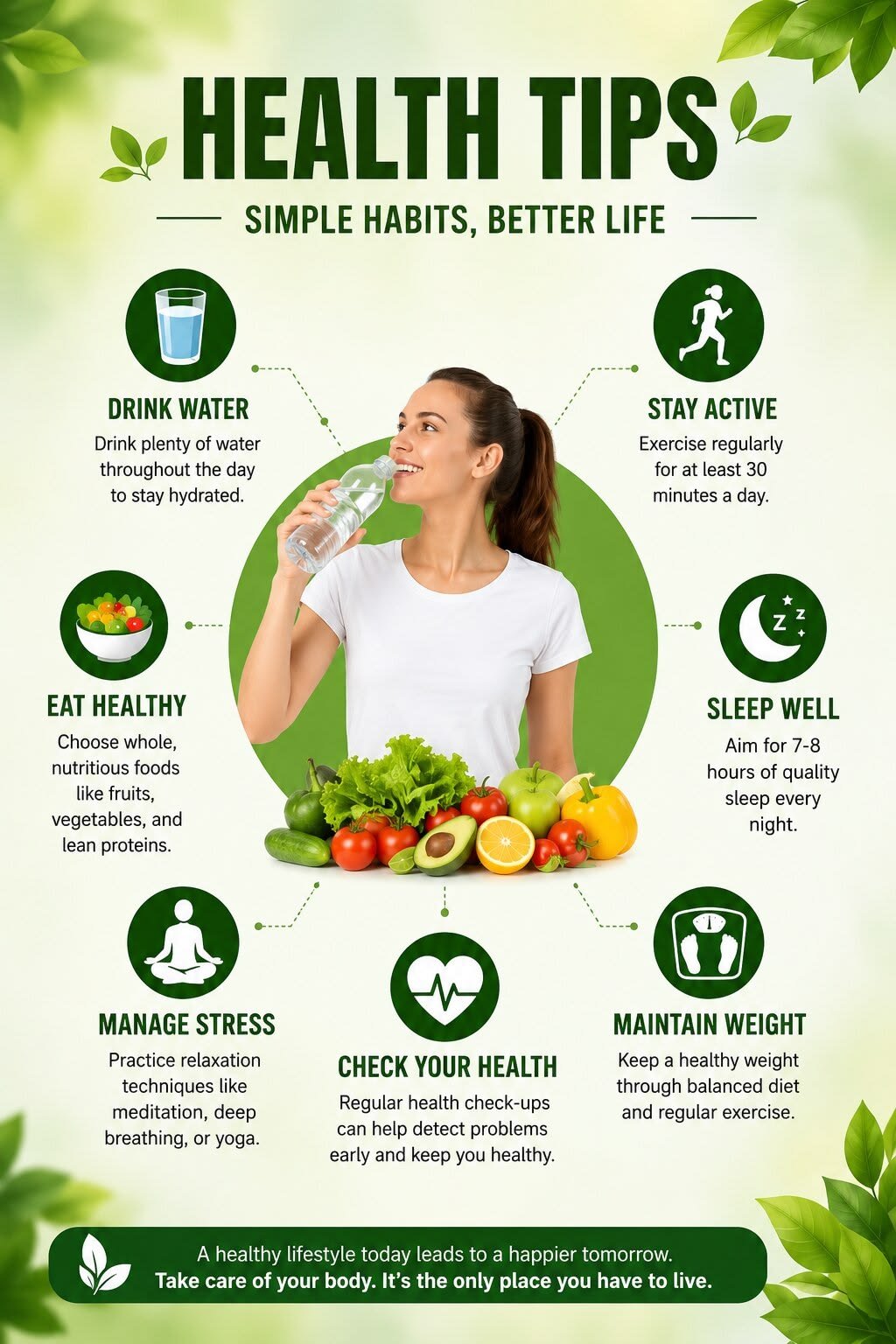

Understanding the Importance of Healthy Living
In today’s fast-paced world, the significance of healthy living cannot be overstated, particularly for busy individuals. Embracing a healthy lifestyle is not merely about diet and exercise; it encompasses a holistic approach that nurtures physical, mental, and emotional well-being. When engaged in the whirlwind of daily responsibilities, the importance of maintaining health becomes even more apparent.
Physically, a healthy lifestyle fosters resilience and endurance, both of which are crucial for handling the demands that come with a busy schedule. Regular physical activity, balanced nutrition, and adequate hydration work synergistically to enhance energy levels. This increase in vitality directly correlates with productivity—a vital factor for individuals juggling multiple responsibilities.
Moreover, mental well-being is closely linked to healthy living. Engaging in activities that promote mental health, such as mindful meditation or simple breathing exercises, can significantly reduce stress. This benefit is invaluable for busy people who often experience high-pressure environments. By prioritizing mental health, it is easier to maintain focus on tasks and make sound decisions, ultimately advancing one’s career or personal endeavors.
Additionally, the emotional benefits of a healthy lifestyle support a positive outlook on life. When individuals engage in regular self-care routines, they develop coping strategies to handle life’s stressors. This proactive approach to emotional health can lead to improved relationships both at home and in the workplace, fostering a more supportive community around busy individuals.
In essence, adopting a healthy lifestyle not only contributes to physical vitality but also enhances mental clarity and emotional stability. For busy individuals, these elements are vital to not only survive but thrive in their personal and professional lives. By prioritizing health, one can optimize performance and overall life satisfaction.
Quick and Nutritious Meal Ideas
For busy individuals, maintaining a healthy diet often feels like a daunting task. However, with the right meal ideas and some planning, nutritious meals can be prepared with minimal effort and time. Below are several suggestions for quick, healthy meals that cover breakfast, lunch, and dinner, along with strategic meal prep tips.
Breakfast: Starting the day with a nutritious breakfast is essential. Overnight oats are an excellent option; simply combine rolled oats, milk or yogurt, and your favorite fruits in a container the night before. This not only saves time but ensures you have a balanced meal rich in fiber and protein. Alternatively, consider a smoothie containing spinach, banana, and a protein source such as Greek yogurt. This quick blend provides essential vitamins and energy to kickstart your day.
Lunch: For a nutritious lunch, salads can be a convenient choice. Prepare a base of leafy greens and top it with a variety of protein sources like grilled chicken, chickpeas, or tofu. Add some colorful vegetables and a healthy fat like avocado or nuts for a more satisfying meal. Another quick option is whole-grain wraps filled with turkey, hummus, and assorted veggies. These wraps are portable and can be made in minutes.
Dinner: Dinner can be equally quick with one-pan meals. A stir-fry with seasonal vegetables and a protein source—such as shrimp or chicken—can be whipped up in under 30 minutes. Use a mix of sesame oil and soy sauce for flavor. Another option is a sheet pan dinner, where you can roast a variety of vegetables alongside a protein like salmon. Simply season and bake everything at once for minimal cleanup and maximized nutrition.
Meal Prepping Tips: To make your week easier, consider meal prepping. Dedicate an hour or two every weekend to cook grains, wash greens, and chop vegetables to have them ready for use. Portion meals in advance, and store them in the refrigerator or freezer for quick access. This strategy not only saves time during the week but also promotes healthier eating habits.
Incorporating Physical Activity into a Busy Schedule
In our fast-paced lives, finding time for physical activity can often feel like a daunting task. However, by adopting a few simple strategies, busy individuals can seamlessly integrate exercise into their daily routines without compromising their schedules. Short workouts, for instance, are an effective way to stay fit when time is limited. Even a quick 10-15 minute session of high-intensity interval training (HIIT) or a brisk walk can yield substantial health benefits. These types of workouts can be tailored to fit around personal commitments and can often be done at home, reducing travel time to and from the gym.
Additionally, making a few mindful choices throughout the day can increase overall activity levels. For example, taking the stairs instead of the elevator or opting to park further away from the entrance when running errands can add valuable steps to your daily total. Walking or cycling for short errands, when feasible, not only adds physical activity to your day but also helps reduce stress and clear the mind. Another effective method to incorporate movement is through mini-breaks during work hours—standing up and stretching every hour or performing a few simple exercises at your desk can significantly enhance physical wellness.
Setting realistic fitness goals is equally crucial in maintaining a consistent activity routine. Rather than aiming for unattainable targets, consider outlining specific and achievable objectives that align with your busy lifestyle. For instance, aim for three 30-minute workouts per week, and gradually increase as your schedule allows. Remember, consistency is key to making physical activity a regular part of your life. By implementing these strategies, it is possible for individuals with packed schedules to prioritize their health and well-being through consistent physical activity.
Mindfulness and Stress Management Techniques
In today’s fast-paced world, maintaining mental health is crucial, especially for busy individuals balancing various responsibilities. Mindfulness practices have emerged as effective tools to promote mental well-being and manage stress. These techniques can be seamlessly integrated into daily routines, allowing even the most hectic schedules to accommodate moments of calm and awareness.
One of the simplest yet most effective mindfulness practices is deep breathing exercises. Taking just a few minutes to focus on your breath can significantly reduce stress. A common method involves inhaling deeply through the nose, holding for a few seconds, and then exhaling slowly through the mouth. Repeating this process can help center your thoughts and enhance your sense of calm, enabling you to approach daily challenges more effectively.
Meditation is another valuable technique for busy individuals. Even short sessions can yield benefits such as improved concentration and reduced anxiety. Beginners may find guided meditation apps helpful, as they provide structured practices that fit into even the tightest schedules. Dedicating just five to ten minutes a day to sit quietly and observe one’s thoughts can foster a greater sense of awareness and emotional stability.
Additionally, incorporating short breaks into daily routines is essential for recharging both the mind and body. During these breaks, stepping away from tasks and engaging in a brief walk or stretching can significantly rejuvenate energy levels and enhance focus. This practice is particularly important for maintaining productivity and preventing burnout in busy environments.
By adopting these mindfulness strategies and stress management techniques, busy individuals can cultivate a more balanced and healthier lifestyle. These practices not only aid in mental health but also contribute to improved overall well-being, making it easier to navigate daily responsibilities.
Staying Hydrated on the Go
Staying hydrated is essential for maintaining optimal health, especially for busy individuals who may often overlook their fluid intake amidst their packed schedules. Dehydration can lead to fatigue, headaches, and decreased concentration, which can ultimately impact productivity. Therefore, it is vital to prioritize hydration as a part of a healthy lifestyle.
One effective strategy for ensuring adequate water intake is to carry a reusable water bottle. This makes it convenient to drink water throughout the day, whether you are commuting, at work, or running errands. Opt for a bottle with a built-in infuser to add flavor with fruits or herbs without extra calories. This not only enhances the taste of the water but also encourages a more appealing drinking experience.
Setting reminders can also significantly help busy individuals remember to drink water regularly. Use smartphone applications that issue water intake alerts or set periodic reminders throughout the day. Additionally, marking the water bottle at regular intervals can provide visual cues for how much water should be consumed by specific times.
Incorporating hydrating foods into your diet can further support your hydration needs. Foods such as cucumbers, oranges, and watermelon are not only nutritious but also have a high water content. Snacking on these hydrating foods can be an effortless way to augment your fluid intake, especially if available pre-cut and ready to eat.
Furthermore, consider drinking a glass of water before meals; it not only assists in hydration but may also aid digestion and promote a feeling of fullness, potentially helping in weight management. By adopting these straightforward strategies, busy individuals can effectively stay hydrated, ensuring they maintain their energy and focus throughout their demanding days.
Smart Snacking Options
In today’s fast-paced world, maintaining healthy eating habits can be challenging, particularly for busy individuals. Smart snacking is a crucial strategy to keep energy levels stable throughout the day, enhance focus, and prevent unhealthy eating decisions. Opting for quick, portable, and nutritious snacks not only boosts stamina but also supports overall well-being.
One effective approach to smart snacking is meal preparation. By planning and preparing healthy snacks in advance, individuals can avoid the temptation of processed or unhealthy options when hunger strikes. For instance, consider portioning out mixed nuts or seeds into small containers for a convenient snack. These options are packed with protein, healthy fats, and essential nutrients to sustain energy.
Fruits and vegetables are also excellent choices for nutritious snacking. Baby carrots, cucumber slices, or cherry tomatoes can be easily prepared and stored in grab-and-go bags. Pairing these with a serving of hummus or a yogurt dip can enhance their appeal while providing additional health benefits. Similarly, fresh fruits like apples, bananas, or berries can be taken anywhere without the need for preparation.
For those seeking a quick energy boost, consider protein-rich snacks such as Greek yogurt, hard-boiled eggs, or low-fat cheese. These options not only satisfy hunger but also promote muscle repair and recovery. When selecting snacks, it is essential to pay attention to portion sizes to avoid overeating. Using smaller containers or pre-portioned bags can help manage portions effectively.
Incorporating whole grains into snacks is another smart strategy. Whole grain crackers or rice cakes topped with nut butter offer a balanced mix of carbohydrates and protein. Additionally, consider snacking on popcorn, which is a whole grain, low-calorie option that can be seasoned to taste while providing fiber to keep you full longer.
In conclusion, smart snacking is a vital component of healthy living for busy individuals. By choosing nutritious options and being mindful of portion control, one can maintain energy levels and make healthier choices throughout the hectic day.
Managing Time Effectively for Healthy Living
In today’s fast-paced world, finding time for health and wellness can be challenging, especially for busy individuals juggling multiple responsibilities. Effective time management is a crucial skill that enables individuals to prioritize their health amidst a packed schedule. One efficient method to ensure health-related activities are included in your routine is to use a well-structured calendar. Consider allocating specific time slots during the week for workouts, meal prep, or grocery shopping. This proactive approach allows you to visualize your commitments, making it easier to spot available time for important health-related tasks.
Additionally, prioritizing is essential for busy people. By evaluating the importance of each activity, you can decide whether a task is essential or can be delegated or postponed. This prioritization not only helps streamline your schedule but also enhances your focus on health without feeling overwhelmed. For instance, if your schedule allows only three workout sessions a week, choose the days and times you can consistently dedicate to exercise without interruptions.
Another effective time management technique is the use of time blocks. This involves dedicating specific segments of time exclusively for health activities. For example, if your mornings are generally rushed, consider waking up just 30 minutes earlier for a quick workout or meditation session. Integrating health into your daily routine through time blocking reduces the chances of skipping these activities.
Furthermore, leveraging technology can assist in maintaining these schedules. Numerous apps and tools can track your fitness goals, meal plans, and even remind you of upcoming workouts. Digital calendars can serve as reminders to keep health-related tasks at the forefront of your busy day.
Creating a Support System
In the pursuit of a healthy lifestyle, particularly for busy individuals, having a support system can play a pivotal role. This network can be composed of friends, family, co-workers, or even fitness groups, serving to provide motivation, accountability, and encouragement as one navigates the challenges of maintaining healthy habits. A robust support system can make an individual’s journey towards health not only achievable but also enjoyable.
The effectiveness of a support system lies in its ability to hold individuals accountable for their health goals. Having someone who can check in regularly can encourage adherence to exercise routines, balanced diets, and overall wellness strategies. For example, a workout partner can enhance commitment to regular exercise; knowing that someone else is depending on you at the gym can be a powerful motivator. Furthermore, engaging in activities, such as meal-prepping together or participating in health-focused workshops, can foster a sense of community and shared purpose.
Family and friends provide emotional support that is equally important. Sharing health goals can lead to discussions that strengthen relationships and build a mutual trust in each other’s ambitions. Encouragement from loved ones can help to overcome setbacks—whether it’s dashing through a busy week or facing challenges such as stress-induced eating. Additionally, being open about struggles can pave the way for inspiring stories and tips that may lead to solutions.
Individuals wishing to build a support system can start by expressing their health goals to those around them, inviting their participation. Whether through social media or personal interactions, finding local or online fitness communities can also bolster morale. Seeking out classes or group activities, such as yoga or running clubs, promotes engagement while allowing for the creation of new friendships with like-minded individuals. Ultimately, a strong support system is instrumental in maintaining a healthy lifestyle amid a busy schedule.
Assessing and Adjusting Your Healthy Living Goals
In the pursuit of a healthier lifestyle, it is essential to regularly assess and adjust your healthy living goals. This practice helps ensure that your objectives remain achievable and relevant, especially as your schedule and lifestyle fluctuate. Evaluating your goals can aid in identifying any barriers you may be facing and allow for the necessary adjustments to maintain motivation.
One effective method for self-evaluation is to maintain a healthy living journal. Documenting your daily activities, dietary choices, and any exercise routines can provide insight into your progress and highlight areas that may require modification. This journal can be a tool for reflection, helping you to recognize patterns that either contribute to or detract from your health journey. By analyzing this data, you can pinpoint what is working well and identify specific goals that may need to be adjusted based on your current circumstances.
In addition to journaling, consider conducting a monthly review of your goals. During this time, reflect on what you have accomplished, the challenges you have encountered, and any life changes that may have impacted your routine. Ask yourself questions such as: Are my goals still relevant? Do they align with my current priorities? What small steps can I take to keep moving forward? This process of self-assessment encourages accountability and can reignite your commitment to your healthy living aspirations.
Lastly, utilize the SMART criteria when setting or adjusting goals: Specific, Measurable, Achievable, Relevant, and Time-bound. This framework enhances clarity and focus, enabling you to create realistic objectives that can accommodate your busy lifestyle. Ultimately, the key to sustained progress lies in regularly checking in with yourself and being flexible enough to adapt your healthy living goals as needed.

