

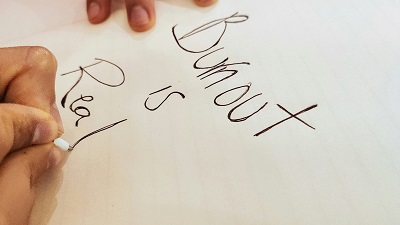

Understanding Burnout
Burnout symptoms is a psychological syndrome characterized by chronic emotional and physical exhaustion, cynicism, and a sense of diminished personal accomplishment. It often arises in response to prolonged stress, particularly in demanding work environments, and manifests as a state of mental, emotional, and physical fatigue. The symptoms of burnout can range from persistent fatigue and insomnia to feelings of helplessness and decreased productivity, significantly impairing an individual’s ability to engage in their personal and professional lives.
To better grasp the concept of burnout, it is essential to distinguish it from stress and general exhaustion. While stress is a reaction to external pressure, often tied to specific demands like deadlines or challenges, burnout develops gradually over time. It results from sustained stress without adequate recovery, leading to a feeling of being overwhelmed and unable to meet the constant demands placed upon oneself. Consequently, those experiencing burnout may find it challenging to motivate themselves, see a decline in their performance, and face difficulty in maintaining relationships.
The impact of burnout extends beyond just emotional and mental well-being; it also significantly affects physical health. Individuals suffering from burnout might experience symptoms such as headaches, digestive issues, or cardiovascular problems, which can arise due to the body’s prolonged stress response. Moreover, the interpersonal effects are profound, often leading to isolation, reduced work engagement, and strained relationships as individuals withdraw from social connections. Recognizing these symptoms and understanding their implications is essential for effective management and recovery from burnout. By addressing the underlying causes, individuals can take proactive steps toward achieving a healthier balance between work and personal life, thus mitigating the effects of this widespread issue.
Identifying the Signs of Burnout
Burnout is a state of chronic physical and emotional exhaustion often triggered by prolonged stress, particularly in professional environments. Recognizing the signs of burnout is crucial for timely intervention and recovery. Emotional indicators are often the first to appear. Individuals may experience increased irritability, feelings of helplessness, or a general sense of overwhelm. These emotional symptoms are frequently accompanied by heightened cynicism and detachment from work-related tasks and colleagues.
Physical signs of burnout can manifest as chronic fatigue, insomnia, and increased susceptibility to illness. Individuals may notice a significant dip in energy levels, even after adequate rest. This relentless exhaustion often leads to decreased productivity and can create a cycle of guilt and frustration. Moreover, headaches, gastrointestinal issues, and muscle tension are common physical manifestations of sustained stress and burnout.
Behavioral changes are also significant signs of burnout. Individuals may withdraw from social interactions, neglect responsibilities, or display erratic behavior. Work performance often suffers, resulting in missed deadlines and diminished job satisfaction. It is essential to note that these symptoms can adversely affect personal relationships, as individuals may struggle to engage with loved ones due to their emotional state.
Moreover, the signs of burnout may not always be evident to the person experiencing them. This is why fostering self-awareness and regularly checking in with oneself and others can be beneficial. Establishing open lines of communication within workplaces and social circles can facilitate early identification of burnout symptoms and encourage supportive strategies for recovery.
Common Causes of Burnout
Burnout is a state of chronic physical and emotional exhaustion, often resulting from prolonged and excessive stress. It typically stems from a combination of work-related pressures, lack of support systems, and struggles in personal life. Understanding these root causes is essential for individuals seeking to navigate their way out of burnout.
One of the primary causes of burnout is work-related stress. High demands, long hours, and unrealistic expectations can create an environment where employees feel overwhelmed. This pressure can lead to a sense of inadequacy, particularly when individuals feel they cannot meet the ever-increasing targets imposed upon them. Additionally, factors such as a lack of autonomy, poor work-life balance, and workplace culture can exacerbate stress levels, further contributing to burnout.
Another significant factor is the absence of a supportive environment. When individuals lack access to adequate support from colleagues, supervisors, or even family and friends, they may feel isolated in their struggles. This isolation can foster feelings of helplessness and despair, making it more challenging to manage stress. Support systems play a critical role in mitigating feelings of burnout, yet many find themselves in workplaces that fail to prioritize employee wellbeing.
Lastly, personal challenges can deeply intertwine with work-related stress and play a pivotal role in the onset of burnout. Issues such as financial strain, caregiving responsibilities, and relationship difficulties can contribute to an individual’s overall stress levels. When these personal life challenges are compounded with workplace pressures, the result is often a pervasive sense of fatigue and emotional depletion.
Recognizing these common causes of burnout is the first step toward addressing them effectively. By understanding how work stress, lack of support, and personal issues converge, individuals can begin to identify changes that may alleviate their circumstances and promote a healthier balance in their lives.
The Effects of Burnout
Burnout is a state of emotional, physical, and mental exhaustion caused by prolonged and excessive stress. Its effects can manifest in various ways, impacting both personal health and productivity significantly. In the short term, burnout can lead to reduced efficiency and a lack of motivation. Tasks that were once engaging may become overwhelming, contributing to a decrease in work performance. This decline can also affect the quality of work produced, as individuals may struggle to focus or meet deadlines, leading to a vicious cycle of increased stress and further burnout.
Beyond immediate productivity concerns, the long-term effects of burnout can be more severe. Chronic stress may contribute to numerous health issues, such as cardiovascular diseases, anxiety, and depression. This deterioration in physical health can create a heightened sense of vulnerability, reinforcing feelings of hopelessness and frustration. Additionally, burnout often erodes personal relationships, as individuals may withdraw or become irritable. The emotional toll can result in distant connections, impacting family dynamics, friendships, and professional interactions.
The implications of burnout extend beyond the individual, influencing workplace culture and team dynamics. A burned-out employee may experience a reduction in collaboration and communication, vital components for a conducive work environment. Consequently, organizations may face increased turnover rates, diminished employee morale, and a pervasive sense of disengagement among staff. Addressing burnout is crucial, as not only does it benefit the individual, but it also bolsters overall productivity and fosters healthier work relationships.
Strategies for Preventing Burnout
Preventing burnout is essential for maintaining overall well-being and productivity, particularly in demanding work environments. Several strategies can be employed to achieve a balance that minimizes stress and mitigates the risk of burnout.
One of the most effective methods is implementing strong time management skills. By prioritizing tasks and setting realistic deadlines, individuals can avoid the overwhelming feeling that comes with incomplete or poorly executed work. Utilizing tools such as planners or digital calendars can assist in organizing responsibilities and identifying periods of high workload, allowing for better allocation of time.
Additionally, setting boundaries is crucial in the prevention of burnout. This includes learning to say no to additional responsibilities that may overextend oneself. It is important to communicate openly with supervisors and colleagues about workload capacities. Establishing clear boundaries can help in avoiding situations where work encroaches on personal time, thus maintaining a healthier work-life balance.
Cultivating a supportive professional environment can also play a significant role in preventing burnout. Engaging with co-workers, sharing experiences, and fostering a community of support can lighten the emotional load that often accompanies high-pressure job roles. Regular check-ins and creating spaces for open dialogue about stress can significantly contribute to a more collaborative workspace.
Alongside these workplace strategies, self-care practices are fundamental. Engaging in regular physical activity, maintaining a nutritious diet, and ensuring adequate sleep can greatly enhance one’s ability to cope with stress. Setting aside time for hobbies or relaxation is equally important, as these activities can provide necessary relief and rejuvenation.
Coping Mechanisms for Dealing with Burnout
Burnout can significantly impair an individual’s physical and mental health, making it essential to implement effective coping mechanisms. By integrating specific strategies, individuals can manage and alleviate the symptoms of burnout, facilitating a pathway to recovery and enhanced well-being.
One widely recognized approach is the practice of mindfulness. Engaging in mindfulness activities, such as meditation, deep breathing exercises, or yoga, can help restore mental clarity and emotional balance. Studies have shown that regular mindfulness practice significantly reduces stress, anxiety, and depression, all of which are contributors to burnout.
In addition to mindfulness, incorporating physical activity into one’s daily routine can significantly combat the effects of burnout. Exercise has been proven to enhance mood through the release of endorphins, which serve as natural mood lifters. Whether through walking, jogging, or participating in an organized sport, finding time for physical activity can play a crucial role in rejuvenating one’s mental state and providing a break from stressors.
Seeking professional help is another vital coping mechanism. A psychologist or counselor can offer valuable tools and strategies tailored to an individual’s unique situation. Professional guidance can help unravel the underlying issues contributing to burnout, leading to effective treatment and a stronger mental framework.
An often-overlooked aspect of managing burnout is the importance of social support. Building and maintaining connections with friends and family can provide a crucial support network. Sharing experiences and seeking encouragement from others can foster resilience and help individuals feel less isolated in their struggles. Engaging in social activities may also divert focus from stressors, offering moments of joy and relaxation.
Incorporating these coping mechanisms into daily life can create a sustainable approach to managing burnout. By prioritizing mindfulness, physical activity, professional advice, and social connections, individuals can actively work towards alleviating burnout symptoms and ultimately enhance their overall quality of life.
When to Seek Professional Help
Recognizing the signs of burnout is a crucial step toward recovery, and in some cases, seeking professional help may become necessary. Burnout can manifest in various ways, including chronic fatigue, decreased productivity, and a sense of helplessness. If you find yourself feeling overwhelmed to the point where daily tasks become challenging or unmanageable, it may be a signal to reach out for support.
Some indicators that professional assistance could be beneficial include persistent feelings of detachment or cynicism towards work, significant changes in appetite or sleep patterns, and an inability to concentrate. Additionally, if you experience physical symptoms like headaches or gastrointestinal issues that arise simultaneously with stress, the situation may warrant consultation with a mental health professional.
Therapeutic options for managing burnout are diverse and can be tailored to meet individual needs. Cognitive-behavioral therapy (CBT) is often effective, as it helps individuals reframe negative thought patterns and develop coping strategies. Furthermore, mindfulness and stress management techniques, such as meditation or yoga, can provide tools for handling stress more effectively.
In addition to therapy, support groups or peer-led discussions can offer invaluable perspectives and a sense of community. Learning from others who have faced similar challenges can foster an environment of understanding and encouragement. Resources such as employee assistance programs (EAP) or community mental health services may also provide structured support for individuals experiencing burnout.
Ultimately, recognizing when to seek help is a vital aspect of managing burnout. Prioritizing mental health and well-being is essential, and professional guidance can significantly aid in the recovery process, paving the way for a more balanced and fulfilling life.
Rebuilding After Burnout
Recovering from burnout requires a structured approach to mend both mental and emotional health. A crucial first step is to acknowledge the signs of burnout and allow oneself to process the associated feelings, which can include exhaustion, cynicism, and reduced efficacy. Acceptance is key as it paves the way for a constructive recovery journey.
Next, establishing realistic goals can act as a healing framework. These objectives should be specific, measurable, attainable, relevant, and time-bound (SMART). For example, instead of setting an overwhelming goal like “getting everything back to normal,” one might aim for small victories, such as dedicating ten uninterrupted minutes to relaxation each day or gradually reducing work hours. These manageable targets create a sense of accomplishment, which is vital for restoring motivation.
In addition to goal-setting, embracing self-care practices is essential. Individuals are encouraged to explore various self-care strategies that resonate with them, such as meditation, yoga, or simply engaging in hobbies that bring joy. Regular physical activity and proper nutrition are also integral components of a holistic recovery plan. The significance of sleep cannot be overstated, as it is during sleep that the body and mind recover from stressors.
Furthermore, seeking support from friends, family, or mental health professionals can significantly influence the rebuilding process. Sharing experiences and discussing feelings can lighten the emotional load and provide new perspectives. It is important to cultivate a support network that understands the challenges of burnout and can encourage healthy coping mechanisms.
Ultimately, the path to recovery is unique for everyone, and while rebuilding after burnout can be challenging, it is not insurmountable. With patience and commitment, individuals can emerge stronger and more resilient, equipped to face future challenges with greater emotional stability and confidence.
Maintaining Long-Term Well-Being
Recovering from burnout is a critical phase, yet it is equally important to prioritize ongoing well-being to prevent recurrence. One of the most effective strategies is to foster resilience. Resilience can be cultivated through various practices such as mindset training, emotional regulation techniques, and building strong interpersonal connections. Engaging in positive self-talk and focusing on solutions rather than problems can significantly enhance emotional strength, helping individuals navigate stressors with a more constructive outlook.
Ongoing self-care practices are also essential for maintaining well-being. Self-care goes beyond occasional pampering; it is about integrating nurturing habits into one’s daily routine. Regular physical activity, balanced nutrition, and sufficient sleep are foundational elements that contribute to overall health and can greatly enhance emotional resilience. Additionally, mindfulness techniques such as meditation, yoga, or breathing exercises can reduce stress and promote mental clarity. Allocating time for hobbies and interests that bring joy can serve as a valuable outlet for expression and relaxation.
Moreover, creating a supportive environment is crucial in preventing future burnout. This involves cultivating relationships with individuals who understand and respect personal boundaries, as well as advocating for a balanced workload. In professional settings, open communication with supervisors about workload and expectations can lead to a healthier work-life balance. Encouraging a culture of support within teams and fostering a sense of community can further enhance resilience and stress management capabilities. By actively engaging in these practices, individuals can establish a sustainable framework for long-term emotional and physical well-being, significantly lowering the risk of burnout.

