


Introduction to CBD and THC
Cannabidiol (CBD) and Tetrahydrocannabinol (THC) are the two most significant cannabinoids derived from the cannabis plant. These compounds are often discussed in the context of medical and recreational use, yet they exhibit distinct properties that cater to various applications. Although CBD and THC originate from the same plant species, Cannabis sativa, their chemical structures and effects on the body differentiate them fundamentally.
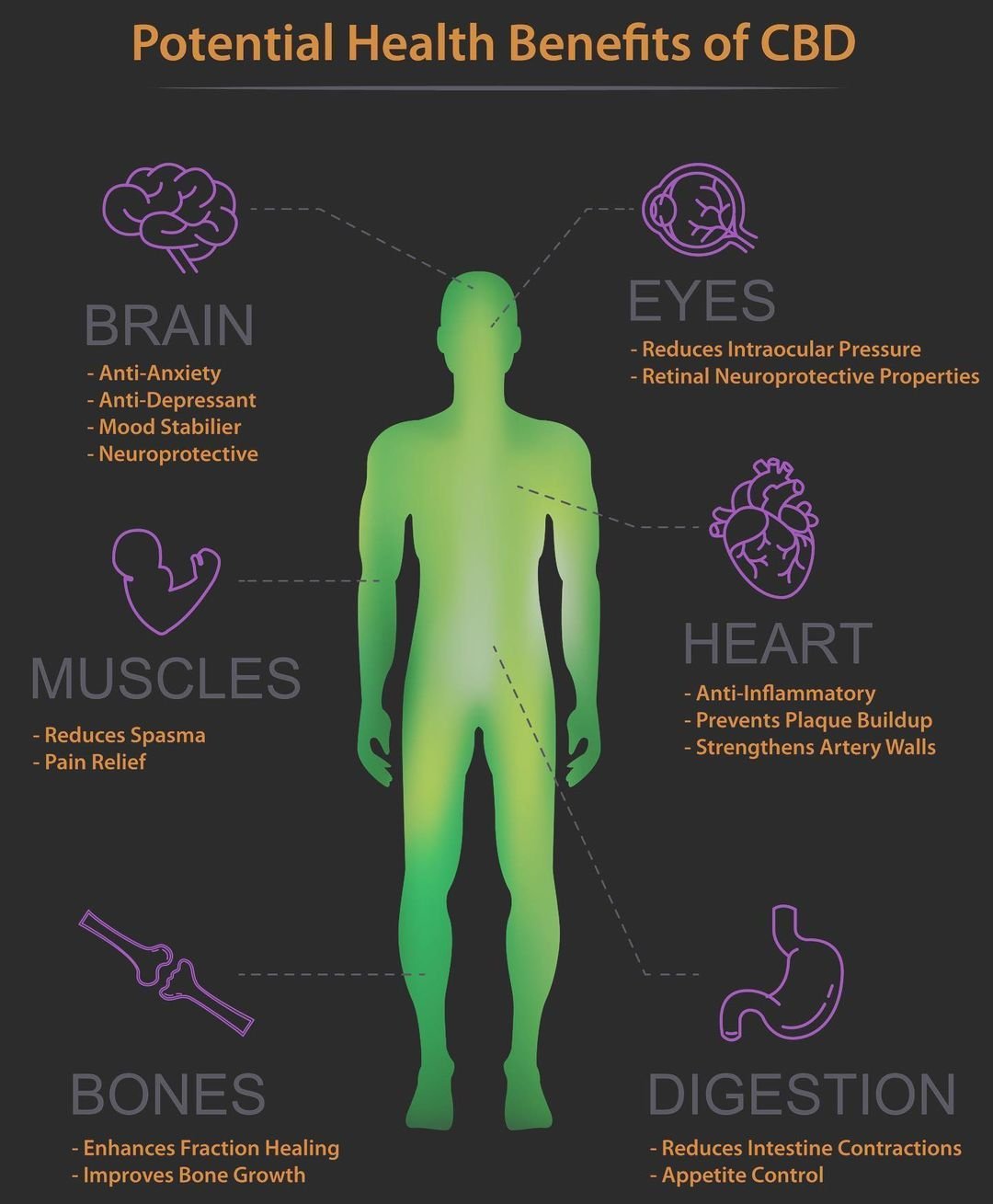
Cannabidiol is primarily renowned for its therapeutic potential without inducing the psychoactive effects commonly associated with THC. It works by interacting with the body’s endocannabinoid system, which plays a crucial role in regulating various physiological processes, including pain, mood, and immune function. CBD has gained popularity for its potential benefits in alleviating anxiety, inflammation, and chronic pain, making it appealing for those seeking relief without intoxication.
On the other hand, Tetrahydrocannabinol is the compound responsible for the euphoric “high” associated with cannabis consumption. This psychoactive effect occurs because THC also interacts with the endocannabinoid system but primarily binds to the CB1 receptors located in the brain. Such interactions may lead to various effects, including altered sensory perception, elevated mood, and increased appetite. This has made THC conventional in both recreational and medicinal contexts, particularly for patients seeking pain relief or appetite stimulation in diseases like cancer.
The fundamental differences between CBD and THC extend beyond their effects; they also impact the legality and acceptance of each compound. While CBD products derived from hemp are widely legal and accepted worldwide, THC remains a controlled substance in many jurisdictions, although progressive legalization efforts are easing restrictions in various regions.
Chemical Structure and Properties
The primary distinction between CBD (cannabidiol) and THC (tetrahydrocannabinol) lies in their chemical structures. Both compounds are cannabinoids found in the Cannabis sativa plant, sharing a common molecular backbone with slight variations that significantly influence their physiological effects. CBD has a molecular formula of C21H30O2, while THC possesses the same molecular formula but differs in structure, leading to varied interactions with cannabinoid receptors in the body.
The structural difference hinges on the arrangement of atoms within the molecules. THC contains a cyclic structure that allows it to bind to the CB1 cannabinoid receptors primarily found in the nervous system. This binding induces psychoactive effects, commonly associated with marijuana use. In contrast, CBD does not fit as snugly into the CB1 receptors, resulting in non-psychoactive properties. Instead, CBD seems to interact indirectly with these receptors and others in a manner that can mitigate some of the psychoactive effects of THC.
In terms of solubility and stability, both CBD and THC exhibit lipophilicity, meaning they dissolve effectively in fats and oils. However, CBD tends to have higher stability in various formulations, making it a preferred choice for oil tinctures and edibles. Additionally, both cannabinoids are sensitive to heat and light, which can compromise their potency. Proper storage in opaque, cool containers can enhance the longevity of both substances.
The interactions of these cannabinoids with the endocannabinoid system underscore their therapeutic potential. CBD is known for its anti-inflammatory, analgesic, and anxiolytic properties, while THC provides pain relief and appetite stimulation. Understanding these distinctions is crucial for consumers and healthcare providers considering their use for medicinal purposes.
Psychoactive Effects: THC vs CBD
Tetrahydrocannabinol (THC) is the primary psychoactive compound found in cannabis, well-known for its ability to induce euphoria and produce a distinct ‘high.’ This sensation results from THC’s interaction with the endocannabinoid system, particularly the CB1 receptors found in the brain. When these receptors are activated by THC, they lead to a range of effects, including alterations in perception, heightened sensory experiences, and changes in memory and cognition. Users often report enhanced creativity, but the psychoactive properties of THC can also lead to anxiety and paranoia in some individuals. This variability is largely influenced by the dosage and personal biopsychosocial factors.
In contrast, cannabidiol (CBD) stands out as a non-psychoactive component of cannabis. It does not produce the euphoric effects associated with THC, making it a prominent choice for those looking for therapeutic benefits without the mind-altering consequences. Studies indicate that CBD has the potential for a myriad of health benefits, including anxiety reduction, anti-inflammatory effects, and pain relief, without interfering with cognitive function. This quality makes CBD appealing for individuals seeking relief from conditions like epilepsy or chronic pain, particularly those who may be sensitive to the psychoactive effects of THC.
Understanding the dichotomy between THC and CBD is crucial for consumers and medical professionals alike. While THC can be beneficial for conditions that may benefit from its psychoactive effects, such as severe nausea or appetite stimulation in chemotherapy patients, CBD offers a safer alternative for those who prefer to avoid alterations in mental states. This fundamental difference between the psychoactive properties of THC and the non-psychoactive nature of CBD underscores the importance of informed choices in cannabis consumption.
Legal Status and Regulations
The legal status of CBD (cannabidiol) and THC (tetrahydrocannabinol) varies significantly across different countries and regions, shaped largely by evolving public perceptions of cannabis. In recent years, there has been a global movement towards the legalization of cannabis, both for medicinal and recreational purposes. Understanding the distinctions in legal frameworks is essential for consumers and businesses operating within this sector.
In countries like Canada and Uruguay, cannabis is fully legalized, allowing for both recreational and medicinal use. The regulations surrounding the production, distribution, and sale of THC and CBD products are well-defined, providing a framework that promotes consumer safety while supporting economic growth. Comparatively, in the United States, the legal status can differ state by state, reflecting a patchwork of regulations. While many states have legalized recreational use and allowed CBD products derived from hemp (which contains less than 0.3% THC), federal law still considers THC a Schedule I controlled substance, complicating matters for businesses and consumers alike.
Internationally, countries such as the Netherlands and Israel have pioneered approaches to medicinal cannabis. Israel, in particular, has established a comprehensive regulatory framework that encourages scientific research into cannabis’ health benefits while allowing for controlled access to THC-based medications. In contrast, numerous nations in Asia, including countries like Singapore and Indonesia, maintain stringent prohibitions on cannabis, leading to strict penalties for possession and use.
The differentiation between recreational and medicinal cannabis use also plays a significant role in the legal status of CBD and THC. For instance, many jurisdictions allow CBD products to be sold without a prescription, framing them as health supplements rather than drugs. Consequently, the legal landscape continues to evolve, prompting consumers and businesses to remain informed about local regulations governing cannabis-related products.
Medical Uses and Benefits
Both CBD (cannabidiol) and THC (tetrahydrocannabinol) are cannabinoids that have garnered attention for their therapeutic potential in treating various medical conditions. Their differing effects and therapeutic applications make them valuable in the medical field. Research indicates that while both compounds interact with the endocannabinoid system, they may be beneficial in distinct ways.
CBD is often highlighted for its non-psychoactive properties and is primarily known for its potential to alleviate conditions such as chronic pain, anxiety, and epilepsy. Studies have shown that CBD may reduce seizure frequency in certain types of epilepsy, particularly in children suffering from conditions like Dravet syndrome. The anti-inflammatory properties of CBD further suggest its use in managing chronic pain and conditions such as arthritis.
Conversely, THC is recognized for its psychoactive effects but is also effective in easing pain and stimulating appetite. Clinical studies have demonstrated that THC can be particularly beneficial for patients undergoing chemotherapy, as it helps mitigate nausea and improve appetite. Furthermore, the analgesic properties of THC may provide relief for patients with neuropathic pain.
Combination therapies utilizing both CBD and THC have emerged as an area of interest for researchers and clinicians. The entourage effect, characterized by the synergistic interaction of cannabinoids, suggests that these compounds may work better together than individually. For instance, a balanced ratio of CBD to THC can minimize the psychoactive effects of THC while enhancing its pain-relieving capabilities.
Although anecdotal evidence and preliminary studies indicate the therapeutic promise of both CBD and THC, further research is essential to understand their efficacy fully. Incorporating cannabinoids into treatment plans should occur under medical supervision, ensuring patients can reap the benefits while being aware of possible side effects.
Side Effects and Risks
When considering the use of cannabis-derived compounds, understanding the potential side effects and risks associated with both CBD (cannabidiol) and THC (tetrahydrocannabinol) is paramount. Though both compounds have therapeutic effects, they also present varying side effects that users should be aware of.
CBD is generally regarded as well-tolerated by most individuals. Common mild side effects may include fatigue, nausea, and changes in appetite. These effects are usually dose-dependent, meaning that the likelihood of experiencing them increases with higher doses. Conversely, THC, known for its psychoactive properties, may lead to more pronounced side effects. Users often report drowsiness, altered sensory perception, and anxiety or paranoia, particularly at higher doses. Such effects may deter new users, who should consider starting with low doses to assess personal tolerance.
Another critical aspect is the dependency risk associated with these compounds. Studies suggest that while CBD is non-addictive and poses a minimal risk for dependency, THC carries a higher potential for misuse and dependency, particularly among individuals who consume it frequently. This is essential to consider for those who may be using these substances for medicinal purposes, as the risk of developing a problematic pattern of use is decidedly higher with THC.
Furthermore, dosage plays a crucial role in the overall safety profile of both CBD and THC. For novices, it is advisable to start at a lower dose to evaluate individual reactions, gradually adjusting as necessary. This approach not only minimizes the risk of adverse side effects but also helps users find the optimal dosing for their specific needs.
Consumption Methods
When exploring the use of CBD (cannabidiol) and THC (tetrahydrocannabinol), understanding the various consumption methods is crucial as these methods significantly influence the onset, duration, and intensity of effects experienced by the user. Both CBD and THC can be consumed in several forms, with each method offering unique advantages and experiences.
One of the most common consumption methods is through oils and tinctures. These liquid forms allow for sublingual administration, enabling rapid absorption into the bloodstream. Users typically report effects within 15 to 30 minutes. The duration of effects can last anywhere from 4 to 8 hours, depending on the dosage and individual metabolism. This method is favored for its precise dosing capabilities.
Edibles present another popular option for consuming both CBD and THC. These products, which include gummies, baked goods, and beverages, undergo digestion and metabolization, leading to a delayed onset of effects—often 30 minutes to 2 hours. However, the effects tend to be longer-lasting, lasting upwards of 6 hours in many cases. The intensity can be more potent due to the way cannabinoids are metabolized in the liver.
Vaping has gained popularity as a consumption method for many users looking for immediate effects. Vaporizers heat CBD or THC oils, producing vapor that is inhaled, resulting in relatively fast onset—generally within minutes. The effects from vaping are more intense but may also dissipate more quickly, lasting around 2 to 4 hours.
Finally, topical applications, such as creams and balms infused with CBD or THC, are ideal for localized relief. These products can be absorbed through the skin without entering the bloodstream, thus providing targeted effects without psychoactive effects associated with THC. Depending on the formulation, relief can be felt within minutes, promoting a longer-lasting effect on localized pain.
Popularity and Market Trends
The rise in consumer interest regarding cannabinoid products, specifically CBD and THC, has marked a significant shift in market dynamics across various sectors. CBD, or cannabidiol, has gained substantial traction among consumers due to its perceived health benefits, which range from stress relief to anti-inflammatory properties. The legal standing of CBD has also contributed to its popularity, as many regions have introduced legislation allowing its sale, significantly expanding its accessibility.
Market research indicates that consumer preferences are increasingly leaning towards wellness products, which incorporate CBD. This trend reflects a growing awareness of alternative therapies and natural remedies in health management. Industries such as food and beauty have also capitalized on this popularity, introducing CBD-infused products that cater to a diverse demographic seeking holistic health solutions. The appeal of these products lies not only in potential health benefits but also in the increasing consumer demand for natural and organic ingredients.
On the other hand, THC, or tetrahydrocannabinol, maintains a unique standing in the market, primarily due to its psychoactive effects. The legalization of recreational and medicinal cannabis in several regions has promoted THC’s acceptance, making it a popular choice in both wellness and recreational contexts. Consumers looking for relaxation or pain management tend to gravitate towards THC products, influencing several industries, including recreational use and edibles.
Both cannabinoids have significantly impacted market trends; CBD’s non-psychoactive nature appeals to health-focused individuals, whereas THC attracts those seeking more immediate recreational effects. As these trends continue to evolve, they promise to inspire further innovation in product development across wellness, beauty, and food sectors.
Conclusion: Making Informed Choices
As we have explored throughout this discussion, CBD (cannabidiol) and THC (tetrahydrocannabinol) are two primary cannabinoids found in the cannabis plant, each exhibiting distinct characteristics and effects. While THC is primarily known for its psychoactive properties, which induce a “high” in users, CBD is widely recognized for its therapeutic potential without the intoxication associated with THC. Understanding these key differences is paramount for anyone considering cannabinoid use.
The varying legal status of CBD and THC across different jurisdictions further complicates the landscape. In many regions, CBD derived from hemp is legal and available, offering many individuals access to its purported benefits, such as anxiety relief, pain mitigation, and anti-inflammatory effects. Conversely, THC remains prohibited or regulated in many areas due to its psychoactive nature. It is essential for users to stay informed about the legality of these cannabinoids in their respective locations.
For individuals contemplating the use of cannabis products, it is crucial to evaluate personal health needs and preferences. Factors such as desired effects, tolerance, and existing medical conditions should all be considered. Importantly, individuals should seek the guidance of healthcare professionals who can provide tailored advice based on current research and individual health profiles. Their insights can assist in distinguishing which cannabinoid, or combination thereof, may be most beneficial.
Ultimately, making informed choices regarding CBD and THC use is a process that should be approached thoughtfully and responsibly. By understanding the fundamental differences between these cannabinoids, individuals can better navigate the landscape of cannabinoid products and make decisions that align with their wellness goals.

