
Introduction to CBD and Its Growing Popularity
Cannabidiol (CBD) is one of the many compounds found in the Cannabis sativa plant, which includes both marijuana and hemp varieties. Unlike tetrahydrocannabinol (THC), the psychoactive component that produces a “high,” CBD is non-psychoactive. This characteristic has made CBD particularly appealing for a range of therapeutic and wellness applications. The extraction of CBD from hemp and cannabis plants varies, but the most common method involves using solvents or carbon dioxide to isolate the compound, ensuring that it remains under the legal THC threshold.
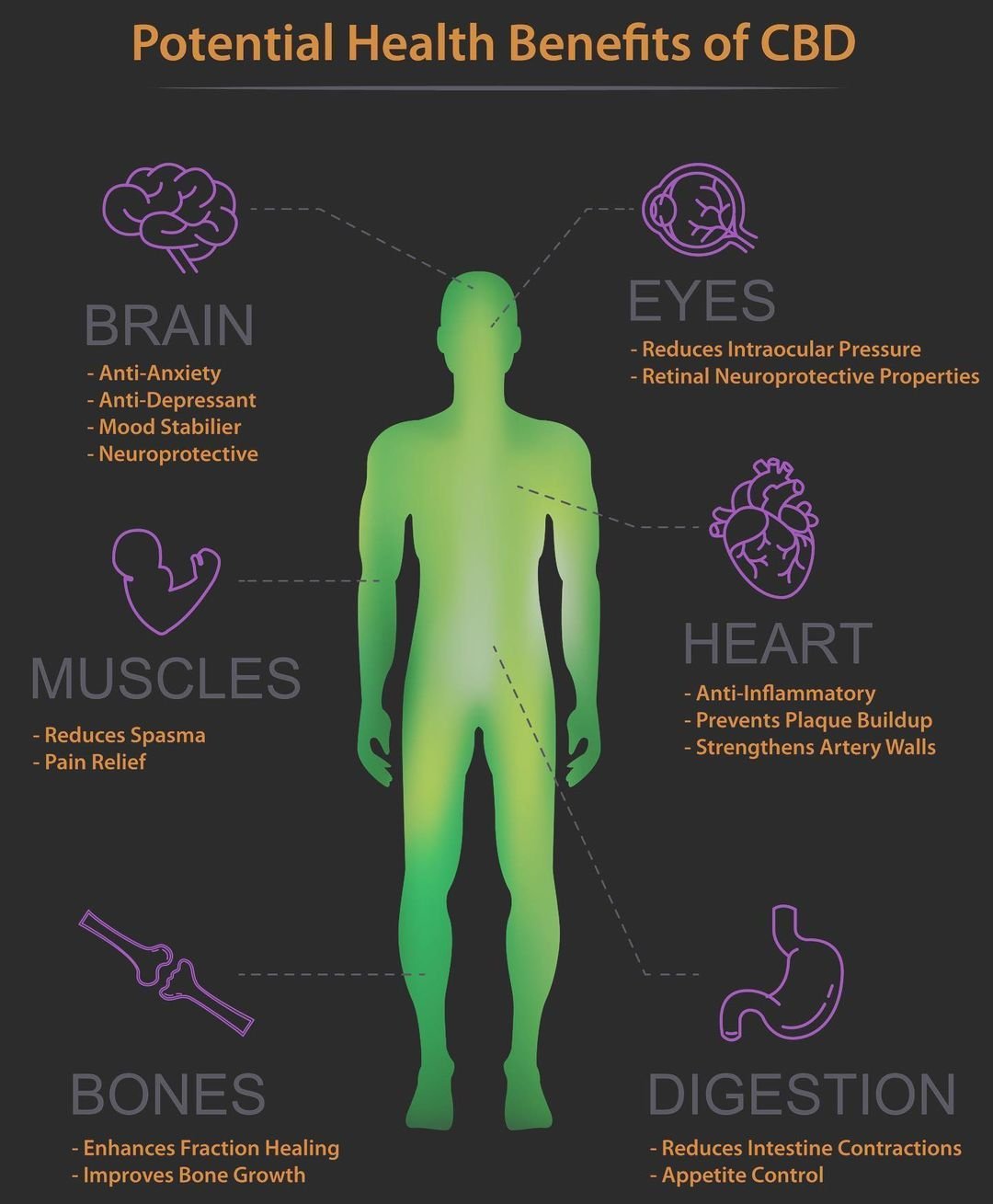
In recent years, CBD has garnered significant attention worldwide due to its potential health benefits. Preliminary studies suggest it may help alleviate symptoms associated with anxiety, chronic pain, epilepsy, and inflammation, among other conditions. Such promising research has catalyzed the surge in CBD products entering the market, from oils and capsules to topicals and edibles. Consumers are increasingly seeking out these products as part of holistic health regimens, underscoring a trend towards natural solutions for living well.
The rising popularity of CBD has not only increased consumer interest but has also prompted discussions regarding legal regulations. As countries and states define their stance on cannabis and CBD use, we witness varying degrees of legality and market presence. Some regions have embraced CBD, recognizing its therapeutic potential, while others remain cautious, enforcing strict regulations. This dynamic landscape of CBD legality highlights the need for clear guidelines to ensure consumer safety and product quality. As more individuals turn to this cannabinoid, the exploration of CBD’s role in wellness continues to evolve amidst the complexities of legal frameworks across different jurisdictions.
Historical Context of CBD Regulations
The regulation of CBD (cannabidiol) has evolved significantly over the past century, reflecting broader societal attitudes towards cannabis. The timeline of cannabis legislation can be traced back to the early 20th century when many countries began to criminalize the substance. The enactment of the 1937 Marihuana Tax Act in the United States marked a pivotal moment, effectively prohibiting marijuana and its derivatives, including CBD. This legislation laid the foundation for a long-standing stigma surrounding cannabis, influenced heavily by the propaganda of the War on Drugs that emerged in the 1970s. This period witnessed a sharp increase in negative public perception, leading to stringent regulations.
As the tide began to turn in the late 20th and early 21st centuries, perceptions surrounding CBD started to shift. Scientific research revealing potential therapeutic benefits initiated a growing advocacy for the decriminalization and regulation of cannabis products. In 1996, California became the first state to legalize medical marijuana, a milestone that encouraged other regions to consider similar measures. This paved the way for legislative changes that increasingly recognized the medical benefits attributed to CBD. In 2018, the U.S. Congress enacted the Farm Bill, legalizing hemp-derived CBD products and allowing states to establish their own regulations.
Globally, different countries have adopted distinct approaches to CBD regulation, often influenced by their cultural, political, and historical contexts. For instance, Canada fully legalized cannabis in 2018, including CBD, demonstrating a progressive stance compared to many countries still enforcing strict prohibitions. Conversely, some nations maintain stringent regulations, viewing any cannabis derivative with skepticism due to entrenched beliefs stemming from historical drug policies.
CBD Regulations in North America
In North America, the regulatory landscape surrounding cannabidiol (CBD) is complex and varies significantly between the United States and Canada. In the United States, the legal status of CBD is primarily determined by the 2018 Farm Bill, which legalized the cultivation of hemp and the production of hemp-derived CBD. According to this legislation, CBD products must contain no more than 0.3% THC on a dry weight basis to be considered legal at the federal level. However, it is essential to note that individual states have the authority to implement their own regulations, resulting in a patchwork of laws across the country.
Many states have adopted legislation allowing for the use of CBD in various forms, including oils, topicals, and edibles; however, some states have retained stricter controls. For instance, states such as Idaho and South Dakota have imposed more stringent restrictions on CBD products, limiting their availability to consumers. This creates confusion among producers and consumers alike about the legal rights concerning CBD usage and distribution.
In contrast, Canada established a more uniformly regulated framework for CBD under the Cannabis Act, which came into effect in October 2018. Unlike the U.S., all cannabis-derived products, including CBD, are regulated similarly, and they can be sold legally across the country, provided they comply with Health Canada’s stringent guidelines. The act differentiates between CBD derived from marijuana and that derived from hemp, with both types subject to similar regulations. Furthermore, in Canada, products containing CBD cannot make claims about health benefits unless they are approved by regulatory bodies.
The varying regulatory environments in North America impact both consumers and producers significantly. While consumers have access to a larger selection of products in Canada, those in the U.S. face a more fragmented marketplace, where state laws can dramatically alter availability and legality of CBD goods. Understanding these regulations is critical for anyone involved in the CBD industry or for consumers wishing to explore its potential benefits.
CBD Regulations in Europe
The regulatory framework for cannabidiol (CBD) products in Europe is complex and varies significantly across different EU member states. While the European Union (EU) has overarching regulations, individual countries may implement their own rules that can create a fragmented landscape. At the EU level, CBD is classified as a novel food under the Novel Food Regulation, established in 2018. This classification necessitates that any CBD product intended for human consumption must go through a pre-market safety assessment conducted by the European Food Safety Authority (EFSA).
As a result, producers must provide evidence of the safety and efficacy of their products before they can be marketed. This regulation has led to a higher standard of compliance but has also posed challenges for businesses entering the market, as the approval process can be lengthy and costly.
Moreover, while CBD derived from industrial hemp with less than 0.2% THC is legal in most EU countries, some nations have further restrictions. For example, in countries like France, the sale of CBD flowers is prohibited, though CBD oils and edibles are permitted under specific conditions. Conversely, countries like the Netherlands have more permissive regulations, allowing a broader range of CBD products to be sold. Such discrepancies lead to confusion among consumers and companies alike.
It is also important to note that recent changes in regulations are ongoing, with some EU member states pushing for more relaxed rules on CBD products based on emerging research and consumer interest. In addition, the use of CBD in cosmetics is generally accepted, provided that the products comply with the EU Cosmetics Regulation, which similarly requires safety assessments.
As the EU navigates a path towards harmonizing regulations, it is crucial for stakeholders to stay informed on evolving legal frameworks to ensure compliance and capitalize on market opportunities within the burgeoning CBD industry across Europe.
CBD Regulations in Asia
CBD regulations across Asia vary significantly from country to country, influenced by cultural attitudes and historical perspectives on cannabis. In China, the regulatory landscape is notably stringent, with the country maintaining a zero-tolerance policy towards cannabis-related products. However, the use of hemp-derived CBD has gained some acceptance, primarily for industrial and therapeutic purposes. Recent developments indicate that China is exploring the potential of CBD for pharmaceutical use, but as of now, the legality remains limited primarily to industrial hemp products.
Japan offers a contrasting approach, where CBD is legal, provided it is derived from hemp and contains no THC, the psychoactive component of cannabis. The cultural attitude in Japan towards cannabis is complex, deeply rooted in a historical aversion. However, the increasing awareness of health benefits associated with CBD has led to a burgeoning market, albeit still highly regulated. Consumers in Japan can purchase CBD products, but businesses must navigate a tightly controlled environment regarding manufacturing standards and marketing practices.
South Korea represents another distinct approach within the region, having legalized the medical use of CBD in 2018. The South Korean government permits the use of CBD prescribed by licensed physicians for specific medical conditions. This progressive stance has fostered a growing awareness and acceptance of CBD within the society. However, recreational use remains strictly prohibited. As the market in South Korea develops, companies are adapting to the legal framework, striving to align with regulatory requirements while offering high-quality products to consumers.
The variations in CBD regulations across these Asian nations underline the complexity of cannabis legality in the region. Each country’s stance reflects not only its legal framework but also societal attitudes towards cannabis, creating distinct challenges and opportunities for consumers and businesses alike.
CBD Regulations in South America and Africa
In recent years, the regulatory landscape surrounding Cannabidiol (CBD) in South America and Africa has undergone significant changes. Various countries have initiated movements towards liberalization or faced stringent regulations based on socio-economic considerations, public health, and cultural perceptions of cannabis.
In South America, Brazil has shown a cautious yet progressive approach towards CBD. The Brazilian Health Regulatory Agency (ANVISA) approved the sale of CBD products derived from cannabis for medical purposes in 2020. However, the production remains limited, and access is primarily available through pharmacies with a prescription, reflecting the country’s still conservative outlook on cannabis in general. Meanwhile, Argentina has adopted a more liberal stance. The nation enacted a law in 2020 allowing the domestic cultivation of low-THC cannabis, including CBD products, highlighting the growing recognition of the therapeutic potential of these substances.
Contrastingly, other nations like Chile and Colombia are also moving towards the establishment of a regulated CBD market, recognizing both the health benefits and economic opportunities associated with cannabis cultivation and production. In Colombia, the government has made strides to integrate CBD within its agricultural framework, promoting its export potential while setting clear regulations for production and distribution.
In Africa, South Africa stands out with its relatively advanced regulatory measures regarding CBD. The South African Health Products Regulatory Authority has made provisions for the commercialization of CBD products, provided they contain less than 0.001% THC. This progressive legislative framework signals a shift in public attitudes towards cannabis, likely influenced by the socio-economic dynamics of the nation.
However, many African countries remain conservative, with strict regulations and limited access to CBD. Countries such as Nigeria have imposed stringent laws against cannabis, including CBD, often viewing it through a legal and health lens intertwined with historical stigmas. Overall, the regulatory environment in both continents is evolving, influenced by legal, cultural, and economic factors, and highlighting the diversity of approaches to CBD regulation.
Challenges and Controversies Surrounding CBD Regulations
The regulation of cannabidiol (CBD) has garnered considerable attention worldwide, yet it remains fraught with challenges and controversies. One of the primary concerns is the safety and quality control of CBD products. Due to the lack of uniform standards, consumers often find themselves navigating a marketplace filled with products of varying potency and purity. Studies indicate that some CBD products do not contain the advertised levels of active ingredients, leading to potential health risks and undermining consumer trust.
Another significant issue is the abundance of misinformation surrounding CBD. As a relatively new entrant into the wellness industry, confusion often prevails about its effects, dosage, and potential side effects. This misinformation can lead to misuse and exacerbate the stigma against CBD derived from cannabis, as individuals are often uncertain whether it is associated with recreational drug use. Addressing this challenge requires clear communication and educational initiatives that can accurately inform the public.
The scientific community also faces hurdles due to the lack of comprehensive studies on the long-term effects of CBD consumption. Although preliminary research suggests various therapeutic benefits, it is essential to conduct more rigorous, peer-reviewed studies to definitively ascertain CBD’s efficacy and safety. This ambiguity complicates the regulatory landscape, as lawmakers grapple with designing legislation that balances consumer safety, industry innovation, and public health.
The ongoing debate between proponents and opponents of CBD legalization further complicates regulatory efforts. Advocates argue for greater access to CBD for medical and therapeutic purposes, pointing to anecdotal evidence of its benefits. Conversely, detractors cite concerns about the potential for abuse and the need for stringent oversight to prevent adverse health outcomes.
Future Trends in CBD Regulation
The regulatory landscape for cannabidiol (CBD) is evolving at a rapid pace, influenced by both domestic consumer demand and international legislative movements. As the popularity of CBD products continues to rise, it is anticipated that regulations will increasingly adapt to reflect this growing market. One significant trend is the potential for more uniform regulations across different jurisdictions, as governments recognize the benefits of a cohesive framework for both production and sales. Such harmonization could facilitate trade and ensure consistency in product quality and consumer safety.
Additionally, as scientific research on the benefits and effects of CBD becomes more widely accepted, we may expect to see changes in how CBD is classified and regulated. For instance, countries may shift towards recognizing CBD as a legal substance that can be marketed in various forms, including food, cosmetics, and therapeutic products. This potential change in classification could lead to amendments in not only national laws but also international treaties that currently classify cannabinoids more restrictively.
Consumer advocacy will also play a crucial role in shaping future CBD regulations. As consumers become more informed about CBD and its uses, their demand for transparency and quality assurance will likely prompt regulatory bodies to enforce higher standards. Regulatory agencies may prioritize testing and labeling requirements to ensure that products are accurately represented and safe for consumption. This trend towards increased consumer protection can drive further regulatory advancements as public discussions continue to highlight the necessity for comprehensive and clear guidelines.
In conclusion, the future of CBD regulation appears to be geared toward greater consistency and consumer safety. As both domestic and international markets evolve, the need for cohesive regulations as well as heightened consumer awareness will likely shape the path forward in CBD legislation.
Conclusion: The Path Forward for CBD Regulations
The landscape of CBD regulations is continually evolving as more countries recognize the potential benefits and applications of cannabidiol. Currently, variations in legal frameworks exist globally, ranging from outright bans to progressive legalization regimes. This divergence poses challenges for standardized regulation, impacting not only producers but also consumers seeking safe and effective products.
Looking forward, there is an imperative need for responsible regulation that balances consumer safety with market accessibility. Future regulations should prioritize research-backed standards, ensuring that CBD products undergo rigorous testing for safety and efficacy. By establishing clear guidelines, regulatory bodies can help mitigate risks such as contamination and mislabeling, thereby fostering consumer confidence.
Moreover, as awareness of CBD’s benefits continues to grow, there is a pressing need to consider consumer rights in these regulatory frameworks. Consumers should be afforded the opportunity to access high-quality CBD products without excessive barriers. Additionally, education around responsible usage and potential side effects must be integrated into regulation to promote informed decision-making among users.
In tandem, the global market for CBD is anticipated to experience significant growth, which calls for a collaborative approach among international regulatory authorities. By sharing insights and harmonizing regulations, countries can better protect consumers while stimulating market innovation. As stakeholders work together to shape the future of CBD regulation, the focus must remain on creating a safe, equitable, and thriving environment for both producers and consumers.

