


Introduction to Sleep Disorders
Sleep disorders encompass a broad range of issues that affect an individual’s ability to sleep well on a regular basis. These disorders can manifest as difficulties in initiating or maintaining sleep, excessive daytime sleepiness, or abnormal sleep behaviors. They can significantly interfere with daily life and can stem from various causes, including stress, medical conditions, or mental health issues. The significance of understanding sleep disorders lies in the crucial role that sleep plays in our overall health. Sleep is a vital process that allows the body to repair itself, consolidate memories, and maintain cognitive function. Insufficient or disturbed sleep can lead to numerous health problems, including impaired immune function, increased risk of chronic diseases, and psychological issues such as anxiety and depression.
Furthermore, the impact of sleep disturbances extends beyond mere fatigue. Individuals suffering from sleep disorders often experience decreased productivity, compromised decision-making abilities, and strained interpersonal relationships due to irritability and mood changes. In the workplace, lack of restful sleep can hinder performance and increase the likelihood of mistakes, leading to a detrimental cycle that further exacerbates mental well-being. Understanding these factors is essential as it highlights the necessity for early diagnosis and treatment of sleep disorders.
In essence, the comprehension of sleep disorders is fundamental not just for those directly affected but for society as a whole. By raising awareness about these conditions, we can foster a culture that values healthy sleep patterns, thus improving the quality of life for many individuals.
Common Sleep Disorders
Sleep disorders affect a significant portion of the population, manifesting in various forms that can disrupt natural sleep patterns. Three of the most common sleep disorders are insomnia, sleep apnea, and restless leg syndrome.
Insomnia is characterized by difficulty falling asleep, staying asleep, or waking up too early and not being able to return to sleep. This disorder can result in daytime fatigue, mood disturbances, and cognitive impairments. Various factors contribute to insomnia, including stress, anxiety, medical conditions, and certain medications. Studies indicate that roughly 30% of adults experience insomnia at some point, making it one of the most prevalent sleep disorders.
Sleep apnea, a more severe condition, involves repeated interruptions in breathing during sleep, leading to fragmented sleep and excessive daytime drowsiness. The most common form, obstructive sleep apnea, occurs when the throat muscles intermittently relax and block the airway. This disorder has been linked to various health problems such as cardiovascular disease and hypertension. It is estimated that around 22 million Americans suffer from sleep apnea, with many cases remaining undiagnosed.
Restless leg syndrome (RLS) is a neurological disorder that causes an uncontrollable urge to move the legs, often accompanied by uncomfortable sensations. Symptoms typically arise during periods of inactivity or rest and can severely impact sleep quality. RLS may be associated with genetic factors, iron deficiency, or other conditions such as chronic kidney disease. Approximately 10% of the population experiences some degree of RLS, highlighting its significance among common sleep disorders.
While each of these disorders presents distinct challenges, understanding their symptoms and causes is essential in seeking appropriate treatment and improving sleep quality.
Understanding Insomnia
Insomnia is a prevalent sleep disorder characterized by difficulty falling or staying asleep, or waking up too early and being unable to return to sleep. This condition can significantly impair daily functioning, affecting concentration, mood, and overall well-being. Insomnia is typically classified into two primary types: acute insomnia, which is short-term and often triggered by stress or specific events, and chronic insomnia, which persists for longer periods and may occur at least three times a week for three months or more.
The potential causes of insomnia are multifaceted, encompassing psychological factors such as stress and anxiety, which are common triggers for many individuals. Mental health issues, including depression, can further exacerbate sleep difficulties. Additionally, medical conditions like chronic pain, respiratory issues, and hormonal imbalances can also contribute to insomnia. Lifestyle factors, such as irregular sleep schedules, excessive screen time before bed, and consumption of stimulants like caffeine or nicotine, play a vital role in sleep disruption.
Insomnia manifests in various ways. The individual may experience difficulty falling asleep at night, frequent awakenings during the night, or an overall sense of unrest and non-refreshing sleep. These patterns can lead to significant fatigue during the day, decreased productivity, and impaired cognitive function. Over time, untreated insomnia can result in more severe health consequences, including an increased risk of developing chronic conditions such as hypertension, diabetes, and cardiovascular diseases.
Furthermore, insomnia can greatly impact personal relationships and work performance, often leading to irritability and reduced focus. Understanding the nuances of insomnia, its types, causes, and manifestations is essential for developing effective coping strategies and treatments to improve sleep quality.
Exploring Sleep Apnea
Sleep apnea is a significant sleep disorder that affects a considerable number of individuals worldwide, often without their awareness. Among the various types, obstructive sleep apnea (OSA) is the most common form. OSA occurs when the muscles at the back of the throat relax excessively during sleep, leading to temporary blockages of the airway. This condition can disrupt sleep, causing frequent awakenings and impactful daytime fatigue.
Identifying the symptoms of sleep apnea is essential for early intervention. Common symptoms include loud snoring, gasping for air during sleep, excessive daytime sleepiness, difficulty concentrating, and mood changes such as irritability. Individuals may also experience insomnia or awakenings characterized by a sensation of choking. Recognizing these symptoms is crucial in prompting individuals to seek medical advice.
Several risk factors contribute to the likelihood of developing obstructive sleep apnea. Obesity is a primary risk factor, as excess weight can lead to increased fat deposits around the neck area, causing airway obstruction. Other factors include age, gender, family history of sleep apnea, smoking, and the presence of certain medical conditions, such as hypertension and cardiovascular disease. Understanding these risk factors can help in the prevention and early detection of the disorder.
If left untreated, sleep apnea can lead to severe complications. These may include cardiovascular problems, such as high blood pressure, heart attack, and stroke. There is also an associated risk of developing diabetes and experiencing complications from existing conditions. Furthermore, untreated sleep apnea can significantly impair cognitive functions, leading to difficulties with memory and attention.
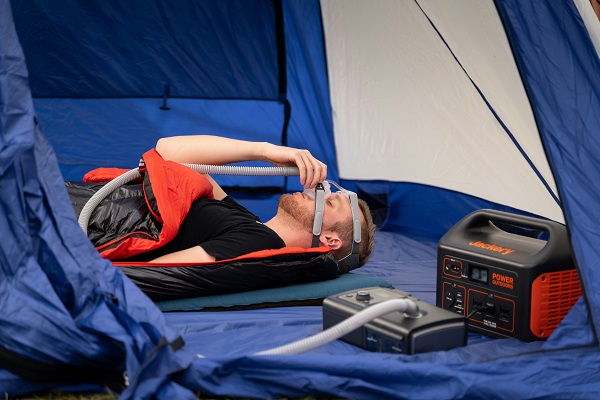
Diagnosis of obstructive sleep apnea typically involves a sleep study, either performed at a sleep clinic or at home. Treatment options vary but may include lifestyle changes, the use of continuous positive airway pressure (CPAP) therapy, dental devices, and, in some cases, surgical interventions. Addressing sleep apnea is vital for improving overall health and quality of life.
Restless Leg Syndrome Explained
Restless Leg Syndrome (RLS) is a common sleep disorder characterized by an uncontrollable urge to move the legs, often accompanied by unpleasant sensations. Individuals with RLS typically describe feelings of crawling, tingling, or itching in their legs, which are usually exacerbated during periods of inactivity or rest. These sensations can lead to significant discomfort, prompting the affected person to move around in an attempt to alleviate the sensations.
The symptoms of RLS primarily manifest in the evening or night, which can greatly hinder one’s ability to initiate or maintain sleep. As a result, those suffering from this condition may experience daytime fatigue, mood disturbances, and a decline in overall quality of life. The involuntary leg movements may also occur during sleep, leading to periodic limb movements that further disrupt restful slumber.
Various factors may contribute to the onset of RLS, including genetic predisposition, iron deficiency, pregnancy, and certain chronic diseases such as diabetes or kidney failure. Certain medications, particularly those that affect dopamine pathways, may also exacerbate RLS symptoms. Understanding the underlying causes of RLS is crucial for effective management and treatment.
Management strategies often involve lifestyle changes, such as establishing a regular sleep schedule and avoiding caffeine or alcohol, which can aggravate symptoms. Implementing relaxation techniques, such as warm baths or leg massages before bedtime, may also provide relief. In more severe cases, healthcare providers may prescribe medications that help balance dopamine levels or address associated conditions.
Ultimately, recognizing the nature of Silent Leg Syndrome and its implications is paramount for improving sleep quality and overall well-being. Identifying symptoms early and seeking appropriate management options can significantly enhance the lives of those affected.
Narcolepsy: A Brief Overview
Narcolepsy is a chronic sleep disorder characterized by overwhelming daytime drowsiness and sudden attacks of sleep. Those affected by this condition often struggle with sleep regulation, leading to potential disruptions in their daily activities. The most prominent symptom of narcolepsy is excessive daytime sleepiness (EDS), which can affect individuals throughout the day, regardless of how much sleep they have had the night before.
Another significant symptom of narcolepsy is cataplexy, which is a sudden loss of muscle tone triggered by strong emotions such as laughter, surprise, or anger. This symptom can be fairly debilitating, as it can cause the individual to collapse or fall, posing risks in various contexts, including driving or operating machinery. Narcolepsy can also be associated with sleep paralysis, hallucinations, and disrupted nighttime sleep patterns, further complicating the sleep experience.
The causes of narcolepsy are not entirely understood, but research suggests that it may result from a combination of genetic and environmental factors. In some cases, an autoimmune response might damage the brain cells that produce hypocretin, a neurotransmitter critical for regulating wakefulness and REM sleep. This loss can lead to the classic symptoms of narcolepsy, impacting the quality of life for those living with the disorder.
Living with narcolepsy can pose significant challenges, affecting personal relationships, employment, and overall wellbeing. Early diagnosis and effective management strategies, including lifestyle modifications and medication, are essential for those affected to lead more fulfilling lives. Increased awareness and understanding of narcolepsy can contribute to better support systems for individuals striving to navigate the complexities of this serious sleep disorder.
The Impact of Sleep Disorders
Sleep disorders can profoundly influence an individual’s overall health and quality of life. Various studies have established a correlation between disrupted sleep patterns and the incidence of several chronic diseases. For instance, individuals suffering from obstructive sleep apnea may experience a higher prevalence of hypertension, cardiovascular diseases, and diabetes. The physiological mechanisms underlying these connections are complex, involving factors such as inflammation and hormonal imbalances that can arise from poor sleep quality.
Moreover, sleep disorders significantly affect mental health, acting as both a symptom and a potential cause of conditions such as depression and anxiety. Research indicates that people with insomnia are at a higher risk of developing mental health issues. This creates a vicious cycle, where poor sleep exacerbates mental health disorders, which in turn perpetuates sleep problems. The implications of this cycle extend beyond the individual, affecting relationships and productivity levels in professional settings.
Addressing sleep disorders is essential not only for the improvement of physical health but also for the enhancement of mental well-being. Quality sleep is fundamental for cognitive processes, emotional regulation, and social interactions. Individuals grappling with sleep deprivation may find it difficult to concentrate, make decisions, or maintain emotional stability, which significantly diminishes their quality of life. Consequently, taking proactive measures to diagnose and manage sleep disorders should be a priority for those affected, healthcare professionals, and the broader community.
Diagnosis and Treatment Options
Timely and accurate diagnosis of sleep disorders is critical for accessing effective treatment options. The evaluation process typically begins with a comprehensive consultation with a healthcare provider or a sleep specialist. This involves discussing the individual’s sleep history, symptoms, and any underlying health conditions that may contribute to sleep issues. A structured approach may include the use of standardized questionnaires and a detailed sleep journal to identify patterns and triggers.
In many cases, sleep studies, known as polysomnography, may be recommended. These studies can be conducted in a sleep clinic or as home-based tests, depending on the severity of the disorder. During a sleep study, various physiological parameters, such as brain activity, heart rate, and oxygen levels, are monitored to provide objective data on sleep stages and disturbances. This information helps in accurately diagnosing conditions such as sleep apnea, insomnia, or restless leg syndrome.
Once a diagnosis is established, treatment options can vary widely based on the specific disorder and its underlying causes. Behavioral therapies are often the first line of treatment, particularly for insomnia. Cognitive-behavioral therapy for insomnia (CBT-I) is a proven method that addresses negative thoughts and behaviors related to sleep, promoting healthier sleep practices.
Medication may also be prescribed when necessary, which can include sedative-hypnotics or antidepressants, depending on the nature of the disorder. However, it is essential to approach medication use cautiously due to potential side effects and dependency issues.
Additionally, lifestyle changes play a vital role in managing sleep disorders. Establishing a consistent sleep schedule, creating a conducive sleep environment, and practicing relaxation techniques can significantly improve sleep quality. Educating individuals about sleep hygiene is imperative, as it forms the foundation for ongoing management and prevention of sleep-related issues.
Conclusion and Resources for Further Help
In this exploration of sleep disorders, we have highlighted some of the most prevalent conditions affecting individuals today. From insomnia, which impairs the ability to fall or stay asleep, to sleep apnea, characterized by interrupted breathing patterns during sleep, it is evident that these disorders can significantly impact overall health and well-being. Additionally, we delved into conditions like restless legs syndrome and narcolepsy, which present their own unique challenges. These disorders can manifest due to a variety of factors, including stress, medical conditions, and lifestyle habits.
Understanding these sleep disorders is crucial for those affected, as early recognition and intervention can lead to effective management strategies. It is equally important to realize that sleep is an integral part of our lives, impacting mental and physical health. Therefore, individuals experiencing persistent sleep issues should seek professional help. Various treatment options are available, ranging from cognitive behavioral therapy to medication, depending on the type and severity of the disorder.
For those seeking further information and support regarding sleep disorders, several reputable resources are available. The National Sleep Foundation (sleepfoundation.org) offers extensive information on sleep health, while the American Academy of Sleep Medicine (aasm.org) provides resources for finding accredited sleep centers. Those looking for support groups can explore resources provided by organizations such as the American Sleep Apnea Association (sleepapnea.org), which connects individuals with common experiences.
Ultimately, prioritizing sleep health is vital, and seeking additional knowledge and support can empower individuals on their journey toward better sleep quality.

