

Understanding Protein: What It Is and Why It’s Important
Protein is a vital macronutrient that plays an integral role in the biological makeup of all living organisms. Composed of amino acids, proteins are large, complex molecules that consist of long chains of these building blocks. There are 20 different amino acids, nine of which are classified as essential because the human body cannot synthesize them; they must be obtained through the diet. Each protein’s specific sequence of amino acids determines its unique shape and function within the body.
In terms of structure, proteins are made up of carbon, hydrogen, oxygen, and nitrogen atoms, linked together in various arrangements. This unique structure allows proteins to fulfill a multitude of essential functions in the body. They serve as the building blocks for muscles, tissues, organs, and hormones, contributing significantly to overall health. Moreover, proteins support the immune system, help in the transport of nutrients, and are critical for enzyme production which catalyzes biochemical reactions.
The importance of incorporating adequate protein in one’s diet cannot be overstated. Proteins not only aid in muscle repair and growth but also assist in maintaining healthy skin, hair, and nails. They play a crucial role in regulating body processes, including metabolism and hormones. Moreover, a diet rich in proteins can promote satiety, aiding in weight management by preventing overeating. Given the numerous roles that protein plays, it is essential for individuals, regardless of their age or activity level, to ensure that they meet their protein requirements. This macronutrient truly is a cornerstone of a healthy and balanced diet, underscoring its importance for optimal bodily functions.
How Protein Functions in the Body
Protein is vital for numerous functions in the human body, serving as a fundamental building block necessary for growth, repair, and overall health. At the cellular level, proteins are made up of various amino acids that are linked together in long chains. These amino acids can be further classified into essential and non-essential categories, with essential amino acids needing to be obtained through dietary sources.
One of the primary roles of protein is muscle repair and growth. When we engage in physical activity or experience any form of stress on our muscles, protein aids in the recovery process. An adequate intake of protein helps to repair damaged muscle fibers and stimulates the formation of new muscle tissues, which is particularly important for athletes and individuals engaged in resistance training.
In addition to muscle function, protein plays a crucial role in hormone production. Hormones are chemical messengers that regulate various physiological processes in the body, including metabolism, reproduction, and growth. Many hormones, such as insulin and glucagon, are produced from proteins, highlighting their importance in maintaining homeostasis within the body.
Furthermore, protein is integral to the immune system. Antibodies, which are proteins, help to identify and neutralize pathogens, thus providing a defense mechanism against infections. During illness, ensuring sufficient protein intake can support immune function, helping the body to recover more effectively.
Enzyme activity is another vital function of proteins. Enzymes, which are specialized proteins, facilitate biochemical reactions, making it possible for the body to perform essential metabolic processes. Each enzyme is specific to a particular reaction, underscoring the importance of diverse protein intake for overall metabolic health.
Different Sources of Protein
Protein can be derived from two primary sources: animal-based and plant-based proteins. Animal-based proteins include products such as meat, poultry, fish, eggs, and dairy. These sources are known for their complete amino acid profiles, providing all the essential amino acids necessary for optimal bodily function. For instance, meats like chicken and fish not only deliver high-quality protein but also promise an extensive array of vitamins and minerals, such as B vitamins and iron, which are crucial for energy production and metabolism. However, high consumption of red and processed meats has been linked with certain health risks, necessitating moderation.
On the other hand, plant-based proteins encompass legumes, grains, nuts, and seeds. While many plant proteins are often considered incomplete (lacking one or more essential amino acids), they provide numerous health advantages. For example, legumes such as lentils and chickpeas are rich in fiber, promoting digestive health. Nuts and seeds offer healthy fats alongside protein, contributing to cardiovascular health. Moreover, plant-based proteins are usually lower in saturated fat and cholesterol, making them an appealing option for heart health.
When comparing the bioavailability of animal versus plant protein, animal proteins tend to have a higher digestibility rate. This means that the body can readily absorb and utilize amino acids from animal sources more efficiently. However, recent studies suggest that combining various plant protein sources can achieve a complete amino acid profile effectively. For example, consuming rice and beans together can ensure adequate intake of all essential amino acids. In conclusion, both animal and plant proteins can be integral to a balanced diet, and the choice ultimately depends on individual dietary preferences, nutritional needs, and ethical considerations.
Daily Protein Requirements: How Much Do You Need?
The recommended dietary allowances (RDA) for protein consumption can vary significantly based on several factors, including age, sex, and physical activity levels. Understanding these requirements is essential for maintaining optimal health and ensuring proper bodily functions.
For the general adult population, the RDA for protein is approximately 0.8 grams per kilogram of body weight. This translates to about 56 grams per day for men and 46 grams per day for women. However, these values can vary for specific groups. For example, those engaged in regular physical activity, such as athletes or individuals participating in intense exercise regimens, may need protein intakes ranging from 1.2 to 2.0 grams per kilogram of body weight to support muscle repair and growth.
Children and adolescents also have distinct protein needs, as they are in stages of growth and development. The RDA for protein in children varies based on age and can range from 1.0 to 1.5 grams per kilogram of body weight. This supports their rapid growth phases and overall energy levels.
Moreover, individuals recovering from illness or injury typically require higher protein intakes to aid in recovery and healing processes. In these cases, healthcare professionals may recommend protein consumption up to 1.5 grams per kilogram, depending on the severity of the condition and the individual’s overall health status.
In conclusion, accurately determining your protein requirements is crucial for both maintaining health and achieving specific fitness goals. Tailoring protein intake based on age, sex, and activity level ensures that one meets the body’s demands for this vital macronutrient, contributing to overall well-being.
Protein and Weight Management
Protein plays a crucial role in weight management, influencing several critical aspects, such as satiety, metabolism, and body composition. Research indicates that high-protein diets can significantly improve feelings of fullness, leading individuals to consume fewer calories overall. This phenomenon can be attributed to protein’s role in the secretion of hormones that promote satiety, such as peptide YY and glucagon-like peptide-1. As a result, those who integrate adequate protein into their meals may find it easier to adhere to a caloric deficit, a vital component for weight loss.
Furthermore, protein intake has a marked effect on metabolism. Studies have shown that higher protein consumption is associated with an increased thermic effect of food (TEF), which refers to the number of calories burned while digesting and metabolizing food. A diet rich in protein can elevate a person’s resting metabolic rate, thus aiding in weight management. This is particularly beneficial for individuals attempting to lose weight, as maintaining muscle mass—often lost during caloric restriction—is essential for preserving metabolic health.
Body composition is another critical area where protein exerts influence. During weight loss, it is not uncommon for individuals to lose both fat and lean muscle mass. However, a protein-centric diet can help mitigate muscle loss, promoting a healthier ratio of fat to lean mass. This is particularly advantageous not only for aesthetics but also for long-term health outcomes, as muscle tissue plays a vital role in metabolic processes. In summary, the relationship between protein intake and weight management is multifaceted, highlighting protein’s pivotal role in weight loss and maintenance strategies.
Risks of Insufficient Protein Intake
Protein is an essential macronutrient that plays a vital role in numerous bodily functions. Insufficient protein intake can lead to a multitude of health risks and adverse effects. One of the primary consequences of inadequate protein consumption is muscle wasting. Proteins are essential for muscle repair and growth; when the body lacks sufficient protein, it may start to break down muscle tissue to meet its energy needs. This muscle loss can lead to significant physical weakness and decreased overall functional capacity.
In addition to muscle wasting, inadequate protein can compromise the immune system. Proteins are crucial for the production of antibodies and various immune cells that protect the body against infections. A consistent lack of protein can result in weakened immunity, making individuals more susceptible to illnesses and infections, and increasing recovery time from ailments.
Furthermore, insufficient protein intake can lead to hormonal imbalances. Hormones such as insulin, glucagon, and growth hormone rely on protein for their production and function. An inadequate supply of protein can disrupt these hormonal pathways, leading to metabolic issues and affecting overall health. Issues such as fatigue, disrupted sleep patterns, and mood swings can be attributed to these hormonal fluctuations, undermining both physical and psychological well-being.
Additional disorders related to low protein intake include skin issues, hair loss, and delayed wound healing. As proteins contribute to the structural integrity and repair of tissues, a deficiency can manifest through various physical symptoms. One might also notice a decline in overall energy levels and increased cravings, which can complicate dietary adherence and overall nutrition.
Overall, it is clear that insufficient protein can have widespread implications for health. Addressing this deficiency through dietary modifications or supplementation is essential for maintaining optimal bodily functions.
Protein Supplements: Are They Necessary?
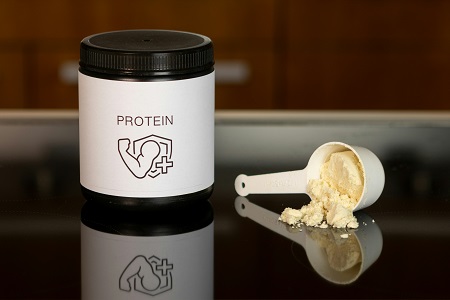
In the realm of nutrition, protein supplements have gained significant popularity among fitness enthusiasts and individuals aiming to enhance their dietary intake. The primary forms of protein supplements include whey, casein, soy, egg, and plant-based proteins. Each type presents unique benefits and potential drawbacks.
Whey protein, derived from milk, is perhaps the most widely known supplement. It boasts a complete amino acid profile and is quickly absorbed by the body, making it ideal for post-workout recovery. However, individuals with lactose intolerance may experience digestive distress when consuming whey. On the other hand, casein protein is absorbed slowly, providing a longer-lasting release of amino acids, which may be beneficial before bedtime.
Soy protein serves as an excellent alternative for vegans or those allergic to dairy. It contains all essential amino acids and may support heart health due to its isoflavones. Yet, some individuals may have concerns about soy’s phytoestrogen content affecting hormonal balance. For those preferring non-dairy options, pea protein has emerged as a popular choice. It is hypoallergenic and rich in essential amino acids, making it a good supplement for vegetarians.
While protein supplements can be beneficial, it is essential to determine when their use is necessary. For many individuals, especially those with a well-rounded diet rich in whole food sources like lean meats, dairy, legumes, and nuts, protein supplementation may not be required. However, athletes experiencing higher protein demands, those recovering from injuries, or individuals on calorie-restricted diets may find supplements helpful in meeting their protein intake goals.
In conclusion, understanding the variety of protein supplements available and their respective benefits can assist individuals in making informed dietary choices. While they can complement a diet, they should not replace whole food sources which provide additional nutrients beyond protein alone.
Dietary Protein for Specific Lifestyles: Athletes, Vegetarians, and More
Protein serves as a fundamental building block for the body, playing a vital role in growth, repair, and overall bodily function. However, the necessary intake of protein can vary significantly among different lifestyles and dietary choices. Understanding these unique requirements is essential for individuals looking to optimize their nutritional intake.
Athletes, for instance, require a higher protein intake to support muscle recovery and growth. Engaging in high-intensity training increases the demand for protein to repair muscle fibers that sustain damage during workouts. For athletes, a daily intake of 1.2 to 2.0 grams of protein per kilogram of body weight is recommended. Incorporating protein-rich foods such as lean meats, dairy, eggs, and plant-based sources can help athletes meet their requirements effectively.
In contrast, vegetarians and vegans may face challenges in obtaining sufficient protein, as their dietary choices often limit access to traditional protein sources. Vegetarians can enhance their protein intake through dairy products and eggs, while vegans must rely on a variety of plant-based proteins. Foods such as legumes, lentils, chickpeas, quinoa, and tofu provide substantial amounts of protein. It is critical for individuals following these diets to be conscious of combining protein sources, perhaps consuming rice and beans together, to ensure they receive all essential amino acids.
For those with additional dietary restrictions or health conditions, such as people with lactose intolerance or gluten sensitivity, it is crucial to select protein-rich alternatives that align with their needs. Consultation with a healthcare provider or registered dietitian can yield personalized strategies for integrating adequate protein into their diets while respecting their individual restrictions.
In conclusion, tailoring protein intake based on lifestyle choices is crucial for achieving optimal health. By understanding personalized protein strategies, individuals can enhance their diet, meet their nutritional needs, and support their overall well-being.
Tips for Incorporating More Protein into Your Diet
Increasing your protein intake can significantly enhance your overall health and wellness. Here are several practical strategies to ensure that protein becomes a key component of your daily meals.
Firstly, consider meal planning. By preparing your meals ahead of time, you can intentionally include protein-rich foods. Incorporate lean meats like chicken or turkey, fish, eggs, legumes, and dairy products into your meal prep. This not only simplifies the cooking process but also allows you to control portion sizes and ensure a balanced intake of nutrients.
Secondly, healthy snacks can play a crucial role in meeting your protein goals. Instead of reaching for sugary or processed snacks, opt for nut butter, Greek yogurt, cottage cheese, or protein bars. These options not only provide a quick source of protein but also keep you satiated between meals. Keep these healthy snacks readily available at home or work to avoid low-protein temptations.
Exploring cooking techniques can also offer new ways to increase protein in your diet. For instance, when preparing sauces or salads, consider adding quinoa or other protein-rich grains. Additionally, incorporating beans or lentils into soups and stews can enhance both flavor and protein content. By experimenting with diverse cooking methods, you can creatively boost your meals with protein sources.
Furthermore, utilizing protein powders or supplements can be beneficial, especially for individuals who struggle to meet their nutritional requirements through food alone. These can be added to smoothies, baked goods, or oatmeal, providing an easy way to increase protein without altering your diet significantly.
Incorporating protein into your diet does not have to be a daunting task. By strategically planning your meals, opting for nutritious snacks, experimenting with cooking methods, and considering supplements, you can make protein a priority and enjoy its numerous health benefits.

