


Introduction to a Balanced Diet
A balanced diet is a dietary approach that provides the necessary nutrients our bodies need to function effectively. This type of diet emphasizes the consumption of a variety of foods from all food groups, ensuring that individuals receive adequate amounts of vitamins, minerals, proteins, fats, and carbohydrates. Understanding the concept of a balanced diet is essential, as it plays a critical role in maintaining overall health and well-being.
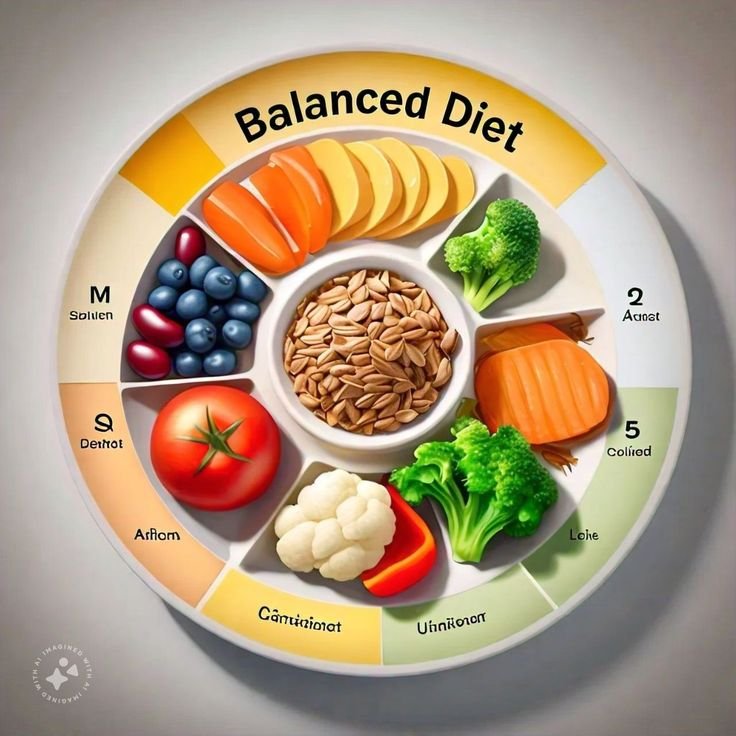
At its core, a balanced diet consists of fruits, vegetables, whole grains, lean proteins, and healthy fats. These components are crucial for promoting optimal bodily functions, supporting the immune system, and reducing the risk of chronic diseases. Moreover, a balanced diet aids in maintaining a healthy weight, enhancing energy levels, and improving mental clarity.
Despite its significance, many misconceptions surrounding diets persist. Individuals often equate dieting with strict restrictions or eliminate entire food groups, which can lead to nutritional deficiencies and an unhealthy relationship with food. In reality, a balanced diet encourages moderation and the inclusion of all food types in appropriate portions. This approach fosters healthier eating habits and sustainable lifestyle changes as opposed to quick fixes that may not yield long-term benefits.
Additionally, it is vital to recognize that nutritional needs can vary greatly among individuals, influenced by factors such as age, gender, activity level, and specific health conditions. Therefore, understanding one’s unique dietary requirements is paramount in achieving and maintaining a balanced diet. By embracing the idea of balance rather than restriction, individuals can enjoy a diverse array of foods while still prioritizing their health and wellness goals.
The Core Components of a Balanced Diet
A balanced diet is crucial for maintaining optimal health, and it consists of several core components that contribute to overall well-being. Understanding these components—macronutrients, micronutrients, and hydration—can empower individuals to make informed dietary choices.
Macronutrients are the primary building blocks of a balanced diet and include carbohydrates, proteins, and fats. Carbohydrates are the body’s main source of energy, fueling physical activity and brain function. They are found in foods such as grains, fruits, and vegetables. Meanwhile, proteins play a vital role in growth, tissue repair, and the production of enzymes and hormones. Sources of protein include meat, dairy, legumes, and nuts. Lastly, healthy fats, which can be sourced from avocados, olive oil, and fatty fish, support cellular function, nutrient absorption, and provide a concentrated energy source.
While macronutrients are essential, micronutrients—comprising vitamins and minerals—are equally important for supporting various body functions. Vitamins assist in processes such as energy production and immune function, while minerals contribute to bone health, nerve transmission, and muscle contraction. A diverse diet rich in fruits, vegetables, whole grains, and lean proteins can help ensure adequate intake of these micronutrients.
Hydration is another critical element of a balanced diet, as water supports every bodily function, from temperature regulation to digestion. The amount of water needed can vary depending on factors such as age, gender, and physical activity level, but general recommendations suggest a minimum of eight 8-ounce glasses (about 2 liters) daily. Incorporating this essential component is key to maintaining health and preventing dehydration.
In conclusion, achieving a balanced diet requires attention to macronutrients, micronutrients, and adequate hydration. Understanding the interplay of these components can facilitate healthier food choices and contribute to improved overall health outcomes.
Understanding Macronutrients
Macronutrients are fundamental components of our diet and play crucial roles in energy production and overall bodily functions. There are three primary macronutrients: carbohydrates, proteins, and fats. Each of these macronutrients serves distinct functions and comes from various food sources.
Carbohydrates are a vital source of energy and should constitute approximately 45-65% of daily caloric intake. They can be classified into simple and complex forms. Simple carbohydrates, found in fruits and processed foods, provide quick energy but lack essential nutrients. On the other hand, complex carbohydrates, available in whole grains, legumes, and vegetables, offer sustained energy and include dietary fiber, which is essential for digestive health.
Proteins are essential for muscle growth, tissue repair, and the production of enzymes and hormones. Recommended intake for proteins is about 10-35% of daily calories. Quality protein sources include lean meats, fish, dairy, legumes, and nuts. Additionally, the amino acids in proteins are necessary for various bodily functions, emphasizing the importance of incorporating a variety of protein sources into one’s diet.
Fats, often misunderstood, are necessary for energy storage, hormonal balance, and protecting vital organs. Recommended fat intake should be around 20-35% of total daily calories. Healthy fat sources include avocados, nuts, seeds, olive oil, and fatty fish. It is paramount to distinguish between healthy unsaturated fats and unhealthy saturated and trans fats, which can contribute to chronic diseases.
To achieve a balanced diet, it is essential to understand the recommended intake ratios of these macronutrients and select appropriate sources to ensure all nutritional needs are met effectively. A comprehensive understanding of macronutrients will not only support energy levels but also contribute to holistic health and wellness.
The Importance of Micronutrients
Micronutrients, encompassing vitamins and minerals, play a pivotal role in maintaining overall health and well-being. Unlike macronutrients, which provide energy, micronutrients are essential for numerous physiological functions, including growth, immunity, and cellular function. Their significance cannot be overstated, as they contribute to processes ranging from the synthesis of hormones to the repair of tissues.
Vitamins are organic compounds that typically enable biochemical reactions in the body. For instance, Vitamin C aids in collagen production and enhances the absorption of iron, while B vitamins are vital for energy metabolism and brain function. Minerals, on the other hand, are inorganic elements required in smaller amounts, but are equally important. Minerals such as calcium and phosphorus are crucial for bone strength, while potassium helps regulate fluid balance and muscular contraction.
Sourcing adequate amounts of micronutrients is key to preventing deficiencies, which can lead to serious health issues. For example, a deficiency in Vitamin D can result in weakened bones and increased risk of fractures, while lacking iron can cause anemia, leading to fatigue and lethargy. In particular populations, such as the elderly or pregnant women, the risk of nutrition-related deficiencies may be elevated due to various factors such as decreased food intake or increased nutritional demands.
To achieve a balanced intake of these vital nutrients, it is recommended to consume a diverse diet, including fruits, vegetables, whole grains, nuts, and lean proteins. Each food group contributes different vitamins and minerals, thereby providing a comprehensive range of nutrients vital for sustaining health. Focusing on variety not only enhances nutrient intake but also promotes dietary enjoyment and adherence.
Food Groups and Recommended Servings
A balanced diet encompasses a variety of food groups, each contributing essential nutrients required for optimal health. Understanding the recommended servings for each group can greatly assist individuals in achieving dietary balance.
Fruits and vegetables should form a substantial part of your daily intake, ideally making up half of your plate at each meal. Aim for at least five servings of a mix of colorful fruits and vegetables daily. These foods provide vital vitamins, minerals, and fiber. Consider incorporating different types such as leafy greens, berries, and citrus fruits to enhance nutrient diversity.
Grains, particularly whole grains, are another cornerstone of a balanced diet. It is recommended that whole grains account for at least a quarter of daily food intake, roughly about six servings. Options such as brown rice, quinoa, and whole wheat bread not only provide energy but also critical nutrients including B vitamins and minerals.
Dairy products or dairy alternatives also play a crucial role, recommended at about three servings per day. These foods are important sources of calcium and vitamin D, which are vital for bone health. Non-dairy alternatives like almond milk or soy yogurt can be suitable substitutes, ensuring they are fortified with these nutrients.
Proteins should be incorporated into each meal, with a recommendation of about two to three servings daily. Lean meats, fish, eggs, and plant-based proteins such as beans, lentils, and nuts should be prioritized. These foods are essential for muscle repair and overall bodily function.
Lastly, healthy fats should not be overlooked. Incorporating moderate amounts of fats from sources like avocados, olive oil, and nuts is beneficial. Aim for about five servings of fats each day, keeping in mind to choose unsaturated fats whenever possible to support heart health.
Creating a Balanced Meal Plan
Developing a balanced meal plan is an essential aspect of maintaining a healthy diet. A well-structured meal plan not only ensures that the body receives adequate nutrition but also helps in managing portion sizes, reducing food waste, and saving time and money.
To begin crafting a balanced meal plan, it is beneficial to outline the key components that should be incorporated into each meal. A balanced meal typically includes a variety of food groups: fruits, vegetables, whole grains, protein, and healthy fats. By including diverse options from these groups, you create meals that are not only nutritious but also satisfying and enjoyable.
Sample meal ideas might include oatmeal topped with berries and a sprinkle of nuts for breakfast, a quinoa salad with mixed vegetables and grilled chicken for lunch, and a dinner of baked salmon with steamed broccoli and brown rice. Snacks can be simple yet nutritious, such as hummus with carrot sticks or a piece of fruit with a handful of almonds.
Grocery shopping plays a critical role in the success of your meal plan. Before heading to the store, take the time to create a shopping list based on the meals you have planned. This will help you avoid impulse buys and ensure that you have all the necessary ingredients on hand. When selecting produce, aim for seasonal fruits and vegetables, as they are generally fresher and more flavorful. Additionally, consider buying whole grains and protein sources in bulk, which can be more cost-effective.
Above all, remember the principles of variety and moderation in your dietary choices. Incorporating different foods not only makes meals more appealing but also provides a broader range of nutrients that support overall health. Balancing indulgent foods with nutrient-dense options allows for a flexible and sustainable approach to eating.
Common Mistakes to Avoid
When striving to adopt a balanced diet, individuals often stumble upon several common mistakes that can hinder their progress toward optimal health. One major pitfall is extreme dieting, where individuals significantly restrict their caloric intake or eliminate entire food groups. This approach is not only unsustainable but can also lead to nutritional deficiencies, metabolic slowdown, and disordered eating patterns. Instead, aiming for moderation, where all food groups are included but in appropriate proportions, is essential for long-term success.
Another frequent error is skipping food groups. Many diets advocate for the exclusion of carbohydrates or fats, which are vital for our bodies. Carbohydrates, for example, are the primary source of energy, particularly for our brains and muscles. On the other hand, healthy fats contribute to improved heart health and aid in the absorption of fat-soluble vitamins. It is crucial to recognize that balance does not equate to deprivation but rather to the thoughtful selection of a variety of foods that provide nutrients.
Reliance on processed foods is another significant concern. Packaged and convenience foods often contain high amounts of added sugars, unhealthy fats, and sodium, which can negatively impact health when consumed excessively. Choosing whole, minimally processed foods such as fruits, vegetables, whole grains, lean proteins, and healthy fats can promote a well-rounded diet. Educating oneself on reading food labels and making informed choices is vital in navigating the overwhelming number of processed food options available.
By avoiding these common dietary mistakes and focusing on a balanced, varied diet, individuals can enhance their nutritional intake, improve overall health, and foster sustainable eating habits.
The Role of Lifestyle in a Balanced Diet
The concept of a balanced diet extends beyond mere dietary choices; it embodies the intricate relationship between an individual’s lifestyle and their nutritional intake. One of the most significant lifestyle factors that influence dietary choices is the level of physical activity. Individuals with higher activity levels often find themselves requiring more energy-dense foods, which can lead to a more balanced intake if healthy options are chosen, such as whole grains, lean proteins, and healthy fats. Conversely, a sedentary lifestyle may prompt individuals to gravitate towards more calorie-dense, nutrient-poor foods, undermining their dietary balance.
Cooking habits also play a crucial role in maintaining a balanced diet. Cooking at home enables individuals to control their ingredients and portion sizes, resulting in healthier meal options. Those who frequently dine out or rely on processed foods may encounter challenges in ensuring their meals are nutritionally balanced. Knowledge of cooking techniques and meal preparation can empower individuals to create healthier dishes that align with a balanced diet framework, emphasizing the importance of fresh vegetables, fruits, and whole foods.
Social influences further shape dietary patterns. Family, friends, and cultural traditions can dictate food preferences and consumption habits. Participating in communal meals can encourage a diverse array of foods, which can be beneficial for achieving a well-rounded diet. However, social obligations may sometimes lead to overconsumption of unhealthy options, particularly in celebratory settings. Practicing mindfulness while eating—being aware of one’s hunger cues and the flavors of food—can mitigate these pitfalls and promote better dietary choices, supporting the principles of a balanced diet.
Conclusion: Embracing Balance for Health
To truly understand the essence of a balanced diet, one must recognize its profound impact on overall health and well-being. A balanced diet is not merely a collection of foods but rather a harmonious blend of nutrients that supports bodily functions, bolsters immunity, and promotes sustainable energy levels. It is essential to appreciate that achieving balance in one’s diet is a journey rather than a destination. Gradual changes, rather than drastic overhauls, often yield more sustainable results.
As individuals reflect upon their current eating habits, they should evaluate the diversity of their meals. Incorporating a wide array of fruits, vegetables, whole grains, proteins, and healthy fats is crucial. Each food group plays a vital role in maintaining health; for instance, fruits and vegetables are rich in antioxidants and essential vitamins, whereas proteins contribute to muscle repair and growth. By diversifying one’s diet, it becomes easier to meet recommended nutrient intakes and support overall physical and mental health.
Moreover, the psychological aspect of eating should not be overlooked. Embracing a balanced approach also fosters a healthier relationship with food, allowing individuals to enjoy their meals without guilt. It encourages mindfulness in eating practices, leading to slower consumption and greater enjoyment of the intrinsic flavors of nutritious foods.
In closing, the pursuit of a balanced diet is a lifelong endeavor that requires patience and continuous reflection. By making incremental changes and embracing a wide range of nutritious foods, individuals can pave the way for enduring health benefits. Each step taken towards a balanced diet is an investment in one’s health, enhancing quality of life and fostering a stronger, healthier future.

