

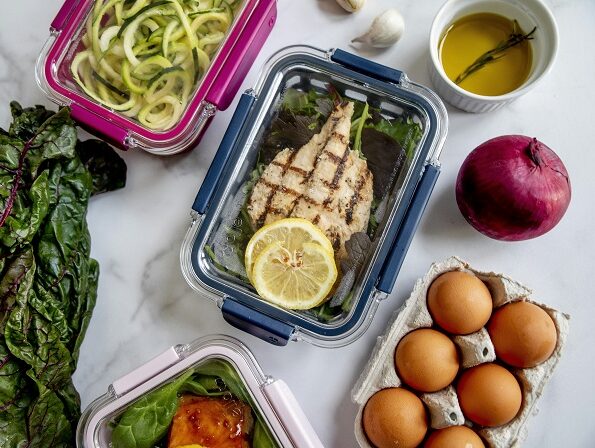

Introduction to Meal Prep
Meal preparation, commonly referred to as meal prep, is an organized approach to planning and preparing meals in advance, typically for the week ahead. This strategic method offers numerous benefits that enhance both health and lifestyle. First and foremost, meal prep saves time, allowing individuals to efficiently allocate their days by minimizing the need for last-minute cooking. By dedicating a couple of hours on the weekend for meal prep, one can effortlessly enjoy home cooked meals throughout the week.
In addition to time savings, meal prep also promotes healthier eating habits. By preparing meals in advance, individuals are less likely to resort to unhealthy options such as fast food or processed snacks. Instead, they can create balanced meals that align with their nutritional goals. Having pre-portioned meals at hand makes it easier for individuals to adhere to their dietary restrictions or preferences, ultimately improving their overall health.
Another significant advantage of meal prepping is its role in reducing food waste. By planning meals ahead, one can buy only the necessary ingredients, ensuring that food is used efficiently and minimizing spoilage. This not only supports a more sustainable lifestyle but also contributes to cost savings over time, as buying in bulk often reduces the overall grocery bill.
In summary, the practice of meal prep can profoundly transform your weekly meals. It instills a sense of organization, encourages healthier choices, and contributes to a more sustainable approach to eating. As individuals become more accustomed to this lifestyle, they may discover that meal prep is not merely a chore but a beneficial routine that enhances their daily life.
Benefits of Meal Prepping
Meal prepping offers a myriad of advantages that significantly contribute to a healthier lifestyle. One of the key benefits is improved nutrition. By preparing meals in advance, individuals can plan and control their dietary intake, ensuring they include a balance of macronutrients and micronutrients. This proactive approach to meal preparation encourages the use of whole, fresh ingredients, allowing for healthier choices that might otherwise be overlooked during a hectic week.
In addition to the nutritional enhancements, meal prepping can lead to substantial cost savings. By purchasing ingredients in bulk and preparing weekly meals, people can reduce food waste and avoid the high costs associated with takeout or dining out. Planning meals allows for better budgeting, as individuals are less likely to make impulse purchases that can strain finances.
Convenience is another significant advantage of meal prepping. In today’s fast-paced world, it can be challenging to find time to cook daily. By dedicating a few hours on the weekend to prepare meals, individuals can save time throughout the week. Having pre-prepared meals readily available eliminates the daily stress of cooking and encourages adherence to healthy eating habits. With meals organized and stored efficiently, one can simply grab a nutritious option rather than resorting to unhealthy fast food options when time is pressed.
Moreover, meal prepping fosters intentional eating habits. It encourages planning and mindfulness regarding choices and portion sizes, ultimately contributing to weight management and overall well-being. In essence, incorporating meal prepping into a weekly routine offers benefits that extend beyond convenience and savings, influencing healthier lifestyles and improved eating practices.
Planning Your Weekly Menu
Planning a weekly menu is an essential step in meal preparation that not only promotes healthier eating habits but also saves time and reduces food waste. Begin by selecting a variety of recipes that include proteins, carbohydrates, and healthy fats. This balanced approach ensures that each meal provides the necessary nutrients for optimal body function. When choosing recipes, consider dietary preferences and restrictions among those who will be consuming the meals, as this can influence your ingredient selection.
Next, it is crucial to determine appropriate portion sizes. A helpful guideline is to fill half of your plate with vegetables, a quarter with protein, and a quarter with whole grains or complex carbohydrates. This method supports a well-rounded meal that satisfies hunger without excessive caloric intake. Additionally, utilizing measuring tools such as kitchen scales or measuring cups can help maintain these portion sizes more accurately, ensuring that each serving aligns with dietary goals.
To keep your menu varied and exciting, explore themes for different days of the week—such as Meatless Monday, Taco Tuesday, or Stir-Fry Friday. This not only introduces new ingredients but also makes meal times something to look forward to. Incorporating seasonal fruits and vegetables can also enhance variety, as they tend to be more flavorful and cost-effective. Keeping a list of go-to recipes allows for easy swaps when needed, enabling flexibility while still adhering to your meal planning framework.
Lastly, allocate some time at the beginning of each week to evaluate your previous menu’s successes and failures. This reflection can provide insights into what worked well and what may need modification, ultimately refining your meal preparation process for improved results in the future.
Essential Meal Prep Tools and Containers
Effective meal preparation is crucial for maintaining a balanced diet and saving time throughout the week. The right tools and containers can significantly streamline the process and help keep ingredients fresh. To begin with, meal prep containers are a must-have. Opt for BPA-free plastic or glass containers in various sizes to accommodate different types of meals, from salads to hearty dinners. Look for containers with airtight seals to preserve freshness and prevent spills during transportation.
In addition to meal prep containers, a kitchen scale can greatly enhance accuracy in portion control. This is particularly important for individuals who are calorie counting or tracking macronutrients. A digital kitchen scale is preferable, as it offers precise measurements and often has the option to measure in both grams and ounces. This tool will ensure that you are preparing the right portion sizes, thus aiding in effective meal planning.
Utensils also play a significant role in meal prep efficiency. Consider investing in a good set of knives for chopping and dicing vegetables and proteins. Additionally, a cutting board and various cooking utensils, such as spatulas, tongs, and measuring cups, can streamline the cooking and serving processes. For those who prefer to have their meals ready-to-go, a lunch box with compartments can also be handy for separating different food items.
Lastly, for those looking to save even more time, a slow cooker or an Instant Pot can be game-changers. These appliances allow for hands-off meal preparation and can cook a variety of dishes in one pot, minimizing cleanup. Utilizing these essential meal prep tools and containers will not only foster a smoother cooking experience but also pave the way toward healthier eating habits throughout the week.
Easy and Healthy Meal Prep Recipes
Meal prepping is an effective strategy for maintaining a healthy lifestyle while saving time during the week. Here are some easy and healthy meal prep recipes suitable for breakfast, lunch, and dinner, accommodating various dietary preferences.
Breakfast Options: Start your day with nutritious meal prep breakfast bowls. Consider overnight oats, which can be customized with fruits, nuts, and seeds. Simply mix rolled oats with your choice of milk or yogurt, add berries and a drizzle of honey, and let it sit overnight. Another option is egg muffins. Whisk eggs with spinach, bell peppers, and feta cheese, pour the mixture into muffin tins, and bake. These can be stored in the fridge for quick reheating.
Lunch Ideas: For a healthy lunch, quinoa salad is an excellent choice. Combine cooked quinoa with chickpeas, diced cucumbers, tomatoes, and parsley, and dress with olive oil and lemon juice. This dish is not only filling but also provides a plethora of nutrients. For those leaning toward a low-carb option, grilled chicken with roasted vegetables can be prepared in bulk and stored in containers for easy access throughout the week.
Dinner Selections: A stir-fry is a versatile dinner option that is both quick to prepare and packed with flavor. Using a variety of seasonal vegetables and lean proteins such as tofu or shrimp, you can create a balanced meal. Prepare a batch of brown rice or cauliflower rice to serve alongside. Another hearty meal is a slow-cooked stew, which can be made with lentils or beans for a plant-based option or beef for meat lovers. This can be portioned out for several days.
These easy and healthy meal prep recipes can help you stay on track with your nutrition goals while simplifying your week ahead. By accommodating different dietary preferences, you ensure that everyone can enjoy satisfying and wholesome meals.
Batch Cooking Techniques
Batch cooking is an efficient method of meal preparation that can greatly simplify your weekly cooking routine. By dedicating a few hours each week to prepare larger quantities of food, you can ensure that healthy meals are readily available throughout the week. This approach not only saves time but also reduces food waste and encourages mindful eating.
One effective technique in batch cooking is cooking grains and legumes in bulk. Grains such as brown rice, quinoa, and bulgur can be prepared in large quantities and stored in airtight containers in the refrigerator. These versatile ingredients can serve as a base for various dishes, such as salads, grain bowls, or side dishes. Similarly, cooking legumes like lentils, chickpeas, or black beans in advance allows for easy incorporation into soups, stews, or wraps.
Another crucial component of batch cooking is the preparation of proteins. Cooking proteins such as chicken, beef, fish, or tofu in larger portions can significantly reduce cooking time during busy weekdays. Once cooked, these proteins can be divided into individual portions and frozen or stored in the refrigerator. This method not only saves time but also facilitates the creation of balanced meals when combined with pre-prepared grains and vegetables.
To ensure that the foods you prepare remain fresh and maintain their flavor over the week, proper storage is vital. Invest in high-quality, airtight containers that can be used for refrigeration or freezing. For the best results, label your containers with the contents and the date they were prepared, allowing you to track freshness and rotation. By implementing these batch cooking techniques, you can streamline your meal preparation process, making nutritious eating accessible and convenient throughout your busy week.
Storage Tips for Meal Prepped Meals
Proper storage of meal prepped meals is crucial for maintaining their freshness and ensuring food safety. The first step is to store meals in airtight containers. This not only prevents moisture loss but also helps to keep out harmful bacteria. Glass containers are a popular choice as they are durable and can be reheated in the oven or microwave. Additionally, opting for BPA-free plastic containers can also be a safe option for storage.
Refrigeration is essential for meal prepped meals that will be consumed within a week. Typically, meals should be stored in the refrigerator at a temperature below 40°F (4°C) to inhibit bacterial growth. For meals intended for longer storage, consider freezing them. Freezing not only extends the shelf life, enabling meals to be kept for several weeks to even months, but also locks in nutrients.
When freezing meals, ensure they are well sealed to avoid freezer burn, which can affect quality and taste. Use labels on containers or freezer bags to indicate what each meal contains and the date it was prepared. This will help you manage your inventory effectively and minimize the risk of consuming spoiled food.
When it comes time to reheat meals, do so thoroughly. Ideally, use a food thermometer to ensure the internal temperature reaches 165°F (74°C) to kill any potential bacteria. Reheating using a microwave is convenient, but remember to stir food at intervals to ensure even heating. Alternatively, reheating meals in the oven can yield better texture for certain dishes, although it takes longer. Overall, proper storage, labeling, and reheating techniques are key to enjoying meal prepped dishes safely and deliciously.
Incorporating Variety in Meal Prep
Meal prep has become increasingly popular as a method for maintaining a healthy diet and achieving personal wellness goals. However, one common challenge individuals face is the potential monotony that can come with preparing the same dishes repeatedly. To make meal prep a more enjoyable and diverse experience, it is essential to incorporate variety in flavors, ingredients, and cuisines.
One effective strategy for introducing variety is to experiment with herbs and spices. These elements can drastically change the taste profile of a dish without adding excessive calories or unhealthy ingredients. For example, using fresh basil and oregano can impart a Mediterranean flair to a simple chicken dish, while a sprinkle of cumin or chili powder can bring warmth and depth to a vegetable stir-fry. Incorporating a range of these flavor-enhancing components will not only keep meals exciting but also broaden one’s palate.
Another method to add diversity is by exploring different cuisines. Each cuisine offers a unique array of ingredients and preparation methods. For instance, swapping standard pasta with whole grain or legume-based options can introduce a new texture and nutritional profile, while also allowing for creative sauces and toppings. Barbecue flavors can be integrated into roasted vegetables, or Asian-inspired sauces can give a fresh twist to traditional proteins like tofu or chicken.
Additionally, varied cooking methods such as grilling, steaming, or baking can alter the sensory experience of the meal. Consider grilling vegetables for a smoky flavor or steaming them to maintain their nutrient density and vibrant colors. These approaches not only keep the meal prep process engaging but also promote the consumption of a wide array of foods, ultimately enhancing health benefits.
By intentionally incorporating variety into meal prep routines, individuals can create healthful, diverse, and satisfying meals throughout the week. This approach not only helps avoid the pitfalls of monotony but also fosters a deeper appreciation for different foods and cooking techniques.
Conclusion and Final Tips
Meal prepping is a practical and effective strategy to ensure a healthier week. By dedicating time to prepare meals in advance, individuals can significantly streamline their eating habits, leading to improved nutrition and better adherence to dietary goals. Beyond mere convenience, meal prep fosters a deeper understanding of food choices and portion control, empowering individuals to make informed decisions regarding their meals. It is essential for readers to recognize that experimenting with different ingredients, flavors, and cooking techniques can elevate their meal prep experience.
To maximize the benefits of meal prepping, consider the following final tips for success. Start small by selecting just a few meals to prep each week, gradually expanding as you become more comfortable. Invest in high-quality containers to keep your meals fresh and organized, making it easier to grab and go when you’re pressed for time. Additionally, planning your meals around seasonal produce can provide both flavor and variety, which is vital for maintaining enthusiasm in your culinary endeavors.
Furthermore, keep your freezer stocked with staples and prepared meals, as this will save time and reduce stress when unexpected events arise. In terms of motivation, remember that each successful meal prep session is a step toward better health, so celebrate your progress, no matter how small. The difference that meal prepping can make in one’s lifestyle is profound, not only enhancing physical well-being but also improving overall quality of life by prioritizing nutritious meals. Take the plunge into meal prepping, and commit to making this change for a healthier week ahead.

