


Understanding Basic Cooking Techniques
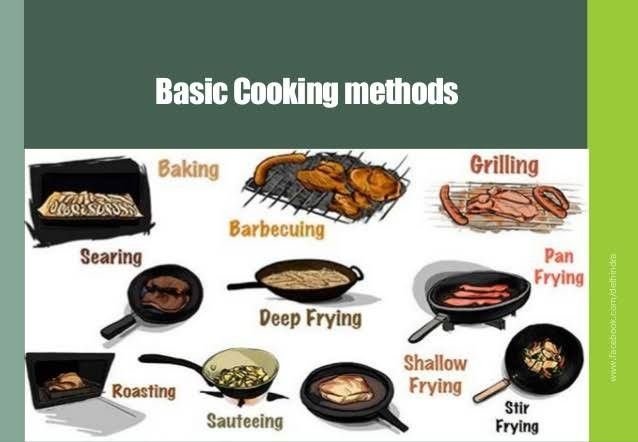
Mastering essential cooking techniques is critical for any beginner wishing to enhance their culinary skills. Understanding how to fry, boil, bake, and grill will provide a solid foundation for countless recipes and cooking adventures.
Frying is typically used for preparing foods quickly at high temperatures. This method is suitable for a variety of ingredients, from meats to vegetables. When frying, it is important to select the right oil; typically, oils with high smoke points like canola or vegetable oil work best. To get started, ensure that your oil is hot enough before adding the food to achieve a crispy texture.
Boiling is a straightforward technique where food is submerged in boiling water, making it an ideal method for cooking pasta, rice, or vegetables. This technique not only cooks food evenly but also helps in the preservation of nutrients if done correctly. A key tip for beginners is to salt the water before boiling, which enhances the flavor of the food. When boiling, always keep an eye on the cooking time to avoid mushy results.
Baking is a method that uses dry heat in an oven. This technique is essential for making breads, cakes, and casseroles. It allows for even cooking and can create a delightful outer crust while keeping the interior moist. Beginners should ensure their oven is preheated and follow recipes carefully to maintain the right temperature and cooking duration.
Grilling involves cooking food over direct heat, usually on a grill or barbecue, imparting a distinct smoky flavor. This method is perfect for meats, fish, and vegetables. For beginner grillers, it is advisable to marinate or season foods beforehand to enrich flavors and prevent sticking. Monitoring the heat levels and learning how to manage flare-ups effectively will enhance the grilling experience.
By familiarizing themselves with these basic cooking techniques, beginners will be armed with the skills necessary to explore more advanced culinary practices with confidence.
Kitchen Equipment Essentials
For beginners venturing into the world of cooking, having the right kitchen equipment is paramount. The tools and utensils not only enhance the cooking experience but also ensure efficiency and safety in the kitchen. Here are some essential items that every novice cook should consider acquiring:
Knives: A good quality chef’s knife is the cornerstone of any kitchen. It is versatile enough for chopping, slicing, and dicing a variety of ingredients. Additionally, including a paring knife and a serrated knife can cover most cutting tasks. When selecting knives, look for those with comfortable grips and durable blades made from high-carbon stainless steel.
Pots and Pans: Investing in a set of pots and pans is crucial for beginners. A heavy-bottomed sauté pan, a saucepan, and a stockpot are typically sufficient. Non-stick skillets can be particularly useful for cooking delicate foods like eggs or pancakes. Ensure that the materials are suitable for your cooking style, with options ranging from stainless steel to cast iron, depending on your needs.
Measuring Cups and Spoons: Precision is key in cooking, as improper measurements can lead to unsatisfactory results. A set of dry measuring cups and liquid measuring cups, alongside measuring spoons, are essential for accurate ingredient quantities. Look for clear, durable materials that are easy to read and handle.
Cutting Boards: To maintain kitchen hygiene and protect your knives, a durable and stable cutting board is indispensable. Opt for boards made of wood or plastic, avoiding glass, as these can dull your knives quickly. Consider having multiple boards to prevent cross-contamination between different food types, especially when prepping raw meats and vegetables.
Investing in quality kitchen equipment will serve you well in the long run, making your culinary journey both enjoyable and efficient. As you gain experience, you can expand your collection, but starting with these essentials will provide a solid foundation for your cooking endeavors.
Ingredient Knowledge: Fresh vs. Packaged
Understanding the differences between fresh and packaged ingredients is essential for anyone looking to improve their cooking skills. Fresh ingredients are typically brimming with flavor and nutrients, which can significantly enhance the overall quality of your dishes. For instance, fresh vegetables and herbs often have richer tastes and aromas compared to their packaged counterparts. When selecting fresh produce, it is crucial to look for items that are vibrant in color, firm to the touch, and free from blemishes or bruises. Additionally, purchasing in-season fruits and vegetables can lead to a more flavorful and cost-effective meal.
On the other hand, packaged ingredients offer convenience and longer shelf life. They can be beneficial for busy individuals or those who may not have access to or the time for frequent trips to the grocery store. Packaged items, like frozen vegetables or pre-cooked grains, can save time and effort in meal preparation. However, it is important to read labels carefully, as some packaged foods may contain preservatives, added sugars, or sodium that can detract from their nutritional value.
Storage plays a significant role in maintaining the quality of both fresh and packaged ingredients. Fresh ingredients should generally be stored in a cool, dry place or the refrigerator, depending on the item. This helps to preserve their taste and texture. Packaged ingredients should also be stored according to the manufacturer’s instructions; for example, dry items should be kept in a cool, dark cupboard. By understanding how to select and store both fresh and packaged ingredients, beginners can significantly improve their cooking outcomes, leading to healthier and more delicious meals.
Reading Recipes with Confidence
For those embarking on the culinary journey, understanding how to read recipes is a foundational skill that can simplify the cooking process. A good recipe serves as a roadmap to success in the kitchen, guiding the cook through the necessary steps and ensuring enjoyable outcomes. The first step in recipe comprehension is to familiarize oneself with its key components: ingredients, measurements, cooking times, and techniques.
Ingredients are typically listed at the beginning of a recipe and can usually be categorized into main components and seasonings. It is crucial for beginners to take note of the quantities required for each ingredient, as these will directly impact the flavor and texture of the dish. Precision is especially important in baking, where ratios can spell the difference between success and failure.
Next, measurements can be presented in various formats: cups, tablespoons, teaspoons, ounces, or grams. Beginners should get comfortable with converting measurements and using tools such as measuring cups and kitchen scales. This practice will not only enhance precision but also open doors to international recipes that may use various measurement systems.
Cooking times are another essential element, often indicated alongside each step of the preparation process. They guide cooks in managing their time effectively, ensuring that each component is cooked to perfection. It can be beneficial to set timers as specified in the recipe, as this helps maintain focus and prevents overcooking.
Finally, techniques are crucial for executing recipes properly. Terms such as ‘sauté’, ‘fold’, or ‘bake’ each have specific meanings that influence the final result. Beginners are encouraged to familiarize themselves with common culinary terminology and methods through practice and research, which will build both skills and confidence.
By breaking down recipes into these components and approaching each step methodically, beginners can alleviate feelings of overwhelm and enjoy the cooking process. Following recipes with an informed mindset will pave the way for successful cooking experiences and inspire exploration in the kitchen.
Measuring Ingredients Accurately
Accurate measurement of ingredients is a critical skill in cooking. It lays the foundation for successful recipes, ensuring consistency in flavor and texture. The significance of precision becomes particularly apparent when baking, where chemical reactions hinge on the correct proportions of ingredients. A slight deviation can result in unsatisfactory outcomes, highlighting the importance of mastering measurement techniques.
There are two primary systems of measurement used in cooking: the imperial and metric systems. The imperial system, commonly utilized in the United States, employs units such as cups, ounces, and teaspoons. Conversely, the metric system, which is widely embraced globally, uses liters, grams, and milliliters. Understanding the differences and when to use each system is crucial, particularly when following international recipes or converting measurements.
To ensure accuracy, professional chefs and home cooks alike often invest in quality measuring tools. A digital kitchen scale is invaluable for precise weight measurements, allowing for adjustments in recipe composition as needed. Measuring cups, available in both dry and liquid varieties, provide convenience, while measuring spoons offer standardized sizes for smaller quantities. Each tool has its specific use; therefore, familiarizing oneself with their applications will enhance overall cooking effectiveness.
Best practices for measuring involve leveling off dry ingredients like flour or sugar with a straight edge to prevent excess, while liquid ingredients should be read at eye level to avoid inaccuracies. Moreover, a common mistake many beginners make is packing ingredients, especially with brown sugar, which can lead to an incorrect amount. It is advisable to consult measurement conversion charts when necessary, as this practice can alleviate confusion and ensure the right quantities are used.
Food Safety and Hygiene Practices
Maintaining food safety and hygiene is crucial for anyone embarking on their cooking journey. Proper handwashing is the first step in preventing foodborne illnesses. It is essential to wash your hands with soap and warm water for at least 20 seconds before handling any food, especially after using the restroom, touching raw meat, or coming into contact with pets. This simple practice significantly reduces the risk of contamination attributed to harmful bacteria.
Another fundamental aspect of food safety is understanding safe food storage temperatures. Perishable foods, such as meats, dairy products, and cooked dishes, should be stored at temperatures below 40°F (4°C) to inhibit the growth of bacteria. It is advisable to invest in a good food thermometer to ensure that your cooked food reaches a safe internal temperature, typically 165°F (74°C) for poultry and 145°F (63°C) for whole cuts of beef, pork, and lamb.
Avoiding cross-contamination is another critical practice in a safe cooking environment. Always use separate cutting boards for raw meats and other foods, such as vegetables and fruits. Furthermore, utensils and surfaces that have come into contact with raw meat should be thoroughly cleaned before being used with other food items. This practice not only prevents the transfer of harmful pathogens but also helps maintain the integrity of the flavors in your dishes.
Keeping a clean workspace is essential in food preparation. Regularly sanitize your kitchen surfaces, including countertops and cutting boards, with appropriate cleaning agents. Additionally, be mindful of food scraps and spills, as they can attract pests and lead to contamination. By adhering to these food safety and hygiene practices, novice cooks can ensure a more enjoyable and safe cooking experience.
Cooking Times and Temperature Basics
Cooking times and temperatures are fundamental aspects of culinary practice that can significantly affect the outcome of a dish. Understanding these two elements helps home cooks achieve the best results in flavor, texture, and overall quality. Precisely timing your cooking process is essential to avoid undercooking or overcooking ingredients, both of which can lead to unsatisfactory meals.
Utilizing timers is one of the most effective ways to manage cooking times accurately. A good kitchen timer allows cooks to focus on multiple tasks without worrying about forgetting crucial cooking times. Different cooking methods require varying durations. For example, boiling vegetables usually takes less time than slow-roasting meats. It is essential to familiarize oneself with the approximate cooking times of various foods to ensure they are prepared properly.
Internal meat temperatures are crucial indicators of doneness, especially for poultry, pork, and beef. Each type of meat has a recommended safe cooking temperature to eliminate harmful bacteria while retaining moisture and tenderness. For instance, ground beef should reach an internal temperature of at least 160°F, while chicken should be cooked to a minimum of 165°F. Investing in an instant-read thermometer can simplify this process, allowing you to check the temperature accurately.
Moreover, adjusting cooking times and temperatures for different methods—such as baking, grilling, steaming, or frying—is necessary for optimal results. Each approach affects the heat distribution and cooking speed. When switching from one method to another, be prepared to modify cooking durations, potentially leading to trial and error before finding the perfect technique for a specific recipe.
Understanding the basics of cooking times and temperatures enables beginners to navigate their culinary journey with greater confidence and precision, ultimately enhancing their home-cooked meals’ outcomes.
Garnishing and Presentation Tips
For beginners venturing into the culinary world, the art of food presentation is an essential skill that can elevate any meal. Proper garnishing not only enhances the aesthetic appeal but also showcases your effort in the kitchen, encouraging you to take pride in every dish you serve. Here are some valuable tips on how to present your meals beautifully.
Start with a clean canvas by choosing appropriate plating styles. Select plates that complement the food you are serving; for example, white plates provide a neutral background that makes colorful dishes stand out. Consider the size and shape of your plate, as larger plates can make smaller portions seem insignificant, while smaller plates can help create an intimate dining experience.
When it comes to garnishing, fewer is often better. Simple touches such as fresh herbs, edible flowers, or a drizzle of sauce can significantly elevate the visual appeal of a dish. Chopping herbs finely and sprinkling them lightly over a dish adds a touch of freshness, while strategically placed items can guide the eye and create a sense of balance. Try to incorporate textures as well; for instance, a sprinkle of toasted nuts or crispy elements can add intrigue and dimension to your presentations.
Creating height on the plate can also enhance visual interest. Layering ingredients or stacking items can give the plate a dynamic look. Moreover, thoughtful color combinations can transform a simple meal into a feast for the eyes. Aim for contrasting colors to add excitement; vibrant vegetables can enhance even the most basic dishes.
Ultimately, making your food look good is about taking the time to arrange it thoughtfully. As you continue to practice these garnishing techniques and plating styles, you will find your presentations improving, and with it, your confidence in the kitchen. Your meals will not only taste good but look appealing as well, making the dining experience enjoyable for everyone involved.
Experimenting and Developing Your Cooking Style
For those new to the culinary world, the kitchen can sometimes feel intimidating. However, embracing experimentation is essential for beginner cooks who wish to develop their unique cooking style. Each time you step into the kitchen, you have the opportunity to try something new, whether it be a different technique, a bold flavor profile, or an unfamiliar ingredient. This willingness to experiment fosters both creativity and confidence in your cooking endeavors.
One of the primary benefits of attempting new recipes is that it allows beginners to broaden their culinary horizons. By following a variety of recipes from different cultures or styles, you can gain insights into diverse cooking methods and ingredient combinations. For instance, trying out a traditional Italian pasta dish can teach you valuable skills in sauce preparation, while a simple stir-fry can introduce you to the art of balancing flavors and textures. Each recipe serves as a stepping stone to understanding the complexity of cooking.
Improvisation also plays a critical role in developing your personal cooking style. When you feel comfortable making substitutions based on available ingredients, you begin to understand how flavors work together. For example, if a recipe calls for basil but you only have parsley, experimenting with this substitution can yield unexpected yet delightful results. This freedom to adapt recipes according to your taste preferences creates a cooking experience that is both enjoyable and fulfilling.
Moreover, reflecting upon what you enjoy eating can significantly guide your culinary journey. Keeping a cooking journal to note successful dishes, favorite ingredients, and new flavors you want to explore can help in shaping your cooking style. In doing so, you not only document your growth as a cook but also create a personalized reference that encourages continuous learning.

