

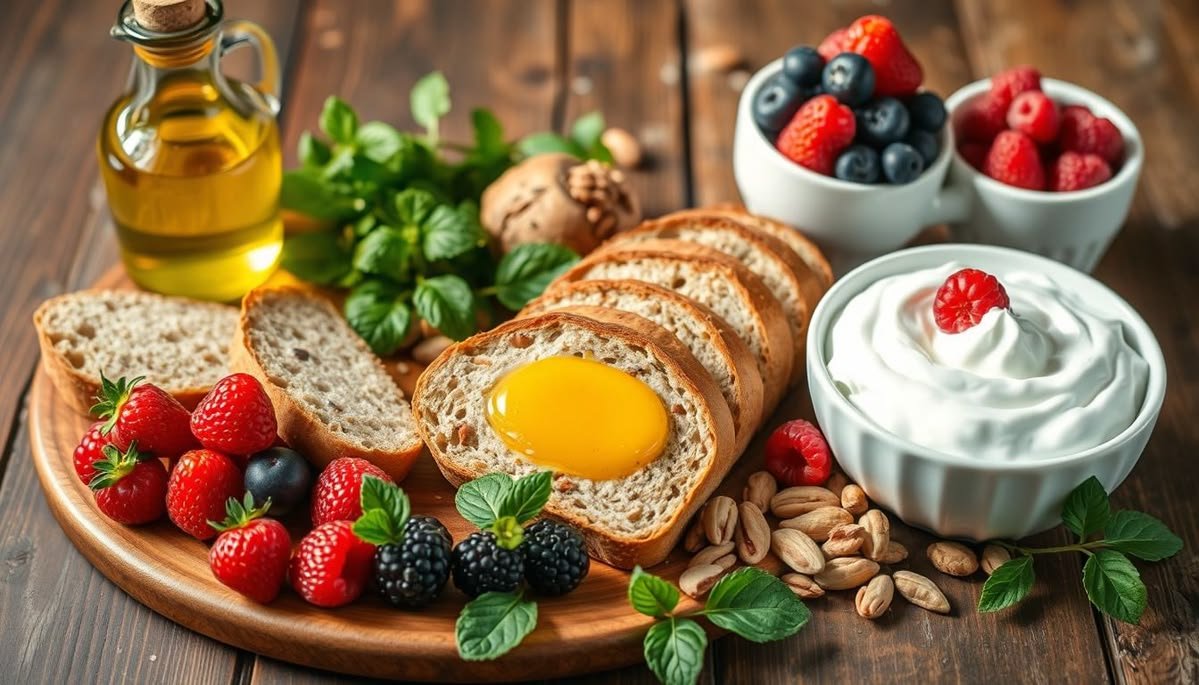

Introduction to Healthy Cooking
Healthy cooking encompasses various practices and techniques aimed at creating meals that promote well-being and support a balanced diet. The significance of healthy cooking cannot be overstated, as it plays a critical role in maintaining an optimal state of health. By preparing meals at home, individuals can choose fresh, high-quality ingredients, regulate portion sizes, and minimize the use of unhealthy additives, which are often found in pre-packaged meals and fast food options.
Cooking at home allows for a greater variety of wholesome ingredients, including fruits, vegetables, whole grains, lean proteins, and healthy fats. These components are essential for providing the nutrients necessary for the body to function effectively. Furthermore, engaging in the cooking process can encourage individuals to develop a better understanding of food, fostering a positive relationship with what they consume. This type of conscious eating is crucial in making informed choices about one’s diet.
Moreover, home-cooked meals can be tailored to meet specific dietary requirements or personal preferences, making healthy eating more accessible and enjoyable. The benefits extend beyond nutrition; preparing meals at home often leads to improved mental health by serving as a creative outlet, and it can promote social connections when sharing meals with family and friends. Additionally, cooking at home typically represents a cost-effective alternative compared to dining out, allowing individuals to allocate resources more wisely.
In summary, healthy cooking is an essential practice that not only enhances dietary quality but also contributes to overall well-being. By prioritizing home-cooked meals with wholesome ingredients, individuals can cultivate healthier habits, improve their health outcomes, and create lasting connections to their food and those with whom they share it.
Choosing the Right Ingredients
Selecting the right ingredients is essential for effective cooking, particularly when striving for a wholesome diet. The foundation of healthy meals largely depends on the quality and nutritional value of the ingredients used. Begin with fresh produce; prioritize seasonal fruits and vegetables, as they tend to be more flavorful and nutrient-dense. Visiting local farmers’ markets can be an excellent way to access fresh selections while supporting local agriculture.
When shopping, pay close attention to the color, firmness, and general appearance of the fruits and vegetables. Opt for whole grains, such as quinoa, brown rice, and whole wheat pasta, which offer more nutrients and fibers than their refined counterparts. They contribute positively to overall dietary health by promoting digestion and providing sustained energy levels.
Incorporating lean proteins is also crucial for a balanced diet. Options like skinless poultry, fish, legumes, and tofu serve to build and repair body tissues efficiently. When selecting meat, consider grass-fed or organic varieties, which are often higher in omega-3 fatty acids and lower in harmful additives.
Healthy fats should not be overlooked in ingredient selection. Sources such as avocados, nuts, seeds, and olive oil can enhance flavor and aid in the absorption of fat-soluble vitamins. Ensure to read food labels carefully; look for products with fewer ingredients, avoiding those with artificial additives and preservatives. Lastly, when contemplating organic versus non-organic options, recognize that while organic produce can minimize pesticide exposure, both options can be part of a healthy diet if balanced correctly.
Meal Planning and Preparation
Meal planning and preparation play a crucial role in maintaining a wholesome diet and promoting healthier eating habits. By organizing one’s meals for the week, individuals can ensure they incorporate a variety of nutrients while also managing portion sizes and minimizing food waste. Effective meal planning begins with a thorough understanding of personal dietary preferences, nutritional needs, and any restrictions that may influence food choices.
To begin, dedicate some time each week to outline the meals for the upcoming days. This can include breakfast, lunch, dinner, and snacks. A helpful method is to create a simple chart or list that organizes meals by day, which can simplify the grocery shopping process. When planning, consider using seasonal produce and whole grains to enhance nutritional value while keeping the meals interesting.
Batch cooking is another effective strategy that can save both time and effort during the week. Preparing larger portions of nutritious meals allows for easy reheating on busy days, ensuring that healthy options are always accessible. Dishes such as soups, stews, and casseroles not only freeze well but also often taste better after sitting for a day, as the flavors meld together. Additionally, when batch cooking, it is advisable to divide the meals into individual containers to facilitate portion control.
Moreover, preparing ingredients in advance can be a game-changer. Chopping vegetables, marinating proteins, and pre-cooking grains or legumes can streamline the cooking process on hectic days. Storing pre-prepared ingredients in clear, labeled containers in the refrigerator ensures they are easily accessible and ready for use, which can equally encourage healthier cooking choices.
By making meal planning and preparation a regular part of your routine, you naturally cultivate a healthier lifestyle. An organized kitchen and a clear meal strategy can minimize the likelihood of impulse eating and reliance on convenience foods, thus fostering positive dietary habits.
Healthy Cooking Techniques
When it comes to preparing nutritious meals, the cooking techniques employed can make a significant difference. Various methods not only affect the flavor of the food but also play a crucial role in preserving essential nutrients. This section will explore several healthy cooking techniques, including steaming, grilling, roasting, and sautéing, detailing their benefits for a wholesome diet.
Steaming is one of the most beneficial cooking methods, as it helps retain the vitamins and minerals found in vegetables and other foods. By using steam, the cooking temperature is controlled, eliminating the need for excess oils that can add unnecessary calories. Steamed vegetables maintain their vibrant colors and crisp textures, making them visually appealing and delicious. Additionally, this technique allows for the natural flavors of the food to shine without overpowering them.
Grilling is another popular technique that enhances flavor while promoting health. Cooking food at high temperatures reduces the cooking time, which helps preserve nutrients. Grilling meats, fish, and vegetables can create a delightful smoky flavor, encouraging the consumption of more lean proteins and vegetables. Furthermore, grilling allows excess fat to drip away from the food, contributing to a healthier meal overall.
Roasting is a versatile method that adds rich flavors to vegetables and proteins while requiring minimal added fats. This technique involves cooking food at higher temperatures in the oven. Roasted vegetables develop caramelization, producing deeper, sweeter flavors, which can help in reducing the need for added sugars or fats. Including roasted items in one’s diet can promote the intake of various nutrients, as many vegetables, when roasted, maintain their health properties.
Finally, sautéing, particularly with small amounts of healthy oils or broth, serves as an excellent method for cooking meats and vegetables quickly while preserving their texture and flavor. This method allows for the infusion of spices and aromatics, which can enhance overall taste without compromising health. Care should be taken to ensure that food is not overcooked, as this can lead to nutrient loss.
Spices and Herbs for Flavor
Incorporating spices and herbs into your cooking can significantly elevate the flavor of your dishes while also providing numerous health benefits. These natural ingredients carry potent antioxidants, anti-inflammatory properties, and a wealth of vitamins and minerals, contributing positively to a wholesome diet. Unlike traditional seasonings such as salt or sugar, herbs and spices allow you to enhance the taste of your meals without adding extra calories or unhealthy components.
Using herbs like basil, cilantro, and parsley can add freshness and vibrant flavor profiles to salads, soups, and grain dishes. Similarly, spices such as cumin, paprika, and turmeric can introduce depth and richness to stews, stir-fries, and marinades. The health benefits associated with these ingredients are numerous; for example, turmeric is renowned for its anti-inflammatory and antioxidant benefits, while cinnamon may aid in regulating blood sugar levels.
To effectively incorporate these flavor-enhancers into your everyday meals, consider keeping a variety of dried herbs and spices within easy reach in your kitchen. Fresh herbs can be kept in a small pot on your windowsill, adding not only flavor but also a decorative touch to your space. Begin by experimenting with different combinations and quantities to discover what works best with your palate. Using herbs and spices as a primary source of flavor can lead to greater satisfaction from meals while keeping the overall health quotient of your diet intact.
In summary, the strategic use of spices and herbs can transform ordinary meals into extraordinary culinary experiences. Embrace these healthy alternatives to seasoning to enhance your cooking, support your nutritional goals, and stimulate your taste buds.
Portion Control and Balanced Meals
Understanding portion sizes is a vital aspect of maintaining a healthy diet. Portion control refers to the practice of managing the amount of food consumed at a single eating session. Once individuals familiarize themselves with appropriate serving sizes, they are better equipped to create meals that are not only satisfying but also nutritionally balanced. A balanced meal typically includes a combination of proteins, carbohydrates, and healthy fats, all of which contribute to overall well-being.
Protein, for instance, is essential for muscle repair and growth, while carbohydrates serve as the body’s primary energy source. Healthy fats, found in foods such as avocados, nuts, and olive oil, are crucial for brain health and hormone regulation. As a key component of portion control, individuals should aim for a balanced plate approach, where roughly half of the plate is filled with vegetables, a quarter with whole grains, and a quarter with lean protein. This visual guide helps in achieving a harmonious distribution of nutrients.
Listening to one’s hunger cues plays a significant role in effective portion control. It involves acknowledging physical signs of hunger and fullness, which can help individuals avoid overeating. Developing mindfulness around eating habits allows one to respond to bodily signals rather than external cues, such as portion sizes served on a plate. This conscious approach to eating can contribute to better weight management and overall health.
Ultimately, practicing portion control and ensuring balanced meals can lead to healthier eating patterns. By adopting these strategies, people can enjoy a diverse range of foods while promoting a nutritious and wholesome diet. Managing portions not only influences physical health but also fosters a more mindful relationship with food.
Snacking Smart
Incorporating healthy snacks into your daily diet can significantly enhance your overall nutrition and help maintain energy levels. Smart snacking involves selecting foods that not only satisfy your hunger but also contribute positively to your health. To achieve a balanced and nutritious diet, opt for snacks rich in nutrients such as proteins, healthy fats, and fiber.
When considering quick and easy snack ideas, fresh fruits like apples, bananas, or berries are excellent options. They are not only delicious but also provide essential vitamins and antioxidants. Pairing fruits with a source of protein, such as a handful of nuts or a dollop of yogurt, can further increase satiety and energy. Vegetables like carrots, celery, or bell peppers with hummus or guacamole serve as another nutritious choice, keeping cravings at bay while offering a satisfying crunch.
To avoid mindless snacking, it is crucial to plan ahead. Allocate specific times for your snacks rather than reaching for food whenever you feel bored or distracted. Keeping healthy snacks visible and accessible can encourage better choices over processed options. Avoid purchasing snacks high in sugar, sodium, or unhealthy fats, as these may lead to energy crashes and cravings later in the day.
Staying mindful of portion sizes can significantly impact the overall effectiveness of your snacking strategy. Pre-portioning snacks into small containers or bags can help control intake and prevent overeating. Additionally, consider incorporating whole grains, such as whole-grain crackers or rice cakes, which can serve as a valuable base for various toppings, enhancing the nutritional profile of your snacks. By making these conscious choices, you can promote a wholesome diet that fuels your body efficiently throughout the day.
Staying Hydrated
Hydration plays a critical role in maintaining overall health and wellness. It is essential not only for bodily functions but also for enhancing cooking efficacy and flavor. A well-hydrated body supports digestion, nutrient absorption, and temperature regulation. Consequently, ensuring adequate fluid intake is indispensable for anyone pursuing a wholesome diet.
Incorporating hydration into meals can be achieved through a variety of methods. One effective approach is to integrate broths, stocks, or water-rich vegetables, such as cucumbers and tomatoes, into your dishes. These ingredients not only add flavor but also increase the water content of your meals. Additionally, soups and stews provide an excellent base for incorporating more fluids into a diet, especially during colder months.
Herbal teas and infused waters are excellent alternatives for individuals seeking hydration without added sugars found in many beverages. Herbal teas, which may include flavors such as peppermint, chamomile, or rooibos, offer a range of health benefits, including soothing digestive issues or promoting relaxation, making them a useful addition to meals or snacks. Infused waters, created by adding fruits, herbs, or vegetables to plain water, lend subtle flavors and make drinking fluids more appealing. Ingredients such as lemon, mint, or berries not only enhance taste but also provide vitamins and antioxidants, contributing to overall health.
Moreover, it is advisable to listen to your body’s thirst signals and ensure to replenish fluids lost during physical activities or hot weather. A consistent habit of drinking water throughout the day can aid in sustaining optimal body function, thus reinforcing the importance of staying hydrated as a pillar of a healthy lifestyle.
Conclusion and Inspirational Resources
In conclusion, adopting healthy cooking habits is essential for maintaining a wholesome diet and promoting overall well-being. Throughout this blog post, we have explored various tips and strategies that can easily be integrated into your daily life, enabling you to prepare healthier meals without sacrificing flavor or enjoyment. From utilizing fresh ingredients to experimenting with nutritious cooking techniques, the potential for transforming your meals lies at your fingertips.
To further assist you on your journey towards healthier cooking, a variety of resources are available. Cookbooks such as “The Complete Mediterranean Cookbook” and “Thug Kitchen: Eat Like You Give a F*ck” provide a wealth of recipes that emphasize whole foods and balanced nutrition. Additionally, websites like EatingWell and Food52 offer valuable articles, recipes, and meal planning tips that can inspire and guide you in the kitchen.
Moreover, consider enrolling in local cooking classes or online workshops, which can enhance your culinary skills and broaden your understanding of nutrition. Many community centers and health-focused organizations host classes aimed at teaching healthy cooking methods tailored for various dietary preferences. These interactive experiences can foster a deeper connection to the food you prepare and consume.
By taking advantage of these resources and embracing the principles of healthy cooking, you can cultivate a more nutritious and satisfying diet. Remember, the journey to better health begins with the choices you make in the kitchen, and each meal is an opportunity to nourish your body and mind. Start small and gradually incorporate these tips into your routine, allowing yourself the chance to explore the vast world of healthy cuisine.

