
Introduction to Meal Prep for Busy Lifestyles
In today’s fast-paced society, the concept of meal preparation, or meal prep, has emerged as a vital strategy for individuals adhering to busy lifestyles. This practice involves planning, organizing, and preparing meals in advance, allowing for a more efficient approach to daily nutrition. With the increasing demand for convenience and the availability of numerous food options, meal prepping has become a popular solution to myriad challenges faced by busy individuals and families.
The benefits of meal prep are manifold. Firstly, one of the core advantages is the significant time savings it delivers. By dedicating a few hours on weekends or designated days to cook and portion meals, individuals can effectively eliminate the daily hassle of cooking from scratch, thereby reducing time spent in the kitchen during the week. This becomes especially beneficial for those with tight schedules, such as professionals or parents juggling multiple responsibilities.
Moreover, meal prepping can lead to substantial cost savings. Frequently eating out or relying on ready-made meals often translates to higher grocery bills. With meal prep, individuals can plan their grocery shopping around specific recipes, allowing them to purchase only what they need and minimize food waste. This not only aids in budgeting but also encourages healthier eating patterns by creating meals that align with dietary goals and preferences.
Lastly, meal prep alleviates the stress that often accompanies daily meal planning and cooking. Knowing that nutritious and delicious options are readily available at home can greatly reduce the anxiety tied to meal times, fostering a calmer environment for everyone involved. These benefits combined underscore the importance of meal prepping as an essential practice for those looking to navigate their busy lifestyles more effectively.
The Basics of Effective Meal Prep
Meal prepping is an efficient way to save time and ensure healthy eating, especially for individuals with busy lifestyles. The first step towards successful meal prep is planning your meals for the week. Begin by jotting down your favorite recipes and consider incorporating a variety of proteins, vegetables, and grains. This variety not only enhances nutritional value but also prevents meal fatigue. Aim for a balance of macronutrients incorporating lean proteins, whole grains, and an assortment of colorful vegetables.
Once meals are planned, the next step is selecting the right tools and containers for meal storage. Investing in high-quality, leak-proof containers can greatly improve your meal prep experience. Glass containers are generally preferable as they are microwave-safe, durable, and do not retain odors or stains. Additionally, consider using labels to mark each container with its contents and preparation date, which will help in keeping track of freshness.
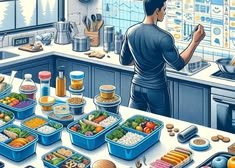
Setting aside dedicated time for meal prep is crucial. Many people find a couple of hours on the weekend sufficient to prepare meals for the upcoming week. During this time, you can batch-cook grains like quinoa or brown rice, roast a mix of vegetables, and prepare proteins such as chicken or tofu. Furthermore, chopping vegetables in advance can save significant time on busy weekdays. It is beneficial to create an organized workflow; for example, cooking items with longer preparation times first while the rest are cooking simultaneously.
To begin with meal prepping, identify a few simple recipes that you enjoy and can prepare in bulk. Gradually expand your repertoire as you become more comfortable with the process. Meal prep is not only about convenience; it also fosters healthier eating habits, reduces food waste, and allows for strategic budget management when purchasing groceries.
Meal Prep Tips for Beginners
Meal prepping can seem daunting for beginners, but with a few foundational strategies, anyone can master this valuable skill. To start, it’s essential to begin small. Begin with prepping just a few meals for the week rather than attempting to cook every meal in advance. This approach allows you to assess your preferences and gradually build your confidence in the kitchen.
Selecting easy-to-make recipes is another critical step for those new to meal prep. Look for meals that require minimal ingredients and simple cooking techniques. Think of recipes that can be easily doubled or tripled, such as casseroles, stir-fries, or soups. Choosing dishes that store and reheat well will make it easier to enjoy your meals throughout the week without compromising flavor or texture.
Moreover, organization is vital in the meal prep process. Designate a specific day and time each week for your meal prep activities, making it a part of your routine. Gather all necessary ingredients and tools before starting to prevent interruptions. Consider organizing ingredients in clear containers labeled with their names and expiration dates, simplifying the cooking process and reducing food waste.
Additionally, investing in quality storage containers can make a significant difference. Opt for containers in various sizes that are microwave and dishwasher safe. This choice not only facilitates easy reheating but also encourages organized storage in your refrigerator. By employing these foundational strategies, beginners can ease into meal prepping with confidence. Ultimately, the goal is to create meals that not only save time but also promote a healthier eating lifestyle.
Quick and Easy Meal Prep Recipes
For busy individuals, preparing healthy meals in advance can streamline daily routines and reduce the stress associated with eating on the go. Here are three quick and easy meal prep recipes that are not only nutritious but also incredibly simple to prepare and store.
1. Chickpea Salad
Ingredients: 2 cans of chickpeas, 1 cucumber (diced), 1 bell pepper (diced), 1/4 cup red onion (finely chopped), 1/4 cup parsley (chopped), juice of 1 lemon, and salt to taste.
Preparation: Rinse and drain the chickpeas, then mix all the ingredients in a large bowl. Toss well to combine and season to your preference. This salad can be stored in the refrigerator for up to 5 days in an airtight container, making it an ideal option for quick lunches or snacks.
2. Vegetable Stir-fry
Ingredients: 2 cups mixed vegetables (broccoli, carrots, bell peppers), 1 tablespoon soy sauce, 1 tablespoon olive oil, and cooked quinoa or brown rice.
Preparation: In a large pan, heat the olive oil over medium heat, then add the mixed vegetables. Stir-fry for about 5-7 minutes until tender-crisp. Add the soy sauce and stir to combine. Serve over cooked quinoa or brown rice. This dish can be stored in individual containers for up to a week, providing a filling meal option for busy days.
3. Overnight Oats
Ingredients: 1 cup rolled oats, 2 cups almond milk, 1 tablespoon chia seeds, and your choice of toppings (fruits, nuts, honey).
Preparation: In a mason jar or container, combine oats, almond milk, and chia seeds. Stir well, and let it sit in the refrigerator overnight. In the morning, add your favorite toppings before enjoying. These overnight oats can be prepared in advance for up to 4 days, providing a nutritious breakfast option.
These quick meal prep recipes not only fit into a busy lifestyle but also promote healthy eating habits, ensuring that you can enjoy homemade meals throughout the week with minimal effort.
Make-Ahead Breakfast Ideas
For individuals with busy schedules, preparing breakfast in advance can be a game changer. By dedicating just a short amount of time per week for meal prep, you can enjoy nutritious breakfast options without the morning rush. Here are several convenient ideas for a make-ahead breakfast that promise both flavor and health benefits.
One popular option is overnight oats. This simple yet flexible breakfast can be customized with various ingredients. Start by combining rolled oats with a liquid of your choice, such as almond milk or yogurt, in a jar. Add toppings like chia seeds, honey, or fresh fruits, then refrigerate overnight. In the morning, you will have a wholesome meal ready to grab and go, high in fiber and protein that keeps you satiated until lunch.
Another excellent make-ahead option is egg muffins. These baked egg treats can be made in batches and stored in the refrigerator for several days. Simply whisk together eggs and your choice of vegetables, cheese, and meats, then pour the mixture into a muffin tin. Bake until set and allow them to cool before storing. These muffins are portable and can be eaten cold or warmed up, providing a hearty start to your day.
For those who prefer smoothies, smoothie packs provide a fantastic solution. Prior to the week, prepare bags of pre-portioned fruits, vegetables, and healthy add-ins like spinach or protein powder. When you are ready to enjoy your smoothie, simply dump the contents of the pack into a blender with your preferred liquid and blend until smooth. This strategy ensures you receive essential vitamins and minerals at breakfast quickly.
Implementing these make-ahead breakfast ideas into your weekly routine not only saves time but also promotes healthier eating habits. Preparing meals in advance allows you to attain a greater balance in your diet, making it easier to maintain your health even during the busiest weeks.
Lunch and Dinner Meal Prep Options
Meal prep is an effective strategy for busy individuals who wish to maintain a nutritious diet while saving time during the week. For lunch and dinner, various convenient options can be prepared in advance, allowing for flexibility and health-conscious choices.
One popular option for meal prep is grain bowls. These bowls are versatile and can include a base of quinoa, brown rice, or farro, topped with a mix of roasted vegetables, fresh greens, and your favorite protein source, such as grilled chicken, tofu, or chickpeas. By preparing large batches of each component, individuals can quickly assemble their meals to suit their taste preferences while ensuring they have a balanced dish.
Salads are another excellent meal prep choice. By using sturdy greens like kale or spinach, salads can last several days in the refrigerator without wilting. Incorporating ingredients such as cherry tomatoes, cucumbers, nuts, and legumes adds flavor and nutrition. It is advisable to store the dressing separately until mealtime to keep the salad fresh. Lining up different salad combinations helps maintain variety throughout the week, making it easier to stay on track with healthy eating.
Protein-rich options, like baked chicken thighs or seared salmon, can be cooked in bulk and quickly reheated for meals. These proteins can be paired with sides like steamed vegetables or sweet potatoes, providing a filling and nutritious dinner. Preparing sauces or marinades beforehand can enhance the flavor and make soon-to-be meals more enjoyable.
In conclusion, meal prepping lunch and dinner options can significantly simplify the busy lives of individuals. With a little planning and organization, meals such as grain bowls, salads, and protein-rich dishes can be enjoyed throughout the week, ensuring that health considerations remain a priority despite a hectic schedule.
Snacks to Prep Ahead of Time
In today’s fast-paced world, healthy snacking has become increasingly important for individuals who wish to maintain a balanced diet while on the go. By preparing snacks ahead of time, busy people can ensure they have access to nutritious options that align with their health goals. This practice not only saves time during hectic days but also reduces the likelihood of reaching for unhealthy alternatives.
One effective strategy is to cut and store fresh vegetables such as carrots, cucumbers, bell peppers, and celery. These vegetables offer a plethora of vitamins and minerals, and when prepped in advance, they become convenient grab-and-go items. Pairing these veggies with a healthy dip, such as hummus or Greek yogurt, can boost flavor and nutrients, making them an appealing choice for any time of day.
Energy bites are another fantastic option for those looking to prepare snacks ahead of time. These no-bake treats can be made using oats, nut butter, honey, and a variety of mix-ins such as seeds, nuts, or dried fruit. Energy bites are nutrient-dense and provide a quick energy boost, making them ideal for busy individuals needing a pick-me-up. Preparing a batch at the start of the week ensures a steady supply of these rewarding snacks that can fit easily into any bag or lunch box.
Lastly, portioned nuts and seeds provide a powerhouse of protein and healthy fats that can keep hunger at bay. Measuring out single servings in small containers or bags makes them incredibly easy to grab when hunger strikes. These snacks not only satisfy cravings but also contribute to overall wellness when consumed in moderation.
Storage Solutions for Meal Prepped Foods
Effective storage solutions are crucial for maintaining the quality and freshness of meal prepped foods. First and foremost, choosing the right containers is essential. Glass containers are a popular option due to their durability and non-reactive nature, which helps preserve the flavors and nutrients of the food. They are safe to use in the microwave and dishwasher, making them convenient for daily use. Alternatively, sturdy plastic containers also serve well, particularly for freezer storage, as they prevent freezer burn when sealed properly.
When selecting containers, ensure that they are airtight to inhibit the growth of bacteria and prolong freshness. Invest in various sizes to accommodate different meal portions—this allows for optimal use of space in both the refrigerator and freezer. Additionally, consider using vacuum-sealed bags for long-term storage, as they can help to keep foods fresh while minimizing exposure to air.
Labeling your containers is another best practice that can enhance organization and ensure food safety. Clearly marking the contents alongside the date of preparation helps to manage your inventory effectively and avoid waste. Use an erasable marker on washable tape or specialized labels, allowing for easy updates as you rotate through your meals.
Proper refrigerating and freezing methods are fundamental in maintaining meal prepped food safety. When storing meals in the refrigerator, aim to consume them within three to four days to ensure they remain safe to eat. For meals intended for longer storage, freezing is an excellent preparation method. Make sure to cool down food to room temperature before placing it in the freezer to prevent condensation, which can lead to ice crystals and flavor loss. Additionally, try to use freezer bags to create flat packages, allowing for easier stacking and quicker thawing.
Staying Motivated with Meal Prep
Maintaining the motivation to consistently practice meal prepping is essential for busy individuals who wish to adopt a healthier lifestyle. One effective method for sustaining motivation is to introduce variety into your meal planning. By experimenting with different recipes, flavors, and ingredients, you can prevent your meals from becoming monotonous. This includes trying out new proteins, grains, and vegetables that are in season, ensuring that your meal prep remains engaging and satisfying.
Updating your recipes based on seasonal produce is another strategy that can enhance your meal prep experience. Seasonal ingredients are often fresher and more flavorful, providing ample opportunities to create new dishes. For instance, as summer approaches, incorporating vibrant fruits and light vegetables can result in refreshing salads and wholesome grain bowls. Conversely, in the winter months, hearty soups and roasted vegetables can keep meals warm and fulfilling. Adapting your meal prep to align with seasonal changes not only boosts flavor but also supports a sustainable approach to eating.
Additionally, setting clear and achievable goals can significantly boost your commitment to meal prepping. Whether it’s preparing meals for a whole week, trying at least one new recipe weekly, or achieving a certain balance of nutrients, having specific objectives can provide direction and purpose. To further reinforce your motivation, consider establishing a reward system for yourself. This could be as simple as treating yourself to a favorite snack, enjoying a day with no cooking, or investing in new meal prep containers, which can add excitement and novelty to your cooking routine.

