

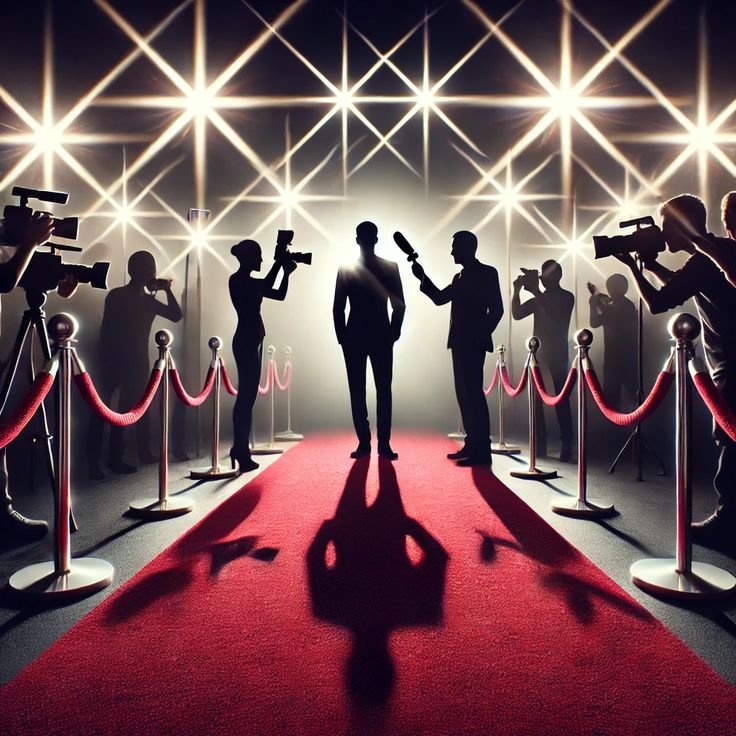

Introduction to Celebrity Culture and Controversies
Celebrity culture encompasses the phenomenon surrounding public figures who garner substantial fame through various platforms, particularly in the realms of entertainment, sports, and social media. This culture has evolved significantly over the decades, especially with the advancement of technology that amplifies the reach and influence of celebrities. Nowadays, the lives of these figures are often chronicled extensively, leading to their every action being dissected and discussed by the public and media alike.
The reasons behind the fascination with celebrities are multifaceted. They are often perceived as symbols of success, beauty, and talent, which resonate deeply with societal aspirations. These public figures not only entertain but also shape social norms and trends, thus impacting public opinion. Celebrities often serve as role models or cautionary tales, influencing everything from fashion to political engagement among their followers. Their statements and behaviors can spark important conversations about various issues ranging from mental health to social justice.
However, the intense scrutiny that accompanies celebrity status can lead to a variety of controversies. Missteps or personal challenges experienced by these individuals are frequently sensationalized, capturing widespread media attention. Whether it be a scandal, a public feud, or misrepresentation in the media, these controversies add layers of complexity to celebrity culture. They not only affect the individuals involved but also have broader implications for the public’s perception of acceptable behavior and values. The cycle of celebrity culture thus perpetuates a paradox: while these figures achieve immense fame, they also face significant backlash when they stray from the often unrealistic standards set by society.
The Role of Social Media in Amplifying Celebrities’ Actions
In contemporary society, the emergence of social media has significantly transformed the landscape of celebrity culture, creating a multifaceted relationship between public figures and their audiences. Platforms such as Twitter, Instagram, and TikTok serve not only as channels for celebrities to connect with fans but also as arenas where their actions and statements are subject to immediate public scrutiny. This dual role has led to an environment where seemingly innocuous remarks or actions can quickly escalate into widespread controversies.
One of the critical features of social media is its ability to facilitate rapid communication. A celebrity’s tweet or post can instantly reach millions of followers, making it an effective tool for engagement. However, the same immediacy can fuel backlash when the content is perceived negatively. For example, a celebrity may face significant criticism for a poorly considered statement that, in a pre-social media era, would have taken days or weeks to garner public attention. This environment places a considerable burden on public figures to be vigilant about their online presence, as their words and actions are continuously monitored and analyzed.
Furthermore, social media often amplifies outrage, with backlash frequently fueled by viral trends. When one user condemns a celebrity’s action, it can lead to a chain reaction of similar sentiments, often resulting in trending hashtags and collective outrage. Notorious incidents include celebrities facing public backlash for tone-deaf comments or representations in their work. The repercussions can be severe, often leading to calls for boycotts, loss of endorsements, and, in some cases, demands for public apologies. Such instances illustrate how social media ensures that celebrity culture is not just about adoration, but is also a landscape fraught with volatility and moral scrutiny.
Cultural Appropriation and Misrepresentation
Cultural appropriation has emerged as a contentious issue within celebrity culture, where public figures often draw from diverse cultural elements. This phenomenon typically raises concerns over commodification, particularly when celebrities adopt styles, symbols, or practices from cultures not their own without proper acknowledgment or respect. A notable instance occurred when a well-known pop artist was criticized for sporting traditional Native American headdresses during a performance, leading to accusations of trivializing sacred cultural symbols. Such actions can prompt significant public backlash, sparking discussions on the broader implications of cultural authenticity and respect.
In addition to cultural appropriation, misrepresentation is another critical aspect that often accompanies celebrity engagement with cultural elements. Celebrities may misrepresent the communities they draw from, either through inappropriate portrayals in media or by perpetuating stereotypes. A recent example is a prominent actress who portrayed a character from a marginalized community, yet her performance was criticized for lacking depth and failing to capture the nuances of that culture. This not only reinforces existing stereotypes but also distorts public perceptions of race and identity.
The ramifications of these controversies are profound, impacting societal understanding of cultural identities and race relations. As celebrities wield considerable influence, their actions often shape perceptions of what is acceptable and respectful regarding cultural exchange. Public discourse surrounding these instances can lead to necessary discussions on the importance of cultural sensitivity and the need for representation that honors the complexities of diverse identities. Engaging with these challenges is crucial for fostering a more inclusive society wherein cultural appreciation does not turn into appropriation.
Scandals Involving Personal Behavior and Legal Troubles
In the world of celebrity culture, scandals involving personal behavior and legal troubles have become increasingly commonplace. High-profile individuals often find themselves at the center of controversy due to criminal activities, substance abuse, and infidelity, all of which can profoundly impact their careers and public perception. One notable case is that of a renowned actor charged with DUI, which not only led to legal repercussions but also triggered a media frenzy that painted a tarnished image of their once-glowing reputation.
Another example includes a musician whose struggle with substance abuse was extensively covered by the press. This artist’s public battles revealed the often-hidden pressures of fame and the subsequent toll it can take on mental health. Despite their musical talent, the scandal caused a significant decline in public favor, highlighting how quickly celebrity distinction can turn into disgrace when faced with personal crises.
Infidelity, too, has been a contentious issue within celebrity circles. For instance, a popular couple involved in a very public fallout after one partner’s infidelity faced immense backlash, not only from fans but also from their peers in the entertainment industry. The implications of such actions reach far beyond their personal lives, affecting endorsements, milestones, and overall brand equity. Accountability in these situations is crucial, as celebrities are often seen as role models, and their actions can influence societal norms and expectations.
As controversies surrounding personal behavior escalate, there emerges an essential conversation about accountability. Public reactions vary widely; some advocate for understanding and rehabilitation, while others demand strict consequences. The duality of public sentiment reflects the complex relationship society has with celebrity culture, raising questions about how much grace should be afforded to individuals whose personal actions directly contradict their public personas.
The Impact of Cancel Culture on Celebrities
Cancel culture has emerged as a formidable force within the realm of celebrity culture, characterized by social media-driven initiatives that call for the boycotting or public ostracism of individuals deemed problematic. This phenomenon often arises in reaction to perceived injustices or offensive behavior, putting significant pressure on celebrities to conform to societal expectations or risk facing severe consequences.
The motivations behind cancel culture are multifaceted. Advocates argue that it serves as a crucial mechanism for accountability, particularly in holding public figures responsible for harmful rhetoric or actions. In a time when social media amplifies voices and movements seeking equity, cancel culture can be perceived as a collective response to long-standing injustices. Conversely, critics contend that this movement can devolve into an overwhelming wave of online hostility, where celebrities may be judged harshly for past mistakes without the opportunity for reflection or growth.
The effectiveness of cancel culture varies widely. For some celebrities, it has resulted in immediate professional repercussions, including loss of endorsements, film roles, and public support. Others, however, have managed to withstand the backlash, sometimes re-emerging stronger or even becoming emblematic of the very cause against which they were initially decried. This divergence raises important questions about the nature of redemption in the public consciousness and the extent to which society is willing to grant forgiveness.
Furthermore, cancel culture invokes significant discourse surrounding freedom of speech. While proponents assert that it embodies a form of expression, detractors argue that it stifles open dialogue, with individuals fearing backlash for voicing unpopular opinions. Thus, this cultural pipeline presents a paradox where the balance between holding celebrities accountable and preserving their freedom to express themselves becomes increasingly tenuous.
Gender Dynamics and Celebrity Controversies
The world of celebrity culture is rife with controversies, many of which are deeply intertwined with gender dynamics. Female celebrities often find themselves navigating a landscape that is markedly different from their male counterparts, confronting unique challenges influenced by societal expectations, sexism, and media scrutiny. These challenges often manifest in how female celebrities are portrayed in the media, leading to damaging narratives around body image and personal agency.
For instance, female actors and musicians are frequently subjected to intense scrutiny regarding their appearances. The pressure to conform to specific beauty standards can result in harsh criticism, impacting their mental health and public perception. In contrast, male celebrities, while they do experience scrutiny, are often afforded more latitude in their appearances and personal choices. This disparity highlights a gendered aspect of celebrity controversies that arguably contributes to the broader societal conversation around sexism.
Furthermore, the narratives constructed around female celebrities often commodify their experiences, reducing them to objects of public lust or ridicule. This commodification is seen in the way stories about their relationships, personal struggles, and decisions are sensationalized. Male celebrities, on the other hand, are often more likely to receive commendation for similar personal achievements or failures, revealing a double standard that persists in the realm of celebrity culture.
Additionally, the lack of agency afforded to female celebrities in controlling their narratives can lead to further complications. Many women in the limelight find themselves battling not only the scrutiny from fans but also from the media, which has historically perpetuated limiting stereotypes. By comparing the experiences of male and female celebrities, we gain a clearer understanding of how gender dynamics shape public perception and the controversies within celebrity culture.
The Influence of Celebrity Endorsements and Political Statements
In contemporary society, celebrity culture has evolved into a robust platform for political activism and social change. Many individuals in the public eye utilize their influence to advocate for various political causes, leveraging their popularity to engage and mobilize their fans. This phenomenon can be observed through numerous instances of celebrities endorsing political candidates or movements, thereby intertwining their personal brands with specific ideologies.
One prominent example is former NFL player Colin Kaepernick, who gained widespread recognition not only for his athletic prowess but also for his staunch stance against racial injustice. His decision to kneel during the national anthem sparked significant dialogue around police brutality and systemic racism in the United States. Kaepernick’s actions elicited both commendation and criticism, illustrating the polarized nature of celebrity activism. His influence has reignited discussions on civil rights, compelling many celebrities to express their views on similar issues, thereby amplifying their voices within the sociopolitical landscape.
Celebrity endorsements can serve as crucial catalysts for social movements. Public figures like Emma Watson and Leonardo DiCaprio have effectively utilized their platforms to advocate for gender equality and environmental conservation, respectively. Such endorsements not only raise awareness but also encourage their audiences to engage in these critical discussions, often translating into tangible actions or changes in public policy. Nevertheless, the intersection of celebrity culture and political statements can also incite backlash, as not all fans resonate with their favorite star’s views. The complexities of this relationship highlight the power and pitfalls of celebrity influence in politics.
In conclusion, the phenomenon of celebrity involvement in political issues presents a dual-edged sword, offering both opportunities for advocacy and risks of public alienation. The ability of celebrities to effect positive change through endorsements and activism underscores the significant role they play in shaping societal narratives and influencing public policy.
Public Reactions and Media’s Role
The interplay between celebrity culture and media is a complex and often contentious one. As celebrities navigate various controversies, the media plays a crucial role in shaping public perception. This dynamic is significantly influenced by phenomena such as sensationalism, media bias, and collective public outrage. Sensationalism often distorts the narratives surrounding celebrity actions, amplifying their mistakes to unprecedented levels. This can lead to a feedback loop, where heightened coverage causes public outrage to escalate, creating a potential for harsher backlash against the celebrity.
Media outlets frequently prioritize stories that attract attention, sometimes sacrificing accuracy for entertainment value. This yields a distorted representation of reality; for instance, a celebrity’s minor misstep can evolve into a national scandal, largely due to exaggerated reporting. Moreover, media bias plays a significant role in how issues are perceived. Different outlets may choose to highlight certain aspects of a controversy while downplaying others, effectively steering public sentiment. For example, while one outlet might frame a celebrity’s actions as a faux pas that deserves understanding, another may label the same action as emblematic of deeper moral failings.
Public outrage following a celebrity’s controversial actions often acts as a catalyst for media narratives. When audiences express strong reactions, either through social media or traditional channels, media outlets respond by intensifying their coverage to satisfy and engage their audience. This can, in turn, reinforce the outrage, instigating a cycle of scrutiny that can contribute to or mitigate the backlash faced by celebrities. The consequences of this interplay can lead to lasting reputational damage or, conversely, celebrity resilience and recovery, depending on the individual’s response and the prevailing media narrative.
Conclusion: Navigating the Complexities of Celebrity Culture
As we have explored throughout this blog post, controversies within celebrity culture serve as a reflection of larger societal issues. From the scrutiny of personal lives to the implications of public figures’ actions, the intersections of celebrity and society reveal a complex web of influence and consequence. These controversies not only attract public attention but also evoke a range of opinions and discussions regarding ethics, morality, and the implications of fame.
The ongoing engagement between celebrities and their audiences highlights the transformative power of social media and traditional media in shaping public perception. This dynamic interaction often leads to an environment where the personal lives of public figures are relentlessly examined and critiqued. Consequently, the consequences for those involved can be profound, impacting their careers, personal relationships, and mental health, which raises important questions about accountability in the public sphere.
Moreover, it is essential to consider the role of the audience in celebrity culture. Fans, critics, and commentators contribute to the discourse surrounding controversies, creating a collective narrative that can either support or dismantle a celebrity’s reputation. Engaging with celebrity news should thus be approached with a mindful consideration of its broader implications. This could include understanding the ethical responsibilities of consuming and disseminating information about individuals in the public eye.
Ultimately, as we continue to navigate the intricacies of celebrity culture, it is important for readers to reflect critically on their own interactions with these narratives. By doing so, we can foster a more informed and empathetic approach to discussions about celebrity controversies, recognizing their impact not just on those who are famous, but on society as a whole. In examining these themes, we encourage ongoing discourse on how public engagement with celebrity culture shapes our understanding of personal and collective morality.

