

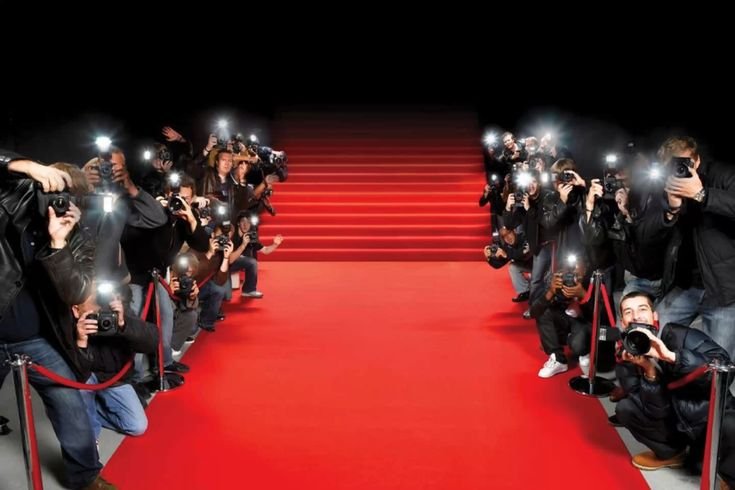

Defining Celebrity Culture
Celebrity culture can be defined as a social phenomenon characterized by the preoccupation of society with the lives of famous individuals, including actors, musicians, athletes, and influencers. This cultural aspect is deeply rooted in the advent of mass media, which has played a pivotal role in shaping public perception and fascination with celebrity figures. The origins of celebrity culture can be traced back to the early 20th century with the rise of Hollywood and cinema; as film gained popularity, so too did the stars who graced the silver screen.
With the emergence of radio and later television, the scope of celebrity life expanded significantly, enabling a broader audience to engage with and idolize public figures. This exposure intensified in the 21st century with the advent of the internet and social media platforms such as Instagram, Twitter, and TikTok. These platforms have not only facilitated the rise of traditional celebrities but have also given birth to a new breed of public figures who achieve fame without conventional paths, often referred to as “social media influencers.”
The transformation from public figure to celebrity has evolved over time, reflecting changes in societal values and norms. For example, in the past, success was often measured by talent and achievement in specific fields. However, today, the ability to cultivate an online persona may carry equal or greater weight. The immediacy of social media allows audiences to engage with celebrities on a personal level, blurring the lines between private and public lives. This obsession for a glimpse into the lives of these figures has resulted in an ever-looping cycle of consumption, where society’s need for celebrity content fuels further celebrity creation.
The Role of Social Media in Celebrity Culture
Social media platforms have profoundly transformed the landscape of celebrity culture in contemporary society. Platforms such as Instagram, Twitter, and TikTok have created a direct channel for celebrities to engage with their audiences, significantly altering the dynamics of fan interactions. Unlike traditional media, which often portrayed celebrities as distant figures, social media enables a more personalized and immediate connection between public figures and their followers.
One of the most significant shifts brought about by social media is the ability for celebrities to manage their public personas in real-time. Through curated posts, tweets, and videos, celebrities can share snippets of their daily lives, personal thoughts, and exclusive content, ensuring that they remain relevant and relatable to their fan base. This ongoing interaction fosters a sense of intimacy and accessibility, which was previously unattainable in the world of traditional media.
Moreover, the rise of influencer culture has blurred the lines between traditional celebrities and everyday social media users. Influencers, who often build their presence on platforms like Instagram and TikTok, can amass significant followings and wield considerable influence over their audiences, despite lacking the conventional celebrity status. This democratization of fame allows for a diverse array of voices and perspectives to emerge, challenging the notion of who is deemed a celebrity in today’s society.
As a result, the influence of celebrity culture is now more fragmented and complex. Celebrities must continuously navigate their online personas while responding to the ever-changing dynamics of public opinion. The immediacy of social media means that both their successes and missteps are subject to scrutiny, thus reshaping their reputation and influence. Consequently, social media does not merely affect how celebrities are perceived; it also plays a crucial role in defining the essence of celebrity culture today.
The Psychological Impact of Celebrity Culture on Society
The pervasive influence of celebrity culture on society has led to notable psychological effects on individuals. This phenomenon, often characterized by intense celebrity worship, is linked to various mental health issues. According to research, people who idolize celebrities may experience diminished self-esteem and increased feelings of inadequacy, as they compare themselves to the seemingly perfect lives of public figures. Studies indicate that individuals immersed in celebrity culture are more prone to developing body image issues, as they feel pressure to conform to often unrealistic standards of beauty, which are perpetuated by social media platforms.
Moreover, the idealized portrayals of celebrities can lead to negative mental health outcomes. A significant number of adolescents and young adults report that they feel anxious or depressed when they perceive themselves falling short of celebrity-defined success and beauty. The impact is not restricted to personal feelings; it extends to societal norms and values, where appearances and fame begin to overshadow deeper qualities, such as intelligence or kindness. In particular, the glorification of materialism and superficial achievements can skew individuals’ perceptions of happiness and fulfillment.
Furthermore, notable figures in psychology argue that relentless exposure to celebrity culture can also contribute to a desensitization effect, whereby individuals become accustomed to and less affected by negative behaviors exhibited by public figures. This might result in a social climate where harmful actions, when committed by celebrities, are overlooked or normalized. Data collected from surveys reveals that nearly 70% of teenagers express a desire to emulate the lifestyle of celebrities, signaling a concerning trend of valuing fame over authentic personal development.
In essence, while celebrity culture may provide entertainment and a sense of connection, its psychological ramifications can be profound, warranting critical examination and awareness among individuals and society as a whole.
Celebrity Philanthropy and Activism
In recent years, celebrity philanthropy has emerged as a powerful force in tackling social issues and promoting various causes. Celebrities leverage their influence and visibility to bring attention to pressing societal matters, ranging from global health crises to environmental sustainability. By engaging in philanthropic efforts, they often mobilize resources and inspire public engagement. For instance, many high-profile figures establish charitable foundations or participate in fundraising campaigns, highlighting their commitment to making a difference.
One prominent example of celebrity activism is seen in the music industry, where artists use concerts and events to raise funds for disaster relief or humanitarian efforts. Notable instances include the Live Aid concerts of the 1980s, which raised significant resources for famine relief in Ethiopia. More recently, stars like Taylor Swift and Beyoncé have effectively harnessed social media platforms to advocate for issues such as education and gender equality, encouraging their vast audiences to participate in meaningful change.
However, the intersection of celebrity status and activism is not without controversy. Critics often point out that some celebrities may exploit their platforms for personal branding rather than genuine concern for social issues. Instances of celebrities receiving backlash arise when their charitable efforts are perceived as insufficient or disconnected from the realities faced by marginalized communities. In some cases, celebrity activism can be viewed as performative, igniting debates about authenticity and responsibility.
Despite the criticisms, the positive contributions of celebrity philanthropy cannot be overlooked. When executed thoughtfully, celebrity involvement can lead to increased visibility for crucial issues, encourage donations from their fanbase, and energize movements that foster substantial change. Ultimately, the impact of celebrity activism on society is complex, blending genuine concern with the potential for misinterpretation and backlash, demanding a critical evaluation of their roles in social discourse.
The Commercialization of Celebrity Culture
The evolution of celebrity culture has seen a significant shift towards commercialization, wherein individuals who once gained public attention for their talents are now actively creating lucrative personal brands. This transformation has allowed celebrities to monetize their fame through various avenues, including endorsements, product lines, and even entrepreneurial ventures. Endorsements have become a cornerstone of celebrity branding strategy, with well-known figures aligning themselves with products or services that reflect their personal image and appeal to their audience, thereby influencing consumer behavior.
Product lines established by celebrities further exemplify this trend. Many public figures have leveraged their fame to launch successful brands in industries ranging from fashion and beauty to health and wellness. This not only serves to enhance their income but also reinforces their personal brand, creating a feedback loop where their celebrity status directly contributes to the success of these ventures. The phenomenon of ‘celebrity entrepreneurs’ has emerged, showcasing individuals who not only excel in their primary field but also venture into business with notable success, appealing to a range of consumers seeking authenticity in the brands they support.
Moreover, the impact of consumer culture driven by celebrity influence remains profound. Individuals are increasingly swayed by the purchasing decisions of their favorite stars, leading to trends that can pivot markets dramatically overnight. Social media platforms have amplified this effect, allowing celebrities to promote their products directly to fans and followers, who wish to emulate their lifestyles. As a result, the intertwining of celebrity culture and commercialization alters consumer habits, creating a society in which celebrity endorsement serves as a powerful motivator behind purchasing decisions.
Criticism and Backlash against Celebrity Culture
Celebrity culture has been a topic of intense debate, attracting considerable criticism from various groups and commentators. At its core, detractors argue that this culture promotes superficial values such as fame, wealth, and a relentless pursuit of image over integrity. Critics contend that such emphasis on celebrity status can lead to a societal desensitization regarding what constitutes true achievement and merit. The glorification of celebrities often elevates individuals who may not align with traditionally valued qualities, such as hard work, authenticity, and humility.
Moreover, the incessant coverage of celebrity lives can contribute to unrealistic standards, particularly for impressionable audiences. The portrayal of glamorous lifestyles often glosses over the underlying realities of these individuals, which can foster a misguided aspiration among the general public, particularly young people. The idea that one’s worth is tied to fame or wealth is increasingly prevalent, leading to distorted perceptions of success and personal value.
The negative behaviors encouraged by celebrity culture also warrant attention. For instance, the public’s preoccupation with the personal lives and scandals of celebrities can normalize inappropriate or harmful conduct, developing a culture of accountability that is less stringent for public figures. This environment can perpetuate a cycle wherein misbehavior is not only overlooked but, in some cases, celebrated. Advocates for a shift in public discourse argue for a more authentic representation of reality, prioritizing individuals who exemplify resilience, integrity, and positive social contributions over those who merely capture attention through sensationalism.
The backlash against celebrity culture is not merely about aversion but also promotes a greater conversation about values and priorities in society. Movements highlighting mental health, authenticity, and personal integrity challenge the dominance of celebrity values and seek to redefine what it means to be influential in contemporary culture.
The Impact of Celebrity Culture on Youth
Celebrity culture has a profound influence on the values, aspirations, and self-perception of the younger generation today. Young people are exposed to a constant stream of celebrity-related content through social media platforms and entertainment channels, which inevitably shapes their perspectives and choices. This saturation of celebrity culture often elevates certain lifestyles, behaviors, and ideals, leading youth to internalize these influences as benchmarks for success and self-worth.
One of the most significant effects is the way celebrity endorsements alter trends among young individuals. When a famous figure promotes a product, lifestyle, or even a political view, it tends to resonate strongly with their admirers. Young people strive to emulate their favorite celebrities, often believing that replicating their style or behavior will enhance their social standing. Consequently, this blind following can lead to a herd mentality where personal identity may become increasingly tied to public figures rather than individual values.
Furthermore, the glamourization of success common in celebrity culture can distort reality for youth. Many young individuals may prioritize fame and wealth above education or personal development, viewing achievements through the lens of what seems immediately accessible and exciting. Such perspectives can impair their ability to foster long-term goals, as they navigate life’s complexities with unrealistic expectations drawn from the curated lives of celebrities.
In addition to influencing their aspirations, celebrity culture can impact youth’s self-perception. With constant comparisons to crafted online personas, young individuals may experience inadequacies regarding their appearance, accomplishments, and overall lifestyle. This can lead to mental health challenges, such as anxiety and depression, further complicating their development. Therefore, while celebrity culture entertains and inspires, it also poses significant implications for youth, impacting how they perceive themselves and the world around them.
The Future of Celebrity Culture
The trajectory of celebrity culture appears poised for significant transformation as societal norms and technological advancements continue to evolve. As we navigate an increasingly interconnected world, the definition of celebrity is likely to expand beyond traditional parameters, embracing a more inclusive and diverse representation of public figures.
One of the most notable shifts is the increasing presence of social media influencers and content creators who ascend to celebrity status through platforms such as Instagram, TikTok, and YouTube. Unlike conventional celebrities, these new figures often cultivate intimacy with their audiences and reflect a broader spectrum of identities and experiences. This democratization of fame enables diverse voices to be heard and celebrated, prompting a paradigm shift towards authenticity and relatability.
Moreover, the current emphasis on inclusivity in various aspects of society influences the representation of emerging celebrities. Media outlets and industries are increasingly recognizing the importance of representing various cultural backgrounds, body types, and lifestyles, steering the conversation towards broader acceptance. We are beginning to see this change in award show nominations, casting choices in films and television, and advertising campaigns, where a diverse range of individuals is portrayed as aspirational figures.
Technological advancements also pave the way for virtual realities and augmented spaces where audiences can engage with celebrity culture in interactive and immersive ways. As experiences become more personalized, the connection between fans and celebrities could deepen, leading to a more complex understanding of the celebrity phenomenon. This shift may lead to an era of co-creation between celebrities and their audiences, redefining the roles of fans in shaping celebrity narratives.
As previous societal barriers dissolve, and new platforms emerge, the future of celebrity culture promises a landscape characterized by diversity and greater representation, offering a richer tapestry that reflects contemporary values and aspirations.
Conclusion: Balancing Celebrity Influence and Societal Values
As we reflect on the multifaceted impact of celebrity culture on society, it becomes clear that this dynamic landscape holds significant sway over public perception, individual behavior, and cultural values. Throughout this discussion, we have identified various ways in which celebrities shape societal norms, from fashion and lifestyle choices to political activism and social responsibility. This influence can, at times, overshadow intrinsic societal values, necessitating a critical examination of its implications.
The tension between celebrity culture and the preservation of core societal values raises crucial questions. Are we becoming overly engrossed in the lives of public figures, or can we draw inspiration from their achievements and advocacy? It is essential for individuals to engage with celebrity-related content mindfully, distinguishing between admiration and unhealthy obsession. A conscious approach involves recognizing the role that celebrities play while also reaffirming one’s own values and beliefs.
Encouraging a healthy dialogue around celebrity culture is vital. By fostering critical thinking, individuals can better assess the effects of prominent public figures on their own lives and the broader community. It is important to adopt a balanced perspective that appreciates the achievements of these individuals while remaining grounded in societal values that prioritize authenticity, integrity, and responsibility.
Ultimately, as consumers of celebrity content, we must navigate this landscape thoughtfully. Striking a balance between the appeal of celebrity culture and adherence to our ethical frameworks will ensure that we appreciate the positive contributions of these figures while mitigating the adverse effects of their extensive influence. By doing so, society can harness the power of celebrity culture to inspire growth and positive change, rather than allowing it to dictate values and behaviors.

