

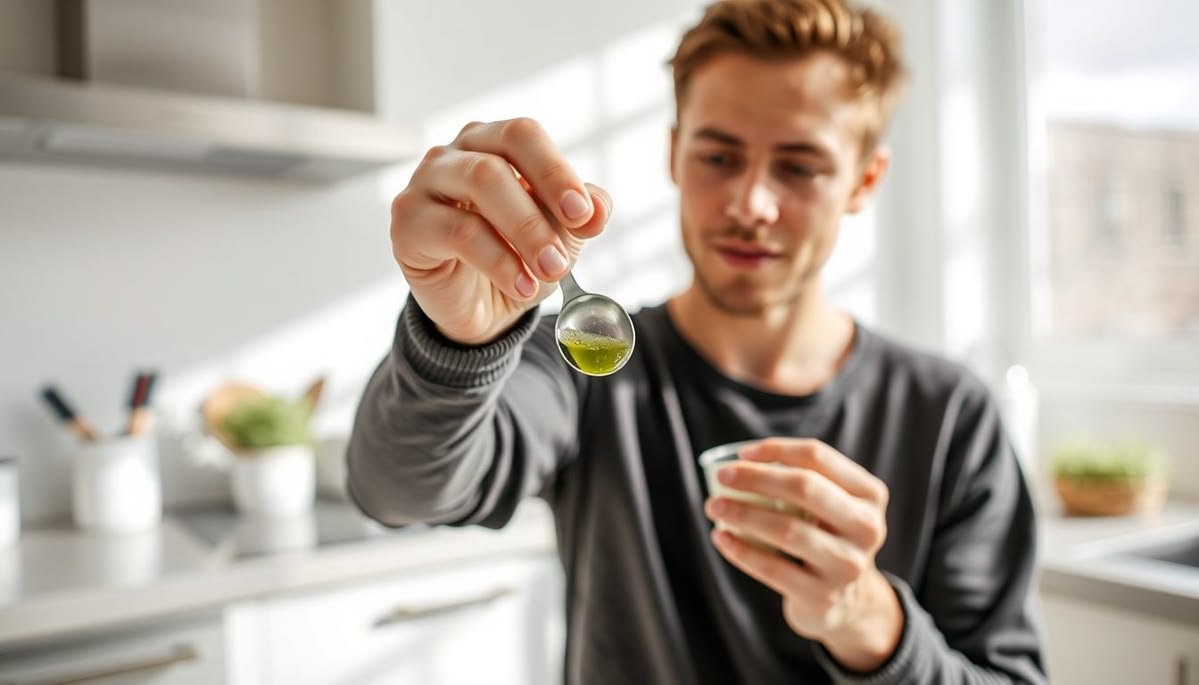

Cannabidiol, commonly known as CBD, is a naturally occurring compound found in the cannabis plant. It belongs to a class of molecules known as cannabinoids, which are responsible for a variety of effects in the human body. Unlike its more famous counterpart, tetrahydrocannabinol (THC), CBD does not produce a psychoactive effect, meaning it does not create the “high” typically associated with cannabis use. This distinction makes CBD a popular choice for individuals seeking the therapeutic benefits of cannabis without the mind-altering effects of THC.
The origins of CBD can be traced to the cannabis sativa and cannabis indica plants, both of which have been cultivated for thousands of years for their medicinal properties. Over recent decades, there has been a growing interest in CBD, resulting in extensive research into its potential health benefits. This compound interacts with the body’s endocannabinoid system, a complex network that plays a role in regulating numerous physiological processes, including mood, pain, and immune response.
Public perception of CBD has evolved considerably over time. It has gained significant traction in the wellness industry, being marketed as a potential remedy for a range of ailments, including anxiety, chronic pain, and inflammation. The increasing demand for CBD products has sparked discussions around its legality, which varies substantially across different regions. In some areas, CBD derived from hemp (a variety of cannabis with low THC levels) is legal and widely available, while in others, it remains restricted. Understanding the nuances of CBD’s legal status is crucial for consumers considering its use.
This blog post aims to delve deeper into the uses, effects, and scientific understanding of CBD, providing readers with a comprehensive view of this increasingly popular compound.
The Science Behind CBD
The endocannabinoid system (ECS) is a complex network of receptors, endocannabinoids, and enzymes found throughout the human body. It plays a crucial role in maintaining homeostasis, influencing various physiological processes such as pain sensation, mood regulation, immune response, and even sleep patterns. The ECS consists primarily of two types of receptors: CB1 and CB2. CB1 receptors are predominantly located in the brain and central nervous system, while CB2 receptors are found mainly in peripheral tissues and immune cells.
Cannabidiol, commonly known as CBD, is one of the many phytocannabinoids derived from the Cannabis sativa plant. Unlike THC (tetrahydrocannabinol), CBD does not produce psychoactive effects. Instead, it interacts with the ECS in a more indirect manner. CBD’s mechanism of action involves modulating the activity of the ECS by influencing the levels of endocannabinoids or interacting with various receptors, primarily CB1 and CB2.
Understanding how CBD influences these receptors is vital. For instance, studies suggest that CBD can enhance the natural binding of endocannabinoids to CB1 receptors, which may lead to an increase in their effectiveness. This can result in improved modulation of pain perception and a reduction in anxiety. Conversely, CBD may also inhibit the enzyme that breaks down anandamide, an endocannabinoid associated with feelings of well-being, thereby prolonging its effects in the body.
Moreover, preliminary research indicates that CBD may have anti-inflammatory properties, likely through its interaction with CB2 receptors found in immune cells. This could potentially explain its therapeutic benefits in conditions such as arthritis and chronic pain. Overall, the dynamic interactions between CBD and the ECS highlight the intricate ways in which this natural compound could support various bodily functions and maintain balance.
Various Forms of CBD
CBD, or cannabidiol, is available in several forms, each offering distinct methods of consumption and varying effects. This versatility allows consumers to select a form that best suits their individual preferences and health needs.
One of the most popular forms of CBD is oil. CBD oils are widely utilized due to their ease of use and quick absorption into the bloodstream. They are often taken sublingually, meaning they are placed under the tongue, where they can rapidly enter the system. This method offers fast relief and allows for precise dosing. Additionally, CBD oils can be infused into various foods and drinks, allowing for a different consumption experience.
Tinctures are similar to oils but typically contain a mixture of CBD extract and alcohol or another solvent. Their usage is similar, with administration under the tongue being commonplace. Tinctures tend to have a longer shelf life and can be more potent than regular oils due to their concentrated nature.
Edibles are another popular option. These include CBD-infused gummies, chocolates, and baked goods. Edibles must be digested before the body can absorb the CBD, leading to a slower onset of effects compared to oils. However, they provide a discreet and convenient way to consume CBD, appealing to those who prefer not to use oils.
Topical creams and balms offer a specialized method for localized pain relief or skin care. When applied directly to the skin, these products allow CBD to penetrate underlying tissues without entering the bloodstream, making them ideal for individuals seeking targeted relief from conditions such as arthritis or muscle soreness.
In summary, the choice of CBD form greatly influences how the compound is absorbed and its overall effectiveness. Understanding these differences empowers consumers to make informed decisions that align with their health goals and lifestyle preferences.
Potential Health Benefits of CBD
Cannabidiol (CBD) has gained significant attention in recent years due to its potential therapeutic effects. Scientific research suggests that CBD may offer a variety of health benefits, particularly in relation to anxiety, pain relief, inflammation reduction, and assistance with sleep disorders. The compound interacts with the body’s endocannabinoid system, which plays a crucial role in maintaining homeostasis, and may help to modulate various physiological processes.
One of the most notable properties of CBD is its potential to alleviate anxiety. Several studies have shown that CBD may reduce anxiety levels in individuals experiencing social anxiety disorder, generalized anxiety disorder, and even post-traumatic stress disorder (PTSD). By influencing the serotonin receptors in the brain, CBD may help improve mood and promote feelings of calmness, making it a promising natural alternative for anxiety management.
Pain relief is another area where CBD shows potential. Research indicates that CBD may reduce chronic pain through its anti-inflammatory properties, making it a topic of interest for those suffering from conditions such as arthritis and multiple sclerosis. By inhibiting neurotransmitters that signal pain, CBD helps in managing pain symptoms more effectively.
Moreover, the anti-inflammatory effects of CBD extend beyond pain relief. Inflammation can lead to various chronic diseases, and CBD may help mitigate this risk by reducing inflammatory markers in the body. This property highlights CBD’s significance in the alleviation of conditions such as acne and other inflammatory disorders.
Lastly, CBD has also been studied for its role in improving sleep quality. Many individuals struggle with insomnia or interrupted sleep cycles, and CBD may play a role in promoting restful sleep by addressing some of the underlying issues such as anxiety and pain. A better night’s sleep can lead to improved overall health and wellbeing.
CBD Dosage Guidelines
Determining the appropriate dosage of CBD (cannabidiol) is essential for optimizing its therapeutic potential while minimizing adverse effects. Individual responses to CBD can vary widely, influenced by various factors such as body weight, health conditions, metabolism, and previous experience with cannabinoids. Thus, personalizing the dosage is crucial to ensure effectiveness.
Firstly, body weight plays a significant role in establishing a baseline dosage for CBD. Generally, a common guideline is to start with 1-6 mg of CBD per 10 pounds of body weight. For example, a person weighing 150 pounds might begin with a dosage ranging from 15 to 90 mg of CBD daily. This range can shift significantly based on individual circumstances, so starting on the lower end and adjusting as needed is advisable.
Health conditions also influence how much CBD an individual may require. People using CBD for specific ailments such as chronic pain, anxiety, or insomnia may respond better to varying dosages. It is often suggested to consult with a healthcare professional to ascertain an appropriate amount tailored to one’s health status and treatment goals.
Tolerance levels are another critical factor. Individuals who have previously used CBD or other cannabinoids might have a higher tolerance and need a more substantial dosage for effective results. However, it is crucial to titrate the dosage cautiously, gradually increasing it while monitoring for any adverse effects or changes in desired outcomes.
In general, starting with a lower dose and gradually increasing it allows individuals to gauge their body’s response, paving the way to find the most effective dosage of CBD tailored to their unique needs.
Risks and Side Effects of CBD
While CBD is often praised for its potential therapeutic benefits, it is important to consider the associated risks and side effects of using this compound. Reports indicate that the use of CBD can lead to a variety of unexpected responses in different individuals, and understanding these risks is critical for informed usage.
Common side effects of CBD include fatigue, changes in appetite, and diarrhea. Some individuals may also experience dry mouth or dizziness as a result of CBD consumption. These side effects are generally mild but can vary significantly among users due to factors such as dosage, individual health conditions, and concurrent medications.
Additionally, there are specific scenarios where CBD may not be appropriate. For instance, individuals with liver issues or those who are pregnant or breastfeeding should approach CBD use with caution. It is also essential for people taking medications that come with a “grapefruit warning”—medications potentially affected by CBD’s interaction with liver enzymes—to consult with a healthcare professional before incorporating CBD into their routine. This is because CBD can influence how certain drugs are metabolized, which may lead to either increased side effects or reduced efficacy of these medications.
Moreover, while CBD is legal in many jurisdictions, the quality and composition of CBD products vary widely. Some products may contain traces of THC or other potentially harmful substances, necessitating vigilance in sourcing reputable brands. Therefore, it is advisable for anyone considering CBD not only to evaluate the potential benefits but also to remain cognizant of its risks. Consulting with a qualified healthcare provider can provide personalized guidance and ensure safe and responsible use of CBD.
CBD Legality Around the World
The legal status of CBD (cannabidiol) varies widely across the globe, reflecting a patchwork of regulations influenced by cultural, political, and historical factors. In several countries, CBD derived from hemp is legal, provided it contains less than 0.3% THC (tetrahydrocannabinol). For instance, in the United States, the 2018 Farm Bill legalized hemp-derived CBD at the federal level, yet individual states maintain the authority to impose their own laws and restrictions.
In Canada, the Cannabis Act legalized the sale of CBD products, integrating it fully into the regulated cannabis framework. This legal stance prioritizes safety and quality control. Conversely, in certain countries within Asia, strict prohibition exists, with nations like Japan permitting only CBD products that meet specific criteria. The country permits products containing CBD, as long as they do not contain any THC, emphasizing a stringent regulatory approach.
In the European Union, CBD’s legal landscape is also evolving, with the novel food regulation accepting CBD as a food supplement under specific conditions. However, it is essential to note that individual member states have varied interpretations of these regulations, which can lead to confusion regarding its availability and legality. Countries like Italy and Spain have embraced CBD, while others remain more conservative.
Misconceptions surrounding CBD legality often arise, particularly due to its association with marijuana. It is crucial to distinguish between hemp-derived CBD and marijuana, as the former typically holds no psychoactive effects. This difference has influenced regulatory frameworks worldwide, leading to more liberal laws in several regions. As legislation continues to develop, the status of CBD may further change, necessitating ongoing awareness of local laws for consumers and producers alike.
Choosing Quality CBD Products
As the popularity of CBD continues to rise, consumers are often faced with a wide variety of options available in the market. However, many of these products can vary significantly in quality, making it imperative for consumers to know what to look for when selecting high-quality CBD products. Here are some essential guidelines to help you navigate the often unregulated CBD market.
First and foremost, transparency is key. Look for brands that provide detailed information about the source of their hemp. High-quality CBD products typically come from organically grown hemp, free from pesticides and harmful chemicals. This ensures that the product is pure and safe for consumption. A reputable company will often share its cultivation methods and sourcing practices, allowing consumers to make informed choices.
Next, certifications and lab results play a critical role in determining the quality of CBD products. Third-party testing is crucial; it offers an objective analysis of the product’s potency, cannabinoid profile, and the presence of any contaminants. Companies that prioritize transparency will often publish their lab results on their website, so always check for these documents before purchasing. Look for results that confirm the absence of heavy metals, solvents, and microbial contaminants.
Ingredient transparency is another crucial factor to consider. High-quality CBD products will contain a complete list of ingredients, allowing you to assess the product better. Avoid products with excessive additives or those using artificial flavors and colors. Instead, seek out products made with natural ingredients, as they align more closely with health and wellness principles.
In conclusion, navigating the CBD market does not have to be overwhelming. By focusing on sourcing transparency, lab testing, and ingredient clarity, you can confidently choose high-quality CBD products that meet your needs.
Conclusion and Future of CBD
In recent years, Cannabidiol (CBD) has garnered substantial attention due to its potential health benefits and therapeutic applications. The discussions surrounding CBD have emphasized its non-psychoactive nature, distinguishing it from other cannabinoids such as THC. Studies suggest that CBD may aid in the treatment of various conditions, including anxiety, epilepsy, and chronic pain, and this has led to an increasing acceptance of CBD in both wellness and medical circles.
As the regulatory environment continues to evolve, the future of CBD appears promising. A growing body of research is focusing on understanding the mechanisms by which CBD interacts with the endocannabinoid system, thus paving the way for more refined therapeutic applications. Emerging studies are exploring the effects of CBD on mental health, inflammation, and even its potential neuroprotective properties. This increased interest from researchers could lead to more effective formulations and delivery methods, enhancing the overall efficacy of CBD products.
Moreover, consumer demand for natural and alternative remedies is driving innovation in the CBD market. As more companies invest in research and development, we can anticipate the introduction of diverse CBD-infused products, from foods to topicals, that cater to various health needs. However, it is crucial for consumers to access products that are third-party tested and transparently labeled to ensure quality and safety.
In conclusion, while the journey of CBD is still unfolding, its growing acceptance in mainstream medicine, coupled with ongoing research and innovation, suggests a future where CBD could play a significant role in holistic healthcare. As we continue to gain insights into its properties and benefits, CBD may very well become a staple in both therapeutic and wellness frameworks, bridging the gap between traditional and alternative medicine.

