


Understanding the Importance of a Strong Resume
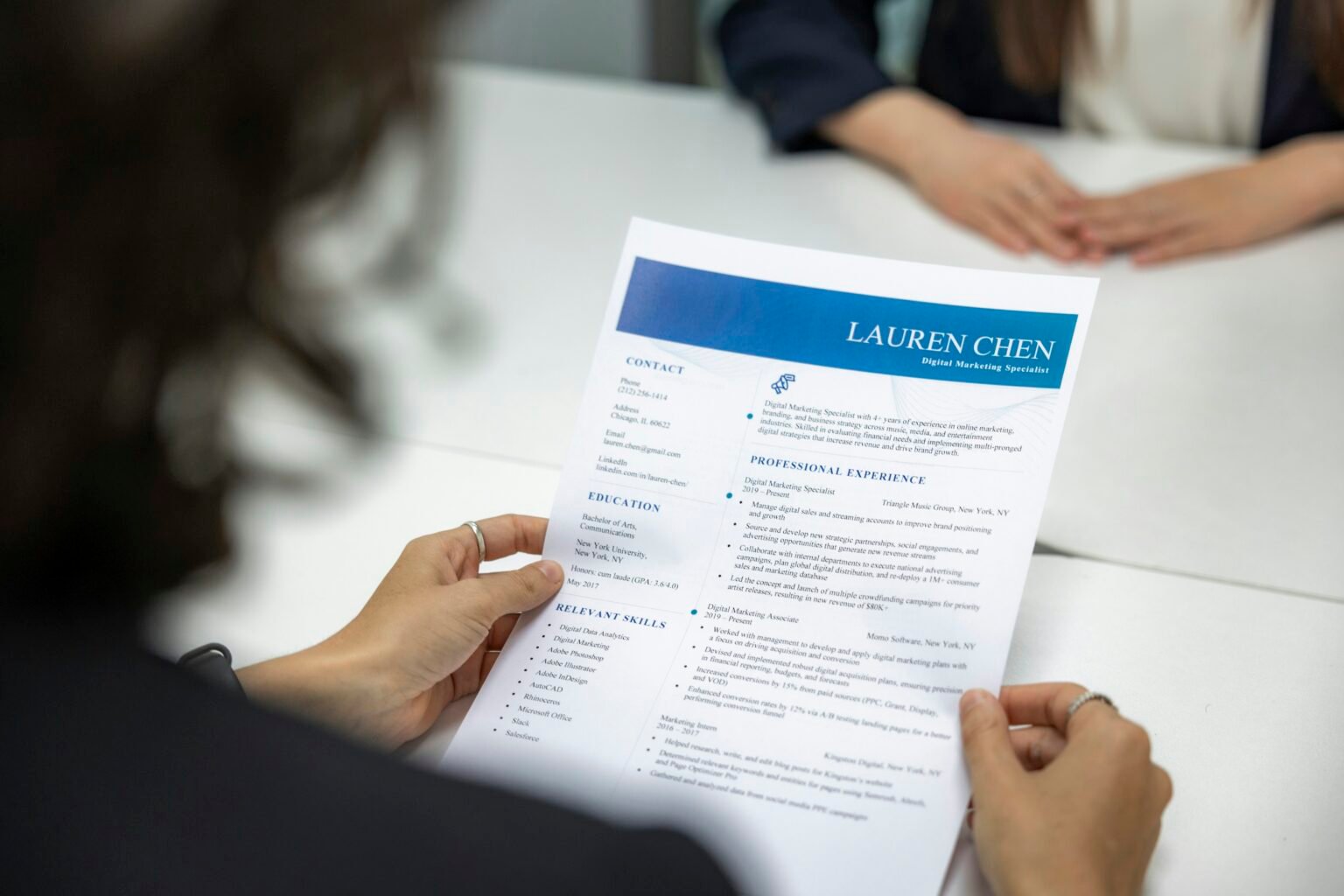
A strong resume is an indispensable tool for job seekers in today’s competitive employment landscape. As the first point of contact between candidates and potential employers, a well-crafted resume plays a crucial role in making a lasting impression. It serves not only as a summary of educational qualifications and work experience but also as a reflection of a candidate’s professional identity. A meticulously designed resume can significantly enhance the chances of advancing to the interview stage, where deeper discussions about qualifications can take place.
In an environment characterized by a high volume of applicants for each job opening, having a standout resume is essential. Recruiters often spend mere seconds reviewing resumes before deciding whether to reject or further consider a candidate. Thus, it is paramount for job seekers to present their skills, experiences, and achievements clearly and succinctly. By showcasing key professional competencies relevant to the prospective role, candidates can effectively differentiate themselves from others in the pool.
Moreover, a strong resume allows job seekers to convey not just their qualifications but also their potential value to the organization. Tailoring a resume to align with the specific requirements of a job posting can demonstrate an understanding of the company’s goals, thereby increasing the likelihood of capturing the attention of hiring managers. In this regard, a resume acts as a marketing document, where a candidate’s unique skills and experiences are highlighted to reflect their ability to contribute meaningfully to a prospective employer.
Overall, understanding the importance of a strong resume is the first step toward creating a document that not only meets standard expectations but also sets candidates apart in a crowded job market. With the right strategies in place, job seekers can significantly enhance their opportunities for career advancement.
Identifying Key Components of a Resume
Constructing a robust resume necessitates a thorough understanding of its essential components, each serving a distinct purpose. The primary element is the contact information, which should be positioned at the top. This section includes the candidate’s full name, phone number, email address, and, if relevant, a professional LinkedIn profile URL. Clear visibility of this information is crucial, as it ensures prospective employers can easily reach out for interviews.
Next is the summary statement, which offers a concise overview of the applicant’s qualifications and career goals. This 2-4 sentence summary should encapsulate key skills and professional attributes, providing a snapshot that captures the reader’s interest. An effective summary statement sets the tone for the rest of the resume and encourages hiring managers to continue reading.
The work experience section is perhaps the most critical component, as it details the candidate’s employment history in reverse chronological order. This section should include job titles, company names, locations, and dates of employment, accompanied by bullet points describing key responsibilities and accomplishments. This information showcases not only past roles but also how the candidate’s experiences align with the job in question.
Similarly, the education section provides details about the applicant’s academic background, including degrees awarded, institutions attended, and graduation dates. Highlighting relevant coursework or honors can strengthen this section, especially for recent graduates.
The skills section encompasses both hard and soft skills pertinent to the job being applied for. It is important to tailor this section to the specific job requirements, ensuring relevance and increasing the likelihood of passing through applicant tracking systems.
Lastly, additional sections such as certifications, volunteer work, or professional affiliations can further enhance the resume, offering a more comprehensive view of the candidate’s qualifications and interests. Each element, when executed effectively, contributes to the overall strength of the resume and its potential to attract attention from hiring managers.
Crafting a Compelling Summary or Objective Statement
The summary or objective statement is a critical element of any strong resume. It serves as the first impression a hiring manager will have of you, making it essential to craft a compelling and impactful statement that succinctly outlines your career aspirations, skills, and qualifications. A well-written summary not only captures attention but also aligns with the job description, demonstrating your suitability for the role.
When creating your summary or objective statement, start by reflecting on your professional background and what you hope to achieve in your next position. This introspection will help you articulate your goals and ensure that your statement is genuine and reflective of your true aspirations. Incorporating relevant terms from the job description can enhance the effectiveness of your statement, as it shows that you understand the specific requirements of the role and have tailored your approach to meet them.
To achieve this, first, identify the key skills and experiences that the employer values. Use these to highlight your own relevant experiences, focusing on specific achievements that demonstrate your abilities. For example, instead of simply stating that you are an experienced project manager, consider showcasing a significant project that you successfully led, detailing the outcomes of your leadership and the skills utilized. Effective use of quantifiable achievements can significantly strengthen your statement.
Additionally, ensure that your tone is professional and confident, avoiding vague language. Aim for clarity and precision in your wording; a concise statement is often more impactful. Remember, the focus should remain on how you can add value to the prospective employer while also aligning with your career goals. By investing time into crafting a compelling summary or objective statement, you can improve your chances of making a strong impression on potential employers and advancing in your career.
Highlighting Relevant Work Experience
Effectively showcasing work experience is a crucial aspect of crafting a compelling resume. To begin with, structuring job descriptions is essential. Each position should be presented clearly, listing the job title, company name, location, and dates of employment. This foundational information lays the groundwork for potential employers to understand the context of your experience.
Moreover, it is vital to quantify achievements wherever possible. Incorporating numbers can significantly enhance the impact of your work experience. For instance, rather than stating that you “managed a team,” you might specify that you “led a team of 10 to achieve a 20% increase in sales within one fiscal year.” This approach not only provides concrete evidence of your capabilities but also makes your achievements more relatable to hiring managers.
Furthermore, focusing on the relevance of your work experience to the desired position is imperative. Tailor the descriptions of your previous roles to emphasize skills and contributions that align with the requirements of the job for which you are applying. For example, if applying for a marketing position, prioritize experiences that highlight your skills in campaign management or data analysis, rather than unrelated tasks from different industries.
Finally, while detailing work history, remember to use action verbs to convey your contributions effectively. Phrases like “developed,” “implemented,” and “optimized” carry more weight than passive descriptions. In conclusion, a strong emphasis on structuring job descriptions, quantifying achievements, and highlighting relevance can significantly enhance the efficacy of your resume, making it stand out to potential employers.
Showcasing Education and Certifications
When crafting a strong resume, the presentation of educational background and certifications plays a pivotal role. It is essential to structure this section in a clear and logical order to ensure potential employers can easily identify your qualifications. Typically, it is recommended to list your education chronologically, starting with the most recent degree or certification. Include the name of the institution, the degree or certification obtained, and the date of completion. For example, “Bachelor of Science in Business Administration, XYZ University, May 2020.” This format keeps the information concise and accessible.
In addition to basic details, consider including relevant coursework that aligns with the job you are applying for. Highlighting specific classes or projects can underscore your expertise and applicability. Furthermore, if your educational background includes honors or distinctions, such as “Graduated Magna Cum Laude,” this should be prominently mentioned to distinguish yourself from other candidates.
Certifications are equally crucial in portraying your commitment to continuous learning. List any relevant certifications that demonstrate your qualifications and adherence to industry standards. Incorporate the issuing organization and the date obtained. If applicable, consider adding a brief description of the certification’s significance. For instance, “Certified Project Management Professional (PMP), Project Management Institute, September 2021 – Recognizes comprehensive knowledge and skills in project management.” This direct approach not only informs but also conveys a proactive attitude toward professional growth.
By adeptly showcasing your education and certifications, you not only provide evidence of your qualifications but also reflect a readiness to advance in your career. Each entry in this section should reinforce the perception of you as a well-rounded candidate, eager to learn and grow in your professional endeavors.
Incorporating Key Skills and Keywords
When constructing a strong resume, understanding the distinction between hard skills and soft skills is imperative. Hard skills refer to quantifiable abilities acquired through education or experience, such as technical proficiencies, language fluency, or software expertise. These skills can often be measured or tested. For instance, knowledge of programming languages like Python or proficiency in using specific tools like Microsoft Excel are examples of hard skills. They are essential as they demonstrate a candidate’s capability to perform job-related tasks effectively.
On the other hand, soft skills pertain to personal attributes that enable someone to interact harmoniously with other individuals. Such skills include teamwork, adaptability, communication, and problem-solving. Soft skills are equally vital as they highlight a candidate’s ability to navigate interpersonal relationships in a professional environment, which is often a key consideration for hiring managers.
To maximize the effectiveness of your resume, it is crucial to incorporate relevant keywords from the job description. Keywords are terms or phrases that are frequently used in the context of a specific industry or job position. They serve two primary purposes. Firstly, they assist your resume in passing through Applicant Tracking Systems (ATS) which many organizations employ to filter candidates based on specific criteria. Secondly, strategically placed keywords can capture the attention of hiring managers, making your application stand out.
When drafting your resume, carefully analyze job postings to identify commonly mentioned skills and phrases. Incorporate these elements into your professional summary, skills section, and work experience descriptions. However, ensure that they are woven naturally into the text to maintain readability. Balancing both hard and soft skills is essential to provide a comprehensive view of your qualifications, thereby enhancing your candidacy for the position you are pursuing.
Formatting Your Resume for Maximum Impact
When constructing your resume, the visual layout plays a crucial role in effectively communicating your qualifications to potential employers. Employing a clean and professional format is essential in ensuring that your resume stands out while remaining easy to read. Start by choosing a suitable layout, either chronological, functional, or a combination of both, depending on your experience and the job you are applying for. This choice will dictate how you present your information, so select a format that best showcases your skills and experiences.
The font used in your resume also significantly affects its readability. A professional font, such as Arial, Calibri, or Times New Roman, is recommended. Ensure that your font size is between 10 to 12 points, providing a comfortable reading experience without crowding the page. Maintain consistent font styles throughout—use bold sparingly for headings or highlights, ensuring that they do not overshadow the content.
Spacing is another critical aspect that contributes to your resume’s overall aesthetic. Adequate white space around different sections gives your document a neat appearance and makes it easier for hiring managers to skim through the information. Aim to leave space between sections such as education, experience, and skills. Margins should be set around one inch to ensure that the content is well-framed within the boundaries of the page, enhancing visual appeal.
In terms of length, a resume should ideally be one page, especially for those with less than 10 years of experience. However, if you have an extensive background, extending to two pages may be appropriate. Whichever length you aim for, be sure to focus on quality content, presenting your skills, experiences, and achievements relevant to the job applied for. Ultimately, prioritizing clarity and professionalism in the formatting of your resume will undoubtedly make a significant impact on your job application.
As job seekers embark on the journey of crafting their resumes, it is paramount to avoid common mistakes that can undermine their efforts. One frequent pitfall is the presence of typos and grammatical errors, which can create an impression of carelessness and lack of attention to detail. Recruiters and hiring managers often have limited time to review resumes, and any errors can diminish a candidate’s credibility. Therefore, it is advisable to thoroughly proofread a resume multiple times and, if possible, seek a second opinion from a trusted peer or professional.
Lack of focus is another mistake that individuals often make when composing their resumes. It is essential that job seekers tailor their resumes to align with the specific roles they are applying for. Including unrelated experience or irrelevant skills can dilute the effectiveness of a resume, leading to confusion regarding the candidate’s primary competencies. Each section of the resume should be intentional and clearly related to the job description, thereby showcasing the applicant’s suitability for the position.
Moreover, overstating qualifications is a serious misstep many individuals engage in. While it is important to highlight one’s achievements, embellishing or fabricating experiences can have detrimental effects. Recruiters are likely to verify provided information, and discrepancies can lead to a loss of trust and potentially disqualify a candidate from consideration. Candidates are encouraged to focus on their genuine strengths and articulate them accurately.
Lastly, using an unprofessional email address can also adversely affect first impressions. An email address that does not project professionalism can raise doubts about a candidate’s seriousness and readiness for the role. Choosing an email address that includes a combination of the candidate’s name, rather than a quirky nickname, is advisable. By being mindful of these common resume mistakes, job seekers can significantly enhance their chances of capturing the attention of potential employers.
Tailoring Your Resume for Specific Job Applications
In today’s competitive job market, the importance of tailoring your resume for specific job applications cannot be overstated. A generic resume may not effectively highlight the skills and experiences that are most relevant to a particular position. To increase your chances of securing an interview, it is essential to carefully analyze the job posting and adjust your resume to align with the employer’s requirements.
Begin by closely reviewing the job description. Identify keywords and phrases that are indicative of the skills and qualifications the employer is seeking. These often include specific technical abilities, soft skills, and required experiences. Once you have noted these elements, integrate them into your resume, ensuring that your relevant experiences are emphasized. This not only demonstrates your fit for the role but also helps your resume pass through Applicant Tracking Systems (ATS) that recruiters frequently use to filter applications.
Additionally, consider the order of information on your resume. Place the most pertinent experiences and achievements at the top of each section. This strategic organization ensures that the hiring manager sees your most relevant qualifications first. You may also want to modify your summary statement or objective to reflect the specific position you are applying for, reinforcing your interest and suitability for the role.
Lastly, don’t hesitate to remove or downplay experiences that are less relevant to the position in question. A focused resume that clearly articulates your suitability will leave a stronger impression than one cluttered with unrelated information. By taking the time to tailor your resume for each job application, you significantly enhance your potential for earning interview opportunities and moving forward in the hiring process.

