

Understanding Continuous Learning
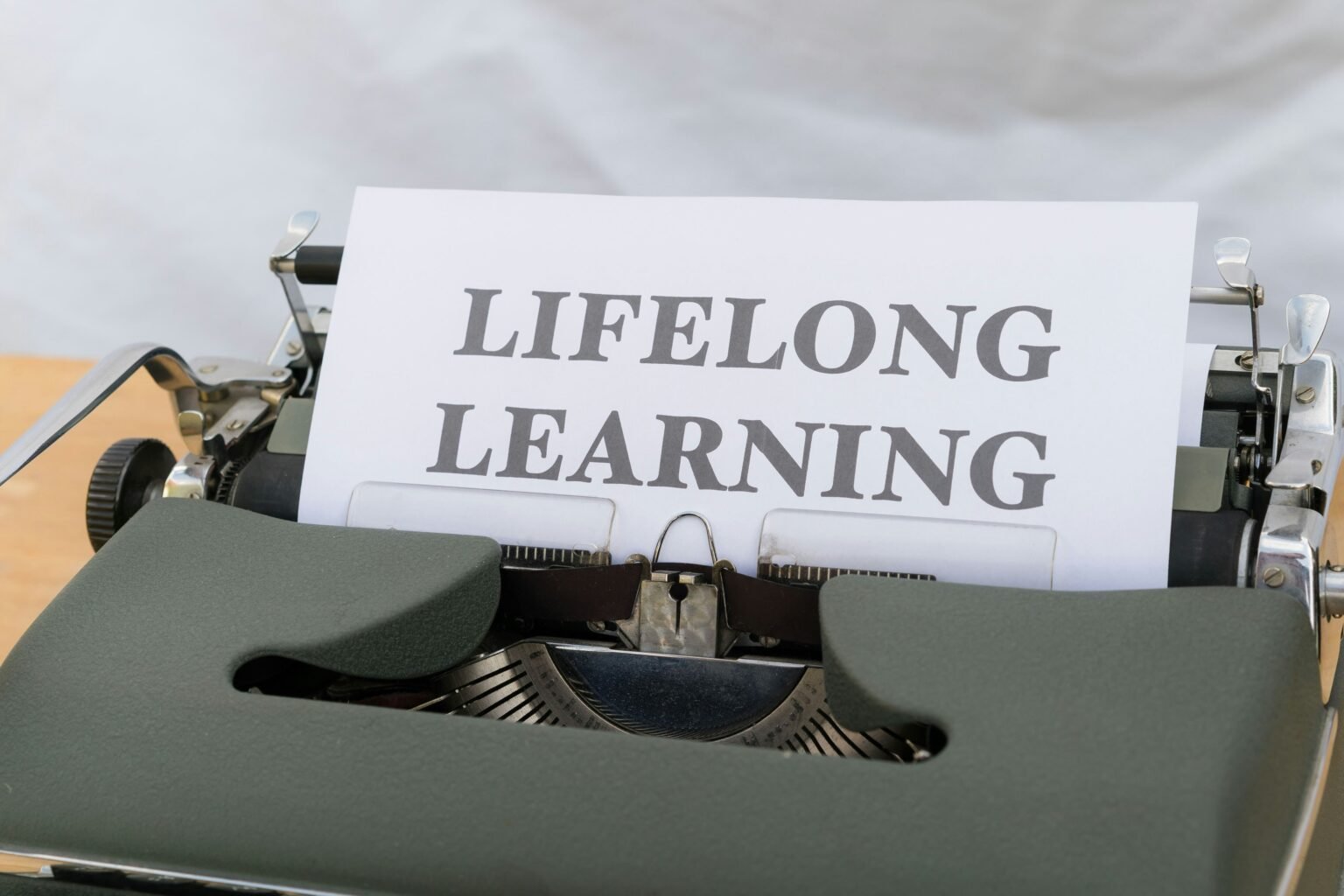
Continuous learning is a lifelong process where individuals actively seek to acquire new skills and knowledge throughout their lives. This concept transcends traditional educational frameworks, emphasizing that learning does not solely occur within formal classroom settings. Instead, it encompasses a variety of methods, including formal education, self-directed study, and experiential learning.
The significance of continuous learning is profound, given the rapidly changing landscape of both personal and professional development. In an era where industries evolve at an unprecedented pace, individuals must adapt to emerging technologies, market trends, and the shifting demands of employers. Engaging in continuous learning allows individuals to stay relevant and competitive in their fields.
Continuous learning can take many forms. Formal education includes structured programs such as degrees, certifications, and workshops, which provide systematic knowledge in specific areas. In contrast, self-directed study involves taking personal initiative to seek resources like books, online courses, and tutorials. This method grants learners the flexibility to focus on topics of interest at their own pace.
Experiential learning is another vital aspect, emphasizing the importance of hands-on experience. This form of learning occurs through on-the-job training, internships, and practical applications of knowledge, showcasing the significance of real-world application. As individuals engage in different types of continuous learning, they cultivate a growth mindset, an essential trait for adapting to challenges and opportunities alike.
In summary, continuous learning is crucial not only for maintaining professional relevance but also for personal fulfillment. By embracing various learning methods, individuals can enhance their competencies, foster personal growth, and ensure that they remain agile and innovative in an ever-evolving world.
The Benefits of Continuous Learning
Continuous learning is an essential aspect of personal and professional development. One of the primary benefits of engaging in lifelong learning is the improvement of skills. As professionals pursue new knowledge and update existing competencies, they enhance their expertise and make themselves more valuable in their respective fields. This ongoing skill development allows individuals to keep pace with advancements in technology and industry standards, ensuring they remain competitive in the job market.
Additionally, continuous learning fosters adaptability. In today’s rapidly changing world, the ability to adjust to new information and circumstances is crucial. Those who commit to lifelong learning are more likely to embrace change, approach challenges with a positive attitude, and effectively navigate transitions, be it in their careers or personal lives. This adaptability is not only beneficial for individual growth but also contributes positively to organizations, as adaptable employees often foster a culture of innovation and resilience.
Furthermore, continuous learning significantly enhances career opportunities. Professionals who actively seek to expand their knowledge and skill sets often find themselves with increased job prospects. They are better positioned for promotions, career advancements, and new job opportunities, which may have previously seemed out of reach. Employers frequently seek candidates who demonstrate a commitment to growth, placing those who invest in their learning ahead of their peers.
On a more personal level, the pursuit of knowledge leads to increased confidence. As individuals learn and acquire new skills, they develop a sense of accomplishment that bolsters their self-esteem. This newfound confidence can influence various aspects of life, from personal relationships to professional interactions, ultimately leading to a more fulfilling and enriched life. Therefore, embracing continuous learning not only enhances our capabilities but also contributes to our overall well-being and satisfaction.
How Technology is Shaping Learning
In recent years, technology has significantly transformed the landscape of education, making continuous learning more accessible and convenient than ever. The advent of digital resources has broadened the scope of learning opportunities available to people of all ages and backgrounds. Online courses, e-learning platforms, and mobile applications are among the tools that have revolutionized the educational experience, allowing learners to pursue knowledge at their own pace and convenience.
One of the most notable advancements in educational technology is the proliferation of online learning platforms. Websites like Coursera, Udacity, and edX provide a vast array of courses covering diverse subjects, often created in collaboration with reputed universities and institutions. This democratization of education enables individuals to enroll in courses that fit their specific interests and career aspirations without geographical constraints. Moreover, many of these platforms offer accessible, low-cost, or even free options, further emphasizing the importance of continuous learning throughout life.
In addition to online courses, the rise of mobile applications has empowered learners to integrate education into their daily routines. Applications like Duolingo and Khan Academy facilitate learning through gamification and personalized study paths, catering to various learning styles. This flexibility creates a conducive environment for users to engage in knowledge acquisition whenever and wherever they wish, thereby enhancing their lifelong learning journey.
Furthermore, social media and online communities have emerged as supplemental resources where learners can connect, collaborate, and share insights. Platforms such as LinkedIn Learning promote professional development by offering diverse courses concentrated on in-demand skills. Consequently, technology not only provides learners with access to vast information but also fosters collaboration and support among peers.
Cultivating a Growth Mindset
The concept of a growth mindset, introduced by psychologist Carol Dweck, is pivotal in the context of continuous learning. It refers to the belief that abilities and intelligence can be developed through dedication and hard work. This perspective fosters resilience, encourages a love for learning, and promotes a drive for personal development. A growth mindset contrasts sharply with a fixed mindset, where individuals believe their attributes are static and unchangeable. Embracing a growth mindset is essential for effective learning and can significantly improve one’s ability to face challenges.
One of the foremost importance of cultivating a growth mindset is its role in enhancing motivation. When individuals perceive challenges as opportunities for growth rather than obstacles, they are more likely to engage with difficult tasks. This approach not only increases perseverance but also contributes to lasting satisfaction and achievement. Furthermore, individuals with a growth mindset view failures as valuable feedback rather than a reflection of their self-worth, leading to a healthier attitude toward learning and improvement.
To develop a growth mindset, individuals can adopt several practical strategies. First, it is essential to embrace challenges actively. Seeking out tasks that push one’s boundaries can foster resilience and skill enhancement. Additionally, celebrating successes and recognizing efforts, rather than solely focusing on results, can reinforce the learning journey. Another effective method is to cultivate a habit of self-reflection, prompting individuals to assess their responses to setbacks and learn from them. Engaging in positive self-talk and surrounding oneself with a community that promotes growth can further enrich this mindset.
In summary, cultivating a growth mindset significantly impacts continuous learning. By embracing challenges and viewing failures as opportunities, individuals can enhance their learning process. The development of a growth mindset not only facilitates personal growth and resilience but also lays the foundation for a lifelong journey of learning.
Creating a Personal Learning Plan
Developing a personal learning plan is an essential step in fostering a culture of lifelong learning. A well-structured personal learning plan provides individuals with a clear framework to articulate their educational objectives, resources, and assessment strategies. To begin, one must first identify specific learning goals that align with both personal interests and professional aspirations. These goals should be SMART: Specific, Measurable, Achievable, Relevant, and Time-bound. For instance, rather than stating a goal as “I want to learn a new language,” a SMART goal would be, “I will complete a beginner’s course in Spanish within three months and practice speaking with a partner weekly.”
Once learning goals are established, the next step is to identify the resources required to achieve them. This can include a wide array of materials such as online courses, books, podcasts, webinars, or mentorship programs. Resources should be chosen based on their relevance and effectiveness in addressing the specific learning objectives. Engaging with various types of materials can enhance the learning experience and make it more dynamic. For instance, incorporating interactive platforms or joining online forums can provide valuable insights and support from fellow learners.
Monitoring progress is vital for maintaining motivation and accountability. Individuals should set up a regular review process, whether weekly or monthly, to assess their advancements toward the set objectives. Reflecting on what strategies worked well and what could be improved will not only provide clarity but also instill a sense of achievement over time. Additionally, utilizing tools such as journals or digital trackers can aid in this reflective process. By maintaining a record of accomplishments, any setbacks can be analyzed constructively, paving the way for adjustments in the learning plan.
In summary, creating a personal learning plan empowers individuals to take charge of their educational journeys. By establishing clear goals, identifying appropriate resources, and actively measuring progress, learners cultivate a disciplined and enriching process in their quest for knowledge.
Overcoming Barriers to Continuous Learning
Continuous learning is an essential aspect of personal and professional development; however, individuals often encounter various barriers that impede their growth. These obstacles can include time constraints, lack of motivation, or fear of failure. Understanding these challenges and developing strategies to overcome them is critical for successful lifelong learning.
One of the most common obstacles is the perception of time constraints. Many individuals believe that they do not have sufficient time to pursue additional learning opportunities amidst their busy schedules. To address this, it is crucial to prioritize and allocate specific time slots for learning activities. Setting aside just a few minutes each day can lead to significant progress over time. Additionally, integrating learning into existing daily routines—such as listening to educational podcasts while commuting or reading articles during breaks—can also be effective.
Lack of motivation can also serve as a major hurdle in the journey of continuous learning. To enhance motivation, one should set clear, achievable goals that provide a sense of purpose and direction. Celebrating small successes along the way can help maintain enthusiasm and engagement. Moreover, connecting with a community or finding a learning partner can offer support, accountability, and encouragement throughout the learning process.
Fear of failure is another prevalent barrier that may deter individuals from pursuing new learning experiences. Overcoming this fear involves shifting one’s mindset to view mistakes as opportunities for growth rather than setbacks. Embracing a culture of experimentation can cultivate resilience and adaptability. Recognizing that every expert was once a beginner can help dissipate the paralyzing effects of fear.
In conclusion, while barriers to continuous learning are common, they can be overcome with effective strategies. By managing time wisely, enhancing motivation, and addressing the fear of failure, individuals can create an enriching environment conducive to lifelong learning.
Integrating Learning into Daily Life
Incorporating continuous learning into daily routines is essential for fostering personal growth and adapting to the ever-evolving world. To achieve this, individuals can seek to integrate learning moments into their everyday activities. For instance, listening to educational podcasts during commutes or audiobooks while engaging in household chores can transform mundane tasks into valuable learning experiences. This approach not only maximizes time but also ensures that learning becomes a seamless aspect of daily life.
An additional strategy is to set aside dedicated time for learning. This could be as simple as allocating 15 to 30 minutes each day for reading articles, taking online courses, or practicing new skills. By creating a structured learning schedule, individuals can prioritize their development and pave the way for consistent progress. Using tools like digital calendars or reminder apps can facilitate the establishment of these learning blocks, ensuring they are treated as non-negotiable appointments.
Moreover, leveraging social learning through discussions with peers can significantly enhance the learning process. Engaging in conversations about new ideas, concepts, or skills with friends or colleagues fosters an environment of shared knowledge. Participating in book clubs, study groups, or workshops can create opportunities for collaboration and diverse perspectives, leading to a richer learning experience. These interactions not only reinforce acquired knowledge but also stimulate critical thinking and innovation.
In conclusion, integrating continuous learning into daily life requires a proactive approach and an openness to embracing new opportunities. By embedding learning into routine activities, dedicating time to study, and collaborating with others, individuals can cultivate a lifelong learning mindset that is essential for personal and professional growth.
The Role of Employers in Promoting Continuous Learning
In today’s rapidly changing work environment, employers play a crucial role in fostering a culture of continuous learning among their employees. By prioritizing continuous professional development, organizations can ensure that their workforce remains adaptable, skilled, and innovative. It is imperative for employers to recognize their responsibility in creating an atmosphere that encourages ongoing education and skill enhancement.
One effective way for organizations to promote continuous learning is by providing access to various learning resources. This can include online courses, workshops, seminars, and industry conferences. By investing in employees’ education and training through these resources, employers demonstrate their commitment to the personal and professional growth of their workforce. Additionally, offering subscriptions to professional development platforms can empower employees to take charge of their learning journeys.
Support from leadership is also vital in reinforcing the importance of continuous learning. When managers actively promote and participate in learning initiatives, it sends a clear message that growth and development are valued within the organization. Regular discussions about the importance of skill enhancement and providing time during work hours for learning activities can greatly impact employee engagement in continuous learning.
Moreover, creating opportunities for career progression through mentorship programs can significantly enhance the learning culture. By pairing seasoned professionals with less experienced employees, organizations foster an environment of knowledge sharing and guidance. This not only promotes skill development but also strengthens interpersonal relationships within the workforce.
In summary, organizations must take proactive steps to cultivate a culture of continuous learning. By providing resources, leadership support, and opportunities for mentorship, employers can empower their employees to embrace lifelong learning as a fundamental aspect of their professional journeys.
Looking Ahead: The Future of Continuous Learning
The landscape of continuous learning is evolving rapidly, driven by technological advancements and the increasing demands of the modern job market. As industries undergo transformations due to digitalization, automation, and artificial intelligence, the necessity for lifelong learning takes center stage. Continuous education becomes not just a preference but a critical requirement for professionals aiming to maintain competitiveness in their respective fields.
One significant trend shaping the future of continuous learning is the rise of online education platforms. These platforms offer flexible learning opportunities, enabling individuals to acquire new skills and knowledge at their own pace. From MOOCs (Massive Open Online Courses) to specialized certification programs, the abundance of resources is making it easier than ever to engage in lifelong learning. This flexibility is crucial, especially for working professionals who juggle multiple responsibilities.
Moreover, the future workforce will likely place increased emphasis on skills over traditional educational credentials. Employers are increasingly seeking candidates with specific competencies rather than those with merely formal degrees. The emphasis on upskilling and reskilling is leading to a paradigm shift in how education is perceived; lifelong learning is becoming an integral part of career development and personal growth.
As the role of technology expands, individuals will need to adapt continuously. Technologies like artificial intelligence are not only changing job descriptions but also creating new job roles that demand fresh skill sets. Continuous learning frameworks must incorporate soft skills alongside technical expertise to prepare individuals for the complexities of the future workplace.
In conclusion, the future of continuous learning is characterized by adaptability and lifelong engagement. As the demands of the job market evolve, so too must our commitment to ongoing education, ensuring that we not only remain relevant but thrive in our professional endeavors.

