

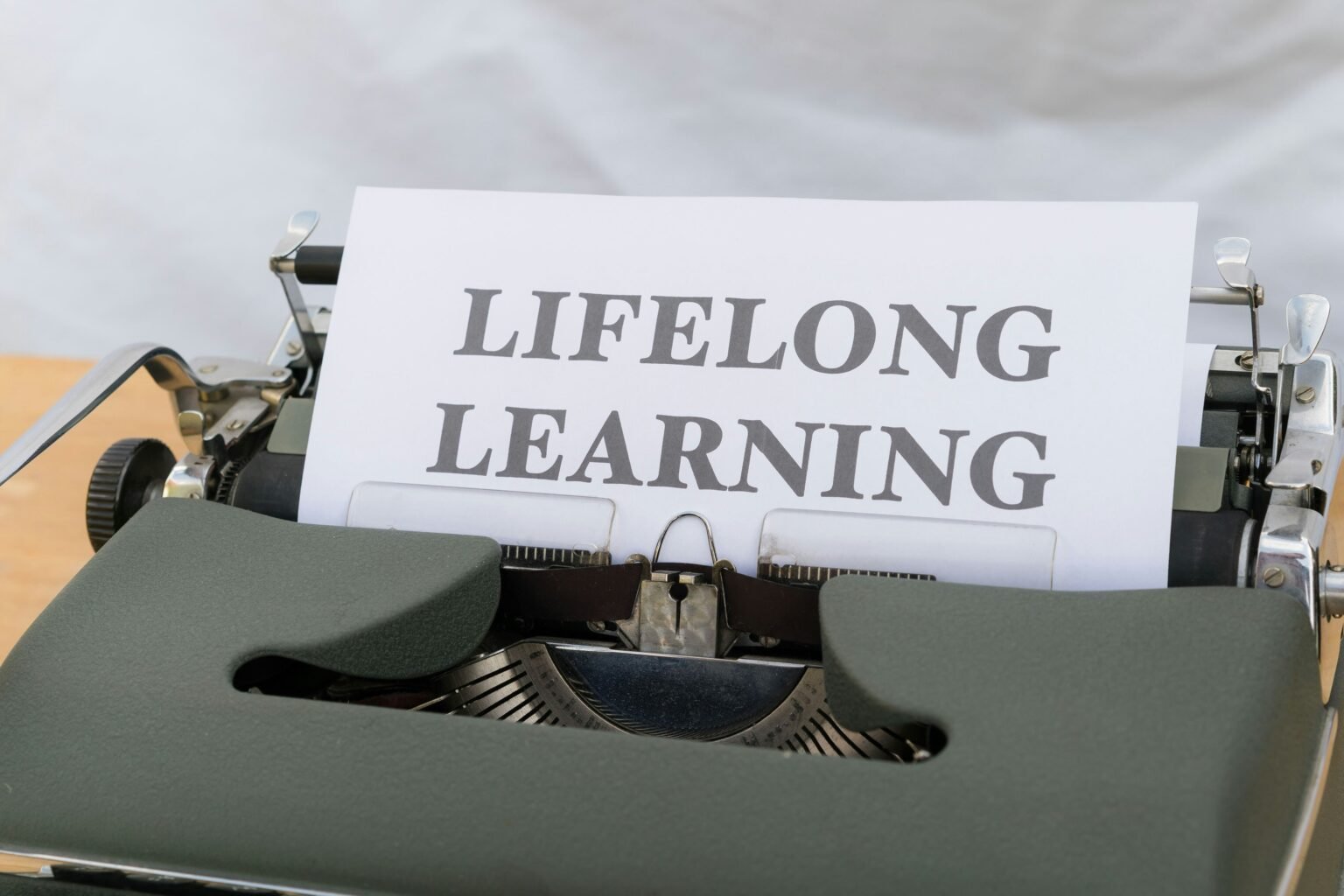

Understanding Lifelong Learning
Lifelong learning is a concept that encompasses the continuous, voluntary, and self-motivated pursuit of knowledge for personal or professional development. It is an acknowledgment that learning does not cease at a particular stage in life, such as formal education in schools or universities. Instead, it is an ongoing process that can take on many forms and occur in various settings.
One way that lifelong learning can manifest is through formal education. This includes traditional classroom environments where individuals engage in structured learning programs. However, lifelong learning also extends far beyond the boundaries of formal education. Self-directed study is another important aspect, where individuals take the initiative to explore subjects of interest on their own. This could involve reading books, conducting research, or pursuing personal projects that enhance their skills and knowledge.
Moreover, the rise of technology has significantly changed the landscape of lifelong learning. Online courses and educational platforms offer unprecedented access to information and learning resources. This shift allows learners to engage with high-quality content from anywhere in the world and at their own pace, providing flexibility that traditional classroom settings may not offer.
Informal experiences also contribute to the concept of lifelong learning. These experiences can range from participating in community events, attending workshops, volunteering, or even engaging in discussions with peers. Each interaction provides a unique opportunity to learn and grow, reinforcing the notion that education is not limited to formal settings.
The philosophy behind lifelong learning is fundamentally different from the traditional education system, which often has a finite endpoint and is structured around specific age groups. Lifelong learning, in contrast, encourages a mindset of curiosity and adaptability, recognizing the importance of continuous growth and development regardless of one’s stage in life.
The Benefits of Lifelong Learning
Lifelong learning encompasses the ongoing, voluntary, and self-motivated pursuit of knowledge for personal or professional development. One of the primary benefits of engaging in lifelong learning is personal development. Through continuous education, individuals can expand their horizons, gain new perspectives, and enhance their self-awareness. For instance, taking up a new hobby or enrolling in courses related to personal interests fosters creativity and emotional well-being.
Moreover, lifelong learning significantly contributes to career advancement. In an increasingly competitive job market, professionals who actively pursue learning opportunities are more likely to adapt to new technologies and market demands. For instance, mastering a new software program can make a candidate more attractive to employers and enhance career prospects in the rapidly evolving digital landscape.
Adapting to change is another critical aspect of lifelong learning. Individuals who cultivate a habit of learning tend to develop higher adaptability skills, allowing them to navigate various life transitions effectively. They become more resilient in the face of unexpected life changes, such as shifts in career paths or new personal circumstances.
Additionally, engaging in continuous learning can improve cognitive abilities. Research indicates that learning new skills can enhance memory and reasoning, therefore empowering individuals to process information more efficiently. Consider how learning a new language not only improves communication skills but also exercises cognitive faculties, thus leading to sharper thinking and problem-solving skills.
Lastly, lifelong learning fosters enhanced problem-solving capabilities. As individuals acquire diverse knowledge, they become adept at approaching challenges with innovative solutions. For instance, a professional in project management will benefit from understanding new methodologies that can improve team dynamics and project outcomes. This versatility illustrates how lifelong learning remains a crucial element for growth in both personal and professional realms.
Lifelong Learning in the Workforce
Lifelong learning has emerged as a fundamental component in today’s rapidly evolving workforce. In an environment where technological advancements significantly influence job roles and responsibilities, the ability to pursue ongoing education has become crucial. Employers increasingly recognize the value of employees who engage in continuous learning, as this enhances both individual and organizational performance.
One of the primary reasons that employers value lifelong learning is its direct correlation with job competency. Professionals who actively seek to upskill and reskill are better equipped to adapt to changing market demands and emerging technologies. This adaptability is particularly significant as industries face disruptions due to innovations, requiring a workforce that is not only knowledgeable but also flexible in their skill set. For instance, employees trained in digital tools and platforms are more likely to thrive in environments where such technologies are integrated into daily operations.
Furthermore, lifelong learning fosters an innovative mindset among employees. Those committed to personal and professional development often bring fresh perspectives and solutions to the table, thereby contributing to an organization’s competitive edge. As companies increasingly face competition from global markets, the ability to innovate through a skilled workforce becomes paramount.
Moreover, the relationship between lifelong learning and job security cannot be overstated. In a landscape marked by constant change, employees who prioritize their education are often more secure in their positions. They demonstrate a commitment to growth and versatility that can protect them against potential job shifts or layoffs. Consequently, fostering a culture that encourages lifelong learning not only secures individual roles but also helps strengthen the overall workforce resilience.
Challenges to Lifelong Learning
Lifelong learning is essential for personal and professional development, yet individuals encounter various challenges that can impede their educational pursuits. One notable barrier is time constraints. Many individuals juggle multiple responsibilities, including work, family, and social obligations, leaving little room for learning activities. This lack of time can lead to frustration and a feeling of inadequacy when pursuing educational goals.
Financial limitations also serve as a significant obstacle to lifelong learning. Enrollments in courses, workshops, or obtaining certifications often require considerable investment. For some, the costs associated with these opportunities can be a deterrent to furthering their education, especially in uncertain economic times. However, many organizations and institutions offer scholarships, financial aid, or free resources that can help individuals mitigate these costs.
Lack of motivation is another common challenge. Adults may feel overwhelmed by the demands of contemporary life and may doubt their ability to successfully engage in new learning endeavors. This can be exacerbated by negative self-talk or a perceived inability to grasp complex subjects. Cultivating a growth mindset and surrounding oneself with supportive peers can help combat these feelings of inadequacy and encourage individuals to pursue their learning journeys.
Furthermore, access to resources poses a critical barrier for many individuals. Those living in remote areas might find it difficult to access high-quality learning materials or support systems. Technological limitations can also restrict access to online courses or digital resources. To overcome this, individuals can explore community-based learning opportunities, online platforms that provide free or low-cost courses, and local libraries that often host educational programs.
The challenges of lifelong learning are indeed significant but not insurmountable. By identifying these obstacles and employing appropriate strategies to address them, individuals can successfully enhance their knowledge and skills throughout their lives.
Strategies for Lifelong Learning
Incorporating lifelong learning into daily life requires intentional planning and the use of effective strategies. One of the most significant steps is to set clear learning goals. Identifying what skills or knowledge is desired can guide the direction of learning efforts. Goals should be specific, measurable, attainable, relevant, and time-bound (SMART) to enhance motivation and provide a structured approach to learning.
Utilizing online platforms is another effective strategy for lifelong learning. Numerous resources are available, from free courses on websites such as Coursera and edX to more specialized training programs through LinkedIn Learning. These platforms enable learners to access a wide array of subjects at their own pace, thus accommodating various learning styles and schedules.
Participating in workshops is a hands-on approach that can complement online learning. Workshops often provide practical experience and live interactions with instructors and peers, which can enhance understanding and retention of the material. These events may be offered by educational institutions, community centers, or professional organizations, allowing learners to network with like-minded individuals and share insights.
Engaging with communities of learners can further enrich the lifelong learning experience. Joining clubs, attending seminars, or participating in online forums can facilitate discussions on various topics of interest. Collaboration and communication with others not only deepen understanding but also expose learners to diverse perspectives and ideas.
Incorporating these strategies into daily routines creates a supportive environment for lifelong learning. By setting clear goals, utilizing online resources, attending workshops, and interacting with communities, individuals can foster a culture of continuous education, ultimately benefiting personal development and professional advancement.
Technological Advancements and Learning Opportunities
In recent years, the landscape of lifelong learning has been dramatically reshaped by technological advancements. The integration of technology in education has created numerous opportunities for individuals seeking to enhance their skills and knowledge. Online education platforms, for example, have proliferated, making courses and resources available to a broad audience, regardless of geographical location. This accessibility empowers learners of all ages to pursue personal and professional development at their own pace.
Digital tools have also played a crucial role in facilitating continuous education. Applications and software designed for learning purposes offer interactive experiences that cater to diverse learning styles. From language learning apps to coding tutorials, these tools provide learners with the flexibility to acquire new skills through engaging methods. Furthermore, video conferencing technology enables real-time learning experiences through webinars and online classes, connecting students with educators and industry professionals worldwide.
Social media platforms have emerged as valuable resources for lifelong learners. These channels not only foster community engagement but also serve as platforms for knowledge sharing. Users can follow thought leaders, join discussion groups, and participate in webinars, thus expanding their learning networks. Such interactions encourage collaborative learning, where individuals can seek advice, share experiences, and even find mentorship opportunities. The ability to connect with others who share similar goals or interests enhances the overall learning experience.
Moreover, the combination of technology with educational content allows for continuous learning opportunities. Individuals can access a wealth of information in various formats, such as articles, podcasts, and videos, making learning more interactive and dynamic. The availability of resources and knowledge at one’s fingertips has, therefore, changed the perception of lifelong learning, positioning it as an integral part of personal and professional growth in the digital age.
The Role of Mentorship and Community
In the landscape of lifelong learning, mentorship and community play pivotal roles in shaping personal and professional development. Engaging with mentors not only facilitates the acquisition of knowledge but also provides essential guidance and encouragement throughout the learning journey. A mentor, often a more experienced individual in a specific field or area of expertise, offers insights that can help mentees navigate challenges and seize opportunities effectively. This one-on-one relationship fosters a supportive environment where learning becomes a two-way street, allowing mentors to also gain fresh perspectives from their mentees.
Furthermore, participating in a community of learners enhances this experience. Communities, whether physical or virtual, provide a space for individuals to share their knowledge, experiences, and resources. Networking within these circles can lead to collaborations, broadened horizons, and exposure to diverse viewpoints. For instance, joining a professional organization or participating in local workshops fosters connections with like-minded individuals, enhancing one’s learning through shared experiences. The richness of this interaction often leads to deeper understanding and the ability to apply newly acquired knowledge in practical settings.
Additionally, community involvement promotes accountability, as members encourage one another to pursue their learning goals. This sense of belonging can be invaluable, especially during challenging periods where motivation may wane. By relying on mentors and peers, individuals are more likely to stay committed to their learning paths. Thus, the roles of mentorship and community engagement cannot be overstated; they contribute significantly to a holistic learning experience, enabling lifelong learners to thrive in their endeavors and adapt to an ever-changing world.
Success Stories of Lifelong Learners
Lifelong learning is a powerful catalyst for personal and professional transformation. Numerous individuals from diverse backgrounds have embraced this philosophy, resulting in remarkable success stories that illustrate the profound impact of continuous education. One notable example is that of Malala Yousafzai, a Pakistani activist for girls’ education. Despite facing life-threatening challenges, Malala pursued her education fervently. Her commitment to learning not only shaped her own future but also inspired a global movement advocating for educational rights. Today, she continues to use her voice to promote lifelong learning for all, underscoring the idea that education can empower individuals to change the world.
Another inspiring story is of Howard Schultz, the former CEO of Starbucks. Growing up in a working-class family in Brooklyn, Schultz recognized the value of education early on. He earned a football scholarship to Northern Michigan University, which opened doors for him. After joining Starbucks, he emphasized the importance of training and education for employees, resulting in a corporate culture that prioritizes personal growth. Schultz’s journey exemplifies how lifelong learning can lead to not only career advancements but also meaningful contributions to society.
Another powerful narrative is that of J.K. Rowling, the British author of the Harry Potter series. Before her monumental success, Rowling faced significant hardships, including unemployment and depression. During this challenging period, she turned to writing as a form of lifelong learning, honing her craft and exploring new genres. Her persistence and dedication to self-improvement ultimately transformed her into one of the world’s most beloved authors. Rowling’s story serves as a testament to the transformative power of lifelong learning, demonstrating how it can provide the tools necessary to overcome adversity and achieve extraordinary milestones.
These stories of Malala Yousafzai, Howard Schultz, and J.K. Rowling exemplify that lifelong learning is not just a personal endeavor; it has the potential to inspire change and motivate others. They highlight how pursuing knowledge and skills at every stage of life can lead to remarkable accomplishments, reinforcing the idea that education is a lifelong journey.
Conclusion: Embracing Lifelong Learning
In reflection of the insights shared throughout this blog post, the importance of adopting a lifelong learning mindset becomes increasingly evident. Lifelong learning is not merely a trend; it is a necessity in today’s rapidly evolving world. As we explored, continuous education empowers individuals to stay relevant in their respective fields, adapt to changes, and foster innovation. This adaptability is crucial for personal and professional growth.
Moreover, embracing lifelong learning instills a sense of curiosity that encourages individuals to explore diverse subjects and skills. The pursuit of knowledge opens doors to new opportunities, cultivates critical thinking, and enhances problem-solving abilities. It is a proactive approach that benefits both the learner and society as a whole, as educated individuals are often more engaged and contribute positively to their communities.
Additionally, it is essential to recognize that lifelong learning can take many forms. Whether through formal education, online courses, workshops, or self-directed study, there are abundant opportunities to expand one’s horizons. By actively seeking out these avenues, individuals not only enrich their own lives but also inspire others to pursue their educational journeys.
Ultimately, the commitment to lifelong learning enriches one’s life experiences and cultivates an enduring passion for education. As we progress in our careers and personal lives, let us strive to remain curious, overcome barriers to learning, and embrace the perpetual journey of growth. The pursuit of knowledge should never cease; it is an ongoing process that shapes us into more capable and engaged individuals. Therefore, let us commit to making lifelong learning an integral part of our lives, ensuring we remain open to the wealth of knowledge that surrounds us.

