

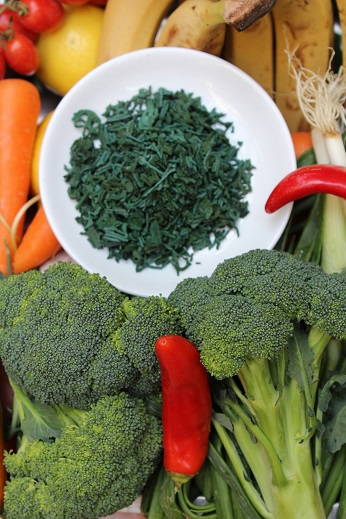

Introduction to Plant-Based Diets
A plant-based diet emphasizes the consumption of foods primarily derived from plants. This definition encompasses not only fruits and vegetables but also nuts, seeds, oils, whole grains, legumes, and beans. The core principle of a plant-based diet is to prioritize whole, unprocessed foods that come from plant sources, while minimizing or completely avoiding animal products. The diet may vary widely among individuals, with some following a strict vegetarian or vegan regimen, while others may include a small amount of animal-derived products. Such flexibility allows for a range of dietary interpretations under the broader plant-based umbrella. Unlike traditional diets that might categorize food choices based on macronutrients like carbohydrates or fats, a plant-based diet focuses more on the source of the food, promoting the idea that nutritional quality is crucial for achieving health benefits. The notion is grounded in research suggesting that diets rich in plant foods are associated with a lower risk of chronic diseases, such as heart disease, diabetes, and certain types of cancer. Furthermore, these diets often provide significant amounts of fiber, vitamins, and minerals, which are integral for overall health.
In addition, the plant-based approach is not limited to setting firm rules about what one can or cannot eat; rather, it encourages a lifestyle change that can positively impact both personal health and the environment. By reducing reliance on animal products, individuals may contribute to lower greenhouse gas emissions and a reduced ecological footprint. Thus, the plant-based diet serves as a tool for those looking to enhance their well-being while considering sustainability. Overall, understanding the fundamental principles of a plant-based diet is essential for anyone considering this dietary path.
Health Benefits of a Plant-Based Diet
A plant-based diet has garnered significant attention in recent years, with numerous studies highlighting its myriad health benefits. One of the most notable advantages is the potential reduction in the risk of chronic diseases. Research indicates that individuals who adopt a predominantly plant-based diet tend to have a lower incidence of heart disease, diabetes, and certain cancers. This can be attributed to the higher intake of fruits, vegetables, whole grains, nuts, and legumes, which are rich in essential nutrients and antioxidants, aiding in the prevention of these conditions.
Moreover, the dietary fiber found in plant-based foods plays a crucial role in promoting healthy digestion. Increased fiber intake is linked with improved gut health, which not only supports digestive efficiency but also contributes to overall well-being. This enhanced digestive function may alleviate issues like constipation and bloating, thereby improving the quality of life for many individuals.
Aside from disease prevention, those following a plant-based diet often report higher energy levels. The consumption of nutrient-dense foods, alongside lower intakes of processed meats and saturated fats, can have a positive impact on energy metabolism. Consequently, individuals may experience increased vitality, which can enhance overall productivity in daily activities.
Weight management is another essential benefit of a plant-based diet. Studies show that individuals adhering to such dietary patterns tend to have lower body mass indices (BMIs). A diet rich in whole plant foods not only promotes satiety due to high fiber content but also encourages healthier food choices that can lead to sustainable weight loss.
In conclusion, adopting a plant-based diet is associated with numerous health benefits, including a reduced risk of chronic diseases, improved digestion, enhanced energy levels, and effective weight management strategies. These factors collectively contribute to a healthier lifestyle and improved well-being.
Environmental Impact of Plant-Based Diets
The environmental advantages of adopting a plant-based diet are becoming increasingly significant in discussions surrounding sustainability and ecological responsibility. One of the primary benefits is the reduction in carbon footprint associated with plant-based food choices. Animal agriculture is a major contributor to greenhouse gas emissions, which have a detrimental impact on climate change. Research indicates that producing plant-based foods generally leads to lower emissions compared to livestock farming, highlighting that shifting towards a plant-based diet can be a vital step in mitigating these effects.
Moreover, a plant-based diet contributes positively to water conservation. The water required for raising animals is substantially higher than that needed for growing crops. For instance, it is estimated that producing one pound of beef requires approximately 1,800 gallons of water, while the same quantity of vegetables or grains requires significantly less. This disparity emphasizes the importance of plant-based eating habits in preserving precious water resources, especially in areas vulnerable to drought and water scarcity.
Additionally, plant-based diets necessitate reduced land use when compared to traditional animal agriculture. Livestock farming not only demands vast expanses of land for grazing but also for growing feed crops. Transitioning towards a plant-based system can thus alleviate pressure on land resources, allowing for increased opportunities for reforestation and biodiversity restoration. The modern approach to dietary choices could foster ecological resilience and promote a more sustainable relationship with our environment.
Ultimately, choosing a plant-based diet is not solely a personal health decision but also a profound commitment to fostering environmental sustainability. As we confront pressing environmental challenges, adopting plant-based nutrition presents itself as a feasible solution for individuals looking to lessen their ecological impact.
Ethical Considerations of a Plant-Based Diet
The ethical implications of adopting a plant-based diet are multifaceted and often inspire profound reflections on our relationship with food and life. One of the most pressing ethical concerns relates to animal welfare, particularly as it pertains to factory farming practices. In many farming systems, animals are raised under conditions that can be considered inhumane, where they may experience overcrowding, restricted movement, and a lack of proper care. By choosing a plant-based diet, individuals can minimize their contribution to these practices, aligning their food choices with their ethical beliefs regarding animal rights and welfare.
Furthermore, moral arguments are often presented regarding the consumption of animal products, suggesting that human beings have an obligation to reduce or eliminate their reliance on animal sources for sustenance. Critics of meat consumption argue that as sentient beings, animals possess intrinsic value that warrants protection from harm and exploitation. Transitioning to a plant-based diet can thus be seen as an act of compassion towards animals, highlighting a commitment to alleviate suffering in the food production system.
Beyond the direct ethical concerns related to animal welfare, there are broader implications to consider, particularly regarding global food systems and social inequalities. A plant-based diet can contribute to a more sustainable agricultural model, which is essential in addressing issues like food scarcity and climate change. By shifting towards plant-based foods, individuals can play a role in promoting equitable access to nutrition, supporting local economies, and reducing the environmental footprint associated with food production. In this context, embracing a diet that emphasizes plant consumption not only addresses personal ethical standards but also signifies a push towards a more just and sustainable global food system.
Potential Nutritional Deficiencies
Adopting a plant-based diet has garnered significant attention for its numerous health benefits; however, it is essential to acknowledge potential nutritional deficiencies that can arise from this dietary choice. One of the primary concerns is adequate protein intake. While plant foods like legumes, nuts, and grains provide protein, they often lack one or more essential amino acids, which can make it challenging to meet daily protein requirements. Therefore, individuals adhering to a plant-based diet must thoughtfully combine different protein sources.
Vitamin B12 is another critical nutrient that requires careful consideration. As this vitamin is predominantly found in animal products, those on a plant-based diet are at risk of deficiency. Without sufficient B12, individuals may experience symptoms such as fatigue, weakness, and neurological issues. Thus, it is advisable for those following a plant-based lifestyle to consider B12-fortified foods or supplements to ensure adequate intake.
Vitamin D is also a concern, as it is predominantly obtained through sunlight exposure and certain animal-based food sources. Individuals living in regions with limited sunlight may need to rely on fortified foods or supplements to satisfy their vitamin D needs. Additionally, iron absorption can be less efficient from plant sources compared to red meat. While legumes and leafy greens are rich in iron, pairing these foods with vitamin C-rich counterparts can enhance absorption.
Calcium, important for bone health, can also be challenging to obtain without dairy products. Plant-based sources like fortified plant milks, tofu, and certain leafy greens are essential for meeting calcium requirements. Lastly, omega-3 fatty acids, often found in fatty fish, should be carefully sourced from flaxseeds, chia seeds, and walnuts in a plant-based diet.
In light of these potential deficiencies, it is crucial for individuals considering a plant-based diet to engage in thorough meal planning, leveraging fortified foods and supplementary nutrients where necessary, thereby ensuring a balanced and nutritious approach to their dietary choices.
Social and Cultural Challenges
Adopting a plant-based diet can present numerous social and cultural challenges that individuals must navigate in their daily lives. One of the most considerable difficulties lies in the limited availability of suitable food options while dining out. Many restaurants may not offer explicit plant-based choices, forcing individuals to either compromise on their dietary preferences or seek out establishments that cater to this lifestyle. This scenario can lead to frustration and an inadvertent isolation from social interactions, especially when dining with friends, family, or colleagues who may not share the same dietary values.
Moreover, social gatherings often revolve around shared meals, making it essential for individuals following a plant-based diet to communicate their dietary choices ahead of time. This need for clear communication can sometimes lead to awkward conversations or the risk of feeling marginalized within social settings. In many cultures, food is a central element of socialization, and therefore, a plant-based lifestyle can inadvertently disrupt long-standing traditions, family customs, and communal celebrations.
Cultural traditions around food are deeply ingrained in many communities, and a shift towards plant-based eating can create tension or misunderstanding among family members and peers. For instance, cultural dishes that are meat-based may clash with a plant-based diet, leading to challenges in participating fully in family gatherings or cultural events. Balancing the desire to adhere to a plant-based lifestyle while respecting and engaging in cultural practices requires sensitivity and creativity. Individuals may need to adapt traditional recipes or express their dietary choices gently, ensuring inclusivity without compromising their principles.
In conclusion, while a plant-based diet has numerous health benefits, the social and cultural challenges associated with it highlight the importance of finding support systems and strategies to navigate these complexities to maintain social engagement and cultural inclusiveness.
Tips for Transitioning to a Plant-Based Diet
Transitioning to a plant-based diet can seem daunting, but with a few strategies, it can become an enjoyable and fulfilling experience. One effective approach is to start small. Instead of overhauling your entire diet overnight, consider dedicating one day a week to eating plant-based meals. This practice, often referred to as “Meatless Monday,” allows you to gradually adapt to a new way of eating without feeling overwhelmed.
Another helpful tactic is to experiment with new recipes. The vast array of plant-based options available today means that variety is not only attainable but also delicious. Explore cookbooks, blogs, or social media platforms that focus on plant-based ingredients. Trying different cuisines can also keep meals exciting. From lentil tacos to chickpea curry, the world of plant-based cooking is rich with flavors and textures that can delight your palate.
It is also beneficial to identify plant-based substitutes for your favorite foods. Many familiar products have plant-based counterparts, such as almond or soy milk instead of dairy milk, and tofu or tempeh as alternatives to meat. This can ease the transition by allowing you to enjoy dishes you already love while adhering to a plant-forward eating style. As you experiment with these substitutes, you might discover new favorites that contribute to a balanced diet.
Finally, seeking community support can be invaluable. Engaging with groups, whether online or in person, can provide encouragement and practical advice from those who share similar dietary objectives. Consider joining forums, attending local meet-ups, or participating in social media groups focused on plant-based living. Sharing experiences and tips with others will not only motivate you but may also enhance your understanding of this lifestyle choice.
Myths and Misconceptions about Plant-Based Diets
Despite the growing popularity of plant-based diets, numerous myths and misconceptions continue to cloud public understanding. One of the predominant myths is the belief that individuals following a plant-based diet may struggle to meet their protein needs. Contrary to this misconception, many plant-based sources, such as legumes, nuts, seeds, and whole grains, are excellent sources of protein. In fact, a well-planned vegetarian or vegan diet can provide all essential amino acids required for optimal health. Therefore, as long as a variety of foods are consumed, protein deficiency is unlikely.
Another common myth revolves around the perceived high cost of plant-based eating. While it is true that specialty vegan products can be expensive, many affordable staples are abundant within a plant-based framework. Foods such as beans, rice, lentils, and seasonal vegetables are not only economical but also incredibly nutritious. Cooking at home and utilizing local produce can significantly reduce expenses, demonstrating that plant-based diets can be both affordable and accessible.
Additionally, many skeptics argue that plant-based diets are less satisfying compared to omnivorous diets. This notion is often rooted in outdated dietary beliefs. In reality, plant-based meals can be delicious and fulfilling when prepared with creativity and skill. There exists a myriad of recipes featuring vibrant vegetables, rich flavors, and diverse textures that consistently prove satisfying. The perception that plant-based diets are bland or unappealing is a myth that easily dismantles upon experiencing the culinary possibilities.
In addressing these myths, it becomes evident that plant-based diets are not only viable but can also be enriching, cost-effective, and thoroughly enjoyable. Understanding the facts can empower individuals to explore the diverse options available within plant-based eating.
Conclusion: Weighing the Decision
The decision to adopt a plant-based diet is multifaceted, encompassing personal health goals, ethical beliefs, environmental concerns, and nutritional needs. While there are numerous advantages to a plant-based diet, such as improved nutritional intake and a reduced carbon footprint, it is imperative to weigh these benefits against potential challenges.
Individuals considering this dietary approach should evaluate their own health objectives. For some, transitioning to a plant-based diet may lead to significant health improvements, including weight loss and enhanced cardiovascular health. However, others may require careful planning to ensure that they receive adequate nutrients such as protein, iron, and vitamin B12, which are commonly found in animal products. Thus, personalized dietary planning becomes essential in making this transition successful.
Ethical considerations also play a vital role in the decision-making process. For many, a plant-based diet aligns with their values regarding animal welfare and sustainability. This shift can contribute to a broader impact, as reducing the consumption of animal products is linked with lower greenhouse gas emissions and less land degradation.
Lastly, environmental concerns are increasingly significant in today’s society. Adopting a plant-based diet can substantially decrease one’s ecological footprint, promoting a more sustainable way of living. However, it is important to also consider the sourcing of plant-based foods and choose sustainable options when possible.
In conclusion, the choice to adopt a plant-based diet should not be taken lightly. Prospective vegetarians or vegans must weigh the advantages and pitfalls against their personal values and lifestyle. Making an informed decision can lead to a fulfilling and health-conscious approach to dietary habits, aligning with both individual needs and broader global concerns.

