

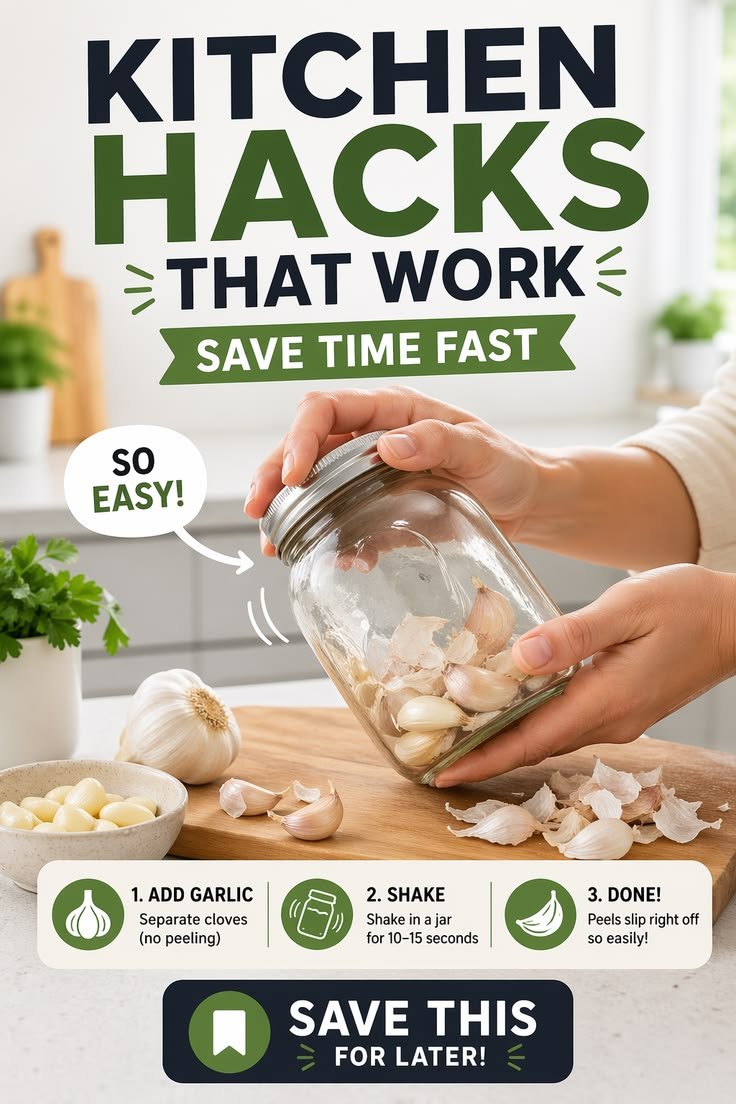

Introduction to Kitchen Hacks
In the fast-paced modern world, the kitchen remains a central hub for families and individuals alike. However, the time and effort required to prepare meals can often be overwhelming. This is where kitchen hacks come into play. Defined as innovative tips and tricks that streamline cooking processes, kitchen hacks are designed to simplify food preparation and help cooks of all skill levels save precious time.
The importance of kitchen hacks cannot be overstated. For novice cooks, these techniques can demystify the cooking process, making the preparation of nutritious meals feel more accessible and less intimidating. On the other hand, experienced cooks can benefit from these time-saving strategies by refining their routines, allowing them to focus more on creativity rather than the tedious aspects of meal preparation.
Kitchen hacks encompass a wide range of practices, from food preservation techniques to efficient cooking methods. For instance, utilizing tools like food processors or slow cookers can significantly reduce the amount of active cooking time required. Additionally, organizing ingredients and cooking utensils can create a smoother workflow in the kitchen, minimizing distractions and interruptions during meal preparation.
Moreover, meal prepping is a popular kitchen hack that helps streamline weekday cooking, allowing individuals to prepare ingredients in advance and enjoy freshly cooked meals with minimal effort. By adopting these practices, cooks can enhance their efficiency and enjoy a more organized kitchen environment, ultimately fostering a more enjoyable cooking experience.
As we delve deeper into the world of kitchen hacks, it becomes evident that these time-saving techniques are invaluable for anyone looking to simplify their cooking routine, reduce stress, and maximize their culinary enjoyment.
Essential Kitchen Tools for Efficiency
In the pursuit of cooking efficiency, investing in essential kitchen tools can significantly streamline your culinary routine. One of the most pivotal items in any kitchen is a set of sharp knives. Effective kitchen knives not only enhance safety by reducing the effort needed to cut through various ingredients but also improve precision in food preparation. A well-maintained chef’s knife, paired with a paring knife, can cater to a multitude of chopping, slicing, and dicing tasks, ultimately decreasing overall cooking time.
Another indispensable tool is the food processor. This gadget can revolutionize meal preparation by quickly handling tasks such as chopping vegetables, shredding cheese, or mixing batter. By incorporating a food processor into your kitchen arsenal, you reduce manual labor and enhance consistency in your dishes, which can be especially beneficial when preparing large meals or engaging in batch cooking.
Time management in the kitchen can also be greatly enhanced by using a reliable kitchen timer. This tool ensures that you never lose track of cooking times, minimizing the risk of overcooking or burning ingredients. Whether you are boiling pasta, baking, or grilling, a timer can keep you organized, allowing you to multitask efficiently without compromising on quality.
Additionally, utensils such as measuring cups and spoons, as well as an accurate digital scale, facilitate precise ingredient measurements, which is vital for consistent results in recipes. Less time spent on measuring leads to a more efficient workflow and a greater enjoyment of the cooking process.
Lastly, investing in quality storage solutions, such as airtight containers, will assist in keeping your ingredients organized and readily accessible, leading to a more streamlined cooking experience. Overall, these essential kitchen tools can drastically cut down cooking time and elevate your culinary capabilities.
Meal Prepping: The Ultimate Time Saver
Meal prepping is an efficient cooking strategy that allows individuals to prepare their meals in advance, thereby saving valuable time during the week. By dedicating a few hours on a specific day to plan and cook meals, one can significantly streamline their daily cooking routine. This preparation not only alleviates stress during busy weekdays but also promotes healthier eating habits, as it ensures access to nutritious options without the temptation of fast food.
To begin with meal prepping, it is essential to start with a structured plan. Create a menu for the week and decide which meals can be batch cooked. Consider dishes that store well and can be easily reheated, such as soups, stews, and casseroles. When selecting recipes, aim for a variety that balances proteins, vegetables, and carbohydrates. This not only keeps meals interesting but also ensures a wide range of nutrients.
Once the menus are established, the next step is to organize a grocery list based on the planned meals. Purchase ingredients in bulk whenever possible, as this often yields cost savings and reduces the frequency of shopping trips. After bringing home the groceries, set aside time for batch cooking. Prepare large quantities of components—such as grains, proteins, and chopped vegetables—that can be combined in various meals throughout the week.
For effective storage, use clear, airtight containers to keep prepped meals visible and fresh. Label each container with the meal name and date to avoid confusion. By implementing these meal prepping strategies, individuals can minimize cooking time during the week, making it easier to adhere to healthy eating habits while claiming back time in their busy schedules.
Smart Ingredient Substitutions
In today’s fast-paced world, everyone is looking for ways to streamline their cooking processes. One effective method is to use smart ingredient substitutions, which can not only save time but also reduce the need for complex preparations. By having a few common substitutes on hand, you can quickly whip up meals without the need to shop for every single item on your recipe list.
For instance, if a recipe calls for buttermilk and you find yourself without this ingredient, you can easily create a homemade substitute using regular milk. Simply add a tablespoon of vinegar or lemon juice to a cup of milk, allowing it to sit for about five minutes. This simple method not only saves you from an extra trip to the grocery store but also prevents extended wait times in your cooking routine.
Another common substitution is to replace fresh herbs with dried ones. When a dish requires fresh basil or parsley, a teaspoon of dried herbs can stand in for every tablespoon of fresh herb called for, significantly cutting down your prep time. This can be especially useful when you have limited time or are running low on fresh ingredients.
Moreover, if you need to thicken sauces or soups but don’t have cornstarch, consider using flour or mashed potatoes as alternatives. This technique can save precious moments in your kitchen, as these ingredients typically require no additional preparation before being added to your dish.
Utilizing smart ingredient substitutions is a simple yet effective approach to enhance your cooking efficiency. By keeping these strategies in mind, you can create delicious meals while minimizing the time spent on ingredient shopping and preparation, thus simplifying your overall cooking routine.
One-Pot and One-Pan Recipes
In modern kitchens, efficiency is paramount, and one-pot and one-pan recipes serve as an ideal solution for those looking to save time while enjoying home-cooked meals. These cooking techniques not only minimize the number of cooking vessels required but also streamline the preparation and cooking process, making them perfect for busy individuals and families. By limiting the number of pots and pans used, these methods significantly reduce cleanup time, allowing you to focus more on enjoying your meal.
One-pot recipes are versatile and can include a wide range of dishes, such as hearty stews, comforting pasta bakes, and savory rice dishes. For example, a classic one-pot chili requires only a single pot to cook the meat, beans, tomatoes, and spices together, resulting in a deeply flavorful dish with minimal fuss. Similarly, a one-pot pasta recipe simplifies the cooking process further by allowing the pasta to cook directly in the sauce, absorbing all the delicious flavors while eliminating the need for a separate saucepan.
On the other hand, one-pan recipes tend to focus on sheet pan cooking, where an assortment of ingredients is seasoned and placed on a single baking sheet. This method works beautifully for roasted vegetables complemented by proteins like chicken or fish. A popular option is the sheet pan dinner, where seasoned chicken thighs are roasted alongside seasonal vegetables such as broccoli or carrots, allowing a complete meal to be prepared in one go. These recipes are not only convenient but lend themselves to easy customization according to personal tastes and dietary restrictions.
By adopting one-pot and one-pan recipes into your cooking routine, you can significantly cut down on both preparation time and cleanup, making cooking less of a chore and more of an enjoyable experience. Perfect for weeknight meals or entertaining guests, these recipes prove that simplicity can indeed lead to delightful culinary results.
Using Leftovers Wisely
Incorporating leftovers into your cooking routine can serve as a powerful time-saving strategy, enabling you to prepare tasty meals with minimal effort. This approach not only reduces food waste but also provides an excellent opportunity to be creative in the kitchen. By using leftover proteins and vegetables, you can whip up new dishes that are both nutritious and satisfying.
One of the most versatile forms of leftovers is cooked meat. For instance, roasted chicken can be transformed into a flavorful chicken salad by adding ingredients such as celery, grapes, and a light dressing. Alternatively, shredded beef from a previous meal can serve as a base for tacos or enchiladas. By thinking outside the box, you can ensure that every bite counts and that your cooking routine remains efficient.
Vegetables are another key ingredient that can be easily repurposed. Leftover steamed broccoli or sautéed bell peppers can be added to omelets, giving them an instant upgrade while saving cooking time. Furthermore, a mix of leftover veggies can be thrown together to create a hearty stir-fry, which not only utilizes what you have on hand but also cooks quickly, making it an ideal weeknight dinner.Utilizing grains such as rice or quinoa can also lead to inventive meals. For example, leftover rice can be refried with eggs, soy sauce, and your choice of vegetables to make a nourishing fried rice dish. Additionally, incorporating leftover grains into soups or casseroles can add bulk, making for budget-friendly meals without additional preparation time.
Ultimately, by reimagining your leftovers creatively, you can streamline your cooking process. This not only saves valuable time in the kitchen but also encourages mindful eating and reducing waste. Embrace the art of utilizing leftovers wisely, and discover how simple it can be to enhance your meal preparation.
Time-Saving Cooking Techniques
Time-saving cooking techniques are essential for anyone looking to optimize their kitchen routine. These techniques not only reduce preparation times but also enhance the overall efficiency of the cooking process. One of the most effective methods is utilizing high heat when cooking. By increasing the temperature, food cooks faster, allowing you to spend less time at the stove. For example, stir-frying vegetables on high heat caramelizes their natural sugars quickly, resulting in a flavorful dish that requires minimal cooking time.
Another invaluable time-saving technique is precooking grains such as rice or quinoa. By preparing these staple ingredients in bulk ahead of time, you can significantly minimize your daily cooking efforts. Store the precooked grains in the refrigerator, and simply reheat them as needed throughout the week. This not only saves time but also allows for more versatility in meal preparation, as these grains can easily accompany a variety of dishes.
Moreover, employing microwave shortcuts can greatly simplify your cooking routine. Many foods, including vegetables and even protein sources like fish, can be quickly cooked or reheated in the microwave. Utilizing microwave-safe containers for steaming vegetables or defrosting meats can save considerable time compared to traditional methods. For instance, simply placing broccoli in a bowl with a splash of water and microwaving it for a few minutes can yield perfectly steamed vegetables in less than five minutes.
In addition to these techniques, it can be beneficial to plan your meals strategically. Meal prepping allows you to gather, chop, and store ingredients in advance, further reducing the time spent on cooking during busy weekdays. By adopting these time-saving cooking techniques, you can streamline your kitchen routine, making cooking a less daunting task and enhancing your overall cooking experience.
Organizing Your Kitchen for Speed
Effective kitchen organization can significantly enhance cooking efficiency and streamline your culinary tasks. To start, focus on your pantry organization. A well-structured pantry not only helps you locate ingredients quickly but also minimizes the time spent on meal preparation. Categorize your pantry items by type, such as grains, canned goods, and spices, and use clear containers or labels to ensure everything is visible and easy to access. Regularly declutter and remove expired items to maintain an efficient space.
Next, establish a functional workspace within your kitchen. Optimize your countertop by removing unnecessary items, which can create distractions and impede your cooking process. Work zones are beneficial; designate areas for prepping, cooking, and plating. Keep cutting boards, knives, and mixing bowls near the prep zone, ensuring you have all necessary tools at hand. When cooking, having a clutter-free environment can prevent mishaps and make the process smoother.
Finally, consider the placement of frequently used items within easy reach. Store pots, pans, utensils, and measuring cups in accessible drawers or countertop holders. Items that are used regularly should be positioned conveniently to reduce the amount of time spent searching for them during meal preparation. A lazy Susan or pull-out shelves can make accessing less frequently used items easier while allowing more essential tools to remain front and center.
By strategically organizing your pantry, creating distinct workspaces, and ensuring that your most-used items are readily available, you will not only save time but also enjoy a more productive cooking experience. Implementing these simple kitchen hacks can transform your cooking routine, making it faster and more enjoyable.
Conclusion: Embracing Simplicity in Cooking
In today’s fast-paced world, incorporating time-saving kitchen hacks into our daily cooking practices can significantly ease the burden of meal preparation. As cooking enthusiasts and busy individuals alike strive to make the most out of their time, these simple yet effective hacks can transform the kitchen experience into a more enjoyable and efficient task. By integrating these strategies, individuals can not only reduce the time spent preparing meals but also enhance their creativity in the kitchen.
Experimentation plays a crucial role in discovering what methods work best for you. Consider trying the various tips shared throughout this post, such as pre-chopping ingredients or using multi-functional kitchen appliances. These adjustments may seem minor, yet they can lead to considerable time savings and improved organization. Furthermore, simplifying your cooking routine allows for a more relaxed approach to meal preparation, which is essential when striving for a balanced lifestyle.
Ultimately, embracing simplicity in cooking does not mean sacrificing flavor or quality. On the contrary, it encourages a more mindful approach to food preparation, allowing for experimentation with different cuisines and ingredients. Thus, by adopting these time-saving techniques, you can approach your kitchen with renewed enthusiasm and creativity. The goal is to find a system that works seamlessly for your lifestyle, enabling you to focus more on the enjoyment of cooking rather than the stress often associated with it.
In conclusion, as you explore and implement these kitchen hacks, remember that the journey toward simplifying your cooking routine is ongoing. Embrace the process, be patient with yourself, and over time, you will discover your unique ways to streamline your culinary ventures.

