

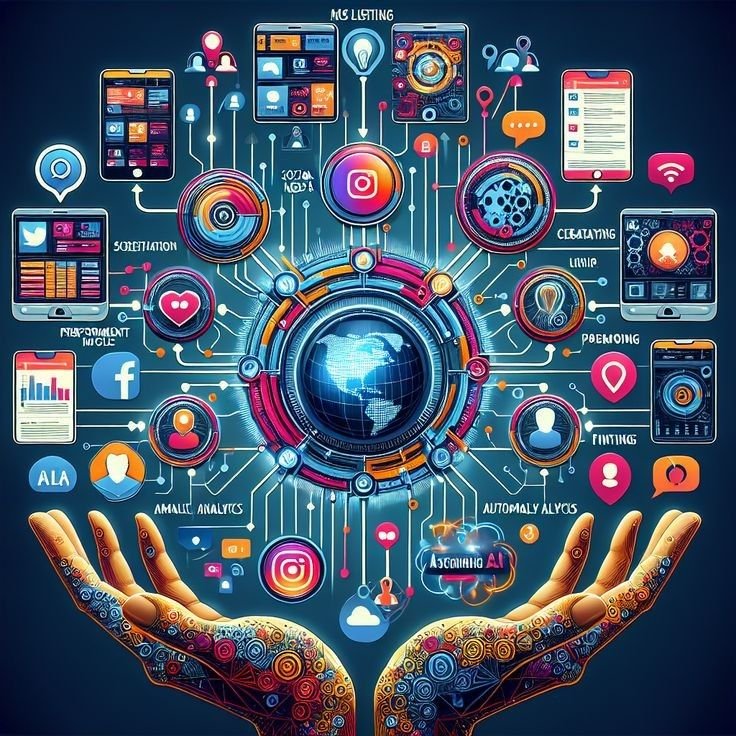

Introduction to Digital Fame
In recent years, the concept of fame has undergone a significant transformation with the advent of digital technology and social media platforms. Traditional fame, often associated with film, television, and music, is being redefined as individuals leverage online platforms to gain recognition and influence. The digital age has facilitated a rapid change in how fame is attained and perceived, leading to the emergence of a new breed of celebrities often referred to as online influencers.
Social media platforms such as Instagram, TikTok, and YouTube have democratized fame, allowing anyone with a smartphone and an internet connection to potentially reach thousands, if not millions, of followers. Unlike their counterparts in traditional media, these digital influencers build their personal brands through authentic interactions and relatable content creation. This shift from traditional to digital fame has created a landscape where viral trends can elevate individuals from obscurity to global recognition almost overnight.
Moreover, the role of audience engagement is paramount in the sphere of digital fame. Unlike the passive consumption of content that often characterized traditional fame, social media encourages direct interaction between creators and their audiences. This bootstrap approach to fame fosters a sense of community and belonging among followers, who perceive themselves as part of the influencer’s journey. The labyrinth of likes, shares, and comments not only drives visibility but also creates a feedback loop that can significantly shape the influence and decisions of the creator.
In essence, the digital age has restructured the pathways to fame, making it more accessible and participatory. This new paradigm challenges traditional notions of celebrity and continues to evolve as technology and platforms progress, prompting ongoing discussions about the implications of digital fame on society as a whole.
The Rise of Social Media Influencers
The emergence of social media influencers marks a significant shift in how fame is perceived and achieved in the digital age. Unlike traditional celebrities, social media influencers leverage platforms such as Instagram, TikTok, YouTube, and Twitter to connect directly with audiences. This direct connection fosters a sense of authenticity, allowing influencers to build personal relationships with their followers, thus amplifying their reach and impact.
Platforms like Instagram and TikTok have become incubators for talent, where ordinary individuals can gain immense popularity through engaging content that resonates with users. The visually driven nature of these platforms enables influencers to showcase their lifestyles, talents, and opinions, often leading to massive followings in a relatively short period. The varied nature of these platforms allows influencers to carve out niche markets, catering to specific interests such as fashion, beauty, fitness, travel, and more.
As influencers gain followers, they can monetize their presence through brand partnerships, endorsements, and content creation. Brands recognize the value of influencer marketing, as it allows them to reach targeted demographics more effectively than traditional advertising methods. Moreover, the influencer marketing industry has grown rapidly, with businesses allocating significant portions of their budgets to collaborate with influencers who align with their brand identities.
Social media influencers have become modern symbols of fame, embodying a new form of celebrity that is largely defined by engagement and relatability. Their rapid rise to prominence is indicative of a broader cultural shift where digital platforms not only serve as entertainment sources but also as legitimate avenues for career development and personal branding. The influence of these creators extends beyond their follower counts; they shape trends, establish market demands, and redefine the very essence of fame in the contemporary landscape.
Impact of Viral Trends on Fame
In the contemporary landscape of digital media, viral trends serve as a significant catalyst for individuals seeking fame. These trends can propel ordinary people into the spotlight almost overnight, leveraging the vast reach of social media platforms. The mechanisms behind this phenomenon are multifaceted, involving elements such as engagement, relatability, and the power of algorithms.
When a piece of content resonates with a wide audience, it has the potential to be shared extensively. This sharing creates a ripple effect, wherein one person’s engagement can lead to a multitude of additional shares, thereby exponentially increasing visibility. Such trends often capitalize on current events, memes, or catchy challenges, making them timely and culturally relevant, which encourages widespread participation and further boosts visibility.
Additionally, algorithms employed by platforms like Instagram, TikTok, and Twitter play a crucial role in determining which content gains traction. These algorithms favor content that garners immediate interaction, such as likes, shares, and comments. As a result, highly engaging posts can reach audiences far beyond the creator’s initial followers, contributing to a swift rise in popularity.
However, the sustainability of fame achieved through viral trends remains contentious. Typically, this type of fame may be fleeting, with individuals experiencing a peak followed by a gradual decline in public interest. While some creators manage to sustain their newfound fame by evolving their content or engaging with their audience more deeply, many struggle to maintain relevance once the trend subsides. Thus, while viral trends can offer a rapid pathway to celebrity status, they may lack the depth needed for long-term recognition.
In evaluating the impact of viral trends on fame, it is crucial to consider both the opportunities they present and the challenges they impose. Achieving and maintaining fame in the digital age necessitates adaptability and an understanding of audience dynamics.
Authenticity and Fame in the Digital Era
In the contemporary landscape of fame, authenticity has emerged as a pivotal characteristic that influences public perception. Unlike previous eras where celebrity status was often a construct of media manipulation and public relations strategies, the digital age has ushered in a demand for transparency and genuineness. Audiences today are more discerning and often seek connection with individuals who project authenticity rather than a heavily curated or manufactured persona.
Social media platforms have become the primary stages upon which fame is built and contested. Influencers and public figures who are perceived as genuine tend to cultivate a loyal following, as they resonate with fans on a personal level. These personalities often share their authentic experiences, challenges, and successes, thus contributing to a narrative that feels relatable and trustworthy. This phenomenon has shifted the dynamics of fame, where candidness in sharing one’s life, including vulnerabilities, plays a crucial role in attracting and maintaining an audience.
Conversely, the age of authenticity has also posed risks for many seeking fame. Individuals who adopt an overly curated image or whose personal branding appears disingenuous often face backlash from audiences that crave real engagement. The rise of cancellation culture highlights how quickly public attention can turn against those perceived as inauthentic. This has compelled many who aspire to fame to rethink their narratives, striving to present themselves in a manner that reflects not only their aspirations but also their realities.
As fame continues to evolve with the rise of digital platforms, the line between authenticity and performance is increasingly blurred. Ultimately, those who can navigate this complex interplay, projecting an authentic self while engaging with the curated demands of public visibility, are likely to achieve lasting success in the realm of fame.
The rise of fame in the digital age has undoubtedly transformed the landscape of celebrity culture, yet it has also introduced numerous challenges that those seeking or navigating fame must contend with. One of the primary challenges associated with digital fame is the impact on mental health. The constant scrutiny from online platforms can lead individuals, especially young influencers and celebrities, to experience anxiety, depression, and feelings of inadequacy. The pressure to maintain a curated online persona can result in a disconnect from reality, exacerbating existing mental health issues or potentially leading to new ones.
Privacy concerns represent another significant challenge in the realm of digital fame. Public figures often find their personal lives exposed and analyzed, with little ability to protect their privacy. Intrusions on personal space, online harassment, and the risk of doxing—where sensitive information is published online to intimidate or harm—are rampant in the digital age. This rapid dissemination of personal details can compromise not only the individual’s safety but also that of their loved ones.
Moreover, cyberbullying has emerged as a pervasive consequence of digital fame. Individuals in the public eye face not only adoration but also relentless criticism and negativity from online communities. This bullying can have profound effects on their self-esteem and mental wellbeing. The anonymity that the internet provides often emboldens individuals to engage in harmful speech and actions, resulting in targeted attacks that can become overwhelming for the victim.
As digital fame continues its ascent, it is essential for influencers and celebrities to prioritize their mental health, establish boundaries to protect their privacy, and cultivate resilience against the negative aspects of online interactions. Awareness of these challenges is crucial for establishing a healthier digital environment for both public figures and their followers.
Case Studies of Digital Fame
The rise of digital platforms has dramatically transformed the landscape of fame, allowing individuals from various backgrounds to achieve recognition and success. One compelling example is that of the social media influencer, Kylie Jenner. She leveraged her presence on platforms such as Instagram to build a cosmetics empire, Kylie Cosmetics. By engaging with her audience through relatable content and tutorials, Jenner capitalized on social media’s reach to turn her personal brand into a multimillion-dollar business, demonstrating the power of digital fame.
Similarly, the YouTube community has produced a diverse array of individuals who have found fame through their unique content and personalities. Consider the journey of Jenna Marbles. She began her career by creating humorous content that resonated with a broad audience. Over time, her candid approach to discussing personal topics garnered her millions of subscribers. However, her career exemplifies that digital fame comes with its hurdles, including the pressure to constantly innovate and navigate public scrutiny.
Another notable case is that of MrBeast, known for his extravagant challenges and philanthropic endeavors. Born Jimmy Donaldson, he started on YouTube by creating gaming content before evolving into a figure that exemplifies both entertainment and charity. His significant following and ability to generate viral content underscore how digital fame is not solely about individual success; it also involves giving back to the community. MrBeast’s journey illustrates the balance between pursuing personal ambition and leveraging fame for social impact.
These case studies highlight that while digital fame can lead to significant opportunities, it is not without its challenges. The individuals mentioned have navigated their unique paths by mastering the intricacies of digital presence, ultimately achieving fame that reflects both personal and professional aspirations.
Monetization of Digital Fame
In the contemporary landscape of digital fame, individuals who achieve recognition on platforms such as social media often find numerous avenues for monetization. This phenomenon allows them to capitalize on their popularity for financial gain, transforming their fame into lucrative opportunities. Sponsorships represent one of the most significant revenue streams. Brands are increasingly eager to collaborate with famous personalities, leveraging their reach to promote products or services. Through sponsored posts, videos, or events, influencers can command substantial fees that reflect their audience engagement and brand alignment.
Another effective method for monetizing fame is through the sale of merchandise. Celebrities and influencers frequently develop personal brands that resonate with their followers, creating a market for customized products. These can range from clothing lines to beauty products and even exclusive collectibles, all of which allow famous individuals to generate income directly from their fan base. Furthermore, collaborations with established brands can enhance product visibility, creating a win-win situation for both parties involved.
Beyond sponsorships and merchandise, digital fame can also open doors to multiple revenue streams such as paid subscriptions and exclusive content offerings. Platforms like Patreon or OnlyFans enable creators to share premium content with dedicated fans in exchange for a monthly fee, reflecting a more personalized connection. Moreover, digital fame creates opportunities for personal appearances and speaking engagements, providing further financial benefits through ticket sales and appearance fees.
Ultimately, the digital age has transformed how individuals can monetize their fame, allowing them to harness their influence effectively. By leveraging various revenue streams such as sponsorships, merchandise, and exclusive content offerings, famous individuals are not only enhancing their financial prospects but also further solidifying their brand presence in an ever-evolving marketplace.
Future Trends in Digital Fame
The landscape of fame is continually evolving, particularly in the digital age, where various platforms reshape how public personas are formed and perceived. A few trends are emerging that suggest significant changes in how fame will be constructed and maintained in the future. One compelling trend is the rise of artificial intelligence and machine learning applications in influencer marketing and content creation. These technologies enable brands to analyze data patterns, engage targeted audiences more effectively, and even create virtual influencers who can attract followers without any human intervention. Such innovation challenges traditional notions of authenticity and the very essence of what it means to be famous.
Additionally, changing audience expectations play a crucial role in shaping future fame. Today’s consumers are increasingly seeking more authentic and relatable figures, often favoring micro-influencers who engage with their followers on a personal level over traditional celebrities. This shift signifies that connection and relatability may become more important than sheer visibility. As a result, future influencers may need to focus on building genuine communities rather than just amassing wide-reaching audiences.
Furthermore, evolving cultural norms will likely influence digital fame. A growing emphasis on inclusivity and diversity across social media platforms indicates that fame will be less about fitting a certain mold and more about representing varied narratives and experiences. This change may empower a broader spectrum of individuals to achieve notable recognition.
In conclusion, the future of fame in the digital landscape appears to be intertwined with technological advancements, audience preferences for authenticity, and a shift toward more diverse representations. These trends will likely redefine not only who becomes famous but also how fame itself is perceived in society.
Conclusion: Redefining Fame
In the contemporary digital landscape, fame has transformed dramatically, evolving from traditional paradigms to more intricate interpretations. Social media platforms, such as Instagram and TikTok, serve as crucial avenues for individuals to gain recognition and influence, often in ways that mirror celebrity culture but diverge significantly in execution and impact. The democratization of fame means that individuals from diverse backgrounds can achieve public acknowledgment, reshaping societal standards and expectations regarding success and relevance.
Moreover, the metrics of fame have shifted; engagement and reach on digital platforms often outweigh conventional markers of success, such as awards and media appearances. This has led to a redefinition of what it means to be famous, as individuals often focus on cultivating an authentic brand and fostering connections with their audience. The process emphasizes relatability over aloofness, prompting societal reflections on authenticity and the nature of public personas.
As we navigate this evolving concept of fame, it is evident that the implications extend beyond personal identity to influence social dynamics and cultural narratives. Online fame facilitates not just individual success but also community building, as fans often come together in support of their preferred personas. Consequently, celebrity status in the digital era becomes a communal experience, highlighting the interactivity of fan engagement.
Ultimately, the redefinition of fame in the digital age prompts significant questions about the future of recognition and societal values. As platforms continue to evolve and new forms of content emerge, understanding the implications of this shift remains essential for grasping how fame impacts individuals and society as a whole.

