

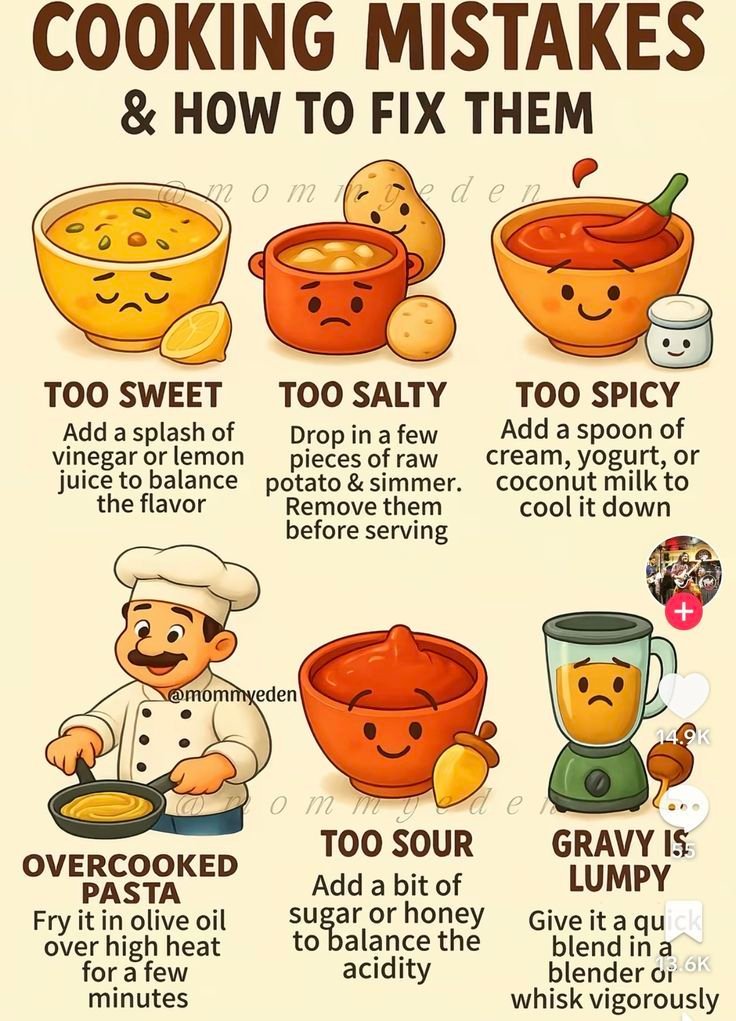

Understanding the Basics of Culinary Skills
For anyone aspiring to excel in the culinary world, mastering the fundamental culinary skills is essential. These essential techniques serve as the foundation from which all advanced cooking methods evolve. The first skill every chef should familiarize themselves with is knife skills. Proper handling of a knife not only improves efficiency but also enhances safety in the kitchen. Learning how to chop, slice, and dice vegetables and herbs uniformly leads to balanced cooking and aesthetically pleasing presentation.
Beyond knife skills, a chef must be proficient in various cooking techniques. Sautéing, roasting, and simmering are among the core methods that every cook should master. Sautéing involves cooking food quickly in a small amount of fat at high heat, allowing for a deliciously crisp finish. Roasting, on the other hand, typically occurs in the oven with dry heat, resulting in tender dishes with rich flavors. Simmering is a method that requires patience; it involves cooking food gently in liquid just below the boiling point, which is indispensable for making stocks or soups.
Moreover, understanding basic food safety practices cannot be overlooked. This includes proper handling and storage of ingredients to prevent foodborne illness. Chefs must adhere to clean kitchen practices, such as distinguishing between raw and cooked foods, and maintaining temperature controls to ensure that dishes are not only delicious but also safe for consumption. By prioritizing these foundational culinary skills — knife handling, cooking techniques, and food safety practices — aspiring chefs can lay a solid groundwork, preparing them for more advanced culinary education and exploration.
Essential Kitchen Tools and Equipment
To embark on the journey of cooking like a professional chef, it is imperative to equip your kitchen with the essential tools and equipment. These items not only facilitate efficient cooking but also enhance the overall culinary experience. Among the most vital tools is a set of high-quality knives. A chef’s knife, paring knife, and serrated knife are considered must-haves, as they allow for precision and ease in food preparation. Investing in a good knife set will undoubtedly yield better results in your cooking endeavors.
Next, the importance of pots and pans cannot be overstated. A well-equipped kitchen should feature a variety of cookware, including non-stick, stainless steel, and cast iron options. Each type of pot and pan serves a specific purpose and influences the outcome of various dishes. For instance, non-stick pans are ideal for delicate items like eggs, while cast iron skillets are excellent for searing meats and baking.
Measuring tools such as cups, spoons, and kitchen scales are equally essential. Accurate measurements are crucial for achieving consistent results in recipes, making these tools indispensable for any culinary enthusiast. Additionally, specialty gadgets such as immersion blenders, food processors, and mandolins can streamline meal preparation and elevate your cooking techniques.
Ultimately, investing in quality kitchen tools and equipment can significantly affect the success of your culinary creations. Each tool not only enhances the efficiency of preparation but also influences the flavors and presentation of your dishes. By prioritizing quality over quantity in your kitchen arsenal, you can cultivate a professional-level cooking environment that encourages creativity and skill development.
Meal Prep: Planning and Organization
Meal preparation is a vital component in the culinary world, particularly within a professional kitchen. The essence of meal prep lies in its ability to streamline the cooking process, ensuring that each dish is executed with precision and efficiency. Successful meal prep begins with meticulous planning, where chefs outline the meals they intend to prepare, considering not only flavor pairings but also nutritional balance and ingredient availability.
To optimize efficiency, organizing ingredients is paramount. This involves grouping similar ingredients together and ensuring that all components are easily accessible. Utilizing clear containers for storage can significantly enhance clarity in ingredient management. Labeling items with their names and preparation dates further aids in maintaining organization, reducing the risk of spoilage and food waste.
Creating a detailed cooking timeline is equally important. This timeline should allocate specific times for different stages of preparation, from chopping vegetables to marinating proteins. By following this structured approach, chefs can maintain focus and prevent overlapping tasks, which may lead to confusion and errors. Additionally, implementing a system of batch cooking allows for the preparation of larger quantities of staples, such as grains and sauces, which can then be portioned and stored for later use.
Proper storage techniques complement the meal prep process. Understanding the best practices for refrigerating and freezing ingredients can extend their shelf life and preserve their flavors. For example, placing herbs in airtight containers or using vacuum-sealed bags for meats can significantly enhance freshness. In essence, effective meal prep encompasses planning, organization, and storage – all crucial elements that significantly contribute to the performance of a professional chef. This systematic approach not only fosters creativity in the kitchen but also reinforces a discipline that is vital for culinary excellence.
Developing a Culinary Palette
To cook like a professional chef, one must first develop a refined culinary palette. This involves a conscious effort to explore, taste, and understand various flavors, herbs, and spices that together create the complexity of culinary dishes. An essential aspect of cooking is tasting; this practice allows cooks to adjust and refine their creations, ensuring a harmonious balance of flavors that can elevate the final plate.
Start by experimenting with a myriad of flavor profiles. For instance, understand how the sweetness of caramelized onions can complement the acidity of tomatoes, or how the earthiness of cumin can add depth to a dish. Additionally, consider the role of herbs and spices, which are crucial in transforming a basic dish into a gourmet experience. Fresh herbs, such as basil, cilantro, or dill, can provide brightness and freshness, while dried spices—cinnamon, nutmeg, or paprika—can introduce warmth and richness.
As you cook, taste continuously and encourage yourself to make adjustments. This iterative process not only helps in developing your palate but also enhances the quality of your dish. Understanding how to balance the five basic tastes—sweet, sour, salty, bitter, and umami—significantly impacts the final result. Each ingredient contributes uniquely to this balance, making it crucial to assess their interplay as you cook.
Furthermore, familiarize yourself with different cuisines. Each cultural tradition offers a distinct approach to flavor combinations and ingredient usages. For example, Asian cooking often emphasizes umami through the use of soy sauce or miso, while Mediterranean dishes frequently rely on olive oil and fresh lemon to achieve flavor balance. By immersing yourself in various culinary traditions, you can expand your repertoire, making you more adept at crafting well-rounded dishes.
Mastering Cooking Techniques
In the realm of culinary arts, mastering advanced cooking techniques can elevate a dish from ordinary to extraordinary. Professional chefs often employ methods such as sous-vide, emulsification, and deglazing, each of which serves unique purposes and enhances the overall flavor and presentation of a meal.
Sous-vide, a French term meaning “under vacuum,” involves cooking food in a vacuum-sealed bag submerged in a temperature-controlled water bath. This technique allows for precise temperature control, ensuring that proteins are cooked evenly and retain their juices. For example, cooking a steak sous-vide at 130°F for one to two hours will result in perfectly tender meat that can be seared for a flavorful crust. Sous-vide is particularly advantageous for tough cuts of meat, vegetables, and even eggs, allowing for consistent results.
Emulsification is another key technique that professional chefs utilize, particularly when creating dressings and sauces. This process involves combining two liquids that typically do not mix, such as oil and vinegar, into a smooth and cohesive mixture. Using a whisk or an immersion blender can facilitate emulsification. A classic example is the preparation of mayonnaise, where egg yolk acts as a natural emulsifier, allowing the oil to blend seamlessly with the vinegar or lemon juice. Mastery of emulsification can significantly improve a chef’s ability to create dressings that enhance the complexity of various dishes.
Deglazing is a technique that involves adding liquid to a hot pan after sautéing meats or vegetables. This process not only helps to loosen and dissolve the browned bits of food stuck to the pan, enhancing flavor, but also creates a delicious base for sauces. Common deglazing liquids include wine, stock, or even vinegar, which bring acidity and depth to the final dish. For instance, after pan-searing chicken, a deglaze with white wine can yield a stunning sauce paired with herbs and butter, perfect for dressing the protein.
By mastering these advanced cooking techniques, aspiring chefs can enhance their culinary repertoire, bringing finesse and depth to their dishes.
Plating and Presentation Skills
Plating can be considered an art form in the culinary world. Mastering the presentation of a dish transforms not only the visual appeal but also enhances the overall dining experience. A professionally plated dish embodies creativity and sophistication, making it crucial for aspiring chefs to grasp the fundamental techniques that drive successful food presentation.
One of the primary aspects of plating is understanding the elements of design. This includes considerations such as balance, contrast, and focal points. To create visual interest on the plate, chefs should aim for a harmonious balance between different ingredients, colors, and textures. For example, placing a vibrant green garnish against a neutral backdrop can create striking contrast that draws attention. Using different heights and layers can add depth and intrigue, making the dish more inviting.
Color plays an integral role in food presentation. Dishes that utilize a variety of colors are often more appealing to the eye. Chefs can capitalize on seasonal vegetables, herbs, and garnishes to create a palette that is both appetizing and visually stimulating. It’s advisable to think about how colors can complement or contrast against one another, as this can elevate the dish’s allure.
Garnishing techniques are another essential skill when it comes to plating. Simple garnishes such as edible flowers, herbs, or a drizzle of sauce can enhance a dish without overpowering it. It’s important to use garnishes that complement the main ingredients, serving not just for decoration but also to enhance the dish’s flavor profile.
Lastly, the arrangement of food on the plate should be thoughtfully considered. Leaving negative space can direct focus to the main component of the dish and prevent the plate from appearing cluttered. By applying these principles and techniques of design, color, and garnishing, you can significantly improve your plating skills, impressing diners and elevating their overall experience.
Understanding Ingredients: Sourcing and Quality
Ingredient selection plays a crucial role in the culinary world, as the quality of each component greatly influences the final outcome of a dish. A professional chef knows that fresh and seasonal ingredients not only enhance the flavor but also elevate the overall presentation. Therefore, understanding how to source high-quality ingredients is essential for anyone aspiring to cook like a professional.
When it comes to sourcing ingredients, it is advisable to explore local farmers’ markets or specialty stores that prioritize freshness and sustainability. These venues often offer produce that is harvested at its peak, ensuring that the flavors are vibrant and the nutrients are intact. Seasonal ingredients are particularly important, as they tend to be fresher and more affordable compared to items that are out of season and often shipped from distant locations.
For proteins, one should focus on sourcing from reputable suppliers who prioritize humane practices and environmental sustainability. When purchasing meat, look for signs of freshness, including a bright color and a pleasant smell. Similarly, seafood should be firm and shiny, with no signs of browning or unpleasant odors. Furthermore, when selecting vegetables, opt for those that are crisp, vivid, and free of blemishes, as these attributes denote freshness and quality.
Herbs are also a vital part of ingredient selection. Fresh herbs should be fragrant and vibrant, while dried herbs must be stored properly to maintain their potency. Understanding the characteristics and uses of various herbs can significantly enhance the flavor profile of a dish. By being diligent in ingredient selection, a home cook can achieve outcomes that rival those of professional chefs.
In conclusion, by prioritizing ingredient quality and understanding the seasonal availability of various foods, aspiring cooks can significantly enhance their culinary creations. Recognizing the importance of sourcing fresh ingredients is a vital step towards cooking like a professional chef.
Cooking with Confidence: Building a Signature Style
Developing a unique cooking style involves embracing your personal tastes while mastering fundamental techniques. Confidence in the kitchen comes from consistent practice and experimentation. To cultivate your signature style, begin by exploring various cuisines to identify flavors and ingredients that resonate with you. Consider how you can integrate these into traditional recipes, adjusting ingredients or techniques to enhance the dish according to your preferences.
Start by selecting a few staple recipes, ranging from appetizers to desserts, and modify them using different spices, herbs, or cooking methods. For example, if a classic Alfredo sauce appeals to you, experiment by adding roasted garlic or a hint of nutmeg. This not only personalizes the dish but also encourages culinary creativity and innovation.
Moreover, don’t shy away from innovative ingredient pairings. While some combinations may seem unconventional, they could lead to delightful discoveries. Try incorporating trending flavors, such as smoked paprika or citrus zest, to provide a modern twist on traditional dishes. This willingness to experiment nurtures confidence and allows you to develop a distinct culinary identity.
Engage in regular practice and seek feedback from friends and family. Their insights can help refine your style and build your confidence further. Hosting dinner parties or cooking classes can create an interactive environment that promotes learning and growth. Remember that mistakes are often the best teachers; analyze what went wrong and use those experiences to refine your technique.
Ultimately, cultivating a unique cooking style involves a fine balance between tradition and innovation. By continuously experimenting and integrating your tastes into your dishes, you can create a personal culinary signature that reflects who you are as a cook. Through consistent practice, feedback, and a willingness to try new things, you will not only enhance your cooking skills but also enrich your culinary journey.
Continuous Learning and Experimentation in Culinary Arts
The culinary arts are an ever-evolving field, demanding both adaptability and continuous learning from those who aspire to elevate their cooking skills. Professional chefs are not only adept in their craft but also remain committed to honing their skills through various forms of education. To cook like a professional chef, it is essential to embrace lifelong learning, which can take many forms ranging from formal cooking classes to self-directed exploration.
One effective way to enhance culinary knowledge is by enrolling in cooking classes offered by culinary schools or local community centers. These classes can provide hands-on experience under the guidance of experienced chefs, covering everything from basic techniques to advanced cooking methods. Additionally, many renowned chefs share invaluable insights through culinary workshops, allowing participants to learn innovative recipes and techniques directly.
Books on cooking are another invaluable resource for aspiring chefs. Various titles cater to different skill levels and culinary interests, offering foundational knowledge or advanced tips on international cuisines. Cookbooks written by professional chefs often share not only recipes but also stories that can inspire creativity in the kitchen. Moreover, online tutorials yield a plethora of video content, enabling learners to visualize techniques and experiment with new dishes at their own pace.
Joining cooking communities—whether online or offline—fosters interaction with like-minded individuals, allowing for the exchange of ideas, experiences, and discoveries. Platforms such as forums, social media groups, and local clubs can serve as spaces to discuss challenges, share recipes, and seek advice. Engaging in these communities encourages experimentation, a critical aspect of culinary arts.
Embracing continuous learning and experimentation not only enhances one’s skills but also keeps the passion for cooking alive. By utilizing the myriad of resources available, aspiring chefs can ensure that their culinary journey remains dynamic and fulfilling.

