

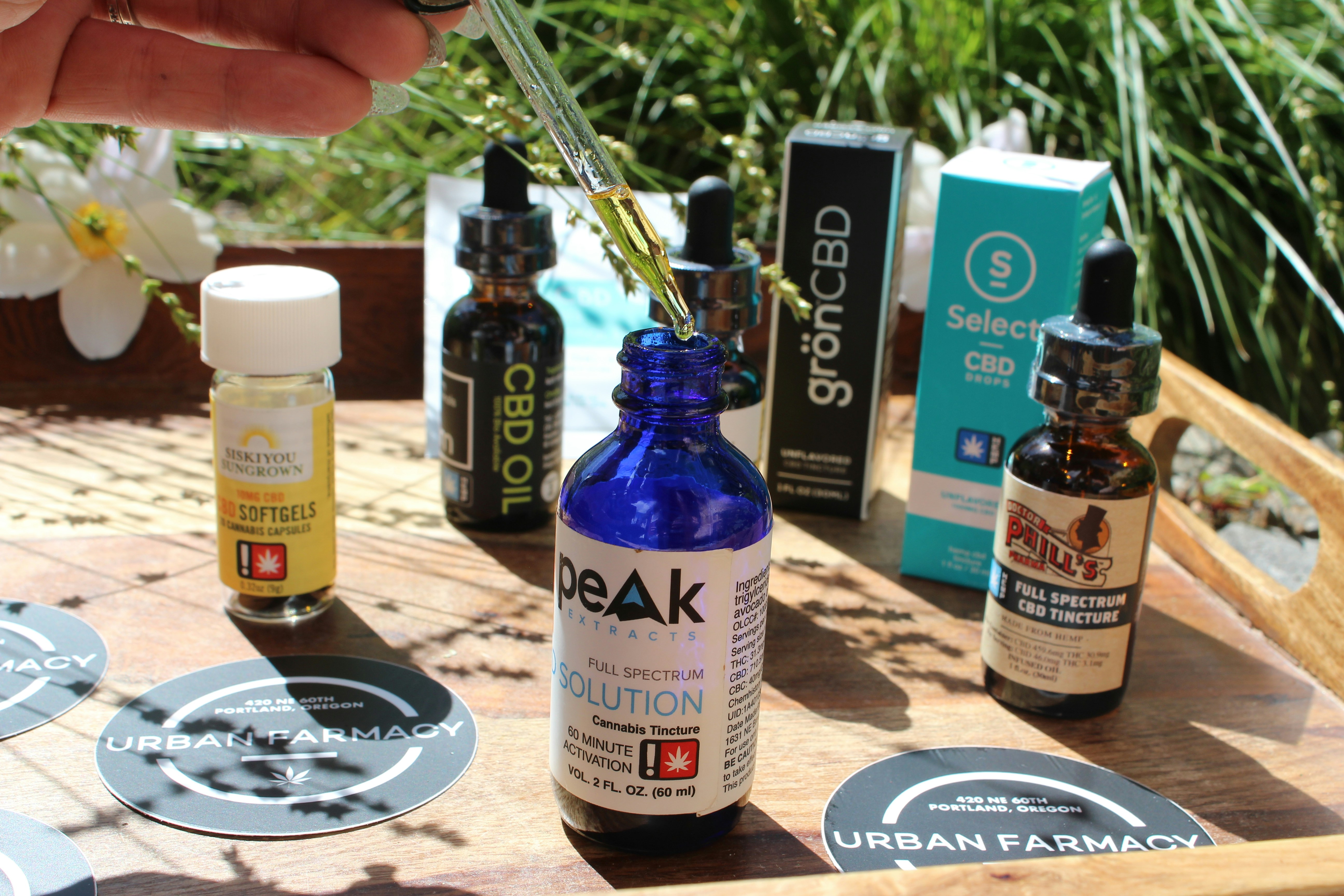

Introduction to CBD and Its Popularity
Cannabidiol, commonly known as CBD, is a natural compound derived from the hemp plant, specifically the Cannabis sativa variety. Unlike its more famous counterpart, tetrahydrocannabinol (THC), CBD does not produce psychoactive effects. This non-intoxicating nature has contributed significantly to the rising popularity of CBD products among consumers seeking therapeutic benefits without the high associated with marijuana use.
The legal status of CBD has evolved dramatically, particularly following the 2018 Farm Bill in the United States, which legalized the production and sale of hemp-derived CBD products, provided they contain no more than 0.3% THC. This legislation has fueled an explosion of interest in CBD in various markets, including beauty, wellness, and food industries, thus opening the door for a myriad of products catering to diverse consumer needs.
The health and wellness sector has particularly embraced CBD, as many individuals are drawn to its potential health benefits, which include pain relief, anxiety reduction, and anti-inflammatory properties. Research, although still ongoing, suggests that CBD may play a role in alleviating symptoms associated with various conditions, making it increasingly appealing to those seeking alternative therapies. As a result, consumers are engaging with a wide array of CBD products, from oils and tinctures to creams and edibles, and the available choices continue to grow.
In light of these factors, CBD’s popularity is expected to continue its upward trajectory. With consumers becoming more informed about the various benefits and usage of CBD, the demand across multiple segments is transforming the landscape of health and wellness, making it essential for potential users to understand their options when choosing CBD products.
Understanding Different CBD Product Types
CBD products come in various forms, each tailored to meet different preferences and needs. The primary types of CBD products include oils, tinctures, capsules, edibles, topicals, and isolates. Recognizing the unique attributes of each product can significantly enhance your experience and aid in achieving desired effects.
CBD Oils and Tinctures are perhaps the most popular forms. They are typically taken sublingually, allowing for quick absorption into the bloodstream. CBD oils can offer a range of concentrations, making it easy for users to find the right dosage for their needs. However, some individuals may find the taste of oils to be unpleasant, which could deter them from regular use.
CBD Capsules provide a convenient and tasteless way to consume CBD. Each capsule contains a predetermined dose, which makes it easier to track intake. However, capsules may take longer to take effect compared to oils or tinctures, as they must pass through the digestive system.
Edibles, such as gummies or chocolates, are often favored for their enjoyable taste and discreet nature. These products allow for precise dosing and are ideal for those who dislike the taste of oils. On the downside, the onset of effects can be delayed, and it’s essential to keep portion sizes in check to avoid overconsumption.
Topicals like creams and balms can be applied directly to the skin, providing localized relief for issues such as pain or inflammation. They are particularly beneficial for individuals dealing with arthritis or muscle soreness. However, the systemic effects of topicals may be limited, as they do not typically enter the bloodstream.
Finally, CBD Isolates offer a pure form of CBD without any other cannabinoids or compounds. This can be ideal for those seeking to avoid THC entirely. Nevertheless, isolates may not provide the same synergistic benefits as full-spectrum products, which contain various cannabinoids and terpenes that may enhance effectiveness.
Key Factors to Consider When Choosing CBD Products
When selecting CBD products, there are several important factors that consumers should keep in mind to ensure they make informed choices that meet their needs. Primarily, product potency is crucial; this measures the concentration of CBD in each serving, often indicated in milligrams. Different needs call for varying levels of potency; therefore, understanding the correct dosage for individual health goals is essential to maximize the benefits of CBD.
Another significant consideration is the extraction method used to produce the CBD. The most common methods include CO2 extraction, ethanol extraction, and oil infusion. CO2 extraction is highly regarded for its efficiency and ability to produce pure, high-quality CBD oil without the use of harmful solvents. Consumers should be aware of the extraction process, as it can affect the product’s overall quality and purity, ultimately influencing its effectiveness.
Third-party testing serves as a critical measure of transparency and reliability. Reputable CBD brands will often have their products tested by independent laboratories to confirm the cannabinoid potency and check for contaminants, such as pesticides or heavy metals. This information is typically made accessible through a Certificate of Analysis (COA) found on the brand’s website or upon request. Consumers should prioritize products that adhere to stringent testing protocols to ensure safety and quality.
Additionally, ingredient transparency is vital in evaluating CBD products. Consumers should examine the ingredient list for potential additives, allergens, or fillers that could detract from the product’s efficacy. Opting for products with minimal ingredients generally yields better results, as a cleaner formulation is more likely to provide the desired benefits without unwanted side effects. By focusing on these key factors, individuals can make educated selections when choosing the best CBD products for their specific needs.
The Importance of Source and Quality
When it comes to choosing the best CBD products, understanding the source and quality of the hemp used is of utmost importance. The efficacy and safety of CBD can greatly depend on the cultivation practices and the environment in which the hemp is grown. Ideally, hemp should be cultivated from organic farms that eschew the use of pesticides, herbicides, and synthetic fertilizers. Organic cultivation not only ensures that the plants are free from harmful chemicals but also improves the overall quality of the plant, enhancing its cannabinoid profile.
Moreover, the geographical region in which the hemp is grown plays a pivotal role in its quality. Hemp cultivated in nutrient-rich soils, such as those found in Colorado or Kentucky, often yields superior products due to the optimal growing conditions. High-quality hemp will produce higher levels of CBD and other beneficial compounds, such as terpenes and flavonoids, which can contribute to the entourage effect, enhancing the therapeutic benefits of the product.
In addition to sourcing, product certifications are essential for ensuring quality. Reputable companies should provide third-party lab test results that demonstrate the cannabinoid profile as well as the absence of harmful substances, including heavy metals and solvents. These lab tests should be easily accessible on the company’s website or upon request, allowing consumers to verify the product quality before purchasing. Certifications from recognized organizations can also serve as indicators of a product’s quality and reliability.
In summary, prioritizing the source and quality of CBD products involves examining how and where the hemp is grown, understanding the methods of cultivation, and verifying product testing and certifications. By taking these factors into account, consumers can make informed decisions and choose CBD products that meet their needs for safety and efficacy.
Reading and Understanding CBD Labels
Understanding CBD labels is essential for consumers seeking authenticity and quality in CBD products. The first important aspect to address is the concentration of CBD present in the product. This is typically listed in milligrams (mg) per serving and should be easy to locate on the label. For instance, a product may indicate that it contains 300 mg of CBD in a 30 mL bottle. This equates to a concentration of 10 mg per mL, allowing consumers to determine appropriate dosages based on their needs.
Additionally, the serving size should be clearly stated, enabling users to understand how much product they must consume to achieve the desired effects. For example, a recommended serving size may suggest taking 1 mL, which simplifies the calculation for daily intake. Moreover, consumers should be aware of the total volume of the product, as this will also determine the number of servings available per container.
Another critical factor to consider when reading labels is the type of CBD extract used in the formulation. Three primary categories exist: full-spectrum, broad-spectrum, and CBD isolate. Full-spectrum products contain all cannabinoids and terpenes found in the cannabis plant, including trace amounts of THC. In contrast, broad-spectrum products offer a similar array sans THC, while CBD isolate contains only pure CBD. Each type may produce different effects, so understanding these distinctions helps consumers choose the right option based on individual preferences or restrictions.
Lastly, look for certifications and testing results on the label. Reputable CBD brands usually provide third-party lab results, which verify the product’s cannabinoid profile and ensure it is free from harmful contaminants. These certificates instill trust in the product’s quality and potency. By educating oneself on these aspects, consumers can make informed decisions and purchase CBD products that meet their needs effectively.
Potential Benefits and Effects of CBD Products
Research and anecdotal evidence suggest that CBD products may provide a variety of potential benefits to users, making them increasingly popular in recent years. One of the most commonly noted effects of cannabidiol (CBD) is its ability to relieve pain. Several studies have indicated that CBD may interact with receptors in the brain and immune system to help reduce inflammation, which can lead to alleviation of chronic pain conditions, such as arthritis and multiple sclerosis. Many individuals have reported that they experience significant pain relief when incorporating CBD oils or topical creams into their routine.
Another area where CBD shows promise is in the reduction of anxiety. Users have reported experiencing lower levels of anxiety and stress after taking CBD, particularly in situations such as public speaking or social gatherings. Research indicates that CBD may affect serotonin levels in the brain, which can play a key role in mood regulation. As a result, many individuals are turning to CBD products as a natural alternative for managing anxiety-related symptoms without the side effects commonly associated with pharmaceuticals.
Sleep improvement is another potential benefit linked to the use of CBD products. Some studies suggest that CBD may help individuals who struggle with insomnia or disrupted sleep patterns by promoting relaxation and allowing for more restful nights. Users have noted that taking CBD before bedtime can help in falling asleep faster and improving sleep quality.
However, it is also essential to consider potential side effects when using CBD products. While generally well tolerated, some individuals may experience mild side effects such as fatigue, diarrhea, or changes in appetite. It is advisable for users to start with a lower dosage and consult with a healthcare professional to ensure it fits into their individual health needs.
Legal Regulations Surrounding CBD Products
The legal landscape surrounding CBD products is complex, reflecting a patchwork of federal, state, and international regulations that can vary significantly from one jurisdiction to another. In the United States, the primary federal legislation governing CBD is the Agricultural Improvement Act of 2018, commonly referred to as the Farm Bill. This act legalized the cultivation of hemp and the production of hemp-derived products, including CBD, provided that the THC content does not exceed 0.3% on a dry weight basis. However, despite this federal legalization, many states have enacted their own laws concerning the sale and usage of CBD.
State regulations can greatly differ from federal laws, resulting in a variable legal status for CBD depending on local governance. Some states have fully embraced CBD, allowing it to be sold freely in a range of products, including oils, tinctures, and edibles. Conversely, a few states impose strict restrictions or outright bans on the sale of CBD products, necessitating consumers to conduct thorough research regarding the legality of CBD in their state. Additionally, states may have age limits or other stipulations for purchasing CBD products.
Internationally, the legal status of CBD also varies. In many countries, CBD derived from hemp is legal, but some nations still categorize CBD, especially that derived from marijuana, as illegal. This distinction can lead to misunderstandings and complications for consumers traveling or ordering products from abroad. Therefore, it is essential for consumers to stay informed about the current legal status of CBD products in their respective locations to ensure compliance with the law and to make educated choices regarding their use.
Consumer Reviews and Experiences with CBD Products
As the market for CBD products continues to expand, consumer reviews have become increasingly vital in aiding potential buyers in selecting high-quality options. These reviews provide invaluable insights regarding the effectiveness and quality of various products. Many individuals rely on personal experiences shared by other users to guide their purchasing decisions, as these firsthand accounts can shed light on the potential benefits and drawbacks of specific CBD formulations.
Consumer testimonials often discuss various facets of CBD products, including their potency and how they have influenced specific conditions such as anxiety, chronic pain, or sleep disturbances. This kind of information allows prospective buyers to gauge the potential impact of a product before making a financial investment. Furthermore, authentic reviews can highlight the importance of sourcing and manufacturing practices, helping consumers avoid subpar products or those that may not meet safety standards.
However, it is essential to approach consumer reviews with a critical mind. Not all experiences shared online are genuine or unbiased, and some reviews may be influenced by marketing tactics or erroneous claims. Misinformation can arise, leading consumers to believe that a product is effective when it may not be. To mitigate this risk, buyers are encouraged to look for reviews from verified purchasers and reputable sources. It’s advisable to combine this information with other research methods, including scientific literature and expert recommendations, to form a more comprehensive assessment of the product’s credibility.
In situations where consumers have reported negative experiences, these should also be considered as they may indicate potential issues with the product or the manufacturer, further aiding in informed decision-making. Therefore, while consumer reviews are a powerful tool in selecting CBD products, they should be used judiciously in conjunction with other credible resources.
Conclusion and Final Recommendations
As the popularity of CBD products continues to rise, making informed choices is essential for consumers seeking the potential benefits of cannabidiol. Throughout this guide, we have covered several key factors that should be considered when selecting CBD products, including quality, extraction methods, third-party testing, and personal preferences.
Firstly, it is critical to prioritize products that have undergone thorough third-party testing. This independent verification assures transparency regarding the product’s potency, purity, and safety. Reputable companies will provide their lab results as proof, allowing consumers to make educated decisions based on reliable information.
Secondly, understanding the different types of CBD extraction methods is vital. Products derived from high-quality hemp via CO2 extraction tend to retain the beneficial properties of CBD while minimizing harmful substances. When selecting a product, consider the extraction method used, as it can significantly impact the overall quality of the final product.
Moreover, personal research should guide your selection process. Taking the time to read product reviews, consult with industry experts, and understand individual health needs can lead to better-informed purchasing decisions. Different products may affect individuals differently, so experimenting cautiously with various forms, such as oils, edibles, or topical applications, may be advisable.
In conclusion, when navigating the expansive CBD market, prioritizing quality and research is key to finding the right products that suit your personal health goals. By following the recommendations outlined in this guide, consumers can approach their choices with confidence, ultimately enabling a more effective experience with CBD. Choose wisely for a beneficial and informed journey into the world of cannabidiol.

