


Introduction to Gratitude
Gratitude is often described as a heartfelt acknowledgment of the goodness in one’s life, an appreciation for the people, experiences, and blessings that enrich our daily existence. It transcends mere thankfulness; it embodies a deeper acknowledgment of the interconnectedness of life and our own role within it. Defining benefits of gratitude can vary among cultures and individuals, but at its core, it encompasses a sense of recognition and appreciation for what we have.
The significance of gratitude in everyday life is profound. It serves as an emotional anchor, helping individuals to focus on the positive aspects of their circumstances, even amidst challenges. This positive orientation fosters emotional resilience, which is essential for mental health and wellbeing. When individuals cultivate gratitude, they open themselves to a mindset that prioritizes abundance over scarcity, positivity over negativity. As a result, they are better equipped to navigate the complexities of life with grace and confidence.
Research in the fields of psychology and neuroscience has begun to illuminate the mechanisms behind gratitude’s impact on wellbeing. Studies have consistently shown that individuals who practice gratitude regularly report higher levels of happiness, enhanced emotional regulation, and improved relationships. These individuals tend to experience lower levels of depression and anxiety, highlighting gratitude’s role as a protective factor against mental health issues.
In an increasingly fast-paced and often stressful world, the practice of gratitude serves as a reminder of the significance of slowing down to reflect on our circumstances and the gifts they encompass. By acknowledging the contributions of others and recognizing the elements of life that bring joy and fulfillment, we set the foundation for a richer, more meaningful existence. Thus, understanding gratitude not only influences individual perspectives but also compels us to appreciate the larger tapestry of human experience that we are all part of.
The Science Behind Gratitude
Gratitude is not merely an abstract notion; it has a well-established scientific foundation that underscores its significance in enhancing psychological and emotional well-being. Research studies have demonstrated that gratitude can be measured using various scales, such as the Gratitude Questionnaire, which prompts individuals to assess their capacity for gratefulness and their frequency of expressing gratitude. Additionally, psychological frameworks like Positive Psychology delve into the role of gratitude as a vital component of human flourishing.
Neuroscientific investigations have elucidated the biological processes triggered when individuals engage in gratitude practices. Neuroimaging studies reveal that expressing gratitude activates specific regions of the brain, including the medial prefrontal cortex and the ventral striatum. These areas are associated with emotional regulation, reward processing, and social bonding. The release of neurotransmitters like dopamine and serotonin during gratitude exercises fosters a sense of well-being and happiness, leading to improved mental health outcomes.
Furthermore, the impact of gratitude on physical health is noteworthy. Studies indicate that individuals who consistently practice gratitude report better sleep quality, reduced symptoms of illness, and lower levels of stress. This relationship can be attributed to the alterations in stress hormones such as cortisol, as gratitude practices promote resilience in the face of life’s challenges. Ultimately, the multifaceted nature of gratitude encompasses complex psychological and physiological responses that contribute significantly to overall well-being.
Through ongoing research, the science of gratitude continues to unfold, providing compelling evidence of its positive effects on individuals’ lives. By understanding the mechanisms underlying gratitude, we can better appreciate its role in our daily existence and the potential benefits it offers in fostering a more fulfilling life.
Gratitude and Mental Health
The relationship between gratitude and mental health has garnered significant attention in recent years, highlighting the profound impact that cultivating gratitude can have on emotional well-being. Gratitude, defined as the quality of being thankful, has been associated with reduced symptoms of depression and anxiety, promoting a more optimistic outlook on life.
Research indicates that individuals who actively practice gratitude report higher levels of positive emotions and lower levels of stress. A study published in the journal Psychological Science found that participants who engaged in regular gratitude journaling experienced fewer symptoms of major depression and greater overall happiness compared to those who did not participate in such practices. This finding underscores gratitude’s ability to reframe thought patterns, shifting focus from negative experiences to positive aspects of life.
Furthermore, expressions of gratitude in interpersonal relationships promote emotional stability. A study from the University of California demonstrated that individuals who expressed gratitude were more likely to experience increased feelings of social connection, which in turn helped reduce feelings of loneliness and isolation—two significant contributors to anxiety and depressive disorders. By fostering a sense of belonging and connectedness, gratitude practices can significantly enhance mental well-being.
Statistics paint a compelling picture; research indicates that individuals who regularly engage in gratitude exercises show a 23% reduction in the risk of depression. These exercises can range from simply writing down things they are thankful for to expressing appreciation to others, thereby reinforcing positive relationships and creating a supportive network.
In conclusion, embracing gratitude can serve as a powerful tool for improving mental health. By integrating gratitude into daily routines, individuals can cultivate resilience against anxiety and depressive symptoms, paving the way for a healthier, more fulfilled life.
Gratitude and Physical Health
Research has increasingly shown that the practice of gratitude can have profound effects on physical health. Individuals who regularly express gratitude or maintain gratitude journals often experience notable improvements in their overall wellbeing. Studies indicate that gratitude correlates with engaging in healthier lifestyle choices, which play a critical role in enhancing one’s physical health.
One significant finding suggests that individuals who practice gratitude tend to exercise more regularly and adhere to a balanced diet. This lifestyle change may result from increased motivation and a positive outlook, which become amplified in individuals who consciously acknowledge the goodness in their lives. The act of recognizing and appreciating the positives can foster an emotional state conducive to making healthier decisions.
Moreover, gratitude has been linked to improved immune system function. Research published in various scientific journals indicates that individuals who express gratitude regularly tend to experience fewer ailments. By decreasing levels of stress and promoting a sense of emotional wellbeing, gratitude can lead to enhanced immune responses. A robust immune system is essential for preventing illnesses and maintaining one’s overall health.
Additionally, gratitude can alleviate symptoms related to conditions such as depression and anxiety, which in turn can contribute to a healthier physical state. When individuals are less burdened by negative emotions, their bodies can focus on recovery and maintaining optimal health. Thus, cultivating gratitude can serve as a preventative measure against physical health issues, making it a powerful tool in one’s wellbeing arsenal.
Practices for Cultivating Gratitude
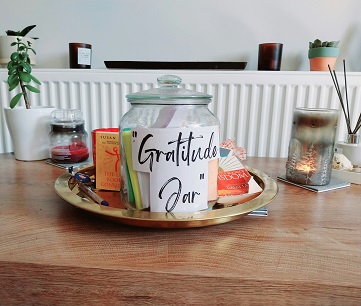
Incorporating gratitude into daily routines can significantly enhance overall wellbeing. One effective method is maintaining a gratitude journal. This practice involves setting aside a few minutes each day to write down three to five things for which one is grateful. These can range from simple pleasures, such as enjoying a warm cup of coffee, to more significant aspects, like family support or career accomplishments. By focusing on positive experiences, individuals can shift their mindset and cultivate a more grateful perspective.
Another effective practice is mindfulness meditation, which encourages individuals to be present in the moment. Mindfulness involves acknowledging thoughts and feelings without judgment, making it easier to recognize and appreciate positive elements in life. During mindfulness exercises, one can focus specifically on feelings of gratitude, reflecting on what makes them thankful and how these elements contribute to their happiness. Over time, regular mindfulness practice can enhance awareness of gratitude and lead to a deeper sense of contentment.
Additionally, expressing thanks to others is a powerful way to cultivate gratitude. This could be as simple as writing a thank-you note to a friend or colleague or verbally acknowledging someone’s contribution in a conversation. By openly expressing appreciation, one not only strengthens relationships but also reinforces their own feelings of gratitude. Furthermore, acts of kindness or volunteering for a cause can lead to heightened feelings of gratitude, as helping others often allows individuals to recognize blessings in their own lives.
Incorporating these strategies into daily life can foster a lasting sense of gratitude. The consistent practice of journaling, mindfulness, and expressing thanks can transform how individuals perceive their experiences, leading to improved mental and emotional wellbeing.
Gratitude in Relationships
Gratitude serves as an essential component in nurturing and enhancing interpersonal relationships. It is more than a simple expression of thanks; it fosters deeper connections among individuals, be it within families, friendships, or professional environments. When individuals express gratitude, they signal appreciation for one another’s efforts, acknowledging value in their relationships. This acknowledgment can lead to strengthened bonds, promoting enhanced communication and mutual respect.
In familial settings, the practice of expressing gratitude can pave the way for healthier dynamics. Regular expressions of thanks amidst family members can create a positive atmosphere, encouraging openness and reducing misunderstandings. When family members actively acknowledge each other’s contributions, it fosters a sense of belonging and support, essential for resilience in challenging times. This practice can also serve as a model for younger generations, teaching them the importance of recognizing and appreciating the efforts of those around them.
In friendships, gratitude can deepen bonds by reinforcing trust and loyalty. Friends who express appreciation for one another not only validate each other’s importance but also enhance their emotional connection. This mutual acknowledgment encourages individuals to communicate more openly about their needs and feelings, nurturing a supportive environment where both parties can thrive.
In the professional landscape, gratitude is equally transformative. Leaders who express appreciation for their teams cultivate a culture of respect and motivation. When employees feel valued, they are more likely to engage actively, resulting in increased productivity and morale. A culture of gratitude within the workplace encourages collaboration and teamwork, leading to greater cohesion among colleagues.
Overall, the expression of gratitude in relationships—whether personal or professional—significantly contributes to improved communication, emotional connection, and overall relationship satisfaction. By recognizing and valuing one another, individuals can create an environment that fosters strong and resilient bonds.
Challenges in Practicing Gratitude
While embracing a grateful mindset can yield numerous benefits for mental and emotional wellbeing, there are significant challenges that can impede individuals from consistently practicing gratitude. These obstacles are often multifaceted and can stem from societal influences, personal barriers, or mental health issues.
One of the primary societal factors affecting gratitude is the culture of comparison that pervades modern life. With the rise of social media, individuals are constantly bombarded with curated images of others’ successes and happiness. This can lead to feelings of inadequacy and dissatisfaction, making it difficult for people to acknowledge their own blessings. When individuals focus on what they lack rather than what they have, their ability to cultivate and express gratitude diminishes significantly.
On a personal level, some individuals may struggle with ingrained patterns of negative thinking or low self-worth, which can serve as barriers to gratitude. If someone believes they are unworthy of good things or constantly anticipates adverse outcomes, they may have a hard time recognizing positive aspects in their lives. These cognitive distortions can create a mental block against feelings of gratitude, making it seem unnatural or forced.
Mental health issues, such as depression and anxiety, can further complicate the practice of gratitude. Those experiencing these conditions often find it difficult to focus on positive experiences or emotions. When one is overwhelmed by negative feelings, the ability to appreciate the good can deteriorate. This reinforces a cycle where individuals might feel even more distant from gratitude, as their focus is primarily on managing their immense emotional distress.
Addressing these challenges requires conscious effort and a willingness to step outside one’s comfort zone. By acknowledging these societal, personal, and mental health barriers, individuals can begin to find ways to cultivate gratitude, even in the face of adversity.
Long-term Benefits of Gratitude
The practice of gratitude extends beyond momentary feelings of appreciation; it nurtures a foundation for long-lasting improvements in overall wellbeing. Research indicates that individuals who regularly engage in gratitude exercises tend to experience enhanced emotional health, a strengthened sense of community, and a significant reduction in feelings of stress and anxiety. The act of recognizing and appreciating the positives in one’s life cultivates a mindset that is attuned to the abundance present, rather than the perceived lack.
Establishing a habit of gratitude can lead to profound changes in the way individuals perceive their daily experiences. By consistently focusing on what one is thankful for, individuals gradually rewire their thought processes. Over time, this reconditioning enhances resilience, enabling people to navigate challenges with a more optimistic outlook. Those who practice gratitude have been found to maintain improved emotional states, allowing for better interpersonal relationships and fostering a supportive social circle.
Moreover, appreciation practices promote physical health benefits that can be sustained over years. Regular expressions of gratitude are linked to better sleep quality, lower blood pressure, and a strengthened immune response. These factors contribute to an improved quality of life, making individuals not only feel emotionally uplifted but also physically well. Furthermore, as gratitude is increasingly recognized as a valuable component of psychological wellness, those who adopt this mindset often find themselves better equipped to cope with adversity, maintain a positive self-image, and engage in a healthier lifestyle.
In essence, incorporating gratitude into one’s daily routine is a powerful strategy for achieving sustained wellbeing. The lasting effects go beyond mere momentary contentment, fostering a fulfilling life enriched with positive relationships and a profound appreciation for life’s gifts.
Conclusion: Embracing Gratitude for a Happier Life
In summary, integrating gratitude into our daily lives can significantly enhance our overall wellbeing and foster a more positive perspective. The exploration of gratitude reveals its multifaceted benefits, ranging from improved mental health to stronger interpersonal relationships. Research shows that individuals who actively practice gratitude experience lower levels of stress and anxiety, allowing for a more balanced emotional state. This shift in mindset promotes resilience, enabling individuals to navigate life’s challenges more effectively.
A consistent practice of gratitude reshapes our thinking patterns, encouraging us to focus on the positives rather than solely on the negatives. This not only elevates mood but also cultivates an appreciation for the small joys that often go unnoticed in our busy lives. By recognizing and celebrating these moments, we create a ripple effect that enhances our emotional landscape and contributes to a more fulfilling existence.
Additionally, engaging in gratitude can lead to improved physical health by encouraging healthier lifestyle choices. For instance, grateful individuals are more likely to exercise regularly, maintain a balanced diet, and engage in preventive healthcare. These factors collaboratively contribute to a healthier body and mind.
Ultimately, embracing gratitude is a powerful tool that anyone can adopt. It requires no special skills or resources, just a commitment to shift our focus towards what we appreciate in our lives. Whether through journaling, expressing thanks, or simply pausing to reflect on positive experiences, cultivating gratitude can lead to a happier, more connected life. This simple yet profound practice is within reach for all, and the rewards it offers are well worth the effort in fostering a life rich in joy and contentment.

