

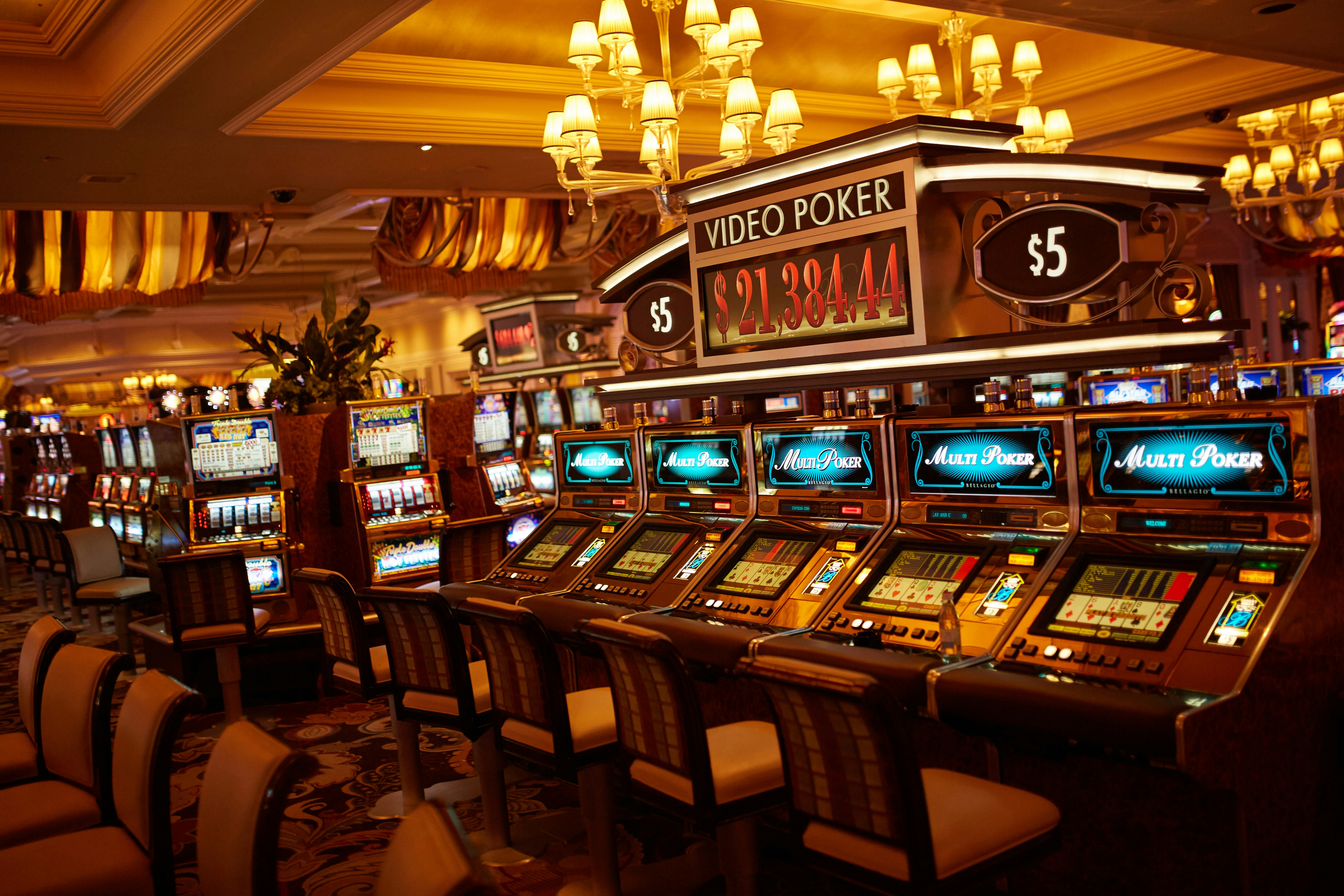

Introduction to Casino Games
Casinos offer a diverse array of games that cater to various preferences and skill levels, making them a significant attraction for millions of visitors worldwide. Among the most popular games are slot machines, which are known for their simplicity and potential for significant payouts. These games operate primarily on chance, relying on random number generators to determine outcomes, thereby providing an exciting and unpredictable experience for players.
Table games, such as blackjack, roulette, and baccarat, offer a different appeal, incorporating a mix of chance and skill. In blackjack, for example, players must employ strategies, such as card counting and optimal betting, to gain an advantage over the house. Alternatively, roulette offers a straightforward mechanism where players bet on where a ball will land on a spinning wheel. While both games can be exciting, they also carry a house edge, which is the mathematical advantage that casinos maintain to ensure profitability.
Another prominent game type is poker, which uniquely combines skill, psychology, and chance. Unlike many other casino games, poker is often played against other players rather than the house, creating a thrilling atmosphere where strategic decision-making and emotional intelligence come into play. Players must assess their opponents’ behaviors while managing their own betting strategies to maximize their chances of winning.
The overall excitement of the casino environment further enhances the gaming experience. The sights and sounds of various games, coupled with the potential for winning, create an electrifying atmosphere. Whether through the flashing lights of slot machines or the suspenseful moments leading up to a roulette spin, the casino significantly impacts the gambling landscape. By understanding the variety of games available and the dynamics of chance versus skill, players can better navigate this exhilarating world.
Understanding Odds and Probabilities
In the realm of casino games, understanding odds and probabilities is pivotal for enhancing one’s chances of winning. Odds are essentially a numerical expression of the likelihood of a particular outcome occurring, and they vary widely across different games. For example, in roulette, the odds of successfully betting on a specific number is 1 in 37 in European roulette, which affects the potential return on investment for players.
Reading and interpreting odds accurately can significantly impact a player’s strategy. Players must familiarize themselves with the specific odds associated with each game they engage in. In card games such as poker, the odds of obtaining a certain hand can guide decisions regarding betting or folding. Similarly, in slot machines, knowing the payout ratios can influence which machines to choose based on their predicted return-to-player percentages.
Probabilities, on the other hand, are derived from odds and indicate the chance of a specific event happening. For instance, if a game has a probability of 40% for winning, a player can assess their expectation of winning over time. This mathematical approach not only promotes informed decision-making but also encourages responsible play. A deeper understanding of these concepts equips players with the knowledge to devise strategies that can mitigate risks and potentially enhance profitability.
Ultimately, mastering the nuances of odds and probabilities empowers players to engage in casino games with a strategic mindset. This informed approach can lead to more calculated risks, improving the overall gaming experience. Therefore, before partaking in any gambling endeavor, players should ensure they comprehend not only the rules but also the underlying mathematics that govern winning outcomes.
Bankroll Management Strategies
Effective bankroll management is a crucial component of any successful gambling strategy. It serves as the framework within which players can operate, ensuring they maintain control over their spending and enjoy their gaming experience without incurring unaffordable losses. To begin, it is essential to establish a budget. This budget should reflect the amount a player is willing to lose within a given time frame without impacting their financial stability. This approach not only promotes responsible gambling but also allows for a more enjoyable experience, alleviating the pressure of potential losses.
Once a budget is set, the next step is to determine appropriate betting amounts. This means calculating a betting unit based on the overall bankroll. For instance, players may opt to wager a small percentage, such as 1-5% of their total bankroll on any single game or hand. This method aids in extending playtime, making it less likely for players to deplete their funds quickly. Furthermore, adjusting bet sizes based on winning and losing streaks can be a beneficial strategy to maximize winnings while mitigating losses, providing a balanced betting approach.
Knowing when to walk away is another vital aspect of effective bankroll management. Players must develop the discipline to set limits not only for how much they are willing to spend but also for how much they will accept as a loss before leaving the game. Similarly, setting win goals, or a point at which a player will cash out after hitting a specific profit threshold, can help to secure winnings and prevent the temptation of continued play leading to losses. In conclusion, disciplined bankroll management strategies foster a responsible gambling environment, ultimately enhancing the player’s overall experience and potential for success.
Choosing the Right Games to Play
When venturing into the world of casino games, selecting the right games significantly enhances your chances of winning. Each game comes with its own set of rules, strategies, and payout percentages, which ultimately govern your potential return on investment. Understanding these elements is crucial for both novice and experienced players.
One of the key indicators of a game’s potential profitability is its payout percentage, also known as return to player (RTP). Casino games generally have varied RTPs, with some offering a higher likelihood of winning than others. For example, table games such as blackjack and baccarat often have RTPs exceeding 95%, making them favorable choices for those aiming to maximize their winnings. Conversely, slot machines tend to have lower RTPs, often ranging from 85% to 95%, which sometimes deters players looking for consistent returns.
When choosing a game, it is essential for beginners to consider games that are easy to understand and require basic strategies. Slots and roulette are excellent starting points, offering straightforward rules and low barriers to entry. Experienced players, on the other hand, may wish to delve into more complex games that require strategic insights such as poker or advanced blackjack strategies. These games not only provide higher payout percentages but also allow for skill-based play, where a player’s decision-making ability directly impacts the game’s outcome.
Another factor to consider is the volatility of the games. High volatility games, while offering larger jackpots, may not pay out as frequently, presenting a risk for players with limited bankrolls. In contrast, low volatility games provide more frequent, albeit smaller, wins. Therefore, each player should assess their risk tolerance alongside game selection to enhance their overall gaming experience.
Utilizing Betting Strategies
In the realm of casino games, employing effective betting strategies can significantly influence the player’s chances of success. Two of the most notable strategies are the Martingale and Fibonacci systems, each with its unique approach to betting.
The Martingale strategy is a popular method where players double their bets after each loss, intending to recover all previous losses with a single win. This strategy operates on the premise that a player is bound to win eventually. However, while the allure of the Martingale system lies in its simplicity, it carries inherent risks. For one, a player may face a prolonged losing streak, leading to substantial financial loss. Additionally, many casinos impose betting limits that can obstruct the ability to continue doubling bets indefinitely, which could result in players failing to recover losses as expected.
In contrast, the Fibonacci betting system is based on the famous Fibonacci sequence, where each number is the sum of the two preceding ones. This strategy suggests that players should increase their bets following the Fibonacci sequence after a loss and return to the original bet after a win. The appeal of the Fibonacci system is its more conservative approach compared to Martingale, but it’s not without its drawbacks. Players may still encounter substantial losses during extended unfavorable streaks and can find themselves betting larger amounts than they initially anticipated.
Understanding the impact of these strategies on potential outcomes is crucial for any player. While they can provide structure to wagering, it is important to recognize their limitations. Each strategy carries risks, and successful implementation requires careful consideration of factors such as individual bankroll, game type, and personal risk tolerance. Adapting these betting strategies to one’s gaming style can potentially lead to more effective play in various casino environments.
The Role of Psychology in Gambling
The psychology behind gambling plays a crucial role in influencing players’ decisions and outcomes. Understanding the mental and emotional factors at play can significantly enhance one’s approach to casino games, making psychological awareness an essential component of successful gambling strategies.
One critical aspect of gambling psychology is the phenomenon known as “tilt.” Tilt refers to the emotional state in which a player becomes frustrated, angry, or overly excited, leading to irrational decisions and poor gameplay. This emotional turmoil can obscure a player’s judgment, often resulting in increased bet sizes or a withdrawal from strategic play. Recognizing the onset of tilt allows players to implement coping mechanisms such as taking breaks or setting loss limits, helping to regain control and maintain a rational approach.
Emotional control also plays a vital role in gambling. Successful players are often those who can manage their emotions, allowing them to stick to their strategies despite the ups and downs inherent in casino games. For instance, remaining calm after a loss and refusing to chase losses can prevent emotional decision-making that can lead to greater losses. Conversely, maintaining a positive mindset following a win encourages a player to continue making calculated and thoughtful decisions rather than becoming overconfident.
Moreover, the importance of maintaining a healthy psychological outlook while gambling cannot be overstated. A positive mindset fosters resilience against the inevitable volatility associated with games of chance. By focusing on enjoyable aspects of the game and treating losses as learning experiences rather than failures, players can cultivate a more sustainable and enjoyable gambling practice.
Using Bonuses and Promotions Wisely
In the competitive landscape of online and land-based casinos, bonuses and promotions serve as essential tools for attracting and retaining players. These offers can take various forms, including welcome bonuses, no deposit bonuses, free spins, and loyalty rewards, each designed to enhance the overall gaming experience. Understanding how to navigate these promotions is crucial for players aiming to maximize their winnings.
Welcome bonuses, perhaps the most well-known offers, are typically granted to new players upon registration. They often double or triple the initial deposit, providing additional funds to explore games. A critical aspect of utilizing welcome bonuses effectively is to read the terms and conditions attached. Each bonus comes with specific wagering requirements, limiting how and when players can withdraw winnings generated from these promotional funds.
No deposit bonuses are another attractive option, offering players the chance to try out games without committing real money. While these freebies seem enticing, they usually come with stringent conditions. For example, players may find that only certain games qualify, or that cashing out winnings requires meeting high wagering limits.
Furthermore, regular players should consider loyalty programs that reward consistent gameplay. These programs typically enable players to accumulate points that can be exchanged for bonuses, cash, or other rewards. Engaging with these offers not only enhances the gaming experience but also encourages a sustained relationship with the casino.
To conclude, wisely utilizing casino bonuses and promotions involves strategic planning and a thorough understanding of the terms associated with each offer. By doing so, players can significantly improve their potential for winnings while enjoying a more enriched gaming experience. Keeping abreast of the latest promotions can yield greater rewards and enhance overall gameplay enjoyment.
Live Dealer Games and Their Advantages
In recent years, live dealer games have gained significant popularity within the casino industry, transforming the gaming landscape and enhancing player experiences. These games are streamed in real-time, allowing players to engage with live dealers, recreating the authentic atmosphere of a physical casino from the comfort of their homes. The rise of live dealer games can be attributed to several factors, including improved technology, increased internet connectivity, and a growing demand for immersive gambling experiences.
One of the primary advantages of live dealer games is their ability to foster social interaction among players. Unlike traditional online games, where players interact solely with software, live dealer games offer the unique opportunity to communicate with a real dealer and other players. This interaction not only makes the gaming experience more enjoyable but also adds a layer of trust and transparency, as players can observe the dealers handling the cards and other game components in real-time.
From a strategic perspective, players can employ specific winning strategies tailored to live dealer games. For instance, whether engaging in live blackjack, baccarat, or roulette, players can benefit from establishing a budget and adhering to it strictly. Additionally, understanding the rules of the game and the dealer’s potential strategies can significantly improve one’s chances of winning. It is advisable for players to observe a few rounds before placing their bets, as this can offer insight into the dealer’s tendencies and help craft a more informed betting approach.
Moreover, utilizing betting strategies such as the Martingale or Paroli systems can also be effective in live dealer games. These strategies, when combined with keen observation and proper bankroll management, may enhance a player’s overall performance. Overall, the combination of social interaction, realistic gameplay, and effective strategies makes live dealer games a compelling choice for both novice and seasoned gamblers.
Conclusion and Final Tips
As we conclude our exploration of effective strategies for winning at casino games, it is important to reflect on the key insights that can enhance your gambling experience. Throughout this blog post, we have discussed various strategies, such as managing your bankroll, understanding the odds of different games, and choosing the right games based on their house edge. Each of these strategies plays a crucial role in improving your overall chances of success.
One of the most vital aspects of engaging in casino games is to approach them with a sense of enjoyment. While employing strategies can undoubtedly increase your odds of winning, the primary goal should always be to have fun. It is essential to set realistic expectations, as no strategy can guarantee a win. Understanding that luck is a significant factor in gambling will help maintain a balanced perspective.
Here are some final tips to keep in mind while playing at the casino: First, always set a budget before you start playing. This practice will help you avoid overspending and minimize losses. Second, take regular breaks to maintain a fresh mindset; extended sessions can lead to fatigue and poor decision-making. Additionally, consider participating in casino promotions and loyalty programs, which can provide additional value for your gameplay.
Lastly, remember that gambling should be viewed as entertainment, not a way to make money. Responsible gaming is crucial; always be mindful of your limits and know when to step away. By combining strategic thinking with a responsible mindset, you can enhance your casino experience while enjoying the thrill of the games.

