

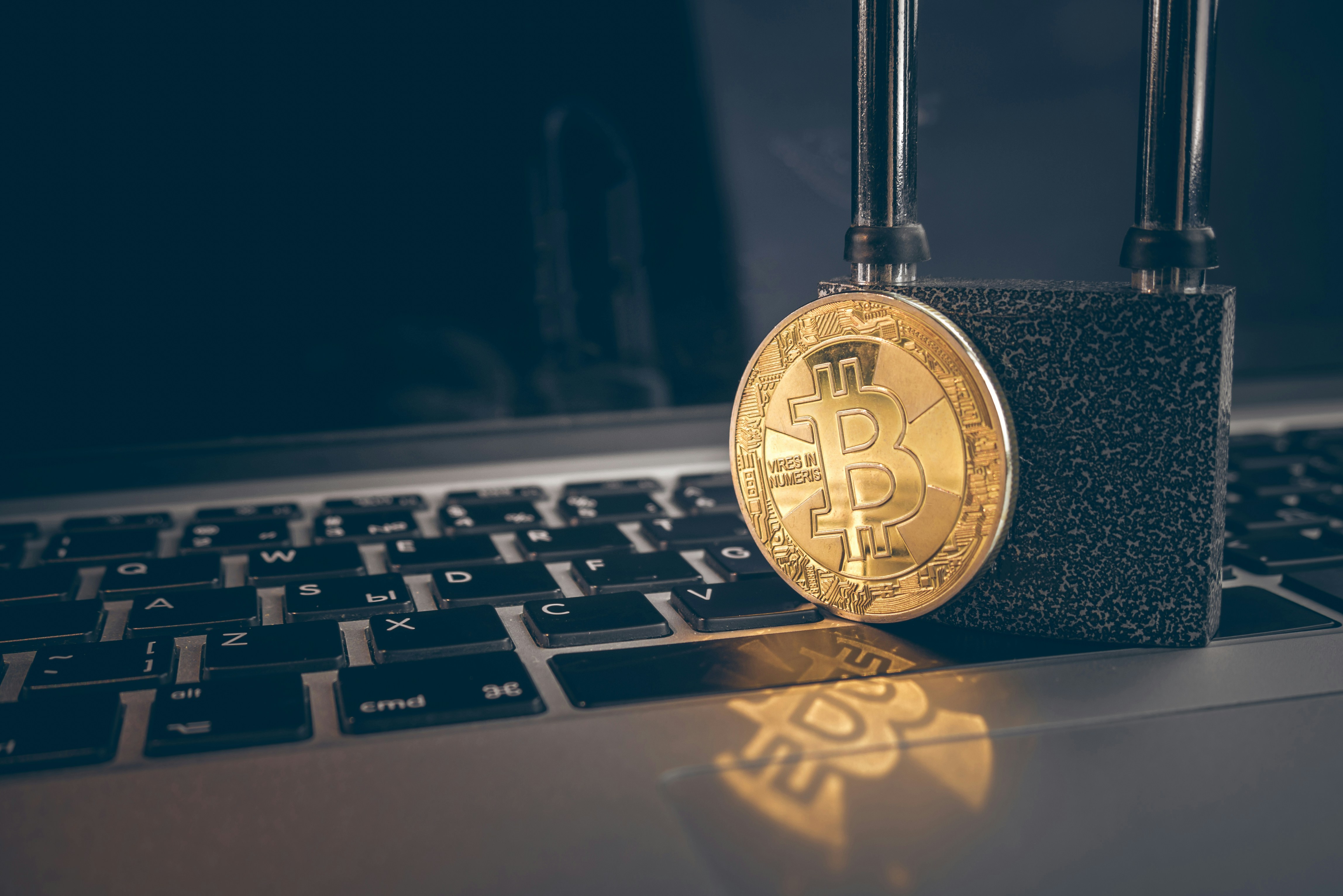

Understanding Cryptocurrency Security
In the rapidly evolving landscape of digital currencies, the importance of cryptocurrency security cannot be overstated. As the adoption of cryptocurrencies continues to grow, so do the risks associated with their use. Ensuring the safety of your digital assets is crucial for both individual investors and institutional participants. The volatile nature of the crypto market makes it a lucrative target for cybercriminals, highlighting the need for robust security measures.
One of the primary risks is hacking, which can result in significant financial losses. Cyberattacks on cryptocurrency exchanges and wallets have become increasingly common, with criminals exploiting vulnerabilities to gain unauthorized access to users’ funds. Such breaches not only affect the immediate victims but can also undermine the overall confidence in cryptocurrencies. Thus, understanding and implementing effective security practices is essential for protecting one’s investments.
In addition to hacking, fraud is a prevalent concern in the crypto sphere. This includes schemes such as phishing attacks, where attackers trick users into providing sensitive information, and Ponzi schemes that promise high returns through the manipulation of investments. Investors must remain vigilant, as these tactics can lead to the irreversible loss of funds.
Another imperative aspect of cryptocurrency security is the safeguarding of private keys. These keys serve as the gateway to accessing one’s digital wallets and, if lost or compromised, can result in permanent loss of assets. Utilizing hardware wallets or secure storage options can help mitigate this risk. Overall, enhancing security measures against hacking, fraud, and private key loss is not just a matter of precaution but a necessity in the cryptocurrency market. By prioritizing these security strategies, individuals can better safeguard their digital investments and contribute to the integrity of the cryptocurrency ecosystem.
Choosing the Right Wallet
In the realm of cryptocurrency, selecting the appropriate wallet is pivotal for ensuring the security of your digital assets. Wallets are generally categorized into four main types: hot wallets, cold wallets, hardware wallets, and paper wallets. Understanding the distinctions among these categories is crucial for making an informed decision based on individual needs.
Hot wallets are internet-connected wallets that provide ease of access and quick transactions. They are user-friendly and ideal for frequent trading. However, they are more vulnerable to cyber threats, as they remain online. In contrast, cold wallets, which operate offline, offer enhanced security for long-term storage. These include hardware wallets—physical devices that store private keys securely—and paper wallets, which involve printing the keys on paper. While cold wallets are less convenient for immediate access, they significantly decrease the risk of online hacks.
When evaluating which wallet to choose, consider your specific needs. If you plan to engage in daily trading, a hot wallet may be more suitable due to its accessibility. Conversely, if your focus is on holding assets for a longer duration, leveraging a hardware wallet or paper wallet may provide the security you require. Additionally, evaluate the ease of use, costs associated with the wallets, and the level of backup and recovery options available.
Your choice of wallet should reflect a balanced approach between accessibility and security. Keeping your cryptocurrency safe is an ongoing commitment, and selecting the right wallet is a foundational step in that journey.
Enabling Two-Factor Authentication (2FA)
In the ever-evolving landscape of cryptocurrency trading and management, ensuring the safety of your assets is paramount. One highly recommended strategy to significantly enhance the security of your cryptocurrency accounts is by enabling two-factor authentication (2FA). This process adds an additional layer of protection beyond just a password, making it considerably more challenging for unauthorized users to gain access.
Two-factor authentication works by requiring two forms of verification before allowing access to an account. The first factor is typically the user’s password, while the second factor can vary. Common methods for the second factor include receiving a one-time code via SMS, or utilizing an authentication app that generates time-based one-time passwords (TOTPs). Each of these methods has its pros and cons, but both significantly bolster the safety of your accounts.
Using SMS for 2FA can be convenient, as it sends a code directly to your mobile number. However, it is essential to understand that SMS can potentially be intercepted through techniques such as SIM swapping, which poses a security risk. On the other hand, authentication apps, such as Google Authenticator or Authy, provide a more secure option. These apps generate codes locally on your device, thus reducing the risk of interception considerably.
By enabling 2FA, you can protect your cryptocurrency accounts from unauthorized access even if your password is compromised. This measure is critical, given the growing frequency of cyberattacks targeting people in the cryptocurrency ecosystem. Thus, setting up two-factor authentication is not merely a recommended practice but an essential strategy for anyone who is serious about maintaining the security of their crypto holdings.
Keeping Software Updated
In the realm of cryptocurrency, one of the most vital yet often overlooked aspects is the importance of keeping all software updated. This encompasses not only cryptocurrency wallets but also exchange platforms and any other applications used for managing or trading digital assets. Software updates are crucial as they frequently include essential security patches that address vulnerabilities that may have been discovered since the last version was released.
Cyber threats are constantly evolving, and attackers are perpetually looking for weaknesses in software systems to exploit. Regularly updating your software ensures that you are equipped with the latest defenses against these threats. Many updates contain fixes for identified bugs, performance enhancements, and most importantly, security improvements that safeguard your crypto holdings from potential breaches. Neglecting software updates can leave your systems vulnerable, thus increasing the risk of unauthorized access and loss of funds.
Another key aspect of maintaining up-to-date software is the assurance that you are utilizing features improved by developers through ongoing research and real-world testing. This not only enhances the user experience but also can optimize the performance of your cryptocurrency transactions. Furthermore, it’s advisable to enable automatic updates whenever possible to ensure immediate application of the latest security measures. However, users should be cautious and verify that updates are coming from legitimate sources to avoid malware risks.
Incorporating a routine check into your cryptocurrency management practices can significantly enhance your security posture. Allocating time to regularly review software for updates and executing those updates promptly fosters a safer environment for your crypto investments. By prioritizing and implementing these updates, you safeguard not only your digital assets but also your peace of mind in an ever-changing digital landscape.
Recognizing Phishing Attacks
In the realm of cryptocurrency, phishing attacks pose a significant threat to the safety of users’ digital assets. Cybercriminals often employ sophisticated tactics to deceive individuals into divulging sensitive information or transferring funds unwittingly. It is essential for cryptocurrency holders to be aware of these tactics in order to safeguard their digital investments.
One of the most common phishing methods involves the creation of fraudulent emails that appear to originate from legitimate cryptocurrency exchanges or wallets. These emails often contain urgent messages urging users to reset their passwords or verify their accounts. They may also entice users with offers or promotions that seem too good to be true. To identify such phishing attempts, scrutinize the sender’s email address closely. Legitimate emails will come from official domains, whereas phishing emails often use variations or unrecognized addresses.
Another prevalent tactic is the use of fake websites that mimic real ones. Cybercriminals can create lookalike sites that match the branding and layout of reputable platforms. It is crucial for users to double-check the URL of any site they visit. Authentic cryptocurrency websites typically use HTTPS in their URLs, and any deviation, such as slight misspellings or the absence of secure indicators, should raise red flags.
Safe browsing practices are vital in avoiding phishing scams. Always ensure that you access your cryptocurrency accounts directly by typing the URL into the browser rather than clicking on links provided in emails. Furthermore, consider using security software that includes web protection features, which can alert you to potential phishing threats.
By staying informed and vigilant, cryptocurrency users can better protect themselves against the dangers of phishing attacks. Understanding the common indicators of phishing attempts enables individuals to act diligently and preserve the security of their digital assets.
Using Strong Passwords and Password Managers
In the realm of cryptocurrency, the importance of using strong passwords cannot be overstated. A strong password serves as the first line of defense against unauthorized access to your accounts. Ideally, passwords should be a minimum of 12 to 16 characters long and consist of a mix of uppercase and lowercase letters, numbers, and special characters. Employing unique passwords for each cryptocurrency account is crucial, as this prevents a single breach from compromising multiple accounts.
Creating a memorable yet robust password can be achieved by using phrases or combinations of words that might seem nonsensical but are easier to recall. For instance, instead of using a simple word like “crypto”, a more complex phrase akin to “MyC0in$AreSecure2Me!” incorporates variations and symbols, thereby enhancing security.
To manage the plethora of strong passwords required across different cryptocurrency platforms, utilizing a password manager is highly recommended. Password managers not only store passwords securely but also generate complex passwords on your behalf. This reduces the cognitive load of remembering each password while ensuring that each one meets the necessary strength criteria. Many modern password managers also incorporate additional features, such as two-factor authentication and breach alerts, further augmenting your security landscape.
Moreover, by using a password manager, users can easily update their passwords periodically—a practice recommended in cybersecurity best practices to minimize the risk of breaches. A strong, unique password supplemented by a reliable password manager fosters a resilient defense against hackers and unauthorized access, making it a fundamental strategy for protecting your cryptocurrency assets.
Staying Informed About Scams and Vulnerabilities
The landscape of cryptocurrency is continuously evolving, presenting both opportunities and challenges for users. One of the most critical aspects of ensuring your crypto assets remain secure is staying informed about the latest scams and vulnerabilities. Cybercriminals are always on the lookout for new methods to exploit unsuspecting cryptocurrency owners. As such, a proactive approach to security involves regular updates on potential threats.
To effectively safeguard your investments, it is essential to follow reputable news sources and platforms that focus specifically on cryptocurrency developments. Websites like CoinDesk, CoinTelegraph, and tech news outlets often report on emerging scams, security breaches, and recommended protective measures. Additionally, subscribing to newsletters and joining online communities related to cryptocurrency can help you stay ahead of the curve.
Engaging in discussions with fellow investors can provide insights into recent scams or security flaws that others may have encountered. Forums such as Reddit and specialized cryptocurrency Slack groups serve as platforms where users share their experiences and alerts about suspicious activities. Maintaining awareness of common fraud tactics, including phishing attacks and Ponzi schemes, can significantly reduce the risk of falling victim to scams.
Moreover, utilizing social media channels to follow expert opinions and analyses can enhance your understanding of the current cryptocurrency environment. Influential figures in the cryptocurrency sphere often share developments and insights on platforms like Twitter or LinkedIn, which serve as valuable resources for up-to-date information. Staying connected with these experts offers a dual benefit: you gain knowledge from their experiences while fostering your community relations.
In conclusion, keeping abreast of cryptocurrency scams and vulnerabilities is vital for securing your assets. By leveraging reliable products and actively participating in the cryptocurrency community, you can enhance your knowledge and resilience against potential threats.
Backups Are Crucial
In the realm of cryptocurrency, the safeguarding of digital assets is paramount, and one of the most essential strategies for ensuring the security of these assets is maintaining regular backups of wallet information. A digital wallet, much like a conventional wallet, can be lost or compromised, which could result in significant financial loss if not properly backed up. Therefore, understanding how to effectively manage these backups is crucial for every cryptocurrency holder.
To begin with, one of the most critical components of any backup strategy is the recovery phrase, which is typically a set of 12 to 24 words generated when a digital wallet is created. It serves as a precautionary measure in case of device failure, loss, or theft. This recovery phrase must be meticulously documented and stored in a secure location, away from prying eyes. It is advisable to use a hardware-based safe or a safety deposit box to ensure that it remains unintelligible to unauthorized entities.
In addition to securely storing the recovery phrase, users should consider employing additional backup methods. This could include regularly exporting wallet files, such as keystore files or private keys, and storing them securely. Utilizing cloud storage may be an option; however, this may introduce vulnerabilities and should be combined with strong encryption methods. Furthermore, users should conduct periodic checks to ensure that their backups are up-to-date and functional, as any outdated information may render a wallet inaccessible.
The repercussions of neglecting backups are severe. Losing access to a wallet without a backup could mean complete and irreversible loss of funds, underscoring the necessity of implementing a robust backup protocol. In conclusion, regular, thoughtful backups of digital wallets are indispensable for safeguarding cryptocurrency assets and preventing potentially devastating financial losses.
Developing Personal Security Best Practices
In the realm of cryptocurrencies, the need for robust personal security measures cannot be overstated. As digital assets become increasingly popular, the risk of cyber threats and other security breaches grows correspondingly. Therefore, establishing a personal security protocol that combines multiple strategies discussed throughout this blog post is paramount for safeguarding your cryptocurrency investments.
One key practice is the use of strong, unique passwords for all accounts associated with your crypto assets, including exchanges and wallets. Implementing two-factor authentication (2FA) further enhances security, making it significantly more difficult for unauthorized individuals to gain access. Moreover, regularly updating passwords and utilizing password managers can help in managing complex passwords without compromising safety.
Additionally, it is advisable to store cryptocurrencies in hardware wallets rather than on exchanges, which are often more susceptible to hacks. Hardware wallets provide an extra layer of protection by keeping private keys offline, thus minimizing exposure to online threats. Regularly checking for updates to wallet software and firmware can also contribute to a more secure environment.
Educating oneself on phishing attacks and other scams is essential. Being aware of the common tricks used by scammers allows users to identify and avoid malicious websites or communications. Additionally, maintaining vigilance and remaining skeptical of unsolicited communication can prevent potential compromises.
Lastly, engaging in regular security audits of your practices, including assessing approval of device connections and analyzing transaction histories, can significantly bolster your personal security framework. Overall, integrating these practices into a cohesive security strategy ensures that you remain proactive in protecting your cryptocurrency assets from potential threats. As we continue to navigate the complexities of the digital financial landscape, being mindful of security and adopting best practices will be integral to a safer cryptocurrency experience.

