

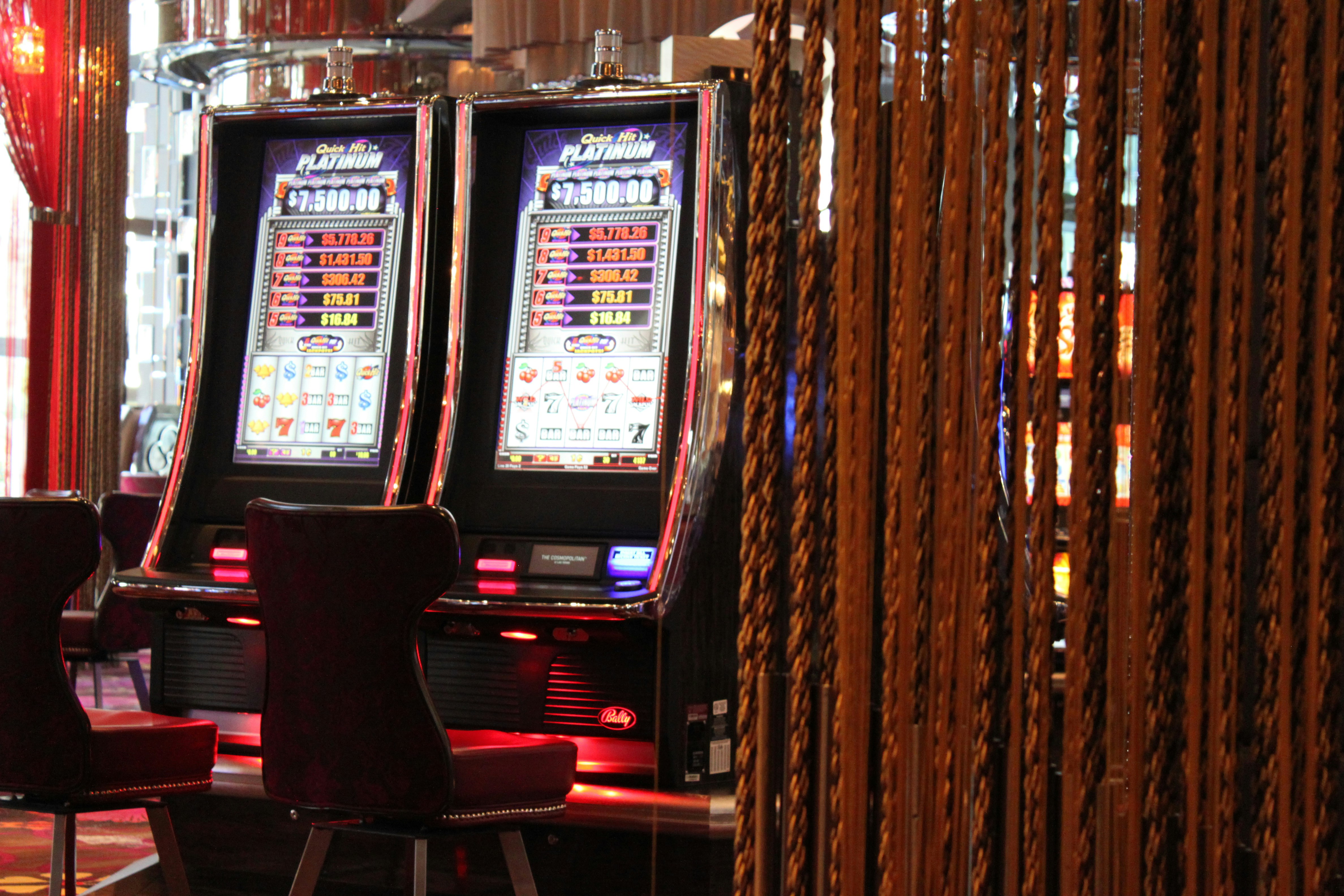

Introduction to Slot Machines
Slot machines have a rich and fascinating history that dates back to the late 19th century. The conception of this popular gambling device began with the creation of the Liberty Bell in 1895 by Charles Fey, a groundbreaking mechanical slot machine that utilized three reels with five symbols: hearts, diamonds, spades, a horseshoe, and the titular Liberty Bell. This innovative design laid the foundation for what would become an iconic entertainment staple in both casinos and online platforms.
As technology progressed, so did the design and mechanics of slot machines. The introduction of electromechanical components in the 1960s allowed for more complex gameplay, featuring multiple paylines and the ability to present more symbols on the reels. These advancements enhanced player engagement and paved the way for the modern fruit machines that are prevalent in gambling establishments today.
In the 1990s, the rise of digital technology transformed slot machines into the electronic versions we see today. With the advent of video slots, games expanded beyond simple mechanical designs and began to incorporate intricate themes and elaborate graphics. Video slots often include features such as bonus rounds, free spins, and progressive jackpots, significantly increasing their appeal to a broader audience.
Throughout their evolution, slot machines have maintained their status as one of the most popular forms of gambling worldwide. Their accessibility, variety, and the thrill of the unknown draw millions of players every year. The combination of chance and entertainment, along with continuous innovations in technology and design, ensures that slot machines remain a dominant force in the gambling industry. This ever-evolving nature not only enriches the gaming experience but also promises a compelling future for both traditional and online slot machines.
The Mechanics Behind Slot Machines
Slot machines, both physical and digital, function through a combination of mechanical parts and complex software systems. Understanding the components that make up these machines is essential for grasping how they deliver their captivating gaming experiences.
At the core of traditional slot machines are the reels. In mechanical versions, these reels physically spin and stop at various symbols that represent potential winnings. Modern video slots, however, give a digital representation of reels, simulating the spinning motion on a screen. The number of reels can vary, typically ranging from three to five, and more exotic offerings may feature additional reels.
Paylines are another crucial aspect of slot machines. A payline is a line that crosses the reels and indicates a winning combination. Depending on the game design, paylines can be straight, diagonal, or zigzag, providing players multiple ways to win. Some games may have fixed paylines, while others allow players to select the number of active lines, hence affecting their betting strategy.
The backbone of both mechanical and digital slot machines is the random number generator (RNG). This software component ensures that every spin’s outcome is entirely random and independent, giving players fair chances of winning. The RNG continuously generates numbers even when the machine is not in use, determining the positions of symbols on the reels when a player initiates a spin. This feature not only ensures fairness but also maintains the excitement of unpredictability in gameplay.
In summary, slot machines are sophisticated devices that employ a blend of physical mechanics and digital algorithms. By understanding the roles of reels, paylines, and RNGs, one can appreciate the intricacies involved in creating the entertaining experience these machines offer.
How Random Number Generators Function
Random Number Generators (RNGs) are integral to the operation of slot machines, ensuring that each spin provides a fair and unpredictable outcome. The core technology behind RNGs leverages mathematical principles of randomness to create sequences of numbers that underpin the results of the games. In essence, an RNG is a computer algorithm that generates numbers in a rapid and random manner, typically within a software framework evaluated by the slot machine’s operating system.
Slot machines often utilize a specific type of RNG known as a pseudo-random number generator (PRNG). While true randomness is hard to achieve in a computer environment, PRNGs use complex algorithms to produce sequences of numbers that lack discernible patterns, mimicking randomness. These algorithms take a seed value, the initial input, to generate a sequence of numbers that appears random, providing the foundation for fair gameplay.
The outcomes produced by RNGs in slot machines determine whether players win or lose, making them a cornerstone of the gambling experience. With millions of possible outcomes generated per second, every spin has the potential to be unique, thus ensuring that each player has an equal opportunity of winning. Manufacturers rigorously test RNGs to confirm their efficacy and fairness, and reputable gaming commissions oversee compliance with regulations to protect consumers.
Furthermore, the entire process of random number generation is conducted within milliseconds, allowing players to enjoy a seamless gaming experience without the delays associated with traditional mechanical systems. Ultimately, RNG technology not only reinforces the integrity of slot machines but also enhances player trust by assuring that each spin is entirely independent of the last. This assurance of fairness maintains the appeal of slot games in casinos and online gambling platforms alike.
Understanding Paylines and Bet Structures
Paylines are fundamental to slot machine functionality, as they determine how a player can win. A payline is a line across the reels that indicates a potential winning combination. Slots may feature multiple paylines, ranging from a single line to hundreds or even thousands in some modern video slots. The key to understanding paylines is recognizing how they impact the odds of winning. For instance, while single-line slots might seem simpler to play, multi-line slots offer a greater chance of landing winning combinations, albeit often at a higher bet cost.
Players can choose from various betting structures when engaging with slot machines, influencing both the number of active paylines and the amount wagered. In single-line slots, players typically place a fixed bet that covers one line, while multi-line slots allow for adjustable betting structures, letting players decide how much they wish to wager across multiple lines. This flexibility in betting can appeal to both casual players and high rollers, as they can tailor their gameplay according to their budget and risk preference.
Betting strategies also play a pivotal role in enhancing the gaming experience. Players can opt to place smaller bets across many lines to increase their chances of hitting a win, or they can risk larger bets on fewer lines for potentially higher payouts. It is important for players to consider their own playing style and set clear budgets to enjoy the gaming experience without overextending themselves financially. Understanding how paylines and betting structures interact is essential for making informed decisions while playing slots, ultimately enriching the player’s overall experience.
The Psychology of Playing Slot Machines
Slot machines have long been a staple of casinos, attracting millions of players worldwide. One of the crucial aspects that contributes to their popularity is the underlying psychology behind their design. Various psychological factors, such as sound effects, visual appeal, and the concept of ‘near-misses,’ play an intricate role in enhancing player engagement and the overall gaming experience.
The auditory elements of slot machines are specifically crafted to evoke excitement and anticipation. Winning sounds, often a mixture of celebratory jingles and rhythmic beeps, create a positive reinforcement loop that encourages continued play. These sound effects trigger an emotional response, prompting players to associate the machine with rewarding feelings. Additionally, the loud and eye-catching visuals are strategically designed to capture attention and maintain focus, ensuring that players are immersed in the gaming experience.
Visual appeal extends beyond just vibrant graphics; the design strategy often includes a combination of themes that resonate with players, such as adventure, mythology, or even popular culture. This not only keeps the gameplay fresh but also allows players to connect personally with the themes, further increasing their likelihood of returning to these machines.
Moreover, the phenomenon of ‘near-misses’ is a critical psychological factor. When players experience a near-miss—seeing symbols line up almost perfectly without resulting in a win—they often feel a sense of frustration combined with exhilaration. This paradox spurs repeat attempts, as the psychological effects mimic a win in certain players’ minds, reinforcing the belief that success is just a spin away. Thus, understanding these psychological principles helps illuminate why slot machines are so engaging and why many players are drawn to them despite their odds.
Common Misconceptions About Slot Machines
Slot machines are often surrounded by myths that can lead to misunderstandings about their mechanics and operations. One prevalent misconception is the concept of ‘hot’ or ‘cold’ machines. Many players believe that a slot machine that has paid out recently is ‘hot’ and more likely to offer further winnings, while others assume that a machine which hasn’t paid out in a while is ‘cold’ and unlikely to do so. However, slot machines operate on random number generators (RNGs), ensuring that each spin is independent of previous outcomes. The idea of a machine being hot or cold does not hold merit in terms of actual probabilities.
Another common fallacy is the belief that players can predict outcomes based on previous results. Some players engage in tracking the outcomes of spins, thinking patterns or trends might help them increase their chances of winning. Yet, due to the random nature of RNGs, past spins have no bearing on future results. Slot machines are designed to be unpredictable, making it impossible to forecast the next outcome based on historical data.
Moreover, there is a myth that larger bets yield better odds or greater payouts. While betting higher amounts can lead to larger potential winnings, the fundamental odds of the machine remain the same regardless of the bet size. Ultimately, every player has the same odds per spin, irrespective of the wager they place.
In conclusion, understanding that myths and emotional beliefs surrounding slot machines do not influence the game’s outcomes is crucial. Players should familiarize themselves with how slot machines function to promote a healthier gaming experience, free from misconceptions.
The Impact of Technology on Slot Machines
The evolution of technology has profoundly transformed the landscape of slot machines, a staple in casinos around the globe. The primary shift began with the introduction of electronic slot machines, which replaced traditional mechanical reels. This transition enabled more complex game designs, leading to a diverse array of themes and gameplay mechanics that cater to a wider audience. Today, players often find themselves immersed in slots themed around popular movies, television shows, or music, thereby enhancing their gaming experience.
Another significant advancement has been the implementation of touch screen technology. Touch screens allow for a more interactive and engaging experience, enabling players to navigate through options and bonuses seamlessly. This interface makes it easier for both novice players and experienced gamers to access the various features of slot machines. Additionally, these technological enhancements have resulted in more visually appealing graphics and animations, significantly improving player engagement.
The rise of online slot games marks one of the most noteworthy shifts in the industry. The internet has allowed players to access a myriad of slot games from the comfort of their homes. Online casinos often feature enhanced graphics and innovative gameplay not available in traditional venues, including progressive jackpots that can accumulate over time, offering the potential for substantial payouts. The ease of mobile gaming has further broadened the reach, with many casinos offering mobile-optimized slots for smartphones and tablets.
In summary, advancements in technology have undeniably reshaped the world of slot machines. From the basic mechanic of spinning reels to the sophisticated digital interfaces of today, technology continues to enhance the player experience, making each session more enjoyable and immersive. As technology progresses, one can anticipate further innovations in slot games, promising even more engaging experiences in the future.
Regulations and Fair Play in Slot Machines
The world of slot machines is governed by a comprehensive regulatory framework designed to ensure fair play and protect players. Gaming commissions and licensing bodies play crucial roles in monitoring and enforcing standards within the gambling industry. These organizations typically oversee all aspects of gaming operations, including the legality, safety, and fairness of slot machines.
Regulatory bodies, such as the Nevada Gaming Control Board or the UK Gambling Commission, establish stringent guidelines that must be followed by casinos and gaming establishments. These guidelines dictate how slot machines should function, the compliance requirements for software used by the machines, and the necessary audits that must be conducted. Furthermore, these commissions issue licenses to operators only after ensuring that they adhere to all regulations, safeguarding both the players and the integrity of the gaming industry.
One of the primary measures in place to ensure fair gaming is the use of Random Number Generators (RNGs). An RNG is a sophisticated software algorithm that guarantees that the outcome of each spin on a slot machine is random and fair. Independent testing agencies often evaluate these RNGs to ensure their compliance with established industry standards. This process fosters trust among players, demonstrating that slot machines do not favor the house unduly.
Additionally, many jurisdictions require slot machines to have a predetermined payout percentage, often referred to as the Return to Player (RTP) rate. This rate represents the average amount that a player can expect to win back over time, thus ensuring transparency and accountability. All of these regulations collectively contribute to an environment where players can confidently enjoy their gaming experience, knowing that the system is regulated and fair.
Future Trends in Slot Machine Design
The landscape of the slot machine industry is poised for significant transformation, driven by advancements in technology and evolving player preferences. As the gaming market expands, manufacturers are increasingly integrating cutting-edge technologies such as virtual reality (VR) and augmented reality (AR) into device design. These technologies aim to create immersive gaming experiences that can captivate a new generation of players. The use of VR in slot machines allows players to enter a fully virtual environment, enhancing sensory engagement while spinning the reels. This innovation could lead to a more personalized and thrilling experience, potentially increasing player retention and frequency of engagement.
Moreover, AR can transform traditional slot machines into interactive gaming experiences that blend digital elements with the physical environment. Players may find themselves at a table where virtual elements intertwine with actual machine mechanics, thereby enriching the overall gaming atmosphere. This hybridization of digital and physical spaces speaks to a broader trend of integrating technology in everyday entertainment.
In addition to technological integration, shifts in player demographics warrant consideration. The rise of younger generations, who are more tech-savvy and accustomed to interactive entertainment, suggests a market increasingly favoring innovative gaming solutions over traditional models. Casinos are likely to adapt their offerings to ensure that the design of slot machines resonates with the preferences of these new players. Themes may evolve to reflect contemporary culture and interests, making the machines more appealing.
Furthermore, the development of mobile gaming platforms is also expected to impact the future design of slot machines. With the growing popularity of online applications and mobile slots, the gaming industry must find ways to merge these platforms with traditional slot machines, creating a seamless experience that caters to both remote and in-person players. In this context, the future of slot machine design appears to be a captivating blend of innovation and responsiveness to changing player dynamics.

