

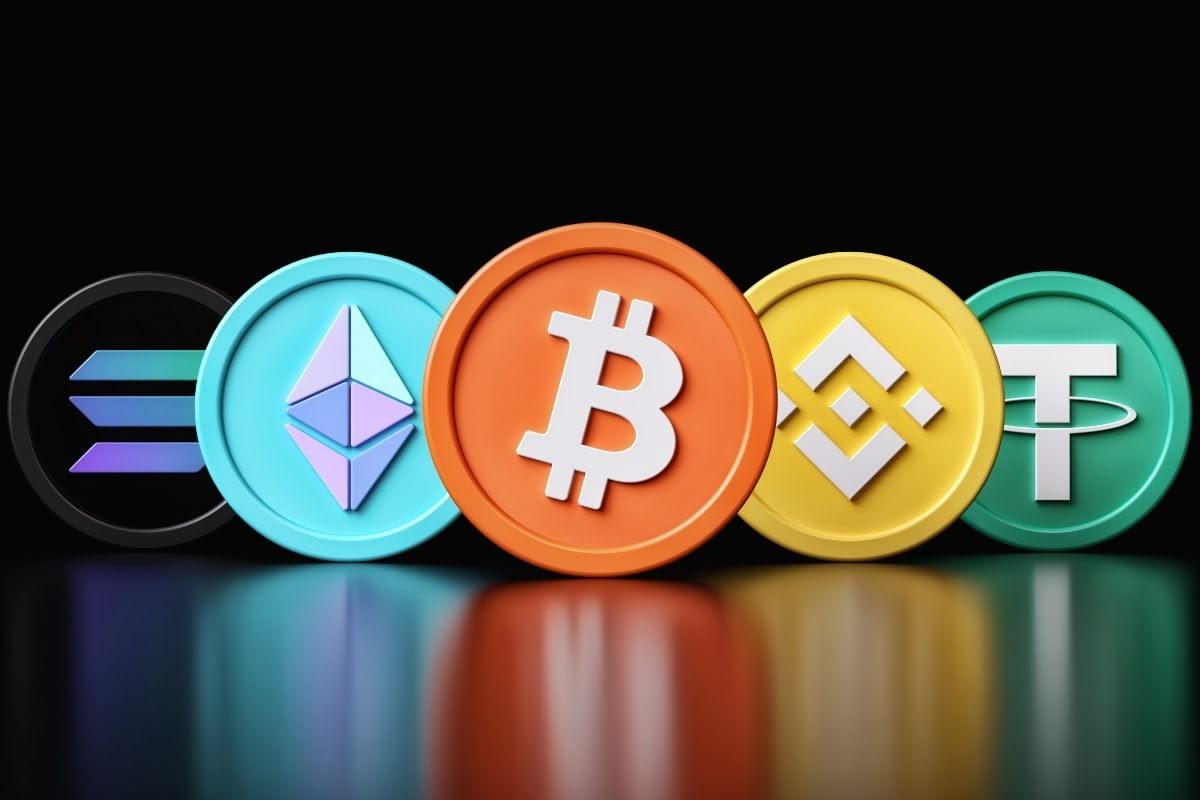

Introduction to Cryptocurrency
Cryptocurrency refers to a form of digital or virtual currency that employs cryptography for security. It operates on a decentralized network using technology known as blockchain, which is essentially a distributed ledger that records all transactions across multiple computers. This decentralization sets cryptocurrency apart from traditional currencies, which are governed and regulated by central authorities such as banks and governments.
The inception of cryptocurrency can be traced back to the release of Bitcoin in 2009, introduced by an individual or group using the pseudonym Satoshi Nakamoto. Bitcoin was designed to facilitate peer-to-peer transactions without the need for a central authority, effectively eliminating the intermediary from financial exchanges. Following Bitcoin’s success, thousands of alternative cryptocurrencies, commonly referred to as altcoins, have emerged, each possessing unique features and purposes.
One significant element of cryptocurrency is its limited supply, often governed by a protocol that ensures scarcity. For instance, Bitcoin has a maximum supply of 21 million coins, a feature that many believe creates a hedge against inflation. Moreover, transactions involving cryptocurrencies can be executed with relatively low fees and speeds that vary depending on network congestion, a stark contrast to the time-consuming and expensive nature of conventional banking transactions.
Cryptocurrencies have gained increased attention and relevance in today’s financial landscape due to their potential for innovation and disruption. Financial transactions in cryptocurrencies can occur worldwide without regard to geographical barriers, making them accessible to anyone with an internet connection. Furthermore, as the technology continues to mature, so too does the application of cryptocurrencies in various sectors, signaling a shift towards an increasingly digital economy.
How Does Cryptocurrency Work?
Cryptocurrency operates on a decentralized network, primarily based on blockchain technology. This innovative system allows for secure transactions and helps maintain a transparent public ledger. Each transaction made using cryptocurrency is grouped together with others and recorded in a block. These blocks are then linked together in a linear chain—hence the term “blockchain.” This structure ensures that once a transaction is recorded, it is nearly impossible to alter, thereby enhancing security.
To initiate cryptocurrency transactions, users utilize digital wallets, which are software applications capable of storing and managing the private and public keys necessary for sending and receiving cryptocurrency. A private key is akin to a password that grants access to the wallet, while the public key serves as the wallet’s address, which others can use to send funds. The interaction between these keys is critical to the ownership and security of the cryptocurrency.
Mining is another significant aspect of how cryptocurrencies work. It is the process by which new coins are created and transactions are verified on the blockchain. Miners use powerful computers to solve complex mathematical problems that validate transactions and add them to the blockchain. Upon successfully completing this process, miners are rewarded with a specific amount of the cryptocurrency they are mining. This not only incentivizes participation in the network but also helps secure it by adding computational power from numerous users.
Overall, the mechanics of cryptocurrency involve a combination of digital wallets, keys, blockchain technology, and mining. Together, these components create a secure and efficient environment for managing digital currency, facilitating not just transactions but also the overall integrity of the cryptocurrency system.
Types of Cryptocurrencies
In the ever-evolving world of digital finance, various types of cryptocurrencies have emerged, each catering to different needs and functionalities within the ecosystem. The most well-known among these is Bitcoin, which was introduced in 2009 by an anonymous entity known as Satoshi Nakamoto. Bitcoin is often referred to as the first cryptocurrency, serving primarily as a decentralized digital currency designed for peer-to-peer transactions. Its limited supply of 21 million coins creates scarcity, contributing to its status as a store of value.
Ethereum, launched in 2015, is another prominent cryptocurrency, offering more than just a digital currency. It supports smart contracts—self-executing contracts with the agreement directly written into code—allowing developers to create decentralized applications (dApps) on its blockchain. This innovative approach has positioned Ethereum as a leader in the cryptocurrency realm, giving rise to numerous projects and tokens built on its platform.
Moving beyond these giants, the group known as altcoins encompasses thousands of alternatives to Bitcoin and Ethereum. These altcoins often seek to improve on Bitcoin’s limitations or serve specific niches within the market. For example, Litecoin aims to facilitate faster transactions, while Ripple targets cross-border payments with its unique ledger technology. Additionally, stablecoins like Tether and USD Coin provide a solution to volatility by pegging their value to fiat currencies such as the US dollar. These stablecoins aim to offer the benefits of cryptocurrencies while minimizing price fluctuations, making them ideal for transactions and remittances.
Each type of cryptocurrency plays a crucial role in the broader financial landscape, with unique features and use cases. Understanding these variations can provide valuable insights for individuals looking to navigate the rapidly changing cryptocurrency market.
Buying Your First Cryptocurrency
Purchasing your first cryptocurrency can be an exciting yet daunting process for beginners. To get started, the first step is to choose a cryptocurrency exchange where you will buy your digital currency. Popular exchanges include Coinbase, Binance, and Kraken, each offering a variety of cryptocurrencies and trading pairs. To create an account on one of these platforms, you typically need to provide personal information, such as your name, email address, and sometimes even identification for verification purposes.
After setting up your exchange account, it’s crucial to prioritize security. Ensure you enable two-factor authentication (2FA) to add an extra layer of protection. Consider storing your cryptocurrency in a digital wallet rather than leaving it in the exchange. Wallets can be hot (online) or cold (offline) and vary in terms of convenience and security level. A hardware wallet, for instance, can provide superior security compared to online storage.
Before proceeding to buy your first cryptocurrency, it is wise to conduct thorough research. Familiarize yourself with various cryptocurrencies, their use cases, and market trends. Understanding factors such as market capitalization, trading volume, and potential technological advancements can help you make informed buying decisions. It may also be beneficial to join online communities or forums related to cryptocurrency where you can gain insights and advice from more experienced traders.
When you feel ready to buy, select the amount you want to purchase and place a market or limit order. A market order executes immediately at the current price, while a limit order allows you to set a specific price you are willing to pay. As you embark on this journey, remember to only invest what you can afford to lose and consider diversifying your investments to mitigate risks.
Storing Cryptocurrencies Safely
As the adoption of cryptocurrencies continues to rise, understanding how to store them securely becomes increasingly important. Cryptocurrencies are digital assets that require diligent storage measures to prevent unauthorized access and loss. There are primarily three main types of wallets used to hold these digital currencies: software wallets, hardware wallets, and paper wallets.
Software wallets, also known as hot wallets, are applications or programs that can be accessed via computers or mobile devices. While they are convenient for everyday transactions, they are more vulnerable to cyber threats. Users should ensure that their software wallets have robust security features, such as two-factor authentication, and should regularly update to the latest versions to patch any security vulnerabilities.
On the other hand, hardware wallets, commonly referred to as cold wallets, offer heightened security by storing cryptocurrencies offline. These devices resemble USB drives and are immune to online hacking attempts. They provide a much safer alternative for long-term storage of digital assets, especially for individuals who hold significant amounts of cryptocurrency. When using hardware wallets, it is crucial to keep the device in a secure location and create backup copies of the recovery seed to facilitate access if the device is lost or damaged.
Lastly, paper wallets represent another form of cold storage. A paper wallet involves printing the public and private keys on a physical piece of paper. While they are an ultra-secure method of storage, users should be cautious of physical threats, such as theft or damage from environmental factors. Additionally, it is imperative not to share these keys with anyone.
In conclusion, selecting the appropriate storage method for cryptocurrencies involves balancing convenience and security. By understanding these different types of wallets and implementing best practices, investors can protect their digital assets from potential risks and losses.
Understanding Cryptocurrency Market Trends
The cryptocurrency market is known for its volatility and rapid price fluctuations, making it vital for investors to understand the market trends. Analyzing these trends involves a combination of various factors, including market capitalization, trading volume, and technical analysis. Market capitalization refers to the total value of a cryptocurrency, calculated by multiplying the current price by the total supply. This metric is a key indicator of the overall size and health of a cryptocurrency in the market. A high market capitalization often suggests stability and investor confidence, while a low market cap might indicate vulnerability to price manipulation and high volatility.
Another essential factor to consider is trading volume. This metric shows the amount of a particular cryptocurrency that has been traded over a specific period, indicating the level of activity and interest in that asset. High trading volumes generally correlate with significant price movements, as they reflect a robust market demand. Monitoring these volumes can help investors determine short-term trends and potential price corrections.
Lastly, technical analysis plays a fundamental role in evaluating cryptocurrency price movements. This process involves analyzing historical price data and market indicators to identify patterns and forecast future price trends. Techniques such as moving averages, Relative Strength Index (RSI), and support and resistance levels are commonly used in cryptocurrency trading. Through these analytical methods, investors can make more informed decisions, optimizing their trading strategies.
In essence, understanding market trends is crucial for anyone looking to invest in cryptocurrency. By utilizing concepts such as market capitalization and trading volume, along with technical analysis, beginners can educate themselves and navigate the complexities of the cryptocurrency market more effectively.
Risks and Challenges of Investing in Cryptocurrency
Investing in cryptocurrency presents several risks and challenges that potential investors must understand prior to making any commitments. One of the most significant risks associated with cryptocurrency investments is market volatility. The prices of cryptocurrencies can fluctuate dramatically within short periods, driven by market sentiment, technological changes, regulatory developments, and other external factors. This volatility can lead to substantial gains, but it can also result in significant losses, making it imperative for investors to approach the market with caution.
Another critical aspect to consider is regulatory issues. The legal landscape surrounding cryptocurrencies varies drastically from one jurisdiction to another, and changes in regulations can impact the viability and legality of certain cryptocurrencies. Regulatory authorities may impose restrictions on the buying, selling, or trading of cryptocurrencies, potentially affecting market prices and accessibility. Investors should stay informed about the legal status of cryptocurrency in their region and the potential implications of new laws and regulations on their investments.
Cybersecurity threats are also a major concern for cryptocurrency investors. The decentralized and often anonymous nature of cryptocurrency transactions makes them attractive targets for hackers. Investors may lose their assets through cyberattacks, scams, or vulnerabilities in exchange platforms. As such, it is crucial for individuals investing in cryptocurrencies to adopt strong security practices, such as using hardware wallets, enabling two-factor authentication, and being cautious of phishing attacks.
Understanding these risks associated with cryptocurrency is essential for any new investor. A comprehensive approach that includes thorough research, vigilant monitoring of market trends, and the implementation of robust security measures can help mitigate some of these challenges. Education and awareness are key components for navigating the complex landscape of cryptocurrency investments effectively.
The Future of Cryptocurrency
The evolution of cryptocurrency has paved the way for a future that seems increasingly interconnected with digital currencies and blockchain technology. Predictions indicate a significant transformation across various sectors as cryptocurrencies gain mainstream acceptance. This trajectory is influenced greatly by advancements in technology, which enhance both the functionality and security of digital transactions.
One notable trend is the ongoing development of decentralized finance (DeFi) platforms, offering traditional financial services without the need for a centralized authority. DeFi is likely to grow, driven by increasing user demand for more inclusive financial solutions and the desire for greater autonomy over personal finances. Additionally, innovations like smart contracts and non-fungible tokens (NFTs) are pushing the boundaries of how cryptocurrency can be utilized beyond simple transactions.
Moreover, potential regulatory changes loom on the horizon as countries grapple with the need for legal frameworks to govern digital currencies. Governments worldwide are exploring tax implications, consumer protections, and anti-money laundering measures related to cryptocurrency use. This regulatory environment may enhance user trust and foster greater adoption, but it also carries risks, such as stifling innovation with excessive oversight.
The growing acceptance of cryptocurrencies in commercial sectors is another crucial factor that is likely to shape their future. More businesses are beginning to accept cryptocurrencies as legitimate payment options, which could further integrate them into everyday transactions. As large institutions and retail companies embrace this technology, such acceptance signals a shift in public perception and boosts confidence in digital currencies.
In conclusion, the future of cryptocurrency is poised to be dynamic and transformative, influenced by technological advancements, regulatory adjustments, and its broader acceptance in various sectors. The adaptability and resilience of this digital asset landscape will determine its ultimate role in the global economy.
Conclusion and Key Takeaways
As we have explored throughout this blog post, the world of cryptocurrency is multifaceted and evolving rapidly. It is essential for beginners to grasp a few fundamental concepts to navigate this financial landscape effectively. Understanding terms such as blockchain technology, wallets, and market volatility forms the foundation of any informed cryptocurrency investment strategy.
Investors should prioritize education and remain vigilant about the dynamic nature of digital currencies. Engaging with reliable sources of information, such as news websites, forums, and educational platforms, can be invaluable. Additionally, it is crucial to recognize the risks associated with cryptocurrency investments. Prices can fluctuate dramatically, influenced by various factors including market sentiment, regulatory changes, and technological advancements. Thus, a cautious approach, including the practice of diversifying investments, is recommended.
Moreover, establishing a secure method of storing cryptocurrencies is fundamental. Utilizing wallets effectively can protect against theft and loss, ensuring that investments remain safe and accessible. This security aspect, combined with a solid understanding of how the market operates, will benefit beginners embarking on their cryptocurrency journeys.
Finally, while the allure of significant returns in cryptocurrency exists, it is important to maintain realistic expectations. Like any investment, there is no guarantee of profit, and one must be prepared for all possible outcomes. By fostering a mindset of continuous learning and staying updated with market trends, newcomers to cryptocurrency can navigate their investment paths with greater assurance and clarity.

