

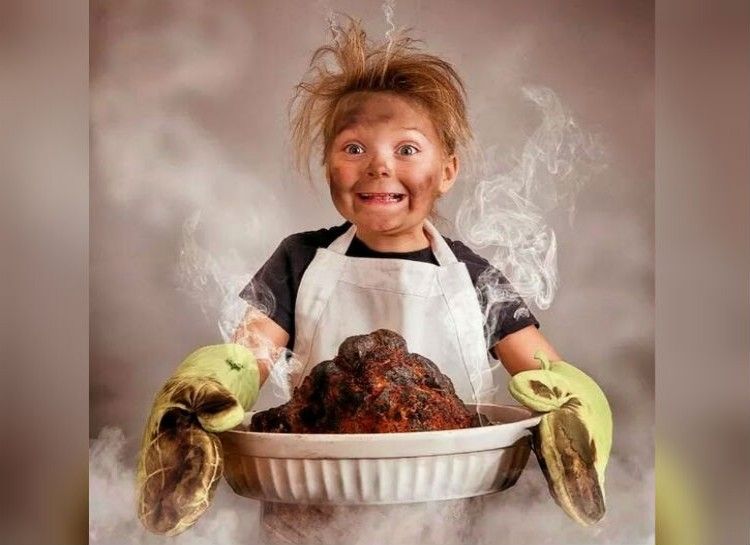

Introduction: The Importance of Avoiding Cooking Mistakes
Cooking is an art that requires not only creativity but also a solid foundation of techniques and knowledge. One pivotal aspect of being a successful cook is the ability to recognize and avoid common cooking mistakes. These errors, which can range from improper ingredient measurements to incorrect cooking temperatures, can significantly impact the final dish’s quality. Understanding the importance of avoiding cooking mistakes is crucial for developing one’s culinary skills and ensuring that meals are both enjoyable and satisfying.
When home cooks become aware of typical pitfalls in the kitchen, they open the door to improved outcomes. For instance, misjudging cooking times or neglecting the importance of seasoning can lead to bland or overcooked meals. By learning to identify these and other errors, cooks can refine their methods and enhance their overall cooking experiences. This not only results in tastier dishes but also fosters greater confidence in the kitchen.
Moreover, habitual mistakes can detract from the joy that cooking brings. The kitchen should be a space where creativity flourishes, allowing individuals to experiment with flavors and techniques. When mistakes are minimized, cooks can focus on the artistic aspects of their craft rather than stressing over avoidable errors. Consequently, elevating one’s cooking skills fosters a positive attitude toward the culinary process.
Ultimately, the act of cooking should be a gratifying experience. By recognizing and navigating past common cooking mistakes, individuals can cultivate an environment where they feel empowered and inspired to create delicious meals. This not only benefits the cook but also enriches the dining experience for those who partake in the finished products. In light of this, it is essential to master the basics and remain vigilant against these errors to truly enjoy the art of cooking.
Not Reading the Recipe Thoroughly
One of the most common cooking mistakes made by novice and even experienced cooks alike is not reading the recipe thoroughly before diving into the cooking process. Understanding the importance of this practice cannot be overstated, as it serves as the foundation for successful meal preparation. A comprehensive read-through of the recipe allows the cook to familiarize themselves not just with the list of ingredients, but also with the required cooking methods, equipment, and essential preparation steps involved.
First and foremost, a thorough reading ensures that all necessary ingredients are present, which eliminates the frustration of discovering an essential item is missing midway through the cooking. Furthermore, unfamiliar terms or techniques can be clarified ahead of time, providing a clearer understanding of how to execute each stage of the cooking process effectively. This understanding can prevent significant errors, such as misjudging cooking times or temperatures, which can alter the final outcome of the dish.
Additionally, some recipes contain important tips or notes on substitutions, which can be invaluable for those with dietary restrictions or those looking to use what they have on hand. Noticing these nuances while preparing can save time and optimize the overall cooking experience. Moreover, taking the time to absorb all the details may also introduce cooks to new techniques or concepts, enhancing their culinary skills and expanding their repertoire.
In conclusion, taking a moment to read the recipe thoroughly before cooking is an investment of time that pays off significantly in the kitchen. It mitigates the likelihood of mistakes, enhances the cooking experience, and ultimately leads to a more successful culinary endeavor.
Misestimating Ingredient Measurements
Accurate measurement of ingredients is fundamental to successful cooking and baking. Misestimating these measurements can lead to disastrous results, altering not only the flavor but also the texture and appearance of the final dish. One common pitfall is using volume measurements instead of weight measurements, especially in baking. For example, a cup of flour can weigh anywhere from 110 to 150 grams depending on how it is packed, which can significantly impact the outcome if precision is not accounted for.
Different measuring tools can also lead to inaccuracies. Spoons and cups can vary, and even the same ingredient can measure differently when scooped versus spooned. To achieve better consistency, it is recommended to invest in a kitchen scale, particularly for baking, where precise measurements are critical. Using a scale can take the guesswork out of cooking, ensuring that each ingredient is measured to perfection.
When measuring dry ingredients, it is advisable to spoon the ingredient into the measuring cup and level it off with a knife, rather than scooping directly from the container. This technique prevents packing and ensures an accurate measurement. For liquid ingredients, always use a transparent liquid measuring cup and check the measurement at eye level to avoid parallax errors. It is also worth noting that the temperature of liquids can affect their volume; for instance, warm liquids may expand slightly.
By understanding the importance of accurate ingredient measurement and utilizing the right tools, cooks can avoid common mishaps. Mastering the art of measurement not only enhances cooking skills but also boosts confidence in the kitchen, ultimately leading to remarkable dishes that meet the intended results. In conclusion, ensure to measure with precision to fully enjoy the culinary experience.
Overcrowding the Pan
One common cooking mistake that can lead to unsatisfactory results is overcrowding the pan. This occurs when too many ingredients are placed in a cooking vessel at once, hindering their ability to cook evenly. When the pan is overcrowded, the temperature drops significantly, which can result in steaming rather than browning. Browning is a vital cooking technique that enhances flavor and adds depth to dishes; therefore, it is essential to understand how to prevent overcrowding.
When ingredients are packed tightly together, they inhibit each other’s ability to sear and caramelize properly. For instance, if you add too many vegetables to a skillet, they will release moisture, which leads to steaming instead of achieving the desired crispy texture. This can lead to ingredients that are often soft and bland, failing to develop rich flavors. To avoid this, it is advisable to work in small batches, allowing adequate space between the ingredients to create contact with the hot surface of the pan.
In addition to enhancing the texture, properly spacing out the ingredients can also play a crucial role in cooking times. Different ingredients have varying cooking times, and overcrowding can lead to uneven doneness. For example, if you are sautéing a mix of proteins and vegetables, certain items may need more time to cook through than others. By avoiding overcrowding, you can monitor the cooking process more effectively, ensuring that every component is completed to perfection.
In summary, to master the art of cooking, one must learn to manage pan space effectively. Keeping ingredients at a distance allows for optimal heat distribution and browning, ultimately achieving the desired flavor and texture in your dishes. Always consider working in batches when necessary, as this practice will elevate your culinary skills and lead to more successful outcomes in the kitchen.
Skipping Preheating the Oven or Pan
One of the most common cooking mistakes many home cooks make is skipping the preheating of the oven or cooking pan. This seemingly minor step can have a significant impact on the outcome of your dishes. Preheating is essential because it ensures that your cooking surface reaches the optimal temperature before your food is introduced, allowing for better browning and even cooking.
When food is placed in a cold oven or an unheated pan, it begins to cook slowly. This leads to uneven cooking, where some areas may become overcooked while others remain undercooked. Key reactions in cooking, such as the Maillard reaction, which is responsible for the browning and flavor development in foods, require proper heat levels. Neglecting to preheat can prevent these chemical processes from occurring effectively, compromising both taste and texture.
Additionally, preheating allows for a more precise control of cooking time. Recipes are meticulously designed with the assumption that your cooking surface is at the desired temperature when the food goes in. If you deviate from this, you might find your dinner taking longer to cook, which can throw off your entire meal schedule.
To properly preheat your oven, set it to the required temperature and wait for at least 10-15 minutes, depending on the oven model. For pans, especially non-stick or cast iron, give adequate time for heating on medium heat for several minutes before adding ingredients. Always use an oven thermometer to ensure accuracy when preheating. By paying attention to this important cooking technique, you will dramatically improve your results and consistently prepare delicious, evenly cooked meals.
Tasting as an Essential Cooking Practice
Tasting as you cook is a crucial step in the culinary process that many home cooks tend to overlook. While following a recipe provides a foundation, the act of tasting allows for personal adjustments that can elevate a dish from mediocre to remarkable. When you take the time to sample your dish at different stages, you are given the opportunity to gauge flavors and aim for that perfect balance that distinguishes a well-cooked meal.
If you neglect to taste your food during cooking, you run the risk of serving dishes that are bland or unpalatable. Different cooking methods can alter flavors in unexpected ways. For example, simmering can intensify certain flavors, while roasting might bring out sweetness. By tasting at various points, you can identify if your dish needs more seasoning, acidity, or sweetness. This proactive approach encourages a keen awareness of the evolving flavors as they develop, leading to more satisfactory culinary outcomes.
Furthermore, the habit of tasting enhances your overall kitchen experience. It fosters a deeper connection between the cook and the food, transforming the act of cooking into an interactive journey rather than a mere set of instructions to follow blindly. This mindfulness not only improves the quality of the food but also invites creativity, encouraging cooks to experiment with new spices or flavor combinations that might not be in the original recipe.
In summary, neglecting to taste as you cook can lead to unseasoned dishes and missed opportunities for flavor enhancement. By incorporating tasting into your cooking routine, you allow yourself the chance to create meals that are not only delicious but also uniquely reflective of your personal palate.
Using Dull Knives or Inappropriate Cooking Tools
In the culinary world, the importance of using sharp knives cannot be overstated. Dull knives pose a significant risk, as they require more force to cut through ingredients, leading to increased chances of slipping and causing accidents. Utilizing sharp knives enhances both the efficiency and precision of culinary tasks, making it easier to achieve uniform cuts that improve the overall presentation of the dish. Additionally, sharp knives preserve the integrity of the food, allowing for smoother cuts that maintain juiciness and freshness.
Beyond knives, selecting appropriate cooking tools tailored to specific tasks is equally crucial. Each tool, whether it is a whisk, spatula, or chef’s knife, has been designed for a particular purpose. Using the right equipment can drastically improve cooking efficiency, reduce preparation time, and prevent frustration in the kitchen. For example, employing a food processor for chopping vegetables instead of a manual knife can yield quicker and more consistent results. Furthermore, inappropriate or poorly maintained tools can compromise the quality of food preparation and potentially lead to accidents.
To maintain optimal performance, it is essential to care for kitchen tools properly. Regular honing and sharpening of knives will keep them functional and safe. Tools should be washed and stored correctly to prevent wear and tear. Checking for any damages or wear in utensils and replacing them as necessary is also a recommended practice. Adhering to these maintenance protocols not only enhances the longevity of kitchen tools but also ensures a safer, more efficient cooking environment.
Ignoring Food Safety Guidelines
Food safety is a fundamental aspect of cooking that is often overlooked by many home chefs. Ignoring essential food safety guidelines can lead to severe health risks, including foodborne illnesses. One of the most common mistakes is undercooking meat. Proper cooking temperatures are critical for killing harmful bacteria like Salmonella and E. coli, which can thrive in undercooked poultry and ground meats. To ensure safety, it is advisable to use a food thermometer and familiarize oneself with the recommended internal temperatures for various types of meat.
Cross-contamination is another significant concern in food preparation. This occurs when raw foods, particularly meat, come into contact with ready-to-eat foods like salads or fruits. Utilizing separate cutting boards for raw and cooked foods is an effective method to prevent this issue. Additionally, hands and surfaces must be washed thoroughly after processing raw ingredients to ensure that pathogens do not spread throughout the kitchen.
Improper food storage practices also pose a risk to food safety. Foods must be stored at the correct temperatures to inhibit bacterial growth. For instance, perishable items should not remain at room temperature for extended periods. It is important to store leftovers promptly in the refrigerator and to consume them within a safe timeframe. Labeling containers with dates can help monitor the freshness of stored items.
Education about food safety is crucial for anyone who prepares food. By being vigilant about these common mistakes—undercooking meats, neglecting cross-contamination protocols, and improper food storage—home cooks can significantly reduce the risk of foodborne illnesses. Adhering to food safety guidelines not only protects health but also enhances the overall cooking experience.
Conclusion: Embracing Mistakes as Part of the Learning Process
Throughout this blog post, we have explored the various cooking mistakes that many novice and even experienced chefs encounter in the kitchen. By highlighting specific errors such as over or under seasoning, neglecting proper preparation, and misunderstanding cooking times, we have aimed to provide insights that can significantly improve your culinary skills. Mistakes in cooking are not merely setbacks; rather, they are valuable learning opportunities that contribute to the overall mastery of the culinary arts.
Recognizing that making mistakes is an inherent part of the cooking journey enables us to foster a more positive and experimental mindset in the kitchen. Each misstep offers a chance to refine techniques, enhance flavor profiles, and discover innovative approaches to recipes. Instead of being disheartened by a slightly burnt dish or a soup that lacks seasoning, embrace these experiences as part of the process. This attitude not only reduces the pressure associated with cooking but also encourages creativity and exploration.
Moreover, as you continue to experiment and learn, remember that perfection is not the ultimate goal; rather, it is the joy of cooking and the satisfaction of creating nourishing meals for yourself and others. Embrace the inevitable errors and build upon these experiences. Over time, you will find that your confidence and skills flourish, transforming cooking from a task into a gratifying and enjoyable activity.
In conclusion, understanding the common cooking mistakes highlighted in this post can pave the way for growth in the kitchen. By adopting a mindset that views mistakes as learning opportunities, you can not only enhance your cooking abilities but also cultivate a deeper appreciation for the culinary arts.

