


Understanding Spices: The Basics
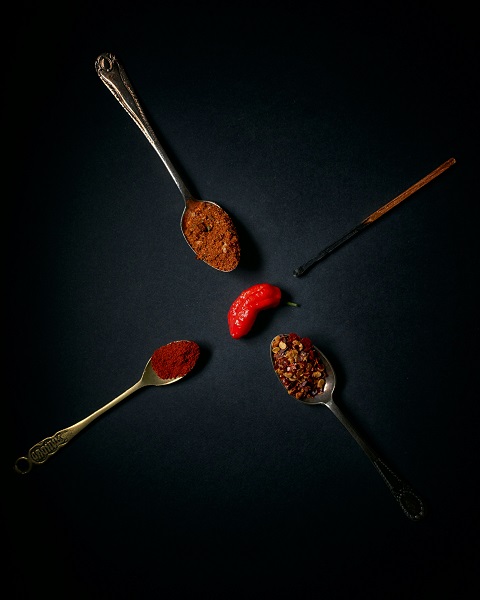
Spices are an essential component of culinary practices worldwide, serving to enhance flavors, aromas, and the overall quality of dishes. The variety of spices available can be categorized into several forms: whole spices, ground spices, dried spices, and fresh spices. Whole spice storage, such as cinnamon sticks, cloves, and cumin seeds, retain their flavors for a longer duration and can be ground as needed for optimal freshness. Ground spices, including turmeric and paprika, provide a more immediate flavor impact but have a shorter shelf life compared to their whole counterparts. Dried spices, often a staple in many kitchens, are obtained from seeds, roots, and husks. These spices are highly concentrated and can significantly alter the flavor profile of any dish they accompany. Fresh spices, which include varieties like ginger and lemongrass, add vibrant flavors and often play an integral role in various global cuisines.
The importance of spices extends beyond mere flavor enhancement; they have a rich historical significance in cooking. Historically, spices were used not only to enhance food but also as preservatives and medicines. The demand for popular spices like pepper and saffron led to significant trade routes and influenced global commerce. Furthermore, understanding the distinction between spices and herbs is crucial. While spices are derived from various plant parts, such as seeds, roots, and bark, herbs are typically the leafy green parts of plants, like basil or cilantro.
A proper grasp of these differences and the wide variety of spices enables cooks, whether novice or experienced, to elevate their culinary skills. Incorporating spices thoughtfully into cooking can lead to remarkable flavor combinations and a deeper appreciation of global cuisines. Recognizing the characteristics of each spice type empowers individuals to select the appropriate varieties for their dishes, ultimately enriching their cooking experiences.
Choosing the Right Spices for Your Dish
Selecting the appropriate spices for your dish is pivotal to enhancing its overall flavor profile. When embarking on your culinary adventure, it is essential to consider the cuisine type you are preparing. Different culinary traditions have distinctive spice preferences that can significantly influence the final taste of your meal.
For instance, Mediterranean dishes often benefit from the aromatic qualities of herbs such as oregano, basil, and rosemary, which pair well with tomatoes and olive oil. In contrast, Indian cuisine typically employs a range of spices like cumin, coriander, and turmeric, each adding depth and warmth to the dishes. Understanding the regional characteristics of spices can help you make informed choices that align with your intended flavor direction.
Another crucial factor in selecting spices is to consider the main ingredients of your dish. Some spices complement specific proteins or vegetables exceptionally well. For example, fish can be beautifully enhanced with dill or lemon zest, while hearty meats such as beef and lamb often pair well with robust flavors like black pepper and smoked paprika. Additionally, vegetables like squash can be transformed with the addition of nutmeg or cinnamon, showcasing how spices can elevate even the simplest ingredients.
Classic spice combinations are also worth exploring. For example, a mix of garlic, onion, and black pepper is foundational in many cultures, while a combination of chili, cumin, and coriander can invigorate your Mexican dishes. Alternatively, pairing cinnamon with allspice creates a warm, inviting flavor ideal for baking or festive recipes. Utilizing these combinations will not only streamline your decision-making process but also bring a richness to your culinary creations.
Storing Spices Properly for Freshness
Proper storage of spices is essential for maintaining their freshness and flavor over time. Spices, being natural products, are subject to deterioration if not stored under appropriate conditions. The primary factors influencing spice longevity are temperature, light exposure, and the type of containers used.
To maximize the shelf life of spices, it is advisable to keep them in a cool, dry place away from direct sunlight. Ideal storage temperatures range between 60°F and 70°F (15°C to 21°C). Storing spices in a pantry or cupboard that is not near an oven or radiator can help prevent heat exposure, which can cause the spices to lose their essential oils and flavors.
Additionally, light plays a significant role in the degradation of spices. Exposure to light, especially sunlight, can lead to a loss of potency and color. Therefore, it is best to store spices in opaque or dark glass containers that block out light. If using clear containers, they should be kept in a dark cupboard to avoid exposure.
Choosing the right container is equally important. Airtight containers are recommended, as they prevent moisture from getting in and distorting the spice’s quality. Glass jars with tight seals or high-quality plastic containers designed for spice storage are ideal options. Avoid using metal containers, as they can react with certain spices and alter their flavors.
When it comes to the shelf life of spices, whole spices, such as cinnamon sticks or nutmeg, generally last longer than ground spices. Whole spices can last up to four years if stored properly, while ground spices typically maintain their flavor for about two to three years. It is advisable to label containers with purchase dates to monitor freshness effectively and discard any spices that lose their aroma or taste.
How to Use Spices: Techniques and Timing
Utilizing spices effectively is essential for enhancing the flavors of various dishes in the kitchen. The timing of when to add spices can significantly impact the final taste of a meal. Generally, spices should be added at different stages of cooking to achieve optimal flavor infusion. For instance, robust spices such as cumin or mustard seeds can be sautéed in oil right at the beginning, allowing their essential oils to be released and establish a flavorful base. This technique, known as blooming, is particularly effective in recipes where spices are the main flavor contributors.
Another technique to elevate the flavor profile of your dishes is to toast spices. Toasting involves cooking spices over low heat for a matter of minutes until they emit a fragrant aroma. This process intensifies the flavor and can be particularly beneficial for whole spices such as coriander seeds, cinnamon sticks, or cloves. When spices are toasted, the heat initiates a chemical transformation, resulting in heightened flavor complexity, which can make a significant difference in your culinary creations.
When choosing between whole and ground spices, it is important to consider their individual properties. Whole spices generally offer a more potent flavor compared to their ground counterparts, as they retain their essential oils for a longer time. However, ground spices provide convenience and can be easily integrated into various dishes. For maximum flavor, whole spices should be ground just before use, allowing their freshness to shine through. Experimenting with the different forms of spices and their respective timing can lead to more flavorful and aromatic meals, enhancing your overall cooking experience.
The Health Benefits of Various Spices
Spices have been more than mere flavor enhancers in our culinary traditions; they serve as potent agents of health. Incorporating spices like turmeric, cinnamon, ginger, and chili peppers into your daily diet can deliver numerous nutritional advantages that contribute to overall wellness.
Turmeric, recognized for its vibrant yellow color, is a powerhouse of anti-inflammatory and antioxidant properties, largely due to the active compound curcumin. Regular consumption of turmeric can support joint health, enhance cognitive function, and potentially reduce the risk of chronic diseases such as heart disease and diabetes. Adding turmeric to soups, stews, or smoothies not only boosts flavor but provides significant health benefits.
Cinnamon, another widely used spice, is particularly noted for its ability to regulate blood sugar levels, making it a vital compound for those dealing with diabetes. Its antimicrobial properties also help in preventing infections. Incorporating cinnamon into oatmeal, baked goods, or as a seasoning in savory dishes can enhance both taste and health benefits.
Ginger, often used in both sweet and savory recipes, offers digestive health support and can alleviate nausea and inflammation. It contains gingerol, a bioactive compound that may reduce muscle pain and soreness. Utilizing ginger in teas, stir-fries, or smoothies can provide a warmth and flavor while bolstering your digestive system.
Lastly, chili peppers are not just for adding heat to dishes. They contain capsaicin, known for its pain-relieving properties and potential metabolism-boosting effects, which can assist in weight management. Including chili peppers in your cooking can enhance flavor profiles while supporting metabolic health.
Incorporating these essential spices into your kitchen not only enriches your meals but also contributes significantly to your health. A balanced diet that includes these spices can lead to enhanced well-being and longevity.
Creative Ways to Incorporate Spices into Everyday Meals
Spices can transform mundane meals into delightful culinary experiences. To fully embrace the potential of spices in everyday cooking, it is essential to experiment and find combinations that resonate with personal tastes. One creative way to begin this journey is by enhancing breakfast dishes with vibrant spices. For instance, adding a pinch of cinnamon to oatmeal not only introduces a warm flavor but also imparts health benefits such as reducing inflammation. Similarly, a sprinkle of cayenne pepper can elevate scrambled eggs, offering a spicy kick that awakens the palate.
Salads often fall victim to blandness, but they provide an excellent canvas for showcasing spices. Incorporating spices such as cumin or coriander into dressings can create depth and complexity. A simple vinaigrette made with olive oil, lemon juice, and a teaspoon of Dijon mustard can be transformed with a dash of smoked paprika or some fresh herbs. This not only adds flavor but also enhances the visual appeal of the dish.
For snacks, consider the versatility of spices in roasted nuts or popcorn. Toss a handful of mixed nuts with olive oil, salt, and a generous sprinkling of chili powder or rosemary for a savory treat. Likewise, popcorn seasoned with garlic powder and nutritional yeast presents a flavorful alternative to traditional buttered varieties. This method not only brings zest to the table but also serves as a healthier snacking option.
When thinking about dinner, marinating proteins like chicken or tofu in yogurt mixed with turmeric and ginger creates a tender and aromatic meal. Additionally, experimenting with spice blends such as ras el hanout or garam masala can introduce intricate flavors that captivate the senses. By adopting these creative methods, individuals can enhance their cooking repertoire, making spices an integral part of their daily meals.
Using Spices in Baking: A Flavorful Twist
Baking is often perceived as a precise science, focusing on measurements and timing. However, the thoughtful incorporation of spices can elevate baked goods, providing depth and complexity to the flavor profiles of various treats. From cakes to cookies and breads, spices play an integral role in transforming familiar recipes into memorable culinary experiences.
When considering the use of spices in baking, it is essential to match the spice to the dessert. For instance, cinnamon and nutmeg are traditional choices for cakes and cookies, adding warmth and sweetness that enhances flavors. Ginger, with its distinctive heat, pairs well with molasses in gingerbread cookies, creating a robust flavor that balances the sweetness. Allspice can also shine in recipes that call for pumpkin or apple, contributing a hint of clove and nutmeg, thus enriching the taste.
Another tip for incorporating spices is to consider the overall flavor profile of the baked good. For sweet breads, indulging in cardamom or vanilla can unveil a fragrant aroma that complements fruit additions like banana or blueberry. Conversely, for savory treats like herb bread, blending herbs such as rosemary or thyme with garlic powder provides a delightful contrast; the earthiness of the spices enhances the natural flavors of the ingredients.
Moreover, mixing different spices can lead to unique combinations. Combining cinnamon with cocoa powder in chocolate cookies creates a chocolate lover’s delight, while a dash of cayenne pepper can add an unexpected kick to sweet desserts like brownies. Exploring such combinations allows for creativity in the kitchen, inviting bakers to experiment with varying quantities and types of spices.
Understanding how to effectively incorporate spices in baking can result in extraordinary outcomes, delivering flavors that resonate with sweetness and warmth or adding unique twists that delight the palate. As bakers learn to pair spices thoughtfully, the sky is the limit when it comes to creating flavorful treats.
Creating Your Own Spice Blends
Spice blends are an essential component of culinary practices around the world, offering a unique way to enhance flavors in a variety of dishes. The process of making your own spice blends at home is not only rewarding but allows for tailored flavor profiles that cater to individual palates. Among the popular spice blends, curry powder, garam masala, and herbes de Provence stand out for their versatility.
To begin, consider the base ingredients for your desired spice blend. For curry powder, a mix of ground turmeric, coriander, cumin, and fenugreek can serve as a foundation. You may also want to experiment by adding spices such as cardamom or cloves for a richer flavor. A basic ratio to start with consists of two tablespoons of turmeric, one tablespoon each of coriander, cumin, and fenugreek, along with seasoned salt to taste. It’s advisable to gradually adapt the quantities to align with your preferences.
Similarly, preparing garam masala typically involves warming whole spices like black peppercorns, cloves, and cinnamon sticks to release their oils and deepen their flavor. Once toasted, it is crucial to blend them to a fine powder and store it in an airtight container. The typical proportions include two tablespoons of coriander seeds, one tablespoon of cumin seeds, and a pinch of nutmeg, but feel free to adjust based on taste.
Herbes de Provence is often synonymous with the flavors of southern French cuisine. This blend may include dried thyme, oregano, marjoram, and rosemary. The ratio can vary, but a starting point could be two parts thyme, one part oregano, and one part marjoram. Personal touches can be added, such as lavender or fennel, further enriching the blend.
In crafting spice blends, it is beneficial to consider the intended use, storage duration, and personal spice preferences. Utilizing high-quality spices and toasting them before blending can significantly enhance the flavor profile. Experimentation is key to discovering combinations that resonate with your cooking style.
Common Mistakes to Avoid When Using Spices
Using spices is an essential aspect of enhancing the flavors of any dish. However, several common mistakes can negatively impact cooking outcomes, dictating the need for caution and mindfulness while incorporating these flavorful elements. One of the primary errors is overusing or underusing spices. Beginners, in particular, may be tempted to sprinkle excessive amounts to ensure flavor, which can have the opposite effect, overpowering the dish. Conversely, underusing spices can lead to bland meals, failing to reveal the intended depth of flavor. A recommended practice is to start with smaller quantities and adjust according to taste preferences.
Another frequent pitfall occurs in the balance of flavors. Spices are not just about heat; they should enhance and complement the main ingredients. For instance, if a dish is excessively spicy, it may mask other flavors, resulting in a one-dimensional meal. Conversely, when using aromatic herbs, like cumin or coriander, a crucial mistake is adding them at the wrong stage of cooking. To unlock their full potential, these spices should be added at the beginning, allowing their aromas to permeate the dish effectively.
Failing to consider the potency of spices is also crucial. Fresh herbs and spices typically have stronger flavors than their dried counterparts. Therefore, one must adjust the quantity used accordingly. When substituting spices, it’s useful to research recommendations on conversions, as certain spices may be more intense. A good rule of thumb is to use one-third the amount of dried spice if substituting with fresh.
In conclusion, avoiding these common mistakes when using spices can significantly improve your cooking. By carefully measuring, balancing flavors, and adjusting for potency, you can enhance the overall taste and quality of your meals, leading to a more enjoyable culinary experience.

