

Understanding Stress and Anxiety
Stress and anxiety are common emotional responses that can significantly impact an individual’s well-being and daily life. Stress is defined as the body’s reaction to a challenge or demand, often triggered by external factors such as work pressure, financial issues, or personal relationships. This response is typically short-term, leading to physical effects such as increased heart rate, elevated blood pressure, and muscle tension. These reactions are part of the body’s fight-or-flight response, which prepares individuals to face or flee stressful situations.
Anxiety, on the other hand, is characterized by persistent and excessive worry that goes beyond everyday stressors. It is an internal experience often rooted in fears about the future or concerns over perceived threats. Unlike stress, which may arise in reaction to a specific event, anxiety can occur more generally and may be chronic in nature. Anxiety disorders, including generalized anxiety disorder (GAD), social anxiety disorder, and panic disorder, exhibit symptoms like restlessness, irritability, difficulty concentrating, and disrupted sleep patterns.
The distinction between everyday stressors and chronic anxiety is crucial for understanding how these feelings manifest in one’s life. Everyday stress can often be managed through coping mechanisms such as exercise, time management, or relaxation techniques. Conversely, chronic anxiety may require more intensive interventions, such as therapy or medication. Both conditions can hinder day-to-day functioning and affect personal relationships, work performance, and overall quality of life. Awareness of these differences can guide individuals in addressing their feelings and seeking appropriate solutions for relief.
Understanding CBD
Cannabidiol, commonly referred to as CBD, is a chemical compound extracted from the Cannabis sativa plant, widely known for its therapeutic potential. Unlike its more notorious counterpart, tetrahydrocannabinol (THC), CBD does not produce psychoactive effects, meaning it does not induce the “high” associated with marijuana use. This unique property of CBD has sparked significant interest among researchers, healthcare professionals, and the general public, particularly for its potential applications in stress and anxiety relief.
CBD is derived primarily from hemp, a variety of Cannabis sativa that contains low levels of THC. The legal status of CBD has evolved significantly over recent years. In many countries, including the United States, CBD derived from hemp is legal, provided it contains less than 0.3% THC. This has paved the way for a growing market, allowing consumers access to various CBD products, such as oils, capsules, edibles, and topical applications, which are marketed for multiple health-related purposes.
The therapeutic properties of CBD are attributed to its interaction with the body’s endocannabinoid system, which plays a critical role in regulating various physiological functions, including mood, sleep, and stress response. Research has suggested that CBD may have anxiolytic (anxiety-reducing) effects, making it a viable option for individuals seeking alternatives to traditional anxiolytic medications. Its popularity continues to rise, supported by anecdotal evidence and emerging studies highlighting its potential benefits for managing stress, anxiety, and other health conditions.
As the understanding of CBD expands, its applications are continuously explored, creating an increasing interest in its role as a natural remedy for some of the most prevalent mental health challenges faced today.
How CBD Works in the Body
The human body possesses a complex system known as the endocannabinoid system (ECS), which plays a significant role in regulating various physiological processes, including mood, stress, and anxiety levels. The ECS consists of endocannabinoids, receptors, and enzymes that work together to maintain homeostasis, or balance, within the body. When external cannabinoids like CBD are introduced, they can interact with this system and may help in managing stress and anxiety effectively.
CBD primarily interacts with two types of receptors in the ECS: CB1 and CB2. CB1 receptors are predominantly located in the brain and central nervous system, whereas CB2 receptors are found mainly in peripheral tissues and the immune system. When CBD is consumed, it does not bind directly to these receptors; rather, it influences the way these receptors respond to the body’s own endocannabinoids. This interaction may result in a modulation of neurotransmitter release, potentially affecting mood and stress responses.
Research indicates that CBD may alter serotonin levels in the brain. Serotonin is a neurotransmitter known for its role in regulating mood and anxiety. By influencing the serotonin receptors, CBD may help to create a calming effect, providing relief from the sensations of stress and anxiety. Furthermore, studies suggest that CBD’s anxiolytic (anxiety-reducing) properties may arise from its ability to lower the sensations of physiological stress, making it a popular choice for those seeking natural alternatives to conventional anxiolytic medications.
Moreover, CBD’s anti-inflammatory properties may also contribute to its effectiveness in alleviating stress and anxiety symptoms, as inflammation can exacerbate these conditions. In summary, the interaction of CBD with the endocannabinoid system, particularly its modulation of receptors and neurotransmitters, highlights its potential as a promising option for individuals struggling with stress and anxiety.
Research on CBD and Stress Relief
Recent scientific research has increasingly focused on the potential role of cannabidiol (CBD) as a promising therapeutic agent for managing stress and anxiety. Several studies have explored the specific effects of CBD on stress-related behaviors, providing a variety of data regarding its efficacy. For instance, a 2019 study published in the journal Neurotherapeutics demonstrated that CBD may effectively reduce anxiety in individuals with social anxiety disorder, suggesting it could enhance their ability to engage in social situations through its interaction with serotonin receptors.
Moreover, clinical trials have investigated the impact of CBD on generalized anxiety disorder (GAD), panic disorder, and post-traumatic stress disorder (PTSD). Results often indicate significant reductions in anxiety levels among participants administered CBD, with many reporting enhanced feelings of calmness and relaxation. Furthermore, an animal study published in Frontiers in Psychology found that CBD may inhibit stress responses by altering the brain’s response to stimuli related to stress, providing a mechanistic insight into how CBD might mediate stress relief.
However, it is essential to acknowledge that while many studies highlight the potential benefits of CBD for stress and anxiety relief, limitations persist. The majority of current research involves small sample sizes, and further rigorous clinical trials are required to establish standardized dosages and methods of administration. Furthermore, some studies have underscored the variability in individual responses to CBD, indicating that while it may benefit a subset of individuals, it is not universally effective. Overall, research indicates that CBD holds promise as an adjunctive treatment for stress-related conditions, but ongoing investigation is necessary to fully understand its benefits and limitations in the context of mental health.
Different Forms of CBD for Anxiety Relief
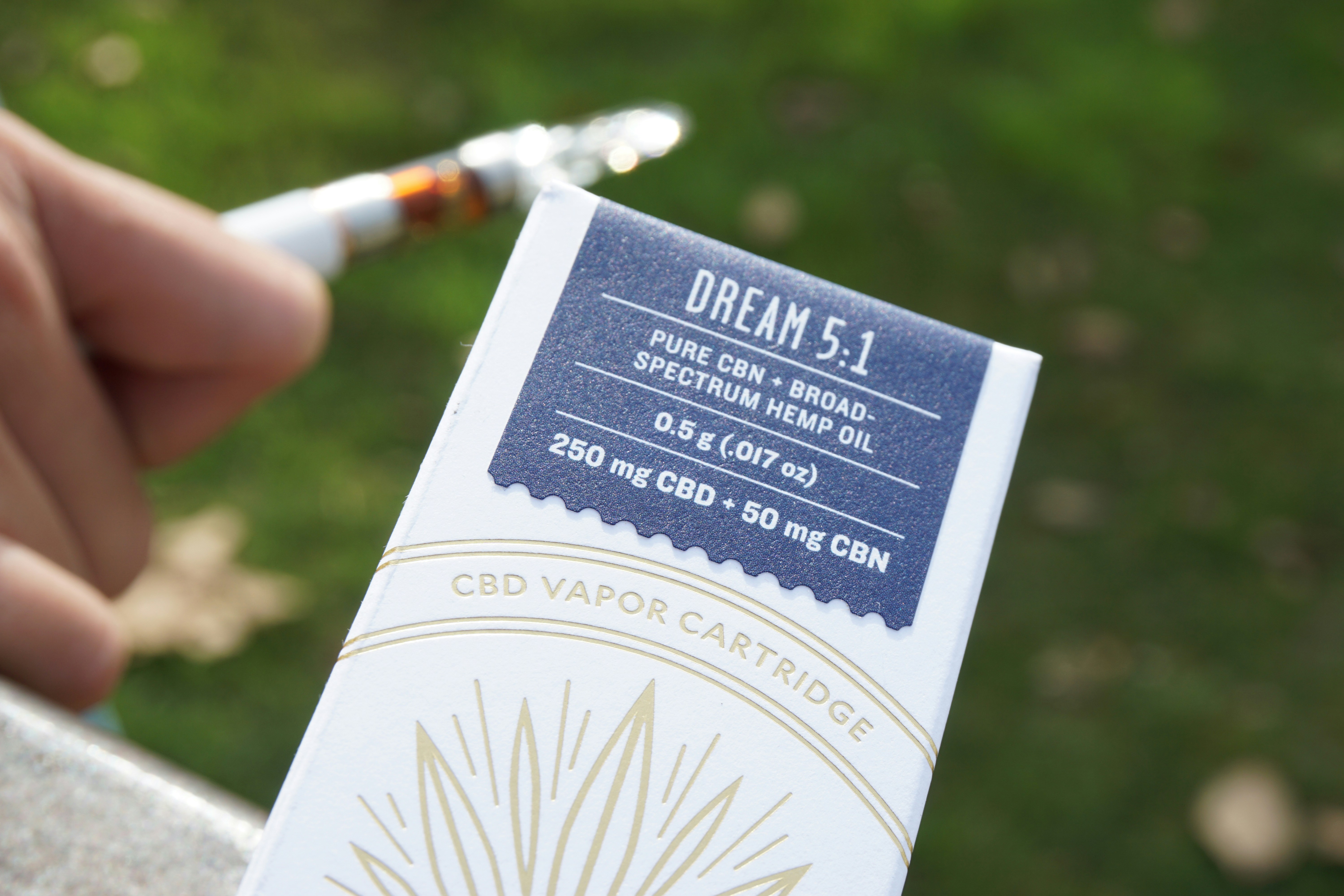
Cannabidiol (CBD) offers various methods of consumption, each with its advantages and disadvantages when it comes to alleviating stress and anxiety. Understanding these forms can help users make informed decisions about which method may work best for their needs.
One of the most popular forms of CBD is CBD oil, which is typically extracted and diluted with a carrier oil such as coconut or hemp seed oil. CBD oil can be taken sublingually (under the tongue), allowing for quick absorption into the bloodstream. The rapid onset of effects can be beneficial for acute anxiety episodes; however, finding the right dosage can be complex, as it varies from person to person.
Another common method of consumption is CBD edibles, which include gummies, chocolates, and other infused foods. Edibles offer a discreet and convenient option for those who prefer not to take oils. The main advantage is that they provide predetermined dosages, making them easy to manage. On the downside, they have a slower onset of effects, as they must be digested before the CBD is absorbed. Users may also find it challenging to determine the appropriate amount needed for optimum anxiety relief.
CBD capsules are another viable option, offering a user-friendly alternative to those who may be sensitive to the taste of oils or edibles. Similar to edibles, the dosage is consistent, which helps streamline consumption. However, the effects may also take longer to kick in, which can be a drawback for those seeking immediate relief.
Lastly, topical applications such as creams and balms can be beneficial for localized anxiety symptoms or stress relief. While these products do not penetrate deeply into the bloodstream, they can provide soothing effects for muscle tension, which can be associated with anxiety. However, users should note that the effectiveness of topicals for anxiety relief may vary and generally focuses on physical symptoms rather than systemic anxiety relief.
Ultimately, choosing the right form of CBD for anxiety relief depends on individual preferences and desired effects. Experimenting with different methods while consulting with a healthcare professional can help refine the approach to finding effective relief from stress and anxiety.
How to Choose the Right CBD Product
Selecting the right CBD product can be a pivotal part of your journey toward stress and anxiety relief. To start, it is essential to carefully read product labels. Look for information such as the concentration of CBD per serving, the method of extraction used, and the ingredients included. Products labeled as ‘full-spectrum’ contain a variety of cannabinoids, terpenes, and flavonoids, which can enhance the therapeutic benefits through what is known as the entourage effect. On the other hand, CBD isolates contain only pure CBD without other cannabinoids. Depending on your preferences and needs, choosing between these formulations is crucial, as full-spectrum options may be more effective for some individuals due to their comprehensive nature.
Additionally, consider the source of the CBD. High-quality products typically come from hemp that is organically grown, ensuring minimal exposure to pesticides and toxins. Transparency is key when researching potential brands. A reputable company will provide certificates of analysis (COA) from third-party labs, affirming the purity and potency of their products. These independent tests help to validate that the product contains the specified amount of CBD and does not exceed allowable levels of THC, providing peace of mind regarding safety and efficacy.
In summary, when selecting a CBD product for stress and anxiety relief, focus on reading labels carefully, distinguishing between full-spectrum and isolate formulations, and ensuring third-party testing is performed. By doing so, you can make informed choices that align with your needs and contribute positively to managing your stress and anxiety levels.
Potential Benefits and Side Effects of CBD
Cannabidiol (CBD) has gained significant attention in recent years as a potential natural remedy for stress and anxiety relief. Research suggests that CBD may interact with the endocannabinoid system, which plays a crucial role in regulating mood, stress responses, and emotional processing. Through this interaction, CBD may help alleviate symptoms associated with anxiety disorders, post-traumatic stress disorder (PTSD), and other stress-related conditions. Users have reported experiencing reduced anxiety levels, improved mood, and enhanced general well-being after incorporating CBD into their routines.
Further studies have indicated that CBD may promote relaxation and improve sleep quality, both of which are essential components for managing stress and anxiety effectively. Many users find that CBD oil, when taken sublingually or added to food and beverages, can provide a sense of calmness without the intoxicating effects associated with THC, the psychoactive component of cannabis. This makes CBD an appealing option for those seeking relief from stress without impairment.
However, it is important to consider the potential side effects and contraindications associated with CBD use. While generally well-tolerated, some individuals may experience adverse effects such as dry mouth, fatigue, changes in appetite, or diarrhea. In rare instances, CBD could interact with certain medications, particularly those metabolized by the liver enzyme CYP450. Therefore, it is crucial for individuals to consult a healthcare professional before starting any CBD regimen, especially if they are currently taking other medications or have underlying health issues.
In summary, while CBD presents promising benefits for stress and anxiety relief, weighing these benefits against possible side effects is essential for informed decision-making. Careful consideration and professional guidance can enhance the effectiveness of CBD and ensure safe usage for individuals seeking relief from stress and anxiety.
Personal Testimonials and Experiences
Many individuals have turned to CBD as a potential remedy for stress and anxiety, sharing their personal experiences that provide valuable perspective on its effectiveness. For example, Sarah, a marketing professional in her 30s, reported significant changes in her anxiety levels after incorporating CBD oil into her daily routine. She stated, “I had struggled with anxiety for years, and after trying CBD, I noticed a marked reduction in my panic attacks. It felt like a fog had lifted, allowing me to approach my work with a clearer mind.” Sarah’s experience illustrates how CBD can act as a supportive element in stress management.
Similarly, John, an Army veteran, turned to CBD to help cope with post-traumatic stress disorder (PTSD). He shared, “The first time I tried CBD gummies, I was amazed at how quickly I felt more at ease. They helped calm my racing thoughts, which allowed me to sleep better at night. For me, it has been a game-changer. I highly recommend it to anyone seeking natural relief from anxiety.” His account underscores the potential benefits of CBD in improving quality of life for individuals dealing with intense psychological challenges.
Moreover, testimonials from individuals like Emma, a college student, reveal that CBD can also be beneficial for younger demographics dealing with academic and social pressures. Emma described her experience, saying, “During finals week, stress was overwhelming. A friend suggested I try CBD oil, and I found that it helped me focus better while reducing my anxiety about exams.” This reflects the versatility of CBD in addressing anxiety, regardless of age or lifestyle.
These anecdotal accounts emphasize that while CBD may not work for everyone, it has provided relief for many. The subjective nature of these testimonials indicates the importance of personal experimentation, underlining the need for individuals to consult with healthcare professionals before starting any CBD regimen.
Consulting with a Healthcare Professional
As you consider incorporating CBD into your wellness routine for stress and anxiety relief, it is crucial to consult with a healthcare professional. This step is particularly essential for individuals on other medications or those with pre-existing health conditions, as the healthcare provider can offer personalized guidance based on individual health needs.
During your consultation, it is important to discuss all medications you are currently taking, including prescription drugs, over-the-counter medicines, and dietary supplements. Some medications may interact negatively with CBD, which could potentially exacerbate side effects or diminish the effectiveness of existing treatments. A healthcare professional can assess these risks and help determine the appropriateness of CBD in conjunction with other therapies you are undergoing.
Furthermore, sharing any existing medical conditions, such as liver disease or neurological disorders, will equip the healthcare provider with the information they need to make informed recommendations. They may advise on dosage, method of consumption, and potential outcomes from using CBD, based on your unique health status and lifestyle. It is also an opportunity to discuss the quality and source of CBD products, as the market varies significantly in terms of purity and efficacy.
Engaging in this dialogue not only fosters a better understanding of how CBD might fit into your treatment plan but also contributes to a safety-first approach to wellness. By collaborating with a healthcare provider, individuals can ensure they are making informed decisions about their health, ultimately enhancing the potential benefits of CBD for stress and anxiety relief.

