

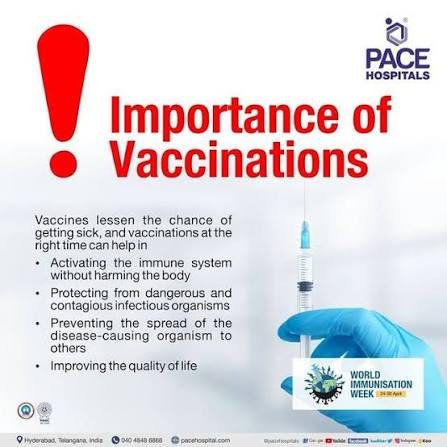

Introduction to Vaccination
Vaccination is a crucial public health measure that aims to prevent infectious diseases through the induction of immunity. It operates by introducing a harmless component of a specific pathogen into the body, which stimulates the immune system to generate a defensive response against the invading agent. This preparation allows the immune system to recognize and combat the actual pathogen more effectively if exposed in the future, thereby reducing the likelihood of disease manifestation.
The process involves the use of vaccines, which can come in various forms, such as live attenuated, inactivated, or subunit vaccines. Each type functions by presenting the immune system with a threat, prompting it to produce antibodies and memory cells. These memory cells persist in the body long after the vaccination, ensuring that if the individual encounters the pathogen, the immune system can respond rapidly and effectively.
Beyond individual protection, vaccination plays a pivotal role in broader public health by contributing to herd immunity. Herd immunity occurs when a significant portion of a population becomes immune to a disease, thereby providing indirect protection to those who cannot be vaccinated, such as individuals with certain medical conditions or immunocompromised persons. This collective immunity is vital for controlling outbreaks and protecting vulnerable groups.
In addition to preventing diseases, vaccination has also led to the reduction of healthcare costs over time. By preventing outbreaks and the associated medical interventions, vaccines contribute to fewer hospitalizations and a decrease in medical expenditures. The impact of vaccination is not only observed at an individual level but also manifests in societal benefits, indicating its critical role in public health strategies worldwide.
History of Vaccination
The concept of vaccination has its roots in ancient practices of immunization. Long before the development of modern vaccines, variolation was used in some cultures, particularly in Asia and Africa, to protect against smallpox. This technique involved the deliberate introduction of material from smallpox sores into healthy individuals to induce a mild form of the disease, thereby providing immunity.
A significant milestone in the history of vaccination occurred in the late 18th century when Edward Jenner, an English physician, developed the first successful smallpox vaccine. In 1796, Jenner observed that milkmaids who had suffered from cowpox, a disease similar to smallpox, did not contract smallpox itself. He hypothesized that exposure to cowpox provided immunity against the more virulent smallpox virus. Jenner tested his hypothesis by inoculating a young boy with material from a cowpox sore and later exposing him to smallpox. The boy did not develop the disease, marking a miraculous breakthrough in public health.
The success of Jenner’s smallpox vaccine laid the groundwork for the field of immunology and spurred the systematic development of vaccines against other infectious diseases. Throughout the 19th and 20th centuries, vaccines for diseases such as rabies, diphtheria, tetanus, and polio were created, dramatically reducing morbidity and mortality rates associated with these illnesses. The establishment of the World Health Organization in 1948 further accelerated vaccination initiatives worldwide, resulting in the global eradication of smallpox in 1980.
As we study the history of vaccination, it becomes clear that it has not only transformed healthcare but has also become a pivotal element in global health strategies aimed at controlling infectious diseases. The evolution from early practices to modern vaccine development illustrates the profound impact of vaccination on population health and disease prevention.
Types of Vaccines
Vaccines are vital tools in the prevention of infectious diseases, and they come in various types, each designed to generate an immune response against specific pathogens. Understanding these types can help individuals make informed decisions about their health and immunization strategies.
One of the primary types of vaccines is the live-attenuated vaccine. These vaccines contain a weakened form of the virus or bacteria that causes the disease. By eliciting a strong immune response without causing the disease itself, live-attenuated vaccines provide long-lasting immunity. Examples include the measles, mumps, and rubella (MMR) vaccine and the yellow fever vaccine.
Another category is the inactivated vaccine, which uses killed pathogens. This type stimulates an immune response without the risk of illness. Inactivated vaccines typically require booster shots to maintain immunity. Vaccines that fall under this category include the polio vaccine and the hepatitis A vaccine.
Subunit vaccines are composed of only specific pieces of the pathogen, such as proteins or sugars. By focusing on these critical components, the immune system can recognize and respond to the actual pathogen effectively. The human papillomavirus (HPV) vaccine and the pertussis (whooping cough) vaccine are examples of subunit vaccines.
Lastly, mRNA vaccines represent a newer approach in vaccination technology. They employ messenger RNA to instruct cells to produce a protein that resembles part of the virus, prompting an immune response. This type of vaccine gained prominence during the COVID-19 pandemic, with the Pfizer-BioNTech and Moderna vaccines demonstrating their efficacy.
Through different mechanisms, each vaccine type plays a critical role in disease prevention and public health. Recognizing the differences among live-attenuated, inactivated, subunit, and mRNA vaccines equips individuals with essential knowledge regarding their immune protection options.
Benefits of Vaccination
Vaccination serves as a cornerstone for public health, providing numerous benefits that extend beyond individual protection. A key advantage of vaccination is the promotion of herd immunity, which occurs when a significant portion of the population becomes immune to a disease, thereby reducing its spread. When herd immunity is achieved, even those who are unvaccinated, such as individuals with specific medical conditions or allergies, are less likely to be exposed to the infection. This community-wide effect underscores the importance of widespread vaccination.
Moreover, vaccinations are instrumental in decreasing the prevalence of infectious diseases. Historical data highlights the drastic reductions in incidence rates of diseases such as measles, mumps, and rubella due to comprehensive vaccination programs. For instance, the introduction of the measles vaccine in the 1960s has led to a decline of over 90% in reported cases in many regions. Such evidence not only underscores the effectiveness of vaccines but also illustrates their role in preventing outbreaks that can lead to serious health complications.
In some instances, the impact of vaccination has culminated in the eradication of specific diseases. The most notable example is smallpox, which was declared eradicated in 1980 following a global vaccination campaign led by the World Health Organization. This remarkable achievement demonstrates the potential of vaccination to completely eliminate diseases that once posed significant health threats.
Additionally, the economic advantages of vaccination cannot be overlooked. By reducing the incidence of disease, vaccination decreases healthcare costs associated with hospitalizations, treatments, and lost productivity. This, in turn, positively impacts both individual lives and the broader economy.
Through the integration of vaccination strategies, communities not only protect their health but also contribute to a collective effort that safeguards vulnerable populations. The benefits of vaccinations, encapsulating individual, community, and economic factors, elucidate their critical role in enhancing public health outcomes.
Common Myths and Misconceptions About Vaccines
Vaccination is a vital tool in public health, yet numerous myths and misconceptions continue to undermine its significance. One widely circulated myth is the unfounded claim that vaccines are linked to autism. This belief originated from a discredited study published in 1998, which has been thoroughly retracted and discredited by the scientific community. Extensive research involving millions of children has consistently found no causal relationship between vaccines and the development of autism. It is crucial for individuals to rely on credible, peer-reviewed studies to inform their understanding of this issue.
Another prevalent myth is that natural infection provides better immunity than vaccination. While it is true that natural infections can lead to protective immunity, they come with a risk of severe disease and complications. Vaccination, on the other hand, helps individuals attain immunity without experiencing the full brunt of the disease, minimizing the risk of serious health consequences. For instance, diseases like measles and polio can lead to debilitating conditions or even death; vaccinations effectively prevent such outcomes.
Additionally, some individuals believe that the ingredients in vaccines are harmful. In reality, vaccines undergo rigorous testing and extensive safety evaluations before being approved for public use. The substances contained within vaccines, including adjuvants and preservatives, are present in such small quantities that they are not harmful when administered as part of a vaccine. The benefits of vaccination far outweigh any potential risks associated with these ingredients.
Addressing these myths and misconceptions is essential for public health. Education rooted in scientific evidence is necessary to dispel these unfounded beliefs, urging individuals to trust vaccines as a safe and effective means of protecting their health and that of their communities.
Vaccination and Public Health
Vaccination plays a pivotal role in safeguarding public health by providing immunity to individuals and the community at large. By reducing the incidence of infectious diseases, vaccines have drastically decreased the prevalence of numerous potentially fatal conditions. The ability of vaccinations to control outbreaks is well-documented; vaccines have led to the near-eradication of diseases such as smallpox and a substantial decrease in polio and measles cases worldwide.
In addition to individual health benefits, vaccinations contribute significantly to global health initiatives. Programs such as the Global Vaccine Action Plan emphasize the importance of equitable access to vaccines as a foundation for health systems. Through concerted efforts aimed at increasing vaccination coverage globally, initiatives have been successful in protecting vulnerable populations and in preventing the spread of vaccine-preventable diseases. These actions are particularly crucial in low-resource settings where healthcare infrastructure may be limited.
Maintaining high vaccination rates is essential in preventing the resurgence of diseases that may have been under control. Vaccine hesitancy, driven by misinformation and fears about vaccine safety, poses a significant threat to public health. Outbreaks of diseases such as measles have been reported in areas with declining vaccination coverage, highlighting the interconnectedness of community immunity and public health outcomes. It is imperative to promote accurate information about vaccines, ensuring that communities understand their critical role in disease prevention.
Moreover, public health campaigns that emphasize the importance of vaccination serve to raise awareness and encourage adherence to vaccination schedules. By fostering an environment where vaccinations are viewed positively and accessible, we can continue to build a resilient public health landscape, essential for the health of future generations.
Challenges and Barriers to Vaccination
The implementation of vaccination programs faces several challenges and barriers that significantly compromise public health efforts. One major hurdle is vaccine hesitancy, which can stem from a variety of factors including misinformation, personal beliefs, and distrust in medical institutions. Some individuals may be skeptical about the efficacy and safety of vaccines, often influenced by anecdotal reports or misleading information circulating on social media. This hesitancy can lead to lower vaccination rates, ultimately jeopardizing community immunity and increasing the risk of disease outbreaks.
Access to healthcare is another significant barrier to adequate vaccination coverage. In many communities, particularly in rural or underserved areas, healthcare facilities may be limited or nonexistent. This lack of access can result in logistical challenges for individuals who may already face obstacles such as transportation issues or taking time off work. Furthermore, financial constraints can deter people from seeking vaccinations if costs are involved or if health insurance does not adequately cover immunization services.
Socioeconomic factors also play a critical role in vaccination gaps. Individuals from lower socioeconomic backgrounds may experience additional barriers to healthcare, including limited health literacy, which affects their ability to understand the importance and benefits of vaccinations. This demographic often faces barriers such as language differences and cultural beliefs that can complicate their access to necessary health resources.
The spread of misinformation about vaccines, whether through social media or word of mouth, has proven to be a formidable opponent. Efforts to improve public understanding of vaccines, alongside addressing healthcare access issues and socioeconomic disparities, remain essential strategies for overcoming these barriers. Addressing these challenges head-on is vital for enhancing vaccination rates and fostering a healthier society overall.
The Future of Vaccination
As advancements in science and technology continue to evolve, the landscape of vaccination is witnessing transformative changes. Future innovations are set to enhance how vaccines are developed, delivered, and personalized, ultimately improving public health outcomes. One promising direction is the creation of personalized vaccines, tailored to an individual’s unique immune response and genetic profile. This approach has the potential to maximize the effectiveness of vaccines, particularly in addressing complex diseases such as cancers and autoimmune conditions.
In addition to personalized vaccines, novel delivery methods are being explored to enhance vaccine uptake and efficacy. Microneedle patches, for instance, allow for painless administration of vaccines directly through the skin, potentially increasing accessibility and compliance, especially in populations that are hesitant or have difficulty with traditional injection methods. Similarly, oral vaccines are being researched, which could simplify the vaccination process and broaden reach, especially in regions with limited healthcare resources.
Moreover, ongoing research into mRNA vaccine technology, which gained significant attention during the COVID-19 pandemic, opens vast possibilities for combating emerging pathogens. This platform can be rapidly adapted to respond to newly identified viruses, enabling swift mass vaccination campaigns. Researchers are also investigating the potential use of vaccines in prevention strategies against diseases caused by antibiotic-resistant bacteria, a growing concern worldwide.
The future of vaccination will not only focus on improving existing methods but also on understanding and addressing global health challenges. As infectious diseases continue to evolve, vaccines will play a vital role in safeguarding populations, ensuring timely response to outbreaks, and continuing the fight against diseases that threaten public health. Through continuous research, investment, and international collaboration, the role of vaccines will undoubtedly expand, leading to a more robust defense against emerging health threats.
Conclusion
In summary, the importance of vaccination cannot be overstated, as it plays a critical role in protecting individual and public health. Throughout this discussion, we have explored how vaccines function to prevent the spread of infectious diseases, contribute to herd immunity, and reduce healthcare costs associated with disease outbreaks. Vaccination not only safeguards the individuals who receive the immunizations but also those around them, particularly the most vulnerable members of society, such as infants and immunocompromised individuals.
Furthermore, the impact of vaccination on communicable diseases highlights its necessity in promoting a healthier community. By participating in vaccination programs and ensuring that we, alongside our families, are adequately immunized, we contribute to the greater good and aid in eradicating potentially life-threatening illnesses. Historical data and recent studies continually demonstrate that immunization remains one of the most effective strategies for combating diseases, ultimately leading to longer, healthier lives.
As advocates for public health, it is crucial to stay informed about vaccination schedules and the latest scientific findings. Engaging in community discussions about the benefits of vaccination can empower others to take action as well. We strongly encourage readers to not only advocate for vaccination as a cornerstone of health policy but also to participate actively in local immunization campaigns. By doing so, we can work collectively to ensure that future generations thrive in a world free from the burden of preventable diseases.

