

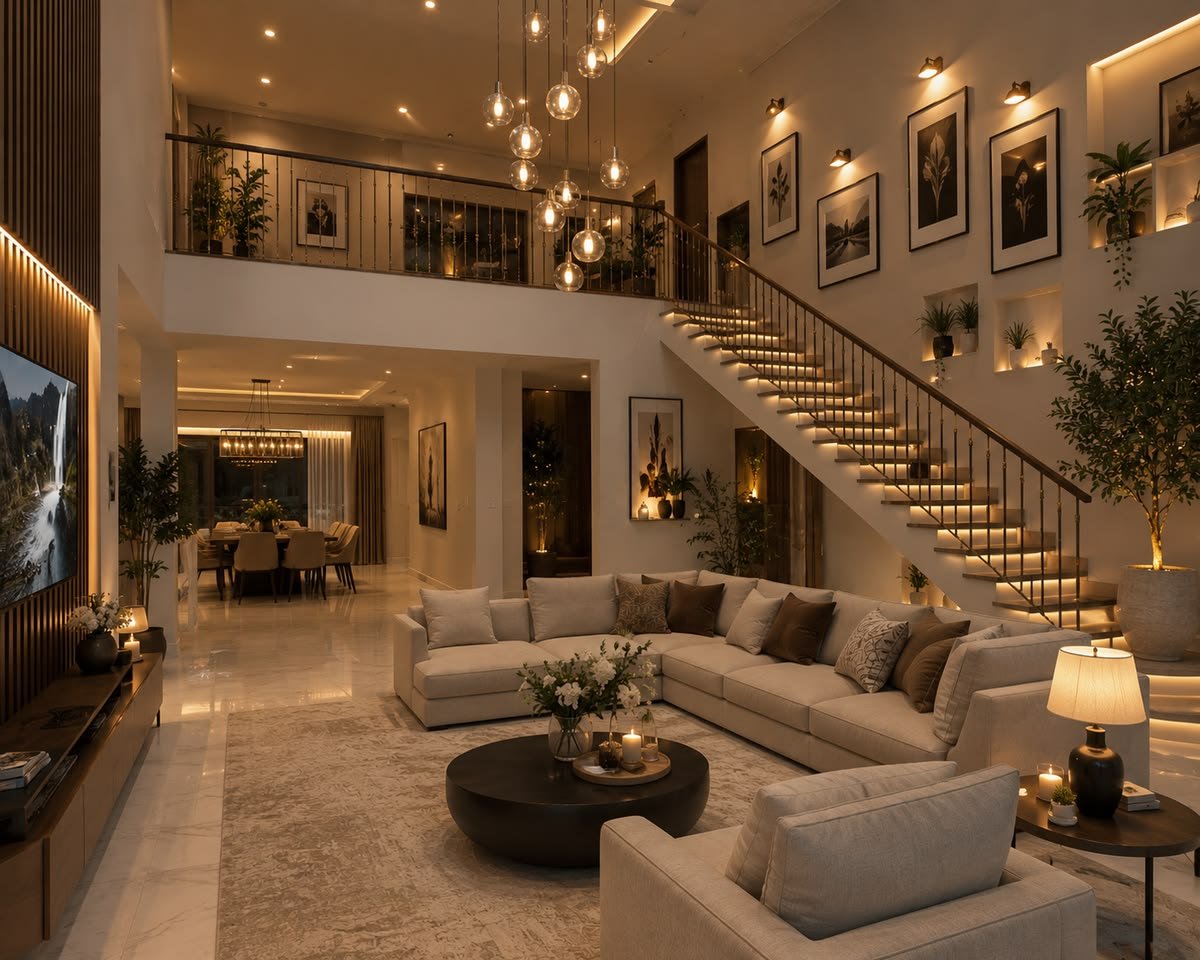

Introduction to Luxury Home Renovation
Luxury home renovation refers to the process of upgrading or remodeling a residential property with an emphasis on high-end finishes, superior craftsmanship, and customized design elements. Unlike standard renovations that may focus on functionality or basic aesthetics, luxury renovations seek to create an exceptional living environment that embodies elegance, sophistication, and modernity. This type of renovation often involves the use of premium materials such as marble, hardwood, and high-quality fixtures.
Homeowners choose luxury renovations for various reasons, primarily to enhance their living experience and elevate the aesthetic appeal of their homes. A luxury renovation not only adds comfort and style but also increases the property’s overall value. Many homeowners view these renovations as investments, recognizing that a well-executed luxury upgrade can significantly appreciate the property value in a competitive real estate market.
Moreover, luxury renovations allow homeowners to express their unique tastes and preferences, transforming a standard living space into a personal sanctuary. The integration of advanced technology and eco-friendly practices further enhances the lifestyle benefits of luxury renovations. Smart home systems can offer convenience and security, while energy-efficient features contribute to sustainability. Thus, a luxury home renovation is not just a physical transformation but a holistic enhancement of quality of life, merging contemporary living standards with timeless elegance.
Key Elements of Luxury Design
When embarking on a luxury home renovation, several essential elements play a crucial role in defining luxury design. At the forefront of these components are high-quality materials that not only enhance aesthetics but also provide durability and comfort. Opting for premium materials such as marble, granite, and sustainably sourced wood helps achieve an elevated look, making spaces unique and exquisite.
Innovation in architecture is another significant aspect of luxury design. Modern layouts that accentuate open spaces, along with well-placed windows to enhance natural light, contribute to an environment that feels expansive and sophisticated. Architectural features like sweeping staircases, vaulted ceilings, and custom cabinetry can transform ordinary areas into breathtaking focal points that embody elegance.
In addition to the architectural framework, smart home technology has become indispensable in luxury renovations. Incorporating advancements such as automated lighting, climate control systems, and security features not only improves convenience but also enhances the overall quality of living. These technological integrations promote a seamless lifestyle, allowing residents to effortlessly manage their home environment.
Custom finishes further distinguish luxury design from standard renovations. Tailored elements such as bespoke cabinetry, unique lighting fixtures, and personalized artwork inject individuality into a space. These finishes reflect the homeowner’s taste, ensuring that each corner of the home resonates with their personality and style.
Overall, by focusing on these key elements—high-quality materials, innovative architecture, smart home technology, and custom finishes—homeowners can effectively elevate their living spaces, merging comfort with sophisticated elegance. These components serve as the foundation for creating a high-end living environment that is both functional and visually striking.
Choosing the Right Professionals
When undertaking a luxury home renovation, the selection of professionals plays a pivotal role in ensuring the project’s success. Specialized expertise from architects, interior designers, and contractors is crucial, as luxury renovations require a meticulous approach to achieve a seamless blend of functionality and aesthetic appeal. The first step in this process is to identify professionals who have a proven track record in handling high-end renovations. Begin by researching portfolios and gathering recommendations from previous clients to assess their capabilities.
Architects should be evaluated not only for their design skills but also for their understanding of the luxury market. Look for those who exhibit creativity while respecting classic and contemporary design elements. An effective architect should be able to translate your vision into a comprehensive plan that incorporates high-quality materials and innovative construction techniques.
Interior designers are equally important. Their role extends beyond mere decoration; they must ensure that the spaces feel luxurious and are tailored to your lifestyle. When selecting an interior designer, prioritize those who can provide detailed visualizations and who possess an impressive portfolio showcasing their work in high-end settings. Collaboration with your designer should be rooted in open communication, allowing for exchanges of ideas and ensuring that your specific preferences are given priority.
Finally, when considering contractors, it is vital to choose experienced professionals who specialize in luxury home renovations. Confirm their credentials, past project experiences, and client testimonials. Effective collaboration between architects, designers, and contractors is essential for the realization of your vision. Regular meetings and updates should be scheduled to discuss progress and make adjustments as needed, fostering a cooperative environment that prioritizes your luxury living aspirations. By engaging qualified professionals, you position your luxury renovation for success, resulting in a sophisticated and elegant home that reflects your style and aspirations.
Budgeting for Luxury Renovation Projects
When embarking on a luxury home renovation, creating a detailed budget is crucial for ensuring that your project aligns with both your vision and financial capabilities. A well-structured budget not only helps in managing expenses but also aids in prioritizing various elements that contribute to the overall elegance and functionality of your modern living space.
The first step in the budgeting process for your luxury renovation is to establish a clear understanding of your financial situation. Determine how much you are willing to invest and consider securing financing options if needed. It is vital to account for all costs, including construction, materials, permits, labor, and design fees. Categorizing these expenses will allow you to see where substantial portions of your budget are allocated and identify areas for potential savings.
One effective strategy is to prioritize luxury elements based on necessity and desirability. Focus first on those upgrades that can significantly enhance both the quality of life within your home and its resale value. For instance, investing in high-quality kitchen fixtures or a premium bathroom renovation can yield substantial returns in terms of comfort and equity.
Additionally, expect the unexpected by setting aside a contingency fund, typically around 10-15% of your total budget. This reserve aids in addressing unforeseen complications or opportunities that may arise during your renovation journey. Weather delays, supply chain issues, or structural surprises can all impact timelines and finances. Hence, having this buffer will facilitate smoother project management.
In conclusion, a successful luxury home renovation is largely dependent on a meticulous and realistic budget. By closely monitoring expenses, prioritizing wisely, and preparing for unanticipated costs, you can achieve a harmonious balance between elegance and financial feasibility in your modern living space.
Incorporating Sustainable Practices
In the realm of luxury home renovation, the desire for opulence and comfort can harmoniously align with eco-friendly practices. The integration of sustainable materials is paramount in achieving an elegant modern living environment that is also conscientious of environmental impact. For instance, reclaimed wood and certified sustainable timbers not only add a unique aesthetic appeal to luxurious spaces but also significantly reduce the carbon footprint associated with new construction materials.
Energy-efficient technologies play a critical role in modern renovations, blending functionality with sophistication. High-performance insulation, energy-efficient windows, and smart home systems can optimize energy usage while maintaining comfort. The adoption of these technologies not only contributes to a reduction in energy consumption but also lowers utility costs over time, making it a wise investment for homeowners aiming for sustainability.
Moreover, integrating renewable energy sources such as solar panels into the design furthers the commitment to sustainable luxury living. Solar energy harnesses natural resources and can provide cleaner energy solutions without compromising the elegance and functionality of the home.
Eco-conscious design principles can also influence luxury renovations. Utilizing natural light through strategic window placements and open layouts enhances illumination while minimizing reliance on artificial lighting. Additionally, water-saving fixtures and appliances are vital in reducing water wastage, adding both elegance and efficiency to bathrooms and kitchens.
In essence, the integration of sustainable practices within luxury home renovations not only elevates the living experience but also sets a precedent for environmentally minded residential spaces. This balanced approach ensures that luxury does not come at the expense of ecological integrity, but instead promotes a lifestyle that is both refined and responsible.
Trend Forecasts in Luxury Home Renovation
The landscape of luxury home renovation is constantly evolving, influenced by advancements in technology, shifts in consumer preferences, and a growing emphasis on sustainability. As homeowners seek to create elegant living spaces, several trends are emerging that are set to shape the future of luxury renovations.
One of the most significant trends is the preference for open, airy floor plans that promote a sense of flow and space. This design approach not only enhances natural light but also encourages connectivity among family members and guests. Complementing this, neutral color palettes are becoming increasingly popular, creating a serene atmosphere that allows for personalization through furnishings and art. Shades of white, beige, and soft pastels are particularly sought after as they provide a timeless backdrop for sophisticated decor.
In terms of materials, there is a notable shift towards sustainable and eco-friendly options. Homeowners are increasingly prioritizing the use of reclaimed wood, recycled metals, and low-VOC (volatile organic compounds) paints. These choices not only align with the growing global commitment to environmental stewardship but also enhance the uniqueness of each renovation project.
Another emerging trend is the integration of smart home technologies, which allow for enhanced convenience and security. From smart thermostats to advanced home security systems, these technologies are being seamlessly integrated into the renovation process, providing homeowners with the ability to control their environment through intuitive interfaces.
Lastly, biophilic design—an approach that emphasizes the connection between nature and modern architecture—is gaining momentum. Incorporating indoor plants, natural light, and organic textures into home spaces is believed to improve wellbeing, making this trend particularly appealing to luxury homeowners.
As we move further into this decade, it is essential for homeowners and designers alike to stay informed about these trends, ensuring that renovations not only reflect personal tastes but also align with broader societal movements towards sustainability and wellness.
Case Studies of Successful Luxury Renovations
Luxury home renovations often manifest in various styles, reflecting the preferences of homeowners while incorporating modern design elements. One exemplary case study can be found in a sprawling estate located in Los Angeles, California. The homeowners initiated a full renovation of their 1920s Mediterranean-style villa. The challenge of maintaining the original architectural integrity while updating to contemporary standards was addressed through strategic design choices. The team preserved the stunning arches and ornate plasterwork, complementing these features with sleek, modern furnishings and state-of-the-art technology.
Another notable project took place in Miami, where a beachfront property underwent significant changes. The primary challenge here was maximizing space and overcoming the humidity of the coastal environment. The renovation included the installation of large sliding glass doors that seamlessly blend indoor and outdoor living spaces. Architects opted for durable, weather-resistant materials to ensure longevity while enhancing aesthetic appeal. This thoughtful combination allowed the revitalized unit to capture panoramic views of the ocean while providing a luxurious lifestyle experience.
A more urban example comes from a penthouse in New York City. The original layout featured compartmentalized rooms that hindered modern living dynamics. Designers opted for an open-concept layout, incorporating luxurious elements such as custom cabinetry and high-end appliances that redefined the space. Challenges of noise reduction and privacy were met by using advanced soundproofing techniques and altering the placement of furnishings. The end result was a stylish, functional living space that epitomizes modern urban elegance.
These distinct case studies illustrate the versatility and potential of luxury home renovations. Each project showcases unique styles, addresses various challenges, and results in transformative living experiences that align with contemporary tastes. Through these examples, homeowners can glean valuable insights and inspiration for their own renovation journeys.
The Emotional Impact of Luxury Living Spaces
The experience of residing in a luxury home extends beyond mere aesthetics; it significantly influences emotional well-being and quality of life. A well-designed luxury living space boasts an array of elements that come together to create an atmosphere of comfort, tranquility, and sophistication. This intricately woven fabric of design choices, materials, and thoughtful layouts can enhance the psychological benefits of everyday living.
Aesthetics play a crucial role in shaping our emotional states. This connection between beauty and well-being has been supported by various studies, highlighting how pleasing environments can reduce stress levels and enhance mood. For instance, the use of natural lighting, elegant furnishings, and harmonious color schemes can lead to increased feelings of happiness in those inhabiting these spaces. Many individuals find a sense of peace and relaxation when surrounded by luxurious settings, as these environments often evoke feelings of safety and comfort.
Moreover, luxury homes often incorporate spaces designed for specific activities, such as reading nooks, fitness areas, or gourmet kitchens. These tailored environments not only promote a lifestyle of comfort and elegance but also encourage hobbies and well-being practices that enrich daily life. The availability of functional spaces fosters a sense of purpose and fulfillment, driving homeowners to invest more in their personal growth and social interactions.
Ultimately, the impact of living in a meticulously renovated luxury home is profound, as it contributes to an elevated lifestyle that nurtures happiness and satisfaction. Such spaces serve as a sanctuary, allowing individuals to escape the fast-paced demands of modern life. In this context, luxury living transcends materialism; it embodies a holistic approach toward emotional and psychological prosperity, fostering a deeper connection to oneself and to others.
Conclusion and Future of Luxury Home Renovation
Luxury home renovation has become a significant trend, evolving to meet the demands of modern living and the desire for elegance in design. Throughout this blog, we have explored various aspects of luxury renovations, including the importance of personalized space, sustainable materials, and the integration of cutting-edge technology. Each of these elements plays a pivotal role in redefining what constitutes luxury in a home.
As we move forward, it is essential to recognize that luxury home renovation is not merely about aesthetic appeal. It increasingly incorporates functionality and accessibility alongside visual sophistication, allowing homeowners to create environments that are not only stylish but also practical. Trends show a growing emphasis on multi-functional spaces that cater to different needs, whether it is for work, relaxation, or entertainment.
The future of luxury renovations is also likely to be shaped by technological advancements. Smart home systems are becoming increasingly popular, enabling homeowners to control various aspects of their living environment remotely. This integration of technology enhances comfort and efficiency, setting new standards for modern living. Luxury will be defined not just by opulence but by the ability to seamlessly blend technology with design.
Moreover, with an increasing awareness of sustainability, eco-friendly materials and practices are gaining traction in luxury renovations. Homeowners are prioritizing environmentally conscious choices without compromising on style. This shift in perspective encourages future renovations to be reflective of both personal taste and broader global values.
Ultimately, as we envision our personal renovation aspirations, it is essential to embrace these evolving trends. Luxury home renovation is not a singular journey; it is an ongoing exploration of how best to enhance our living spaces. By keeping abreast of innovative ideas and sustainable practices, we can continue to elevate the standard of elegance in modern living.

