
Introduction to CBD Trends
The landscape of the CBD market has evolved significantly over the past few years. As legislation around cannabis-derived products continues to shift, consumers are becoming more aware of the potential benefits associated with CBD (cannabidiol). This growing interest fuels a dynamic environment where new trends constantly emerge, profoundly affecting both consumers and businesses involved in the industry.
Understanding these trends is critical for various stakeholders, ranging from consumers seeking effective health solutions to businesses aiming to capitalize on the opportunities within the market. As the CBD industry matures, anticipating future developments will be essential in navigating challenges and maximizing potential. By keeping an eye on evolving regulations, consumer preferences, and technological advancements, businesses can better position themselves to meet demand and stay competitive.
Moreover, the impact of these trends extends beyond market dynamics. With the increasing integration of CBD products into daily health and wellness routines, consumers are becoming more discerning about product quality, sourcing and efficacy. This integration signals a shift wherein consumers are actively seeking out brands that adhere to transparent practices and provide scientifically-backed claims. Understanding these consumer expectations will be critical for businesses aiming to succeed in the competitive CBD marketplace.
In preparing to delve into the emerging trends anticipated for 2026, it is imperative to acknowledge the current trajectories within the CBD space. By examining factors such as consumer behavior, advancements in product formulation, and shifts in regulatory landscapes, we can gain a comprehensive understanding of how the CBD market is set to evolve over the next few years. Awareness of these aspects will not only aid consumers in making informed choices but also equip businesses with the knowledge needed to innovate and thrive in the future.
Expansion of Legalization and Regulation
The landscape of CBD legalization is evolving rapidly across various regions worldwide, with many countries and states reevaluating their positions on hemp-derived products. In the United States, the 2018 Farm Bill marked a significant milestone by legalizing hemp cultivation and production, leading to an expansive market for CBD products. However, following this landmark legislation, there have been varied interpretations by states regarding the regulation of CBD, resulting in a patchwork of laws. As of 2026, the focus on uniform regulatory frameworks is anticipated to become increasingly prominent.
Internationally, the move towards cannabis legalization is also gaining momentum. Countries such as Canada enacted nationwide reforms allowing the use of CBD for recreational and therapeutic purposes, while others are considering similar legislation. As more jurisdictions embrace legalization, there is a growing recognition of the need for clear and consistent regulations to ensure product safety and quality.
These developments will have profound implications for manufacturers. A more regulated environment is expected to increase compliance costs but will also enhance consumer trust in CBD products. In a more uniform regulatory landscape, companies may benefit from reduced barriers to entry in new markets, thus expanding their consumer base. Furthermore, consumers can anticipate a wider array of high-quality products, all adhering to strict safety standards.
The evolution of regulations surrounding CBD is not just a matter of legality; it impacts the overall CBD market infrastructure. As regulatory bodies establish clearer guidelines, the growth and sustainability of CBD businesses will likely follow suit. Ultimately, the expansion of legalization and regulation is set to shape the future of the CBD industry, fostering a market characterized by safety, transparency, and innovation.
Innovative Product Development
The CBD industry is poised for transformational growth by 2026, spurred by innovative product development that focuses on enhancing user experience and efficacy. As consumer preferences continue to evolve, manufacturers are likely to introduce advanced formulations that cater to specific health needs and preferences, making the products more accessible and appealing.
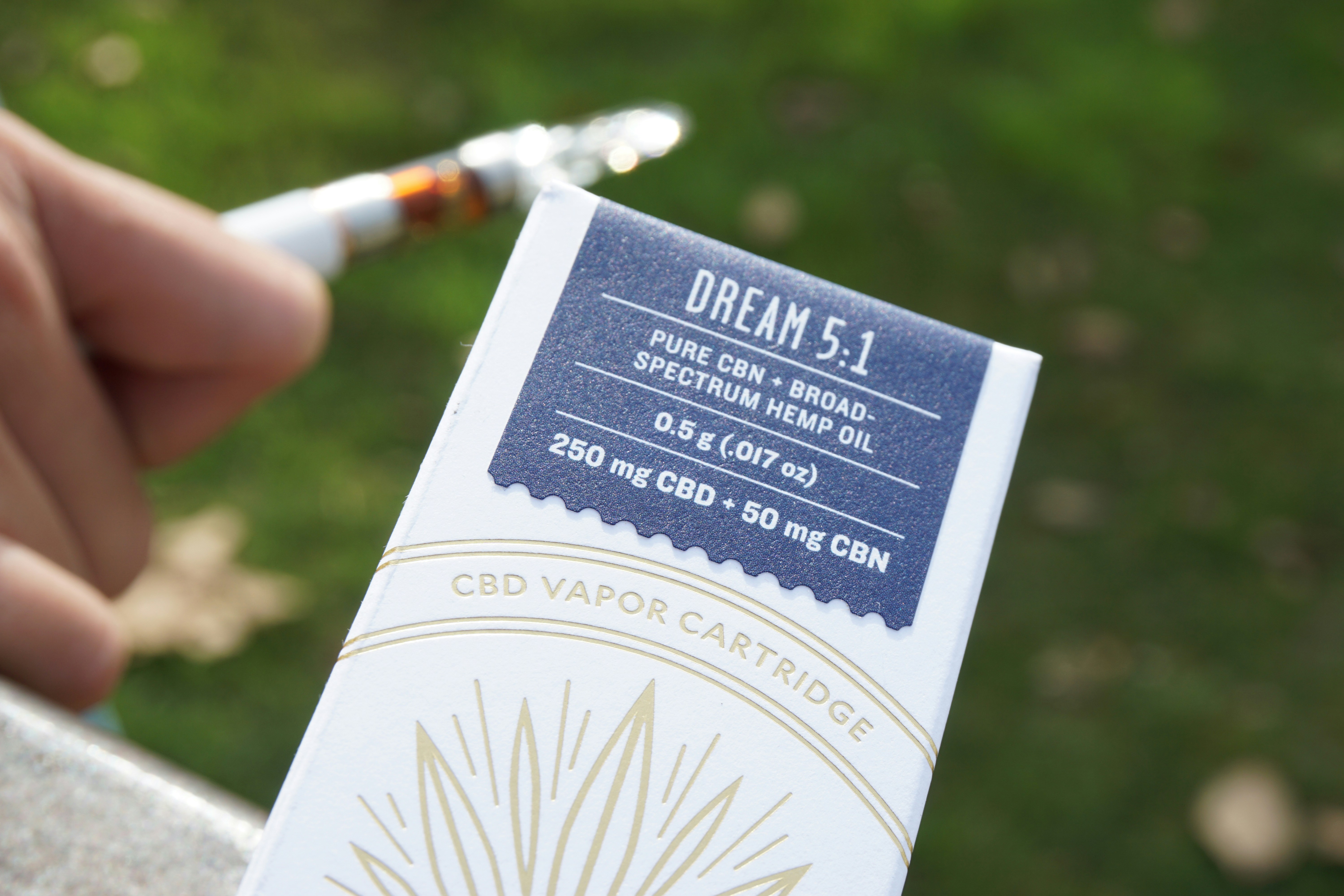
One significant trend in innovative CBD product development is the expansion of delivery methods. While traditional tinctures and oils have been popular, newer methods such as nano-emulsified formulations are gaining traction. These nanoparticle products offer enhanced bioavailability, enabling faster absorption and more effective results. Additionally, the research into transdermal patches and sublingual tablets suggests a growing interest in convenience and efficiency within this market.
Moreover, combining CBD with other wellness ingredients is expected to become a common practice. For instance, the inclusion of adaptogens, vitamins, and minerals in CBD formulations could result in comprehensive wellness solutions tailored for anxiety, sleep, sports recovery, and immune support. This trend can create synergistic effects—a combination of products that enhances overall health benefits, which may appeal to a broader consumer base.
Furthermore, the trend towards sustainable and natural ingredients will influence innovative product development. As consumers become more conscientious about the environmental impacts of their purchases, CBD companies may invest in sustainable sourcing of hemp and other components. Development of organic formulations free from artificial additives will likely become a standard expectation among consumers.
In summary, innovative product development within the CBD market is set to redefine user experiences through enhanced formulations, diverse delivery methods, and synergistic ingredient combinations. As research continues to drive these innovations, consumers can anticipate new, effective options that align closely with their wellness goals.
Focus on Sustainability
As consumers become increasingly aware of environmental issues, the demand for sustainability within the CBD industry is surging. The trend towards eco-friendly practices is not just a fleeting fad; it is evolving into a crucial component of brand identity for companies engaged in the production and distribution of CBD products. In 2026, sustainability has transitioned from an optional badge of honor to a requisite for market survival.
Sustainable practices encompass a range of operations, from organic farming methods to energy-efficient production techniques. In response to consumer preferences, more brands are focusing on sourcing hemp from certified organic growers who utilize regenerative agricultural practices. These methods not only promote healthy soil but also enhance biodiversity, which is vital for long-term ecosystem health.
Transparency has also become a primary demand from consumers who want to know the origins of their products. They are increasingly scrutinizing supply chains for ethical sourcing and sustainable cultivation practices. To meet this demand, brands have begun to provide detailed information about their raw material sourcing, production methods, and even the carbon footprint associated with their operations. This level of transparency not only builds consumer trust but also aligns with the growing expectation that businesses should operate responsibly.
The push for sustainability extends to packaging as well. Many companies in the CBD industry are shifting towards biodegradable or recyclable packaging options, reducing plastic waste and minimizing their overall environmental impact. This movement not only meets consumer preferences but also reflects a broader cultural shift towards environmental responsibility across all sectors.
In conclusion, the trend towards sustainability within the CBD industry is projected to intensify as consumers prioritize eco-friendliness and transparency when making purchasing decisions. Brands that embrace these principles not only contribute to the planet’s health but also position themselves favorably in an increasingly aware and discerning market.
Personalized CBD Experiences
The landscape of CBD products is undergoing a pivotal transformation, driven by the growing demand for personalized experiences that cater to individual consumer needs. In 2026, we can expect to see a significant rise in customized CBD offerings, made possible by advancements in technology and a deeper understanding of the endocannabinoid system. Personalized CBD products can help users achieve specific wellness goals, whether for pain relief, anxiety reduction, or sleep improvement.
One of the primary forces behind this trend is the emergence of data-driven approaches to health and wellness. Companies are increasingly employing genetic testing and biometric data analysis to tailor CBD formulations that resonate with each user’s unique physiology. For instance, by analyzing an individual’s genetic markers, companies can determine how well their body responds to CBD, thus creating formulations that maximize therapeutic effects while minimizing side effects.
Furthermore, the application of Artificial Intelligence (AI) and machine learning is enhancing the personalization of CBD products. Advanced algorithms can evaluate consumer preferences, health needs, and lifestyle choices to formulate CBD oils, edibles, or topicals that align with individual requirements. This high level of customization promises to revolutionize the CBD industry, as consumers increasingly seek products that are specifically designed for them.
In addition to genetic and AI-driven customization, brands are also focusing on offering a variety of consumption methods. This flexibility allows users to choose their preferred delivery system—whether it be tinctures, capsules, or even inhalation devices—based on personal preferences and lifestyle factors. Such tailored experiences could enhance user satisfaction and effectiveness.
In conclusion, the trend towards personalized CBD experiences reflects a larger movement in the wellness industry toward individualized solutions. With continued technological advancements, the potential benefits of tailored CBD products will likely resonate with consumers looking for optimal health strategies.
Integration into Mainstream Health & Wellness
In recent years, cannabidiol (CBD) has gained significant traction within the health and wellness sector, reflecting a notable shift in its perception and application. Initially regarded with skepticism, CBD is now widely accepted among various professionals as a complementary therapeutic option. This growing acceptance can largely be attributed to an increasing body of research indicating its potential benefits, which has bolstered its integration into fitness, beauty, and medical practices.
In the fitness industry, for instance, many athletes and trainers are incorporating CBD into their routines to support recovery and reduce inflammation. The anti-inflammatory properties of CBD are often cited as a reason for its popularity among fitness enthusiasts seeking to alleviate discomfort after intense workouts. Moreover, CBD-infused products, such as topical creams and oils, are becoming renowned for their ability to target localized pain, enhancing physical performance and overall well-being.
Similarly, the beauty sector is witnessing an influx of CBD-infused skincare products. Many brands are leveraging CBD’s reputed antioxidant and anti-inflammatory properties, promoting benefits such as reduced redness and improved skin hydration. The integration of CBD into cosmetic formulations signifies a shift toward more natural and holistic approaches to skincare, appealing to consumers seeking clean beauty solutions.
Furthermore, in the medical realm, healthcare professionals are increasingly acknowledging CBD’s potential as a therapeutic agent. It is gaining traction as a treatment option for various conditions, including chronic pain, anxiety, and epilepsy. The evolving legal landscape surrounding cannabis-related products has paved the way for clinical trials and research, ultimately enhancing the credibility of CBD as a viable component of modern medicine.
In conclusion, the integration of CBD into mainstream health and wellness is emblematic of a broader movement towards embracing alternative therapies. As society becomes more receptive to plant-based solutions, the continuous exploration of CBD’s therapeutic potential is expected to shape its presence in future health and wellness practices.
Emphasis on Education and Consumer Awareness
As consumer interest in CBD continues to rise, so does the necessity for comprehensive education regarding its benefits and uses. The year 2026 marks a pivotal moment where brands are placing significant emphasis on consumer awareness initiatives, aiming to demystify cannabidiol (CBD) and its various applications. These efforts are essential in addressing misconceptions that often surround CBD and contribute to a lack of understanding among potential users.
One primary approach that brands are adopting is the development of informative content that elucidates the science behind CBD, its extraction processes, and its therapeutic potential. Companies are investing in educational resources such as webinars, blogs, and interactive social media campaigns designed to engage consumers actively. This not only fosters an informed audience but also helps build trust between consumers and brands, which is critical in an industry where products vary widely in quality and efficacy.
Moreover, education plays a crucial role in enhancing consumer confidence. By providing accurate information about dosage, potential side effects, and specific effects, brands empower consumers to make informed decisions tailored to their individual needs. This newfound understanding allows consumers to enter the market with clearer expectations and a greater appreciation of the complexities associated with CBD.
Furthermore, as legislation continues to evolve and more scientific research is conducted, the necessity for ongoing education becomes even more apparent. Brands that prioritize consumer awareness are likely to maintain a competitive edge, as they position themselves as leaders in transparency and accountability. Ultimately, these educational initiatives not only reshape public perception of CBD but also significantly influence consumption patterns, paving the way for a more informed and conscientious consumer base in the years to come.
Marketing Strategies in the CBD Sector
The CBD sector continues to evolve rapidly, with marketing strategies adapting to meet emerging consumer preferences and technological advancements. In 2026, brands are increasingly leveraging the power of influencer marketing to promote their products. Influencers, particularly those who align with wellness and lifestyle themes, are proving to be effective conduits for reaching target audiences. Their established trust with followers allows brands to convey authenticity and foster connection, thereby enhancing customer engagement and driving sales.
Moreover, social media platforms are playing a pivotal role in the marketing of CBD products. Platforms such as Instagram, Facebook, and TikTok are not only popular for sharing lifestyle content but also for educating consumers about CBD benefits. Brands are investing in creative content that highlights product usage, wellness tips, and user testimonials. Video content, in particular, has seen a surge in popularity, providing an interactive way for brands to showcase their products. Live streams and Q&A sessions are on the rise, allowing for real-time interaction between brands and consumers.
Another noteworthy trend is the rise of personalized marketing in the CBD sector. Utilizing customer data and analytics, brands are crafting tailored experiences that resonate with individual consumer needs. This segmentation allows businesses to deliver precise messaging, thereby increasing conversion rates and customer loyalty. Furthermore, integrating e-commerce strategies within marketing campaigns is a growing necessity. By optimizing online shopping experiences, brands can meet consumers where they prefer to purchase, ensuring convenience and satisfaction.
As the regulatory landscape of the CBD market continues to evolve, transparency in marketing becomes increasingly important. Consumers are demanding clear information regarding product origins, ingredients, and health benefits. Brands that prioritize transparency and education in their marketing efforts are likely to build stronger trust and credibility within the market.
Future Projections and Conclusion
As we look towards the future of the CBD industry in 2026, it is essential to reflect on the trends we have discussed throughout this blog post. The cannabidiol market is anticipated to expand significantly, driven by increasing consumer awareness and acceptance of CBD products. Notably, the growing interest in wellness and alternative medicine will catalyze the exploration of innovative formulations and applications of CBD, ranging from topical solutions to edibles and beverages.
Furthermore, regulatory clarity will continue to shape the industry, allowing for the safe and informed distribution of CBD. With potential federal legislation expected to evolve, businesses will need to stay abreast of compliance requirements and quality standards. This will not only enhance market credibility but also safeguard consumer health and foster trust in CBD products.
Additionally, technological advancements will likely play a pivotal role in the future of CBD. The development of new extraction methods and improvements in product delivery systems may yield more effective and pure cannabidiol options. As research on the endocannabinoid system expands, understanding how CBD interacts with various bodily systems may open up further therapeutic applications and bolster scientific backing for the industry.
However, challenges persist. The oversaturation of the market with subpar products remains a significant concern for both consumers and producers. In 2026, the differentiation between high-quality and lower-quality CBD goods will be crucial for consumers looking to make informed choices. Moreover, public perception can be heavily influenced by ongoing debates surrounding cannabis legalization, which may affect market growth.
In conclusion, while the CBD industry in 2026 presents substantial opportunities for growth and innovation, it is also essential to navigate potential challenges diligently. By fostering regulations, embracing technology, and prioritizing product quality, the future of CBD appears promising, with prospects for further integration into daily health and wellness routines.

