


Introduction to Cryptocurrencies
Cryptocurrencies have significantly transformed the financial landscape, emerging as an innovative asset class that attracts the attention of both individual investors and institutional players. Defined as digital or virtual currencies that utilize cryptography for security, cryptocurrencies operate independently of a central authority, which adds an intriguing layer to their investment potential. The rise of Bitcoin in 2009 marked the beginning of this revolution, paving the way for thousands of alternative cryptocurrencies, commonly referred to as altcoins.
The backbone of cryptocurrencies is blockchain technology, which functions as a decentralized ledger that records all transactions across a network of computers. This technology ensures transparency and security, as every transaction is immutable and verifiable. Blockchain fosters trust between parties without the need for intermediaries, making transactions more straightforward and efficient. Its applications extend beyond currency to various sectors, including supply chain management, healthcare, and finance, showcasing its versatility and potential to disrupt traditional systems.
In today’s digital age, cryptocurrencies provide an alternative means of conducting transactions and have gained recognition as stores of value, similar to precious metals. The significance of cryptocurrencies rests not only in their ability to enhance financial sovereignty for users but also in their capacity to facilitate cross-border transactions with low fees. As the market continues to evolve, some cryptocurrencies are emerging as more favorable investment opportunities based on their utility, technological advancements, and community support.
As we delve deeper into this discussion, it is crucial to examine the distinct characteristics of prominent cryptocurrencies and what sets them apart in 2023. Understanding these elements will provide valuable insights into their investment viability and potential for growth.
Criteria for Evaluating Cryptocurrencies
When examining cryptocurrencies for potential investment or interest, several pivotal criteria come into play. These factors contribute to understanding the viability and performance of various cryptocurrencies in the volatile market.
First and foremost, market capitalization serves as a fundamental indicator of a cryptocurrency’s value and scalability. It represents the total value of all its tokens in circulation. A higher market cap often suggests greater stability and investor confidence, thus making it an essential criterion for evaluation.
Technological innovation is another critical aspect to consider. Each cryptocurrency is built on its underlying technology, which can include unique consensus mechanisms, transaction speeds, and scalability solutions. The capacity for technological advancement and adaptability to evolving market demands plays a vital role in determining long-term success.
The strength and expertise of a development team are also crucial indicators. A knowledgeable and experienced team is more likely to execute planned upgrades and address technical issues effectively. Transparent communication and a proven track record can significantly enhance a cryptocurrency’s reputation in the community.
Community support is yet another factor to account for. A robust community often bolsters a cryptocurrency’s legitimacy and can influence its adoption. Active engagement on social platforms, forums, and community events can indicate passionate support and commitment, which is critical for a project’s longevity.
Lastly, the real-world application of a cryptocurrency is a decisive element in its evaluation. Successful cryptocurrencies usually have practical use cases that solve real-world problems or enhance existing systems. This relevance not only helps in user acquisition but also in maintaining market traction over time.
In summary, by weighing these criteria—market capitalization, technological innovation, development team expertise, community involvement, and real-world utility—investors can make informed decisions on which cryptocurrencies to watch.
Top Cryptocurrencies to Watch in 2023
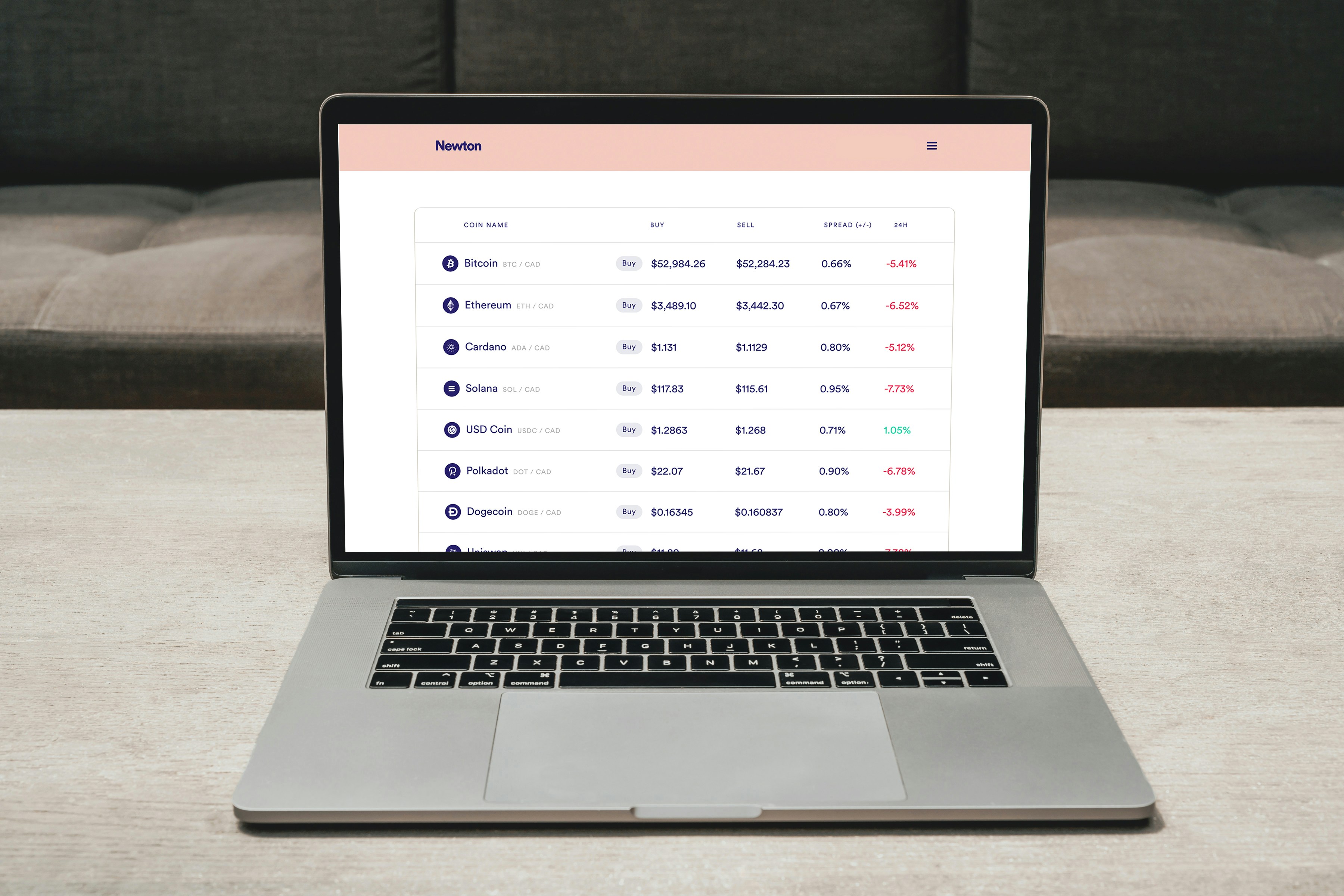
The cryptocurrency landscape in 2023 presents dynamic opportunities for investors and enthusiasts alike. While established players continue to dominate, a slew of emerging cryptocurrencies is equally capturing attention. Among these, Bitcoin (BTC) stands out as the pioneer of digital currencies. Its decentralized nature and widespread acceptance make it a staple in any cryptocurrency portfolio. Bitcoin is often seen as a hedge against inflation, with its limited supply elevating its status as ‘digital gold’.
Next on the list is Ethereum (ETH), known for its robust smart contract functionality. Ethereum enables developers to build decentralized applications (dApps) on its blockchain, contributing to its expansive ecosystem. With Ethereum 2.0 promising improved scalability and energy efficiency, its influence in the crypto market is anticipated to grow further.
Another prominent contender is Binance Coin (BNB), the native cryptocurrency of the Binance exchange. Initially created to facilitate lower trading fees within the platform, BNB has evolved to incorporate features such as token sales and transaction fee payments across various platforms. Its continuous development and strong market performance place it among the top cryptocurrencies in 2023.
Emerging contenders like Solana (SOL) are also gaining traction. Solana offers high-speed transactions and lower fees, making it an attractive alternative for developers and investors. Its growing user base and innovative approach to blockchain technology indicate a promising future. In the same vein, Cardano (ADA) is noteworthy for its academic approach to development, emphasizing security and sustainability.
In addition, new players like Avalanche (AVAX) and Polkadot (DOT) are making headlines for their unique consensus mechanisms and interoperability features. With diverse applications within the ecosystem, these cryptocurrencies highlight the evolving nature of digital assets and investment potential in 2023.
Emerging Trends in Cryptocurrency Market
The cryptocurrency market is evolving rapidly, with several key trends shaping its trajectory. One of the most significant movements is the rise of decentralized finance (DeFi). DeFi projects aim to replicate traditional financial systems, such as lending and borrowing, but operate on blockchain technology. This innovation allows users to engage in financial activities without intermediaries, promoting greater efficiency and accessibility. As DeFi continues to mature, it is likely to attract both institutional and retail investors looking for alternative financial solutions.
Another important development within the sector is the proliferation of non-fungible tokens (NFTs). Unlike traditional cryptocurrencies, which are fungible and can be exchanged for one another, NFTs represent unique digital assets. This distinction has spurred a creative renaissance in various domains, including art, gaming, and collectibles. Artists and creators can now tokenize their work, retaining ownership and control over their intellectual property. The burgeoning interest in NFTs reflects a shift in how we perceive value in the digital age, and this trend is likely to foster a new wave of engagement within the cryptocurrency ecosystem.
Additionally, blockchain interoperability is gaining traction as an essential feature for the future of cryptocurrencies. As the number of blockchains increases, the ability for these platforms to communicate and facilitate transactions with one another is becoming increasingly vital. Interoperability enables a more connected and efficient ecosystem, potentially leading to enhanced user experiences and greater adoption of various cryptocurrencies. This trend underscores the emphasis on collaboration within the blockchain community, allowing for the sharing of resources and knowledge that can drive innovation.
These emerging trends—DeFi, NFTs, and interoperability—are shaping the cryptocurrency landscape. Keeping an eye on these developments will provide insights into which cryptocurrencies may experience increased popularity and adoption in the coming year.
Risks Associated with Investing in Cryptocurrencies
Investing in cryptocurrencies entails a range of inherent risks that potential investors must be aware of before committing their capital. One of the primary concerns is the extreme volatility seen in cryptocurrency markets. Price fluctuations can be drastic, with values sometimes changing significantly within a short timeframe. This volatility is largely attributed to market sentiment, regulatory news, and technological developments, making cryptocurrencies a speculative investment.
Another significant risk is the evolving regulatory landscape surrounding cryptocurrencies. Governments worldwide are actively debating how to treat cryptocurrencies, which could lead to new laws that impact their usability and value. For instance, if a country decides to impose strict regulations on cryptocurrency exchanges, it may hinder trading activities, causing prices to plummet. Therefore, investors should stay informed about regulatory changes that could affect their investments.
Technological vulnerabilities also pose a considerable risk. The infrastructure supporting cryptocurrencies, including blockchain technology, has its own set of potential weaknesses. Cyberattacks, such as hacking and phishing scams, are common threats that can lead to the loss of funds for investors. Moreover, the reliance on technology introduces risks related to software bugs and faults. As seen in several instances, technological failures can significantly impact the security and functionality of different cryptocurrencies.
Given these risks, it is crucial for investors to conduct thorough research before investing in any cryptocurrency. Understanding the specific project, its market potential, and associated risks can aid in making informed decisions. Additionally, diversifying investments and only allocating a portion of one’s portfolio to cryptocurrencies may help mitigate potential losses. While the allure of high returns is tempting, caution and due diligence are necessary to navigate this complex and rapidly evolving field.
The Future Landscape of Cryptocurrencies
As the world rapidly evolves technologically, the future of cryptocurrencies remains a pivotal topic for market analysts and investors alike. Predictions surrounding the adoption and integration of digital currencies into mainstream finance indicate a transformative potential that could redefine economic interactions globally. Industry experts forecast that cryptocurrencies will increasingly discover their footing amidst traditional financial systems, driven by technological advancements and regulatory frameworks.
One significant trend anticipated in the coming years is the emergence of Central Bank Digital Currencies (CBDCs). Governments across the globe are exploring or piloting their own digital currencies, aiming to enhance financial inclusion and streamline payment systems. These CBDCs might coexist alongside established cryptocurrencies, such as Bitcoin and Ethereum, creating an intricate ecosystem where both private and public digital currencies play distinct roles.
Moreover, the adoption of blockchain technology is expected to significantly impact various sectors, including finance, supply chain management, and healthcare. By facilitating secure and transparent transactions, blockchain could diminish the reliance on conventional banking systems, leading to easier access to financial services for unbanked populations. Analysts suggest that this shift will not only alter how we perceive money but also expand the market for cryptocurrencies.
Furthermore, as institutional investors continue to enter the cryptocurrency market, their influence is likely to stabilize price volatility, making digital currencies more appealing to mainstream investors. This institutional involvement could also spur innovations in financial products linked to cryptocurrencies, such as asset management services and pension products, thus embedding them deeper into the global economy.
Overall, the future landscape of cryptocurrencies promises a blend of opportunities and challenges. Investors must remain vigilant, adapting their strategies to navigate this evolving terrain while considering the implications of these changes on traditional financial paradigms.
Case Studies of Successful Cryptocurrencies
Over the years, numerous cryptocurrencies have made substantial impacts on the digital economy, each with a unique story behind their ascent and challenges. A prime example is Bitcoin, the original cryptocurrency, which was launched in 2009. Bitcoin introduced the concept of decentralization and blockchain technology, fundamentally altering the way transactions are conducted globally. Despite facing significant volatility and regulatory scrutiny, Bitcoin’s limited supply and status as a digital asset have led to its widespread adoption as a store of value, often referred to as ‘digital gold.’
Another noteworthy case is Ethereum, which emerged in 2015 as a platform for decentralized applications (dApps) and smart contracts. Unlike Bitcoin, Ethereum’s focus is not just on peer-to-peer transactions; it supports the creation of programmable contracts. This innovation has revolutionized numerous sectors, including finance, digital art, and supply chain management. However, Ethereum has faced challenges with scalability and high transaction costs, leading to ongoing improvement efforts, such as the transition to Ethereum 2.0, which aims to enhance its infrastructure.
Furthermore, a case study that illustrates the dynamism of the cryptocurrency landscape is that of Binance Coin (BNB). Initially launched as a utility token for the Binance exchange, BNB has expanded its use cases significantly. It powers the Binance Smart Chain, which allows developers to create their decentralized applications. This evolution demonstrates how a cryptocurrency can adapt and grow within an ecosystem, establishing itself as a vital asset in the broader blockchain space. Each of these cryptocurrencies highlights the importance of innovation, community support, and adaptability in achieving success in the complex cryptocurrency market.
How to Get Started with Cryptocurrency Investments
Entering the world of cryptocurrency investments can seem daunting for beginners, but with the right approach, it can be a rewarding experience. The first step in this journey is to choose a reliable cryptocurrency exchange. Popular exchanges such as Coinbase, Binance, and Kraken provide user-friendly interfaces for purchasing cryptocurrencies. Users should ensure that the exchange they select is reputable and supports the cryptocurrencies they are interested in, along with robust security measures.
Once an exchange is selected, the next step is to create an account. This typically involves providing personal information for identity verification, which is a standard procedure in compliance with regulatory requirements. After account verification, users can link their bank accounts or credit cards to deposit funds into their exchange accounts.
With funds available, beginners can begin purchasing cryptocurrencies. It is advisable to start with a small investment to gain familiarity with market dynamics. Users should research various cryptocurrencies, their market capitalization, and their future potential, ensuring they diversify their portfolio to mitigate risks. Popular choices often include Bitcoin, Ethereum, and Litecoin.
After acquiring cryptocurrencies, the importance of secure storage cannot be overstated. Beginners are encouraged to use digital wallets for storing their assets securely. There are two primary types of wallets: hot wallets, which are online and easily accessible, and cold wallets, which are offline and offer enhanced security against hacking attempts. Investing in a hardware wallet can provide additional layers of security for larger amounts of cryptocurrency.
Finally, it is essential for investors to stay informed about market trends. Following reliable news sources and cryptocurrency forums can provide insights into market movements. By adopting a methodical approach to buying, securing, and managing investments, beginners can navigate the world of cryptocurrency investments with greater confidence and security.
Conclusion and Investment Takeaways
As we conclude our exploration of the top cryptocurrencies to watch, it is essential to reflect on key insights that emerged throughout this discussion. The cryptocurrency market, characterized by its rapid evolution and inherent volatility, necessitates that investors remain vigilant and informed. Understanding the fundamental aspects of each cryptocurrency, as well as the broader market trends, is crucial for making educated investment decisions.
It is pertinent for investors to evaluate their own investment strategies regularly. Given the diverse range of cryptocurrencies available, each with unique properties and potential applications, individuals should undertake thorough research before committing their funds. Coins such as Bitcoin, Ethereum, and newer entrants all demonstrate distinct trajectories and potential for growth.
Furthermore, as the landscape of cryptocurrencies continues to shift, continuous education is vital. Engaging with reputable sources, attending webinars, and participating in discussion forums can equip investors with updated knowledge and insights. Additionally, understanding technological advancements, regulatory changes, and market sentiment can enhance investment strategies.
In essence, being proactive in the cryptocurrency space involves not just awareness of current trends but also a commitment to ongoing learning and adaptation. Investors should aim to build a diversified portfolio that aligns with their risk tolerance, investment goals, and time horizon. This approach will enable them to navigate the complexities of the cryptocurrency market more effectively.
In conclusion, the dynamic world of cryptocurrencies presents both opportunities and challenges. By staying informed and adaptable, investors can position themselves favorably in this exciting and rapidly changing arena.

