

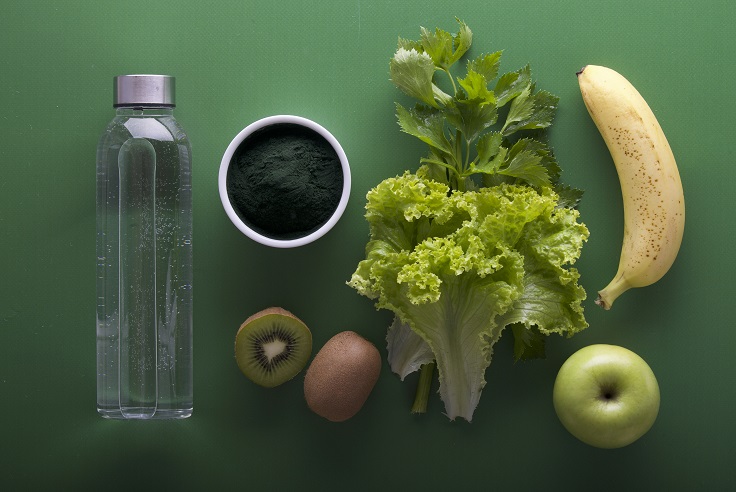

What Are Superfoods?
Superfoods are a classification of foods that are exceptionally rich in nutrients and are believed to contribute positively to health. These foods are often loaded with vitamins, minerals, antioxidants, and other beneficial compounds that provide various health benefits, distinguishing them from regular foods. The term “superfood” is not a scientific classification but rather a marketing term that describes foods that are nutritionally dense and, therefore, advantageous for promoting health and well-being.
One of the key characteristics that define superfoods is their nutrient density. This means they offer a high concentration of essential nutrients relative to their calorie content. For instance, leafy greens like kale and spinach, berries such as blueberries and acai, nuts and seeds, and fatty fish like salmon are all prime examples of superfoods. Their high nutrient levels provide a range of health benefits, which include supporting the immune system, improving heart health, and reducing the risk of chronic diseases.
Moreover, superfoods are often recognized for their potential role in disease prevention. The antioxidants and phytochemicals found in many superfoods help combat oxidative stress and inflammation, both of which are contributors to various health issues, including heart disease, cancer, and diabetes. The consumption of superfoods may also promote healthy aging, improve cognitive function, and enhance overall vitality.
What sets superfoods apart from other foods is not just their nutrient density but also their diversity. While many traditional foods contribute to nutrition, superfoods provide unique combinations of health-promoting properties that make them particularly beneficial. Incorporating a variety of superfoods into your diet can help ensure a well-rounded intake of nutrients, ultimately leading to improved health outcomes.
The Science Behind Superfoods
Superfoods have garnered significant attention in recent years, largely due to their high nutrient density and purported health benefits. Scientific research has begun to unveil the intricate components that contribute to the status of these foods as nutritional powerhouses. Key among these components are antioxidants, vitamins, and minerals, all of which play vital roles in promoting overall wellness.
Antioxidants, found abundantly in many superfoods, protect the body from oxidative stress caused by free radicals. This is crucial since oxidative stress is linked to chronic diseases such as cancer and cardiovascular diseases. For instance, foods like blueberries and kale are often recognized for their exceptionally high levels of antioxidants, which may reduce inflammation and enhance immune function.
In addition to antioxidants, superfoods are typically rich in essential vitamins and minerals that are crucial for maintaining health. Vitamins such as C, E, and various B vitamins can significantly contribute to energy metabolism, immune support, and skin health. Leafy greens, nuts, and seeds represent significant sources of these nutrients. Minerals like potassium, magnesium, and calcium, which can be derived from superfoods like quinoa and avocados, are essential for numerous bodily functions, including muscle contraction, nerve transmission, and maintaining bone health.
Furthermore, many superfoods boast biochemical compounds known as phytochemicals. These compounds can play a significant role in promoting health by enhancing cellular and metabolic functions. For instance, flaxseeds are a rich source of omega-3 fatty acids, which have been scientifically linked to improved cardiovascular health and reduced inflammation.
Therefore, the scientific backing for the inclusion of superfoods in our diets rests upon their impressive array of nutrients that can contribute significantly to overall well-being. By diversifying our diets to include these nutrient-rich options, we may take proactive steps toward enhancing our health.
Top 5 Superfoods to Incorporate
In the quest for a healthier diet, integrating superfoods is a prudent choice. Below are five superfoods that stand out due to their nutrient density and health benefits.
1. Quinoa – Quinoa is a versatile grain that is packed with protein, fiber, and essential amino acids. It is gluten-free and has a low glycemic index, making it a great staple for those managing weight or blood sugar. Incorporate quinoa into salads, as a side dish, or even in breakfast bowls for an energizing start to the day.
2. Blueberries – Often referred to as a “super berry,” blueberries are rich in antioxidants, vitamins C and K, and dietary fiber. These small fruits can help combat oxidative stress and inflammation. They can easily be added to smoothies, yogurt, or used as a topping on oatmeal for a nutritious boost.
3. Kale – This leafy green is a nutritional powerhouse, packed with vitamins A, C, and K, along with calcium and iron. Kale is excellent for digestion and overall heart health. It can be used in salads, blended into smoothies, or even baked as crispy kale chips for a nutritious snack.
4. Chia Seeds – High in omega-3 fatty acids, antioxidants, and fiber, chia seeds promote heart health and aid in digestion. They absorb water and expand, which can help with feeling full. Add chia seeds to smoothies, overnight oats, or yogurt, or use them to thicken soups.
5. Salmon – Renowned for its omega-3 fatty acids, salmon is an excellent source of protein and essential nutrients. Regular consumption may lower the risk of heart disease and improve brain health. It can be grilled, baked, or added to salads, making it a delicious and versatile option.
Incorporating these superfoods into your diet can enhance your overall health and well-being. Start experimenting with recipes that include these nutritional gems for a more balanced and health-driven approach to your meals.
How to Include Superfoods in Your Daily Diet
Incorporating superfoods into your daily diet can be both easy and enjoyable. One effective method is to start your day with a nutrient-packed smoothie, which can include superfoods such as spinach, chia seeds, and berries. These ingredients not only enhance the flavor but also add essential vitamins and antioxidants that can boost your health. Blend them together with a liquid of your choice, like almond milk or coconut water, for a refreshing breakfast option that supports your wellness goals.
Another practical approach is to use superfoods as toppings or ingredients in your favorite meals. For instance, you can sprinkle flaxseeds or pumpkin seeds on your salads or oatmeal. Additionally, incorporate quinoa, a nutrient-dense grain, into your lunch dishes. It serves not only as a fantastic base for salads but also as a healthy side with chicken or fish.
Snacks are another ideal opportunity to introduce superfoods into your diet. Substitute your traditional snacks with energy balls made from nuts, oats, and dried fruits mixed with superfoods like cacao nibs or spirulina. These bites not only provide a quick energy boost but also offer numerous health benefits. Alternatively, consider opting for sliced vegetables served with hummus enriched with turmeric or added greens for an extra health punch.
When meal prepping, design your weekly menu around superfoods to simplify your cooking process. Batch-cook meals that feature superfoods such as lentil soups, sweet potato dishes, or baked salmon topped with herbs. By planning your meals in advance and including superfoods in each dish, you can effectively enhance your diet while also enjoying the convenience of ready-to-eat nutritious foods.
Common Misconceptions About Superfoods
Superfoods have garnered significant attention in recent years, leading to a variety of myths and misconceptions surrounding their nature and benefits. One common misconception is that superfoods are a guaranteed solution to all health issues. While these foods, such as kale, blueberries, and quinoa, are packed with vitamins, minerals, and antioxidants, they are not a substitute for a balanced diet or medical advice. Relying solely on superfoods can lead individuals to overlook the importance of consuming a diverse range of food groups that contribute to overall well-being.
Affordability is another area where misconceptions arise. Many people believe that incorporating superfoods into their diets requires a substantial financial investment. It is essential to understand that while certain superfoods can be pricey, there are cost-effective options available. For instance, beans, lentils, and seasonal fruits also provide health benefits and are widely regarded as superfoods. By selecting them wisely, individuals can enjoy the advantages without straining their budgets.
Furthermore, the term “superfood” itself can lead to confusion. This label is often used for marketing purposes and does not possess a scientific definition. Therefore, it is crucial to remain skeptical of claims regarding specific foods being superior to others. Instead of searching for the next superfood, focusing on an overall healthy eating pattern filled with various nutrients is a more practical approach. By understanding these misconceptions, consumers can make informed decisions about their diets that promote health without falling victim to marketing hype. Education plays a vital role in demystifying the benefits of superfoods, emphasizing that there is no single food that can achieve miraculous results on its own.
The Role of Superfoods in Weight Management
Superfoods are nutrient-rich foods that deliver a myriad of health benefits, making them essential components for those looking to manage their weight effectively. By incorporating superfoods into daily meals, individuals can enhance satiety, bolster metabolism, and obtain vital nutrients that support a healthy eating pattern.
One of the potential advantages of superfoods in weight management is their ability to promote a feeling of fullness or satiety. Foods such as quinoa and lentils are high in fiber and protein, which can slow down digestion, leading to prolonged satiety. This may ultimately result in reduced overall calorie intake as individuals feel satisfied for longer periods, thus averting excessive snacking or unplanned meals.
Moreover, certain superfoods possess metabolism-boosting properties. For instance, green tea and chili peppers have been shown to enhance metabolic rate, primarily due to their thermogenic effects. These foods can help the body burn calories more efficiently, which is crucial for individuals striving to achieve or maintain a healthy weight. Adding these items to a regular diet could provide an extra edge in weight management strategies.
In addition to aiding metabolism and promoting satiety, superfoods are replete with essential nutrients that contribute to overall health. Ingredients like berries, leafy greens, and nuts are not only rich in vitamins and antioxidants but also offer healthy fats and complex carbohydrates, providing a balanced approach to diet. Focusing on nutrient density over calorie density ensures that individuals consume fewer empty calories while receiving the nourishment needed for optimal health.
Ultimately, the integration of superfoods into a balanced diet promotes healthier eating patterns and supports effective weight management. By choosing these nutrient-dense options, individuals can enhance their dietary habits while working towards their weight-related goals.
Superfood Supplements: Are They Necessary?
In recent years, superfood supplements have gained popularity among health enthusiasts, often marketed as quick solutions to enhance nutritional intake. However, while they may offer some benefits, it is essential to consider their role in the broader context of a balanced diet. Whole foods, which are minimally processed and rich in natural nutrients, provide a myriad of health benefits that cannot be entirely replicated by supplements.
Superfoods, such as kale, blueberries, and quinoa, are packed with vitamins, minerals, antioxidants, and fiber. These nutrients work synergistically in a whole food matrix, ensuring optimal absorption and utilization by the body. When opting for superfood supplements, one might miss out on the complex interactions and additional benefits that whole foods deliver. For example, while a supplement may provide concentrated doses of vitamins, it may lack the fiber and phytonutrients that contribute to overall health and well-being.
Moreover, reliance on superfood supplements can lead to a false sense of security regarding nutritional intake. Individuals may neglect the importance of a varied and balanced diet, which is crucial for overall health. It is vital to prioritize obtaining nutrients from whole foods rather than overemphasizing supplements. Incorporating a diverse array of fruits, vegetables, whole grains, and proteins can ensure a comprehensive nutrient profile while promoting sustainable eating habits.
In conclusion, while superfood supplements can be beneficial in certain situations, they are not a substitute for whole foods. Prioritizing a balanced diet rich in diverse nutrients can provide optimal health benefits and support long-term wellness. Thus, individuals looking to enhance their nutrition should focus on incorporating whole superfoods into their meals rather than relying solely on supplements.
Seasonal Superfoods: What to Enjoy Throughout the Year
Incorporating seasonal superfoods into your diet can greatly enhance the variety and nutritional value of your meals throughout the year. By choosing fruits and vegetables that are in-season, you not only benefit from optimum freshness and flavor, but also support local farmers and reduce your carbon footprint. Various superfoods have peak seasons, offering unique nutrients that align with our bodies’ needs during different times of the year.
During the spring months, leafy greens such as kale and spinach become readily available. These greens are rich in vitamins A, C, and K, as well as minerals like iron and calcium. They can easily be added to salads, smoothies, or cooked dishes, providing a refreshing component to your meals. As the weather warms, consider incorporating asparagus into your diet. This vegetable is high in fiber and promotes digestive health.
As summer approaches, berries such as blueberries, strawberries, and blackberries come into their prime. These vibrant superfoods are packed with antioxidants that can help fight inflammation and promote skin health. Fresh herbs like basil and cilantro also peak during this season, allowing you to elevate the flavor profile of your dishes while adding a boost of nutrients.
As fall arrives, root vegetables such as sweet potatoes and carrots become widely available. These vegetables not only provide essential vitamins like beta-carotene but also are incredibly versatile in recipes ranging from soups to casseroles. Pumpkins, another seasonal staple, are rich in fiber and vitamin A, making them an excellent addition to both savory and sweet dishes.
In the winter months, citrus fruits, including oranges and grapefruits, provide essential vitamin C, which is crucial for boosting the immune system during colder months. Additionally, hearty greens, such as collard greens and Brussels sprouts, remain in season and can offer warmth and nutrition to winter meals.
By observing the seasonal cycle of superfoods, you can enjoy the best nature has to offer, enhancing your health through a diverse and nutritious diet year-round.
Embracing Superfoods for a Healthier Life
In modern nutrition discussions, the concept of superfoods frequently arises, representing nutrient-dense foods that offer substantial health benefits. Throughout this blog post, we have explored various superfoods and highlighted their unique properties that make them essential for a balanced diet. Foods such as quinoa, kale, and blueberries have emerged as frontrunners due to their rich nutrient profiles, including vitamins, minerals, and antioxidants, all of which contribute to overall health enhancement.
Integrating superfoods into your daily meals can be a straightforward endeavor. Simple strategies such as adding a handful of spinach to smoothies or incorporating black beans into salads can significantly boost the nutritional value of your meals. Furthermore, these foods are versatile, allowing for creative culinary applications, from energizing breakfast bowls to nourishing dinner options. It’s essential to focus not just on individual superfoods but also on how they can complement one another when included in your diet.
Moreover, the positive effects of superfoods on health parameters like cardiovascular well-being, weight management, and cognitive function cannot be overlooked. As we strive for healthier lifestyles, making informed dietary choices, including embracing superfoods, is both a proactive and beneficial approach. It is crucial to remember that while incorporating these foods is advantageous, a comprehensive lifestyle change, including regular physical activity and mental well-being, is vital to achieve the best health outcomes.
To wrap up, the incorporation of superfoods into your meals is not just a trend but a pathway towards enhancing the quality of your nutrition and fostering a healthier lifestyle. By making conscious choices and emphasizing these beneficial foods within your diet, each individual can take significant steps towards improved overall health and wellness.

