


Understanding CBD: What It Is and How It Works
CBD, or cannabidiol, is a naturally occurring compound found in the cannabis plant, widely recognized for its potential therapeutic benefits without the psychoactive effects often associated with THC (tetrahydrocannabinol). Unlike THC, which produces a euphoric high, CBD interacts differently with the body’s endocannabinoid system, a complex network of receptors that regulates various physiological processes, including pain, mood, and immune response.
The origins of CBD can be traced back to ancient practices where cannabis was used for medicinal purposes. Over recent years, scientific research has significantly expanded our understanding of CBD and its potential applications in health and wellness. Different from THC, CBD is considered non-intoxicating, making it an attractive option for those seeking the benefits of cannabis without impairment.
The endocannabinoid system plays a crucial role in facilitating the body’s response to CBD. This system consists of endocannabinoids produced by the body, receptors located throughout the brain and body, and enzymes. When CBD is ingested, it interacts with cannabinoid receptors, potentially influencing a variety of bodily functions. This interaction can promote balance within the body, often referred to as homeostasis, which may help manage issues such as anxiety, chronic pain, and inflammation.
Regarding legality, CBD derived from hemp (containing less than 0.3% THC) is legal in many jurisdictions, although regulations can vary significantly. Consequently, it is crucial for consumers to be informed about local laws surrounding the purchase and use of CBD products. Safety is also a pertinent concern; while CBD is generally regarded as safe, some users may experience side effects such as fatigue or gastrointestinal discomfort. Therefore, it is advisable to consult with a healthcare professional prior to incorporating CBD into one’s daily routine.
The Potential Benefits of CBD for Everyday Wellness
Cannabidiol, commonly known as CBD, has gained significant attention in recent years as a natural remedy for various health concerns. One of the primary benefits attributed to CBD is its ability to alleviate anxiety. Several scientific studies suggest that CBD interacts with serotonin receptors in the brain, which are essential for mood regulation. Research has shown that individuals suffering from social anxiety disorder may experience reduced anxiety levels after taking CBD, leading to improved overall well-being.
Another area where CBD shows promise is in pain management. CBD possesses anti-inflammatory properties, making it a potential option for those suffering from chronic pain conditions such as arthritis. A study published in the European Journal of Pain found that CBD applied topically could help lower pain and inflammation in afflicted areas. Thus, incorporating CBD into a daily routine may provide relief from physical discomfort, enhancing one’s quality of life.
In addition to its effects on anxiety and pain reduction, CBD may also promote better sleep. Many individuals struggle with insomnia or restless nights, and CBD could play a role in improving sleep quality. A study conducted by the Journal of Clinical Psychology indicated that CBD could decrease the frequency of nightmares and improve sleep duration for those with sleep disturbances. This improvement in sleep patterns can contribute significantly to an individual’s overall wellness.
Furthermore, CBD may aid in stress management. The daily pressures and stresses of life can lead to harmful effects on mental and physical health. CBD’s ability to promote relaxation without the psychoactive effects associated with THC makes it a desirable option for stress relief, allowing individuals to navigate their daily lives more effectively.
In summary, the potential benefits of incorporating CBD into daily wellness routines are supported by various scientific studies, showcasing its positive effects on anxiety, pain, sleep, and stress management. As research continues to evolve, leveraging CBD could provide a holistic approach to improving one’s overall well-being.
Different Forms of CBD: Which is Right for You?
With the growing popularity of CBD, various forms are now available, each offering unique benefits that cater to different preferences and lifestyles. Understanding these options can help you choose the ideal method for incorporating CBD into your daily life.
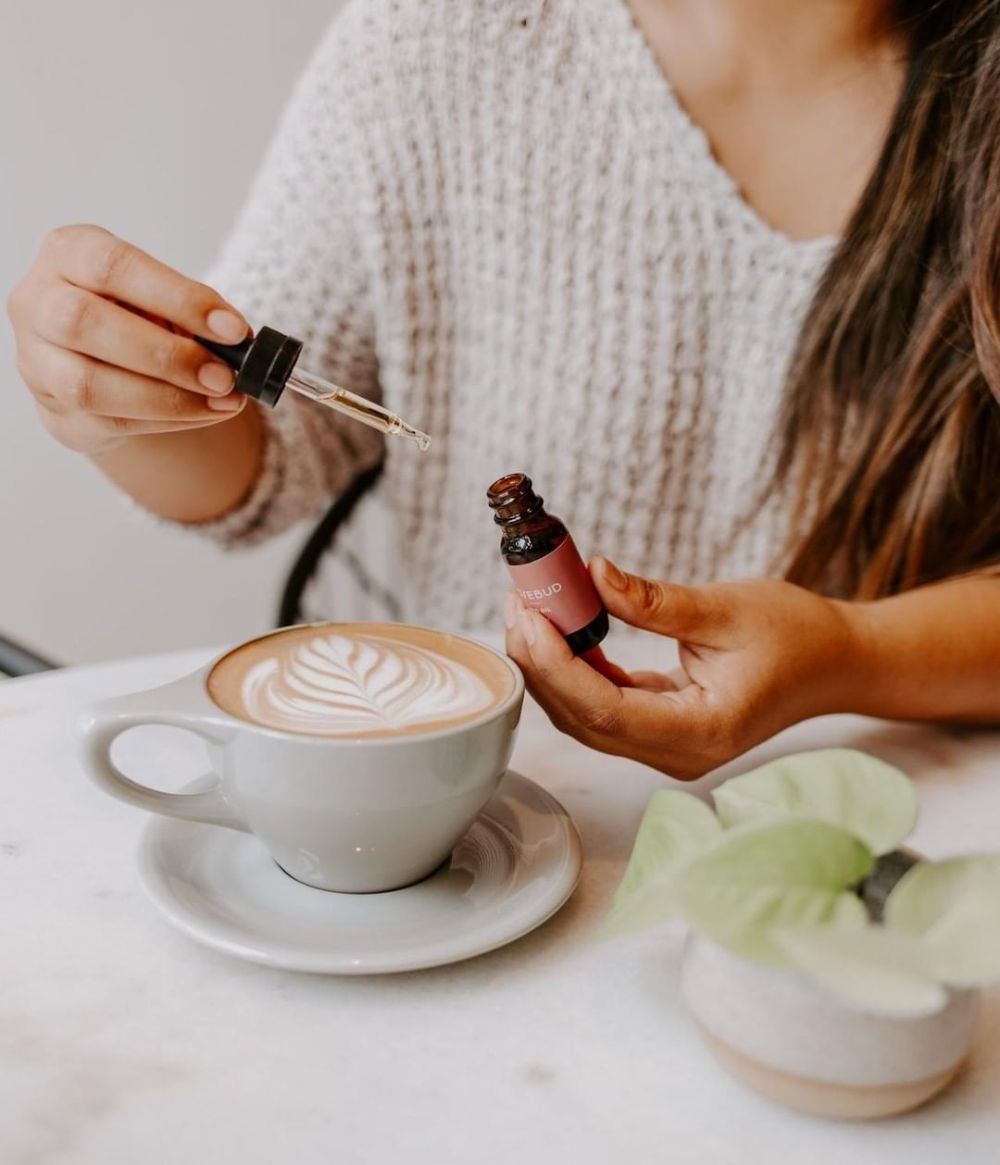
CBD oils are among the most common forms, often characterized by their versatility. These tinctures are typically taken sublingually, allowing for quick absorption into the bloodstream. They can also be easily added to food or beverages, making them an excellent choice for those who prefer a customizable dosage.
Capsules and soft gels provide a convenient and discreet way to consume CBD. They allow for precise dosing and are an appealing option for individuals who are accustomed to taking supplements. Since capsules take longer to metabolize due to the digestive process, they may be suitable for those seeking extended relief throughout the day.
For a more enjoyable experience, CBD-infused gummies have gained immense popularity. These edibles are available in various flavors and concentrations, appealing to both new users and seasoned consumers. Gummies offer a delightful way to incorporate CBD into your routine, although it is essential to pay attention to the specific dosage on the packaging.
Topical applications, such as creams and balms, provide localized relief, making them ideal for targeting specific areas of discomfort. This format is particularly beneficial for individuals managing issues like sore muscles or joint pain without the systemic effects of other forms.
Finally, CBD vapes and cartridges offer a fast-acting method for those seeking immediate effects. This method allows for rapid absorption through the lungs and may appeal to users looking for a smoking alternative. However, it is crucial to consider the potential health implications of vaping before making this choice.
In summary, the right form of CBD ultimately depends on individual preferences, desired effects, and lifestyle considerations. Evaluating these factors will guide you in selecting the option that best aligns with your personal needs.
How to Incorporate CBD into Your Daily Routine
As CBD products become increasingly popular, many individuals are seeking ways to seamlessly integrate them into their daily interactions. The incorporation of CBD into your daily routine can be facilitated through a structured approach that includes proper dosage guidelines, suitable timings, and awareness of potential challenges.
One effective way to start is by determining a suitable dosage that aligns with your health needs. It is widely recommended to initially consider a lower dosage, typically ranging between 5 to 10 milligrams, then gradually increasing it until the desired effects are achieved. Maintaining a journal to document your experiences can be beneficial; noting not only the dosage but also the effects felt can guide future adjustments. Consulting with a healthcare professional before beginning a CBD regimen is advisable to ensure safety, particularly for individuals on medication.
Timing is also critical in the incorporation of CBD into your daily life. Many users find that taking CBD in the morning can help with anxiety throughout the day, while evening doses may aid in promoting relaxation and enhancing sleep quality. Experimenting with different times may allow you to determine what works best for your individual schedule and needs.
However, potential pitfalls, such as choosing low-quality products or misunderstanding dosage recommendations, should be navigated carefully. Always opt for products that have undergone third-party testing to ensure purity and potency. Additionally, be cautious of combining CBD with other substances that might amplify or reduce its effects. By following a methodical approach and remaining mindful of these considerations, integrating CBD into your daily routine can become a beneficial part of your lifestyle.
CBD and Fitness: Enhancing Your Workout Recovery
As fitness enthusiasts continually seek methods to enhance their workout recovery, many have turned to the natural benefits of cannabidiol (CBD). This compound, derived from the hemp plant, is gaining popularity among athletes for its potential to reduce muscle soreness and inflammation, contributing to improved recovery after strenuous workouts. Numerous studies and anecdotes suggest that CBD may help alleviate discomfort and promote overall well-being, allowing athletes to maintain their training regimens without prolonged downtime.
One prevalent benefit of CBD among fitness enthusiasts is its ability to ease muscle soreness post-exercise. Athletes have reported notable reductions in delayed onset muscle soreness (DOMS) when they incorporated CBD into their recovery routine. For instance, a professional runner spoke about utilizing a CBD-infused topical cream on sore muscles after long-distance training sessions, attributing its use to a significant decrease in recovery time. Such accounts underscore the potential of CBD in supporting physical performance and facilitating quicker recovery.
Moreover, CBD’s anti-inflammatory properties may offer further advantages to those engaged in intensive training. By potentially reducing inflammation, CBD allows for improved mobility and decreases the risk of injury, factors crucial for athletes aiming to reach their peak performance. A weightlifter shared their experience with CBD oil as a part of their post-workout regime, noting less stiffness and improved flexibility during training sessions.
Incorporating CBD into a fitness routine could also assist athletes in managing stress and anxiety, common factors that may hinder performance. Consequently, a clearer mindset can contribute to better focus and motivation, further enhancing workout efficiency. As more individuals explore the benefits of CBD for fitness, the growing body of evidence supports its role as a valuable addition to recovery strategies.
Cooking with CBD: Recipes for Wellness
Incorporating CBD into your cooking can be a rewarding and healthful experience. Not only does it allow you to explore novel culinary experiences, but it also offers potential wellness benefits associated with cannabidiol. Whether you are looking for a simple way to enhance your daily meals or aiming to craft special treats, this guide will present you with easy-to-follow recipes and essential cooking tips.
When cooking with CBD, understanding the potency of your oil or isolate is crucial. Products can vary significantly in concentration, so it is vital to start with a dosage that suits your individual needs. A common recommendation is to begin with a low dose, around 5-10 mg of CBD per serving, and adjust according to your preferences over time. It is advisable to keep a journal of your experiences to find the right balance for your personal wellness journey.
Here are some delightful recipes to incorporate CBD into your cooking:
1. CBD-Infused Olive Oil: Combine 1 cup of high-quality olive oil with 1-2 teaspoons of CBD oil in a saucepan on low heat. Stir gently for about 30 minutes, allowing the CBD to infuse. This oil can be used for salad dressings, drizzling over vegetables, or as a base for pasta dishes.
2. CBD Smoothies: Blend your favorite fruits with a banana, yogurt, and 5-10 mg of CBD oil, creating a delicious and nutritious smoothie. Consider adding spinach or kale for an extra nutrient boost!
3. CBD Energy Bites: Combine 1 cup of oats, 1/2 cup of peanut butter, 1/2 cup of honey, and 5 mg of CBD oil. Mix in dark chocolate chips for a sweet touch, roll into bite-sized balls, and refrigerate for an easy snack.
To optimize the effectiveness of CBD in your meals, it is important to avoid heating it above 320°F, as this can diminish its potency. Emphasizing a mindful approach to both dosage and cooking methods will ensure that your culinary practices promote wellness while delighting the palate.
Navigating the CBD Market: What to Look For
As the popularity of CBD products continues to rise, consumers face an increasingly complex marketplace filled with a variety of options. To ensure you are making an informed purchase, there are several critical factors to consider when navigating the CBD market. These factors will help you identify high-quality products and avoid scams or misleading marketing.
First and foremost, always look for products that have undergone third-party testing. This independent verification ensures that the CBD content is accurate and that the products are free from harmful contaminants. Reputable brands will make these lab results readily available on their websites or through direct links on the product packaging. Understanding the results of these tests is crucial; an ideal product should list not only the concentration of CBD but also confirm the absence of THC (if you’re seeking THC-free options) and other cannabinoids.
Reading labels is equally important in your search for quality CBD products. Those labels should provide detailed information on the sources of the cannabis, extraction methods utilized, and any additional ingredients included. Be cautious of products that use vague terms like “hemp extract” without specifying the actual amount of CBD per serving, as this can be a sign of misleading marketing strategies.
Additionally, awareness of the company’s reputation is essential. Look for brands that prioritize transparency and education about their products. Consumer reviews and third-party articles can provide valuable insights into the efficacy and reliability of a brand. Engaging with communities focused on CBD can also aid in gathering opinions and experiences which may not be readily available through commercial sources.
Overall, by scrutinizing product labels, verifying third-party testing, and researching company reputations, consumers can better navigate the CBD market and find products that align with their needs and expectations.
Personal Stories: Real-Life Experiences with CBD
Individuals across the globe are increasingly turning to CBD for various health and wellness benefits. Many have shared their stories about how incorporating CBD products into their daily routines has positively influenced their lives. One such individual, Sarah, a college student struggling with anxiety, found relief through CBD oil. After experiencing consistent anxiety that affected her studies and social interactions, she learned about the calming effects of CBD. By using a sublingual tincture daily, she reported increased focus and a reduction in anxiety levels. Sarah now recommends CBD to peers facing similar challenges, illustrating the potential benefits of natural remedies.
Another personal account comes from Tom, a retiree living with chronic pain due to arthritis. After years of relying on prescription painkillers, he sought a more natural alternative. By integrating CBD-infused gummies into his routine, Tom noted significant improvements in his pain management. The gummies provided a method of consumption that was both enjoyable and effective, leading to a better quality of life. He appreciates the ability to engage in activities with his grandchildren without the constant struggle of pain, showcasing the transformative effects CBD can have on older adults.
Moreover, Lisa, a busy working mother, shared her experience with CBD capsules to manage stress and improve sleep quality. Amidst juggling work commitments and family responsibilities, she found her nights were often restless, which led to fatigue during the day. After consulting her doctor, she decided to try CBD capsules, taking them about an hour before bedtime. Lisa’s feedback suggests that her sleep quality improved remarkably, allowing her to wake up feeling more refreshed and ready for the day ahead. These stories underline the diverse experiences individuals have with CBD, revealing its potential as a supplementary aid in enhancing health and well-being.
Final Thoughts: Embracing CBD in Your Daily Life
As the discussion surrounding the benefits of Cannabidiol (CBD) continues to evolve, it presents an opportunity for individuals to explore its potential for enhancing well-being. Throughout this guide, we have delved into various aspects of incorporating CBD into daily routines, encompassing the different forms available, dosage considerations, and potential health benefits, including relief from anxiety and improved sleep quality.
By gradually introducing CBD products into your life, you may find a natural alternative to traditional methods of symptom management. From oils and tinctures to edibles and topical applications, the versatility of CBD allows for personalized integration based on individual preferences and comfort levels. Furthermore, understanding the importance of sourcing high-quality products is crucial. Always opt for reputable brands that provide third-party lab testing, ensuring safety and efficacy in what you consume.
However, it is essential to acknowledge that while many individuals report positive experiences with CBD, the scientific community is still uncovering the full scope of its benefits. Therefore, it is prudent to consult with healthcare professionals before making any significant changes to your routine, especially if you are taking other medications or have specific health conditions. Your healthcare provider can help tailor a regimen that aligns with your health goals and addresses any concerns.
In conclusion, embracing CBD in your daily life can be a meaningful endeavor for many, provided that it is approached thoughtfully and responsibly. As you consider integrating this compound into your lifestyle, weigh the potential advantages alongside the importance of informed guidance and optimal product selection. This holistic approach may assist in maximizing the benefits of CBD, paving the way for enhanced health and well-being.

