

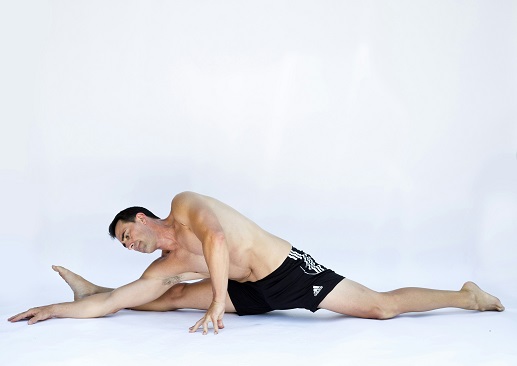

Introduction to Flexibility
Flexibility is defined as the ability of a joint to move through its full range of motion. In the realm of physical fitness, Flexibility improvement is a crucial component that significantly contributes to overall health and wellness. It involves not only the muscles but also the connective tissues surrounding the joints, making it vital for efficient movement patterns during physical activities. Enhancing flexibility through consistent stretching exercises is essential for athletes and individuals engaging in any form of physical activity. Improved flexibility is linked to better athletic performance, as it allows for a greater range of motion, enabling athletes to execute movements more effectively and with less effort. Whether it is running, dancing, or playing sports, flexible muscles facilitate smoother movements and can enhance speed and agility.
Furthermore, flexibility plays a pivotal role in injury prevention. Tight muscles are more susceptible to strains and injuries, which can derail training and impact performance negatively. By integrating stretching into a regular fitness routine, individuals can promote better muscle elasticity, reduce tension, and prepare the body for physical demands, thereby minimizing the risk of injuries. Stretching can also enhance recovery after workouts by relieving soreness and stiffness.
In daily activities, flexibility contributes to improved mobility, making everyday movements more comfortable and efficient. Simple tasks such as bending down to pick up an object or reaching for something overhead can become easier with enhanced flexibility. Thus, it becomes evident that flexibility is not just an athletic attribute but a fundamental aspect of functional fitness, making it essential for everyone, regardless of their activity level.
Benefits of Stretching for Flexibility
Incorporating stretching exercises into a fitness regimen offers multiple advantages that contribute significantly to overall physical well-being. One of the primary benefits is the increased range of motion in the joints. Regular stretching helps to lengthen the muscles and connective tissues, leading to improved elasticity. This allows individuals to perform various activities with greater ease and efficiency. Research has shown that individuals who engage in consistent stretching routines experience enhanced performance in activities such as dancing, running, and other athletic endeavors.
Furthermore, stretching has been linked to improved posture. Muscle imbalances often arise from prolonged periods of sitting or repeated movements, leading to postural issues. By stretching the muscles that are typically tight—such as the hip flexors and chest muscles—individuals can promote realignment and reduce the risk of injuries caused by poor posture. Studies indicate that individuals who stretch regularly exhibit better spinal alignment and less discomfort related to spinal dysfunction.
Another significant advantage of stretching is the reduction of muscle tension. Stretching helps to relax the tightened muscles, which can be especially beneficial after intense workouts or prolonged periods of inactivity. By alleviating muscle tightness, stretching can contribute to a greater sense of relaxation and reduced discomfort, enabling a more favorable recovery process. Furthermore, exercises targeting flexibility can enhance blood circulation throughout the body. Improved circulation delivers more oxygen and nutrients to muscles, thereby promoting recovery and reducing fatigue. This circulatory benefit has been substantiated in various studies, highlighting how stretching can contribute to improved exercise performance and overall health.
Types of Stretching Exercises
Stretching exercises are crucial for enhancing flexibility and overall physical performance. Various types of stretching techniques are available, each with distinct purposes and execution methods. The primary types include static stretching, dynamic stretching, ballistic stretching, and proprioceptive neuromuscular facilitation (PNF).
Static stretching is perhaps the most commonly practiced form, involving holding a stretch at a specific position for an extended period, typically between 15 to 60 seconds. This method is highly effective for increasing muscle length and joint flexibility. It is recommended to perform static stretches after a workout as muscles are warm and more pliable, reducing the risk of injury.
Dynamic stretching, on the other hand, incorporates movement and is often performed as part of a warm-up routine. It involves active movements that progressively elongate the muscles while preparing them for performance. Examples include leg swings or arm circles. Dynamic stretching is beneficial for increasing blood flow and muscle temperature, thus improving flexibility and range of motion.
Ballistic stretching employs momentum to push muscles beyond their normal range of motion. Although it can be effective, this technique carries a higher risk of injury due to the use of bouncing or jerking movements. Therefore, it is less recommended for general practice but may be useful for athletes in controlled environments.
Lastly, proprioceptive neuromuscular facilitation (PNF) is a more advanced technique that combines stretching and contraction of muscle groups. Often conducted with a partner, PNF starts with a passive stretch followed by isometric contractions. This method has been shown to enhance flexibility and is typically used in rehabilitation settings or advanced training programs.
Each of these stretching types offers unique benefits depending on individual goals and contexts. Therefore, understanding their proper execution is essential for maximizing flexibility and preventing injuries.
Warm-up vs. Cool-down Stretching
Stretching exercises play an integral role in enhancing flexibility, and understanding the distinction between warm-up and cool-down stretching is essential for maximizing their benefits. Warm-up stretching is typically performed prior to physical activity to prepare the muscles and joints for upcoming exertion. This type of stretching often includes dynamic movements that increase blood flow, heart rate, and muscle temperature, priming the body for an efficient and effective workout. Incorporating warm-up stretches helps reduce the risk of injuries and improves overall performance by enhancing the range of motion.
Conversely, cool-down stretching occurs after a workout, serving to bring the body back to its pre-exercise state. This phase usually includes static stretches that focus on lengthening and relaxing the muscles worked during the activity. Cool-down stretching aids in decreasing muscle tension and stiffness, facilitating recovery by promoting blood circulation and reducing lactic acid buildup. This process is crucial for maintaining flexibility, as it prevents the muscles from becoming tight following vigorous exercise.
Both warm-up and cool-down stretching are essential components of a well-rounded fitness routine. A general guideline suggests that warm-up stretches should be dynamic and last around 5-10 minutes. In comparison, cool-down stretches should be static and can last anywhere from 5-15 minutes, targeting the major muscle groups used during the workout. Engaging in these practices not only supports better flexibility but also enhances overall athletic performance and well-being. Properly incorporating both types of stretching into your routine can lead to significant improvements in flexibility and physical health.
Essential Stretching Techniques for Flexibility
Improving flexibility is crucial for overall body performance and injury prevention. Incorporating specific stretching techniques into your daily routine can significantly enhance your flexibility over time. Below are several effective stretching exercises targeting key muscle groups such as the hamstrings, quadriceps, hip flexors, and upper body muscles.
Hamstring Stretch: To perform a hamstring stretch, sit on the floor with your legs extended straight in front of you. Gently lean forward from your hips while reaching towards your toes. Ensure your back remains straight, and hold this position for 20 to 30 seconds. Repeat this stretch two to three times on both legs.
Quadriceps Stretch: While standing, hold onto a wall or sturdy surface for balance. Bend one knee, bringing your heel towards your buttocks, and grab your ankle with your hand. Keep your knees aligned and draw your ankle closer to improve the stretch. Hold for 15 to 20 seconds, then switch to the opposite leg.
Hip Flexor Stretch: Begin in a lunge position with your right foot forward and your left knee on the ground. Shift your weight forward while keeping your torso upright to feel the stretch in your left hip. Maintain this position for 20 to 30 seconds, then switch sides. This stretch is particularly effective for opening up tight hips.
Upper Body Stretch: For an upper body stretch, stand or sit with your back straight. Clasp your hands together and reach upward, extending through your fingertips while slightly arching your back. Hold this position for 15 to 20 seconds. To further engage your upper body, lean to the left and right while keeping your arms over your head.
By regularly practicing these essential stretching techniques, individuals can develop improved flexibility, which contributes to better performance in various physical activities and a reduced risk of injury. Consistency is key, as flexibility improvements take time and dedication.
Creating a Stretching Routine
Developing a personalized stretching routine is essential for improving flexibility and achieving specific fitness goals. To begin, it is important to assess your current flexibility level. This self-assessment will help you understand which areas require more focus and which stretching techniques may best suit your needs.
Once you have gauged your flexibility, consider your fitness goals. Are you looking to enhance athletic performance, aid recovery, or simply increase overall mobility? Identifying your objectives will guide your choice of stretches and the intensity of your routine. A well-rounded routine typically includes a mix of static and dynamic stretches, targeting major muscle groups such as the hamstrings, quadriceps, shoulders, and back.
The recommended duration for each stretch is generally 15 to 30 seconds, allowing enough time for muscles to relax and elongate. For optimal results, aim to hold each stretch without bouncing, using controlled movements instead. Frequency is another key factor; incorporating stretching into your regimen at least three to four times per week will yield noticeable improvements in flexibility over time.
Progression is vital in any stretching routine, as it ensures continual improvement. After a few weeks of consistent practice, consider gradually increasing the duration of each stretch or incorporating more advanced techniques. Keeping a stretching log can further aid in tracking your progress, making it easier to see how your flexibility is improving.
In summary, creating a personalized stretching routine tailored to your individual fitness level and objectives is essential for achieving better flexibility. By prioritizing duration, frequency, and progression, you will cultivate a sustainable practice that advances your fitness journey.
Common Mistakes to Avoid
When engaging in stretching exercises for improved flexibility, it is crucial to be mindful of several common mistakes that can hinder progress and may even lead to injury. Recognizing these pitfalls can significantly enhance the effectiveness and safety of your stretching routine.
One prevalent mistake is overstretching. Many individuals believe that pushing their body beyond its limits will accelerate flexibility gains. However, overstretching places undue stress on muscles and ligaments, increasing the risk of strains or tears. To avoid this, it is essential to stretch to a point of mild tension rather than pain. Listening to your body’s signals and gradually increasing the stretch over time will yield better results while minimizing potential injuries.
Another frequent error is skipping warm-ups before stretching exercises. The muscles need to be heated up to function properly, and neglecting a proper warm-up routine can lead to stiffness and ineffective stretching. Engaging in light aerobic activity, such as brisk walking or gentle jogging for about five to ten minutes, prepares the body for flexibility exercises and enhances muscle elasticity.
Breathing techniques are also often overlooked during stretching routines. Improper breathing can lead to increased tension in the body, hindering the effectiveness of the stretch. It is advisable to breathe deeply and steadily, allowing the exhale to facilitate a deeper stretch. This not only promotes relaxation but also enhances blood circulation to the muscles, further aiding in flexibility development.
By avoiding these common mistakes—overstretching, skipping warm-ups, and neglecting breathing techniques—individuals can ensure a safer and more productive stretching experience. Practicing mindful stretching habits allows for better outcomes while minimizing the risk of potential injuries.
Supplementary Practices for Enhanced Flexibility
Improving flexibility is an essential aspect of physical fitness that can also enhance overall well-being. While stretching exercises are fundamental, incorporating supplementary practices such as yoga, Pilates, and massage therapy can significantly contribute to enhanced flexibility and overall physical health.
Yoga is a transformative practice that combines physical postures, breath control, and meditation. This ancient discipline not only helps in lengthening muscles but also promotes deep relaxation. The asanas, or poses, practiced in yoga help in increasing joint mobility and developing a greater range of motion. The focus on breath during yoga allows practitioners to deepen stretches, thereby facilitating better flexibility over time. Regular participation in yoga classes can lead to noticeable improvements in muscle elasticity and joint function.
Pilates, on the other hand, emphasizes core strength, alignment, and controlled movements. It incorporates various exercises designed to enhance flexibility by focusing on stretching and strengthening specific muscle groups. The emphasis on proper posture and controlled movements helps in reducing tension in the body while promoting long, lean muscle development. Much like yoga, Pilates encourages mindfulness during exercise, allowing practitioners to tune into their body’s capabilities, and gradually enhancing their flexibility.
Massage therapy is another supplementary practice that can greatly benefit those seeking to improve their flexibility. By working on tight muscles, a skilled massage therapist can release muscle tension and promote greater relaxation. Techniques such as deep tissue or myofascial release specifically target areas of tightness, enhancing blood flow and facilitating mobility. Regular massages can complement stretching exercises by alleviating soreness and preparing the muscles for further flexibility training.
Incorporating these supplementary practices into a flexible workout routine can offer a holistic approach to physical well-being, promoting not only improved flexibility but also a better quality of life.
Conclusion and Call to Action
In order to enhance overall physical performance and maintain a healthy lifestyle, incorporating stretching exercises into your daily routine is essential. Throughout this blog post, we have explored various stretching techniques that can significantly improve flexibility and contribute to body mobility. From static stretches to dynamic ones, each exercise serves a unique purpose and targets different muscle groups. The importance of consistency in performing these stretches cannot be overstated; regular practice fosters better results and allows your body to adapt progressively.
To get started on your journey towards improved flexibility, consider dedicating just a few minutes each day to perform a series of stretches. You may opt for a morning routine to energize your muscles or include stretches during breaks at work to relieve tension. Simple stretches such as the hamstring stretch, quadriceps stretch, and shoulder reaches can be easily integrated into your day without requiring extensive time or specialized equipment.
Moreover, to further enhance your stretching experience, document your progress over time. This not only serves as motivation but also helps identify which exercises yield the best results for your flexibility goals. We encourage you to share your stretching journey in the comments section below, discussing your favorite exercises, challenges faced, or improvements observed. Engaging with fellow readers can foster a supportive community that promotes health and wellness.
Ultimately, prioritizing flexibility through stretching exercises is a decision that pays off in numerous ways. By implementing a structured stretching routine, you empower yourself to lead a more agile, pain-free life. Now is the best time to commit to this beneficial practice and witness the transformation it can bring.

