

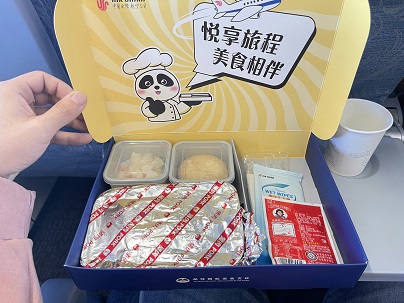

Introduction to Healthy Eating on the Go
Traveling is often an exciting adventure, but it can also present significant challenges, particularly when it comes to maintaining a healthy eating. The disruption of daily routines and easy access to unhealthy food options can lead to poor eating choices. For many travelers, the convenience of fast food and local snacks may seem appealing, but these options often lack the nutritional value necessary for overall health.
When away from home, it is common to encounter unexpected situations that can impact dietary habits. Long flights or road trips, unfamiliar environments, and the hustle and bustle of travel can all lead to hasty meal decisions and reliance on processed foods. In addition, social gatherings, celebrations, or local culinary experiences can encourage indulging in unhealthy meals. This variability can result in feelings of lethargy, digestive issues, and even stress, underscoring the need to prioritize nutrition while traveling.
Maintaining a healthy eating plan while on the go is essential for several reasons. Firstly, a nutritious diet helps support energy levels, preventing the fatigue that can accompany extensive travel. Furthermore, nutritional meals contribute to better mood regulation, a crucial factor when navigating the ups and downs of travel. Lastly, focusing on healthy eating can even enhance digestion and support the immune system, which is particularly important when adapting to new environments. Traveling does not have to signify a sacrifice in nutritional standards. By understanding the importance of healthy eating, travelers can better prepare themselves to make mindful decisions and enjoy delicious, nutritious meals wherever they may go.
Planning Ahead: The Key to Healthy Travel Meals
When embarking on a journey, planning ahead is essential to ensure that your meals remain healthy and balanced. One of the primary steps in this process is to conduct thorough research on dining options available at your travel destination. This includes exploring local restaurants, grocery stores, and markets where you may find nutritious and fresh food choices. Utilizing apps and websites dedicated to local cuisine can guide you in identifying establishments that prioritize healthy eating.
Additionally, packing healthy snacks is an effective strategy for maintaining a balanced diet while traveling. Consider including items such as nuts, dried fruits, protein bars, and whole grain crackers in your luggage. These snacks are not only compact and easy to carry, but they can also serve as a substantial alternative to high-calorie convenience foods typically found at airports or roadside stops. Having these nourishing snacks readily available can prevent hunger pangs and the temptation of unhealthy options.
While enjoying international cuisines, it is vital to be mindful of specific ingredients and cooking methods used in various dishes. For instance, opting for grilled meats over fried options, choosing whole grains such as brown rice or quinoa instead of white rice, and requesting dressings and sauces to be served on the side can significantly enhance the healthfulness of your meals. Many cultures offer a plethora of vegetable-based dishes that can be integrated into your dining choices. By being conscious of what to look for, you can ensure that your culinary adventures remain both enjoyable and health-conscious.
Choosing Healthy Snacks During Travel
Maintaining a healthy diet while traveling can be a significant challenge, especially when options are limited and fast food is often the go-to solution. However, selecting the right snacks to pack can help you navigate travel without compromising your nutritional goals. Aim for snacks that provide energy and sustenance without excess calories or added sugars.
One of the simplest and most portable choices is fresh fruit. Apples, bananas, and oranges are not only easy to carry but also offer essential vitamins and hydration. They contain fiber, which helps keep you feeling full and satisfied during long travel days.
Nuts are another excellent option as they are nutrient-dense and high in healthy fats, fiber, and protein. Almonds, walnuts, and pistachios, in particular, are great travel companions since they can withstand temperature changes and require no refrigeration. Just be mindful of portion sizes, as it is easy to overconsume calories when snacking on nuts.
Energy bars can be convenient as well, provided you choose wisely. Look for bars that are low in added sugars and made with whole ingredients like oats, nuts, and seeds. These bars can serve as a quick source of energy and are often fortified with vitamins and minerals that support overall health.
In addition to these options, consider packing yogurt or jerky for added protein. Yogurt can be found in convenient, single-serving containers, while jerky can provide a hearty snack that supports muscle maintenance during your travels. Whatever your choice, ensure that snacks are easy to carry, non-perishable, and appropriate for your travel duration.
Making Smart Choices at Restaurants
When dining out, making healthy choices can sometimes feel overwhelming due to the vast array of options available. However, with a few strategies in place, navigating restaurant menus becomes a more manageable task. One of the most effective methods is to practice portion control. Many restaurants serve portions that are considerably larger than a standard serving size. To combat this, consider sharing a dish with a dining partner or opting for an appetizer as your main course. This not only helps in reducing calorie intake but also allows you to savor the flavors without overindulging.
Another essential strategy is to choose grilled items over fried ones. Grilling typically uses less oil, which can significantly cut down on the added fat and calories associated with fried foods. For instance, selecting grilled chicken or fish instead of their fried counterparts can be a delightful and nutritious option. Moreover, when you scan the menu for options, be vigilant about menu terms that may indicate unhealthy choices. Words like “crispy,” “creamy,” or “buttered” often suggest dishes that are higher in calories and fat, while terms such as “roasted,” “steamed,” or “sautéed” usually denote healthier methods of preparation.
It’s also advisable to ask for dressings or sauces on the side. This small change gives you control over how much you consume and helps to limit hidden calories that can quickly add up. Additionally, consider seeking out establishments that prioritize healthy cooking methods or offer lighter menus. Many restaurants today provide nutritional information, which can further assist in making informed decisions. By keeping these strategies in mind, you can enjoy dining out while staying aligned with your healthy eating goals.
Staying Hydrated: The Importance of Water
Staying adequately hydrated is critical for maintaining good health, especially while traveling when individuals often find themselves in unfamiliar environments and potentially subjected to climatic changes that can lead to dehydration. Water constitutes around 60% of the human body, and its role in bodily functions cannot be overstated. It aids in digestion, nutrient absorption, circulation, and temperature regulation, making it essential for overall well-being.
Dehydration can occur quickly when traveling, particularly during long flights, road trips, or tropical vacations. Symptoms such as fatigue, dizziness, headaches, and impaired cognitive function can significantly detract from the travel experience. Therefore, it is crucial to remain vigilant about water intake throughout the journey.
To ensure sufficient hydration, travelers should consider carrying a reusable water bottle. Not only does this practice promote sustainability, but it also serves as a constant reminder to drink water regularly. Many airports and travel hubs have water refill stations, which provide a convenient way to stay hydrated without the necessity of purchasing bottled water, which can be costly and environmentally unfriendly.
Moreover, opting for water instead of sugary drinks is another effective strategy to maintain hydration. Sugary beverages can lead to spikes in blood sugar levels, resulting in subsequent crashes that may leave one feeling lethargic. Instead, choosing water or even herbal teas can help keep energy levels consistent without added sugars. Additionally, incorporating water-rich foods such as fruits and vegetables into meals can contribute to overall fluid intake. For instance, snacks like watermelon, cucumbers, and oranges not only provide hydration but also valuable nutrients.
In summary, prioritizing hydration while traveling is crucial for health and wellness. By being proactive and implementing practical solutions to ensure ample water consumption, travelers can enhance their overall experience and maintain their energy levels throughout their journeys.
Incorporating Physical Activity While Traveling
When traveling, it is essential to maintain a healthy lifestyle, which significantly includes incorporating physical activity into your daily routine. Staying active while on the road not only helps to counteract the effects of prolonged sitting during transportation but also boosts your overall mood and energy levels, making your travel experience more enjoyable.
One effective way to incorporate exercise into your travel plans is by participating in walking tours. Many cities offer guided walking tours that allow you to explore local attractions while engaging in a moderate form of exercise. This approach not only keeps you active but also immerses you in the culture and history of the destination. Alternatively, if you prefer to explore independently, consider using a fitness tracker to measure your steps, aiming for at least 10,000 steps a day.
Access to local gyms can also enhance your travel experience. Many hotels offer gym facilities, and if you are staying at an establishment without one, consider purchasing a day pass to a nearby gym. This opportunity allows you to maintain your usual workout regime, whether it involves weight training, cardio, or group classes. Additionally, researching local parks can provide a scenic backdrop for outdoor exercise. Jogging or doing yoga in a green space can be refreshing and an excellent way to appreciate your travel environment.
For those preferring to work out within the confines of their accommodations, short workouts in hotel rooms can be highly effective. Bodyweight exercises such as push-ups, squats, and planks require no equipment and can be completed within a limited timeframe. Moreover, many fitness apps provide quick and easily followed workout routines, ensuring that you stay active without needing much space or equipment. This flexibility makes it feasible to incorporate physical activity wherever your travels take you.
Cultural Considerations: Eating Healthy Around the World
Traveling offers a unique opportunity to experience diverse cultures through their cuisines. Each region of the world presents a wide array of foods, many of which can align with a healthy diet. Embracing local dishes not only enriches your travel experience but can also introduce you to a variety of nutritious options that promote overall well-being.
When exploring international cuisines, it’s essential to focus on fresh, whole ingredients that are staples in many traditional recipes. For instance, Mediterranean diets rich in fruits, vegetables, fish, and whole grains exemplify how local eating can lead to health-conscious choices. Similarly, Asian cuisines often incorporate fresh vegetables, lean proteins, and moderate portions, providing excellent examples of healthy eating habits that travelers can adopt.
Another approach to maintaining a healthy diet while traveling is to consider cooking styles. Many cultures emphasize grilling, steaming, or stir-frying while avoiding heavy oils and fats. You can easily request lighter preparations when ordering at restaurants or seek out street food that utilizes these healthier cooking methods.
Moreover, exploring local markets offers a chance to discover fresh produce and ingredients that support a healthy diet. Not only can you enjoy flavorful items, but sampling local fruits and vegetables can be both refreshing and wholesome. Opting for salads, grain bowls, or simple vegetable dishes is advisable while dining out, as these options tend to prioritize health without sacrificing taste.
While indulging in local delicacies is an integral part of the travel experience, being mindful of portion sizes and balance in your diet is crucial. Whenever possible, aim to incorporate a variety of food groups, allowing you to relish regional flavors while maintaining your health objectives. This balanced approach enables you to enjoy your journey without compromising on wellness.
Overcoming Challenges: Dealing with Temptations
Traveling often brings numerous delicious temptations that can derail one’s healthy eating goals. Fast food outlets, enticing local delicacies, and the convenience of snacks at airports or train stations can test even the most determined individuals. Understanding these challenges and having strategies in place is essential for maintaining a balanced diet while enjoying the travel experience.
One effective strategy is to plan ahead. Before embarking on a journey, research local food options that align with healthy eating habits. Look for restaurants that offer nutritious meals, and take note of grocery stores where wholesome snacks can be purchased. Utilizing food apps or websites that highlight healthy dining choices can assist travelers in making informed decisions while away from home.
Another vital approach is practicing portion control, especially when encountering tempting treats. Sharing meals with fellow travelers or opting for smaller portions allows individuals to indulge in local flavors without overindulging. Additionally, consider savoring a single dessert or feature dish rather than a full array of offerings. This balance can enhance the travel experience by allowing for taste exploration, while also keeping health goals in check.
Staying hydrated is another important tactic. Travelers often mistake hunger signals for thirst. Carrying a refillable water bottle and drinking water consistently can help to manage cravings and maintain energy levels. By keeping well-hydrated, one is less likely to opt for sugary beverages or unhealthy snacks.
Lastly, practice mindfulness while dining. Focus on the textures and flavors of food rather than eating absentmindedly. Taking the time to enjoy meals can lead to greater satisfaction and reduce the temptation to indulge excessively. Ultimately, by employing these strategies, travelers can navigate the challenges of unhealthy temptations while still enjoying their journey and making positive choices for their health.
Conclusion: Maintaining Healthy Habits After the Trip
Returning home after a trip can often lead to a swift departure from the healthy eating habits developed while on the road. However, integrating these habits into daily life is vital for sustained well-being. The experiences garnered from traveling can serve as an excellent foundation for adopting nutritious choices at home.
Throughout this blog post, we have explored various strategies to eat healthily while traveling, such as planning meals, making smart menu choices, and prioritizing hydration. These practices do not have to be limited to travel; they can easily be adapted to everyday life. By being mindful of portion sizes and opting for whole, minimally processed foods, individuals can maintain the same level of health consciousness even when they are not on the move.
Incorporating fresh fruits and vegetables, whole grains, and lean proteins into daily meals will not only help maintain energy levels but also improve overall health. Furthermore, setting aside time to prepare meals can reinforce the importance of healthy eating habits cultivated during trips. Meal prepping can also alleviate the temptation to revert to unhealthy quick-fix options when busy schedules arise.
Moreover, social support plays a significant role in sustaining healthy habits. Sharing your health goals with friends or family members can provide motivation and encouragement. Engaging in community activities, such as cooking classes or group fitness sessions, can further strengthen a commitment to maintaining these beneficial practices in daily life.
Ultimately, the key to healthy eating post-trip lies in consciously making choices that prioritize nutrition and well-being. By reflecting on the positive experiences of eating healthily while traveling, individuals can create a balanced lifestyle that embraces health, regardless of their geographical location.

