


Introduction to Home Workouts
The concept of home workouts has gained significant traction in recent years, particularly following the COVID-19 pandemic. With many gyms temporarily closing and social distancing becoming the new norm, individuals turned to home workouts as a practical alternative. This shift has led to a remarkable increase in interest and diversity of at-home fitness options, allowing people to maintain their physical health within the comfort of their own living spaces. Home workouts offer numerous advantages that attract a wide range of fitness enthusiasts. Firstly, convenience stands out as one of the primary benefits. Engaging in exercise routines at home eliminates the need for travel, enabling individuals to integrate workouts seamlessly into their daily schedules. As a result, adhering to a fitness routine becomes significantly easier, as exercise can be performed at any time that suits the individual.
Cost-saving is another pivotal factor contributing to the popularity of home workouts. Membership fees for gyms and studios can be a major financial burden, especially when coupled with transportation costs and the purchase of specialized gear. Home workouts require minimal equipment, and many effective routines can be completed using bodyweight exercises or inexpensive tools such as resistance bands and dumbbells. This affordability makes fitness more accessible to a larger audience.
Furthermore, personalized workout schedules are a tremendous benefit associated with exercising at home. Individuals can tailor their fitness plans to match their specific goals, preferences, and timelines without being constrained by group classes or gym hours. Whether someone prefers a high-intensity interval training session, yoga, or strength training, home workouts can easily accommodate various interests and fitness levels. Overall, the growing popularity of home workouts reflects a transformative shift towards more flexible, cost-effective, and individualized approaches to maintaining physical fitness.
Types of Effective Home Workouts
Home workouts have gained immense popularity due to their flexibility and the convenience they offer. Various types of home workouts cater to different fitness levels and personal goals, ensuring that there is something suitable for everyone.
Bodyweight exercises are a fundamental approach that utilizes one’s own weight for resistance. These workouts are highly adaptable and can be tailored to suit beginners and advanced enthusiasts alike. Common bodyweight exercises include push-ups, squats, lunges, and planks, which can be performed anywhere without the need for equipment.
Resistance training is another effective type of home workout. This can involve using free weights, resistance bands, or even household items like filled water bottles to create resistance. It helps in building lean muscle and improving metabolic rate, making it a vital component for those aiming for strength enhancement.
High-Intensity Interval Training (HIIT) has also become a favored choice among home fitness aficionados. HIIT workouts consist of short bursts of high-intensity activity followed by fixed periods of rest or lower intensity exercise. This format allows for efficient calorie burning and cardiovascular conditioning, making it suitable for those pressed for time.
For those seeking a more calming yet effective form of exercise, yoga and Pilates are excellent home workout options. Yoga emphasizes flexibility, balance, and overall mental wellness, while Pilates focuses on core strength and stability. Both practices can be performed without specialized equipment and are adjustable to cater to various fitness levels.
Incorporating these types of home workouts into one’s routine not only supports fitness goals but also promotes a healthier lifestyle without the necessity of a gym membership or extensive equipment. The key is to select a combination that aligns with personal preferences and objectives.
Designing Your Home Workout Space
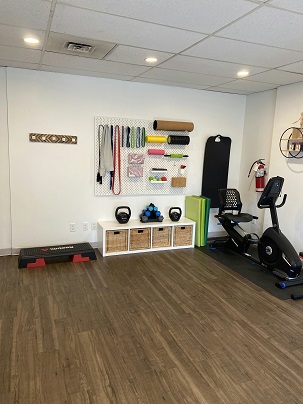
Creating an effective workout space at home is essential for maximizing the benefits of your exercise routine. The first step in this process is to select the right location. Choose a spot that provides enough space for movement and is free of distractions. Ideally, this should be a well-lit area with good ventilation, as these factors significantly impact the motivation and comfort level during workouts.
Another crucial aspect of designing your home workout space is maintaining cleanliness and organization. A clutter-free environment not only helps in focusing better but also promotes safety while exercising. Regularly tidying up your workout area will make it more inviting and encourage consistency in your routine. Additionally, you should ensure that your chosen location is equipped with the necessary essentials, such as exercise mats, weights, resistance bands, or any other equipment pertinent to your workout regimen. Having these items readily accessible reduces the likelihood of skipping workouts due to inconvenience.
Furthermore, consider personalizing your workout space to enhance motivation. You might include a mirror to monitor your form or play music to keep your energy levels high. In addition, inspirational quotes or visuals can provide a psychological boost and keep you committed to your fitness goals. An aesthetically pleasing environment, filled with elements that inspire you, can transform a mundane exercise routine into an engaging and enjoyable experience.
In summary, a well-designed home workout space should reflect your individual needs and preferences while incorporating essential elements for effective exercise. By carefully selecting the right location, maintaining cleanliness, and equipping your space with the necessary workout gear, you can create an ambiance that fosters productivity and success in achieving your fitness ambitions.
Creating a Structured Home Workout Plan
To create an effective home workout plan, it’s essential to start by identifying your fitness goals, which may include weight loss, strength building, or enhancing flexibility. Once you have a clear understanding of your objectives, you can tailor a fitness routine that aligns with these goals.
For weight loss, consider integrating a mix of cardiovascular workouts and resistance training. Activities such as high-intensity interval training (HIIT) can elevate your heart rate and maximize calorie burns in shorter periods. If strength building is your focus, aim for a regimen that includes bodyweight exercises, like push-ups and squats, or resistance band routines that gradually increase intensity. For flexibility, incorporate stretching exercises and yoga throughout your week to improve mobility and reduce the risk of injury.
A well-balanced workout plan should include a variety of exercise types spread throughout the week. It is advisable to break your routine into different categories: strength training, cardio, and flexibility training. This can ensure that overuse injuries are minimized and muscle groups are engaged effectively. A common recommendation is to dedicate at least three days a week to strength training, complemented by two to three days of cardiovascular exercise.
In setting the structure of your workouts, do not overlook the significance of rest days. Rest is crucial for recovery and muscle growth. It allows your body to repair itself after intense workouts. Scheduling at least one or two rest days per week can help in maintaining long-term adherence to your fitness plan while preventing burnout.
By creating a structured workout plan that is tailored to your goals, incorporating rest days, and balancing various types of workouts, you can foster a sustainable fitness routine that leads towards the achievement of your desired outcomes.
Incorporating Technology for Better Results
As individuals increasingly turn to home workouts, leveraging technology can significantly enhance the effectiveness and efficiency of these fitness routines. Fitness apps have gained immense popularity, providing tools that offer tailored workout plans, track progress, and even assist in nutritional planning. Apps like MyFitnessPal and Lose It! are excellent for tracking caloric intake and macronutrient balance, helping users align their diets with their fitness goals.
For guided workout sessions, platforms like Peloton and Nike Training Club present a variety of classes ranging from strength training to yoga, accommodating different skill levels and preferences. These applications not only provide expert-led training but also allow users to join live classes or follow on-demand workouts, ensuring that motivation remains high. Moreover, many of these apps incorporate progress tracking features that visualize improvements over time, which can motivate users to stay consistent in their routines.
Additionally, wearable technology, such as fitness trackers and smartwatches, has revolutionized the way exercise is monitored. Devices like Fitbit and Apple Watch offer features that track steps, heart rates, and overall activity levels, translating data into actionable insights. Users can set personalized goals and receive real-time feedback, making exercise more engaging and motivating.
Video streaming platforms, including YouTube, also host a plethora of workout channels that cater specifically to home fitness needs. From HIIT sessions to Pilates routines, this accessibility ensures there’s something for everyone. With countless videos available, users can easily explore new workouts or follow structured programs at their own convenience.
In conclusion, incorporating technology, through fitness apps, wearables, and online classes, significantly enhances home workout experiences. Users can track their progress, engage in guided sessions, and receive tailored nutrition advice, all contributing to achieving their fitness goals effectively.
Common Mistakes to Avoid When Working Out at Home
Working out at home can provide immense flexibility and convenience, but it also presents unique challenges. One major pitfall individuals often encounter is a lack of motivation. The home environment offers numerous distractions, which can derail even the most disciplined fitness enthusiasts. To combat this, it is crucial to establish a consistent workout schedule and create a dedicated space where you can exercise without interruptions. Treating your workout time with the same importance as a scheduled meeting can help maintain accountability.
Another common mistake is exercising with improper form. Without the oversight of a fitness instructor, it can be easy to perform exercises incorrectly, increasing the risk of injury. To ensure correct form, consider using online resources such as workout videos or fitness apps that demonstrate exercises properly. Alternatively, seeking virtual coaching from fitness professionals can provide personalized guidance and feedback, helping you perform movements safely and effectively.
Additionally, skipping warm-ups and cool-downs is a frequent error made by those working out at home. Warm-ups are essential for preparing your body for exercise, increasing blood flow and reducing the risk of injury. Similarly, cool-downs facilitate recovery, helping to prevent soreness and stiffness. Allocate time before and after your workout for dynamic stretches or light cardio to maximize your performance and recovery.
Lastly, ensure that you set realistic goals and track your progress. Home workouts should be continuously engaging; varying your routine can prevent boredom and encourage adherence. By recognizing these common pitfalls and implementing effective strategies, you can optimize your home workout experience and achieve your fitness goals.
Real-Life Success Stories
In recent years, an increasing number of individuals have embraced home workouts, leading to remarkable transformations and success stories that deserve recognition. One such story comes from Sarah, a working mother of two, who struggled to find time for the gym. Sarah started her fitness journey with twenty-minute high-intensity interval training (HIIT) sessions three times a week in her living room. With dedication and consistency, she lost over twenty pounds in just three months and gained the energy to keep up with her children.
Another inspiring example is James, a college student who turned to home workouts during the pandemic. Utilizing bodyweight exercises alongside online workout apps, James discovered a passion for fitness that he had previously overlooked. By setting specific fitness goals and following structured routines, he not only enhanced his strength but also built a supportive online community with fellow fitness enthusiasts. His journey resulted in a significant increase in both physical and mental resilience.
Moreover, there’s the story of Linda, a retiree who found joy in Pilates and yoga through at-home video sessions. Initially struggling with mobility issues, she was determined to improve her health as she aged. With a commitment to regular practice and creativity in adapting exercises to her capabilities, Linda significantly improved her flexibility and reduced chronic pain, leading to a newfound sense of independence.
These stories exemplify the power of commitment and creativity in achieving fitness goals through home workouts. Participants have demonstrated that it is truly possible to substitute traditional gym environments with the comfort of home while attaining impressive results. As evidenced by these transformations, whether through a quick HIIT session, engaging online classes, or gentle yoga flows, home workouts provide an effective way to prioritize health and well-being across various life stages and circumstances.
Incorporating Family and Friends into Workouts
Engaging family members or friends in home workouts can transform an otherwise solitary experience into a more enjoyable and motivating venture. This social aspect not only makes exercising fun but also promotes accountability, ultimately leading to better fitness adherence. Working out with others can enhance communication and support, foster a sense of camaraderie, and motivate individuals to push themselves further.
One effective way to incorporate family or friends is to set up group workout sessions, which can be tailored to suit different fitness levels and preferences. Activities such as circuit training, dance sessions, yoga, or even outdoor runs can be adapted to include various participants and ensure that everyone is involved. Additionally, establishing a routine where workouts occur on specific days allows members to build a consistent schedule together.
Another engaging approach is to create friendly fitness challenges. This could include step challenges, where participants aim to achieve a certain number of steps in a week, or exercise bingo, where different workouts are marked on a bingo card. These fun competitions can spark enthusiasm and create an environment where everyone feels motivated to participate. Furthermore, it allows for creativity since challenges can be customized based on the interests and goals of the group.
Virtual group workouts are also increasingly popular. Utilizing video conferencing platforms, family members or friends can connect and exercise together, even from different locations. This not only maintains social interaction but also provides an opportunity to support and encourage one another despite physical distance. The variety of activities and formats that can be explored ensures that the exercises remain engaging and enjoyable, further solidifying the commitment to a healthier lifestyle.
Conclusion and Encouragement to Start
Embarking on a home workout routine can be a transformative experience that leads to improved physical fitness and overall well-being. The benefits of exercising at home extend beyond mere convenience; it offers flexibility, accommodating your schedule while providing the comfort of your personal space. Additionally, without the pressure of a gym environment, individuals may find it easier to push their limits and explore various exercises that cater to their unique preferences.
One of the most significant advantages of home workouts is the potential for cost savings. By eliminating gym membership fees and commuting expenses, you can invest in effective workout equipment or online fitness resources, which can significantly enhance your training experience. Furthermore, home workouts empower you to design a routine that aligns with your specific goals, whether that’s building strength, boosting endurance, or simply maintaining a healthy lifestyle.
To achieve your fitness goals, it is imperative to adopt a mindset rooted in consistency and dedication. Start by setting realistic objectives, breaking down your larger goals into manageable steps. This can range from committing to a short daily yoga session to gradually progressing to more challenging workouts. Monitor your achievements, and celebrate even the smallest milestones, as these will serve as motivating reminders of your progress.
Moreover, surrounding yourself with a supportive community, whether through social media or virtual workout partners, can significantly enhance your motivation levels. Engaging with others in similar pursuits allows for shared experiences, encouragement, and accountability, reinforcing your commitment to a healthier lifestyle.
In summary, taking that initial step towards a home workout routine can yield substantial rewards. With dedication and a focus on consistency, you can cultivate a fulfilling home workout experience that lasts a lifetime. So, lace up your sneakers and embrace the journey ahead!

