

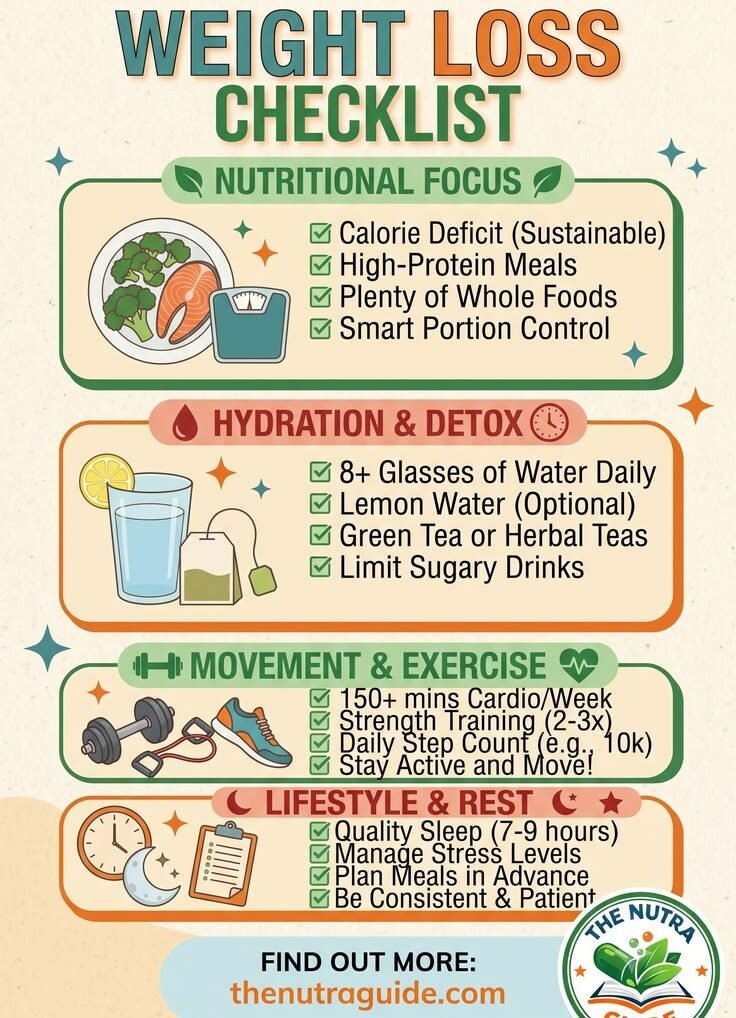

Understanding Weight Control
Weight control encompasses various practices and behaviors aimed at maintaining a healthy body weight over time. It is important to differentiate between weight loss and weight maintenance, as both require different approaches. Weight loss typically focuses on reducing body weight, often through caloric restriction and increased physical activity. In contrast, weight maintenance involves sustaining a stable weight after achieving weight loss. This can be particularly challenging, as the body naturally tends to regain lost weight due to physiological processes.
Long-term strategies for weight control are essential for several reasons. Firstly, they promote a healthier lifestyle that can lead to improved physical and mental well-being. Sustainable practices such as balanced eating, regular exercise, and mindful habits not only help in maintaining weight but also contribute to overall health. Moreover, adopting long-term strategies can mitigate the risks associated with yo-yo dieting, wherein individuals repeatedly lose and regain weight, which can have negative impacts on metabolism and body composition.
Another critical aspect of weight control is understanding metabolism and the various individual factors that influence it. Metabolism refers to the biochemical processes that convert food into energy, and it can vary greatly among individuals. Factors such as age, gender, genetics, and hormonal changes play significant roles in determining one’s metabolic rate. For instance, a slower metabolism may make it more challenging for some individuals to maintain a healthy weight. Additionally, lifestyle factors such as sleep quality, stress levels, and physical activity also impact metabolism.
Ultimately, recognizing these individual differences is crucial for devising personalized weight control strategies. By understanding weight control as a dynamic process rather than a one-time goal, individuals can adopt healthier habits that will last a lifetime.
The Importance of Nutrition
Nutrition plays a vital role in long-term weight control and overall health. A well-balanced diet is crucial, as it ensures that the body receives the necessary nutrients to function effectively. This involves incorporating a variety of food groups, including fruits, vegetables, whole grains, lean proteins, and healthy fats. Each of these groups contributes essential vitamins, minerals, and antioxidants that support metabolic processes and promote a healthy weight.
Portion control is another critical aspect of nutrition that significantly influences weight management. Understanding appropriate serving sizes helps individuals avoid overeating while still enjoying a variety of foods. Using tools such as measuring cups or visual cues can aid in maintaining these portion sizes, thereby supporting sustainable weight control efforts. Additionally, individuals should pay attention to hunger and satiety cues, as this can help prevent unnecessary snacking or overeating during meals.
Different food groups impact body weight in various ways. For instance, protein-rich foods can enhance feelings of fullness, making them an effective choice for weight management. Conversely, processed foods high in sugars and unhealthy fats can lead to weight gain and should be consumed sparingly. It is also important to be mindful of the glycemic index of foods, as those with a lower index release energy more steadily, which can help maintain stable blood sugar levels and reduce cravings.
To create a sustainable eating plan, individuals can start by setting realistic dietary goals and gradually incorporating healthier choices into their meals. Meal planning, preparing food in advance, and educating oneself about nutrition can also encourage better eating habits. By prioritizing nutrient-dense foods and practicing portion control, individuals can foster an environment conducive to long-term weight control.
Incorporating Physical Activity
Regular exercise plays a crucial role in maintaining a healthy weight and supporting overall well-being. Engaging in physical activity not only helps to burn calories but also contributes to the development of muscle mass, which in turn can increase metabolic rate. Various types of physical activities can be incorporated into daily routines, including aerobic exercises, strength training, and flexibility workouts. Each type offers unique benefits and can be tailored to individual preferences and fitness levels.
For effective weight control, health authorities generally recommend at least 150 minutes of moderate-intensity or 75 minutes of high-intensity aerobic activity each week. This can be supplemented with muscle-strengthening activities on two or more days a week. Activities such as walking, jogging, cycling, swimming, and dancing can all contribute to this goal. Moreover, integrating strength training, such as weight lifting or bodyweight exercises, enhances muscular endurance and bone density, further supporting a balanced weight management strategy.
To make physical activity enjoyable and sustainable, it is important to find activities that resonate with personal interests. This could involve participating in group classes, joining a sports team, or exploring outdoor activities like hiking or kayaking. Setting realistic goals and tracking progress can add motivation, while varying routines can prevent monotony. Additionally, incorporating physical activity into daily life, such as walking or biking to work, taking the stairs instead of the elevator, or even engaging in active family outings, further promotes consistent participation.
In conclusion, incorporating regular physical activity is essential for long-term weight control. By exploring different types of exercise, adhering to recommended guidelines, and focusing on enjoyment, individuals can develop an active lifestyle that supports their weight management goals effectively.
Building Mindful Eating Practices
Mindful eating is an approach that encourages individuals to pay full attention to their eating experience. This practice involves being present during meals, which can significantly aid in recognizing hunger cues, reducing instances of emotional eating, and making informed food choices. By practicing mindfulness, individuals can cultivate a deeper awareness of their body’s needs and emotional triggers related to food.
One of the pivotal aspects of mindful eating is the ability to discern true physical hunger from emotional cravings. Many people eat in response to stress, boredom, or negative emotions rather than actual hunger. Mindful eating encourages one to pause and reflect before reaching for food, allowing individuals to ask themselves whether they are truly hungry or simply responding to an emotional cue. This heightened awareness often leads to less compulsive eating habits and a more balanced relationship with food.
To integrate mindfulness into mealtime, several practical techniques can be employed. First, setting aside time for meals without distractions can enhance focus. This may include turning off the television, putting away mobile devices, and creating a peaceful dining environment. Second, slowing down the pace of eating by chewing each bite thoroughly allows for a more satisfying experience and gives the brain time to register fullness. Another method is to engage in gratitude before meals, which helps to foster a positive mindset toward food.
Additionally, taking a moment to savor flavors and textures can deepen one’s appreciation for what is being eaten, transforming meals into more than just a routine task. When food is regarded as a source of nourishment rather than merely sustenance, the overall eating experience becomes more mindful. By incorporating these practices, individuals can develop healthier, more sustainable habits that contribute to long-term weight control.
Setting Realistic Goals
Setting realistic weight control goals is a foundational aspect of achieving long-term success in managing one’s weight. The creation of effective weight control objectives not only enhances motivation but also sets a clear pathway toward achieving desired results. One effective framework for establishing these objectives is the SMART criteria, which stands for Specific, Measurable, Achievable, Relevant, and Time-bound.
When developing weight control goals, it is essential to be specific about what you wish to accomplish. Instead of stating a vague goal such as “I want to lose weight,” a specific goal might be, “I aim to lose 10 pounds in three months.” This clarity helps focus efforts on defined outcomes. Additionally, the goal should be measurable, which allows individuals to track their progress over time. For example, setting a target of losing one to two pounds per week provides an easily measurable benchmark.
Achievability is another critical element of goal setting. It’s crucial to consider your lifestyle, current health status, and available resources when determining whether a goal is achievable. Unrealistic goals can lead to frustration and disappointment. It is advisable to create goals that challenge but are still within reach. Next, ensure your goal is relevant to your overall health and weight control strategy. For instance, if your primary aim is to improve overall fitness, your goal might involve incorporating more exercise rather than focusing solely on weight loss.
Finally, a goal should be time-bound to create a sense of urgency. Setting deadlines can encourage commitment and persistence. Regularly reviewing and adjusting goals as needed can help maintain motivation over time. By understanding and applying these SMART guidelines, individuals can set realistic and sustainable weight control goals, leading to lasting lifestyle changes.
Creating a Support System
Establishing a solid support system is essential for individuals aiming to maintain long-term weight control. A reliable network can provide encouragement, motivation, and accountability, significantly influencing one’s journey towards healthier habits. Friends, family, and peers can act as both a source of inspiration and a cushion during challenging times. Furthermore, joining weight loss groups or online communities can foster a sense of belonging, which is critical in sustaining motivation over time.
One of the primary benefits of social support in weight control is the accountability it creates. When individuals share their goals with others, they are more likely to adhere to those objectives. This accountability can come from regular check-ins with friends or participating in group sessions where members share their progress and challenges. Additionally, having someone to celebrate successes with—even small milestones—can enhance motivation and commitment to a weight management plan.
Engaging in activities with supportive individuals can also enhance one’s enjoyment of healthy behaviors. Whether it’s cooking nutritious meals together, participating in group exercise classes, or simply sharing healthy recipe ideas, the involvement of a social circle makes these activities more enjoyable and sustainable. Moreover, the shared experiences help individuals realize they are not alone in their challenges. When facing obstacles, they can lean on one another for support and solutions, which is often a key to overcoming barriers.
To cultivate a supporting environment, individuals should actively seek connections through various channels. These may include local fitness clubs, community centers offering cooking classes, or online forums dedicated to weight loss and healthy living. Engaging with like-minded individuals not only builds beneficial relationships but can also lead to a deeper understanding of the shared journey towards lasting weight control.
Tracking Progress Effectively
Maintaining effective weight control requires consistent and accurate tracking of both dietary intake and physical activity. By systematically documenting these aspects, individuals can gain valuable insights into their habits and make informed adjustments as needed. Various methods exist for tracking progress, each offering unique advantages and ways to maintain motivation during the weight management journey.
One of the most popular techniques is the utilization of food diaries or mobile applications. These tools allow individuals to log their meals, including portion sizes and nutritional content. By doing so, they can identify patterns in their eating behaviors, which may contribute to weight gain or hinder weight loss. Moreover, mobile applications often come equipped with features to scan barcodes and automatically calculate calories, enhancing accuracy and convenience.
Another effective strategy is to record physical activity through wearable devices or fitness trackers. Such devices monitor daily steps, workouts, and calories burned, providing individuals with feedback on their level of physical activity. This information enables individuals to assess whether they are meeting their fitness goals and encourages greater accountability.
While tracking is crucial, it is equally important to approach progress assessment holistically. Focusing solely on the number on the scale can lead to discouragement, especially when weight fluctuations are common due to factors such as water retention or muscle gain. Instead, individuals should consider other metrics of success, such as improved stamina, increased strength, or how clothes fit. Regularly reflecting on non-scale victories can help maintain motivation and foster a positive mindset.
Ultimately, the key to effective tracking lies in finding a method that aligns with personal preferences and lifestyle. By embracing a variety of tracking tools and techniques, individuals can better understand their habits, celebrate achievements, and navigate the complexities of weight control without feeling overwhelmed.
Overcoming Plateaus and Setbacks
Weight control is often a journey filled with challenges, particularly when individuals encounter plateaus and setbacks. A plateau refers to a period during which weight loss stalls despite continued efforts in diet and exercise, while setbacks can involve regaining weight after achieving initial goals. Both scenarios can be discouraging, but they are common experiences in the process of long-term weight management.
To effectively navigate through these hurdles, it is crucial to adopt a resilient mindset. Recognizing that plateaus are a normal part of weight control can help mitigate feelings of frustration. Instead of viewing a plateau as a failure, it can be beneficial to reassess your current strategies. This might involve re-evaluating dietary choices, modifying exercise routines, or setting new fitness goals. Small adjustments, such as incorporating new types of physical activity or altering portion sizes, can reignite progress.
Another effective strategy is to maintain motivation by celebrating non-scale victories. These can include improvements in physical fitness, stamina, or mental well-being. Acknowledging these milestones fosters a positive mindset and reinforces the commitment to healthy habits. Additionally, involving a support system can be instrumental in overcoming setbacks. Engaging with friends, family, or support groups creates accountability and encouragement, which are vital for maintaining motivation during challenging times.
Furthermore, focusing on long-term health rather than solely on weight loss can create a more sustainable path. Emphasizing overall wellness, including mental health, nutrition, and physical activity, encourages a balanced approach. Ultimately, the journey to weight control involves ups and downs; the key lies in resilience and adaptability. With the right strategies and support, overcoming plateaus and setbacks is not just possible—it becomes an opportunity for growth and renewed dedication to health goals.
Sustaining Change for Lifelong Health
Maintaining healthy habits for long-term weight control is often regarded as a journey rather than a destination. This perspective encourages individuals to view their lifestyle changes as an integral part of their daily lives rather than a temporary phase. Sustaining such habits requires a balance of commitment, knowledge, and patience, recognizing that setbacks may occur, but perseverance is key.
One crucial element of sustaining change is the establishment of realistic and achievable goals. Rather than pursuing drastic measures that may lead to quick fixes, focusing on small, incremental changes can foster lasting results. For instance, incorporating regular physical activity into daily routines and gradually adjusting dietary choices can create a more manageable approach to weight control. Celebrating these small victories can provide the motivation needed to continue along this path.
In addition, building a supportive environment is essential. Surrounding oneself with individuals who promote and engage in healthy habits can significantly enhance one’s motivation and accountability. Whether through family, friends, or community groups, establishing a network that encourages sustainable practices can lead to more successful outcomes.
Moreover, continuous education about nutrition and fitness plays a vital role. Understanding the science behind weight control, such as the impact of various foods on metabolism and appetite, empowers individuals to make informed decisions. Engaging with credible resources can further solidify healthy practices as part of one’s lifestyle.
In conclusion, the journey towards sustaining healthy habits for long-term weight control is an ongoing process, not just a brief commitment. By setting realistic goals, fostering a supportive environment, and continuously educating oneself, individuals can cultivate a lifestyle that promotes lifelong health and well-being. The benefits of adhering to these practices are profound, leading to improved health, increased energy, and enhanced quality of life.

