

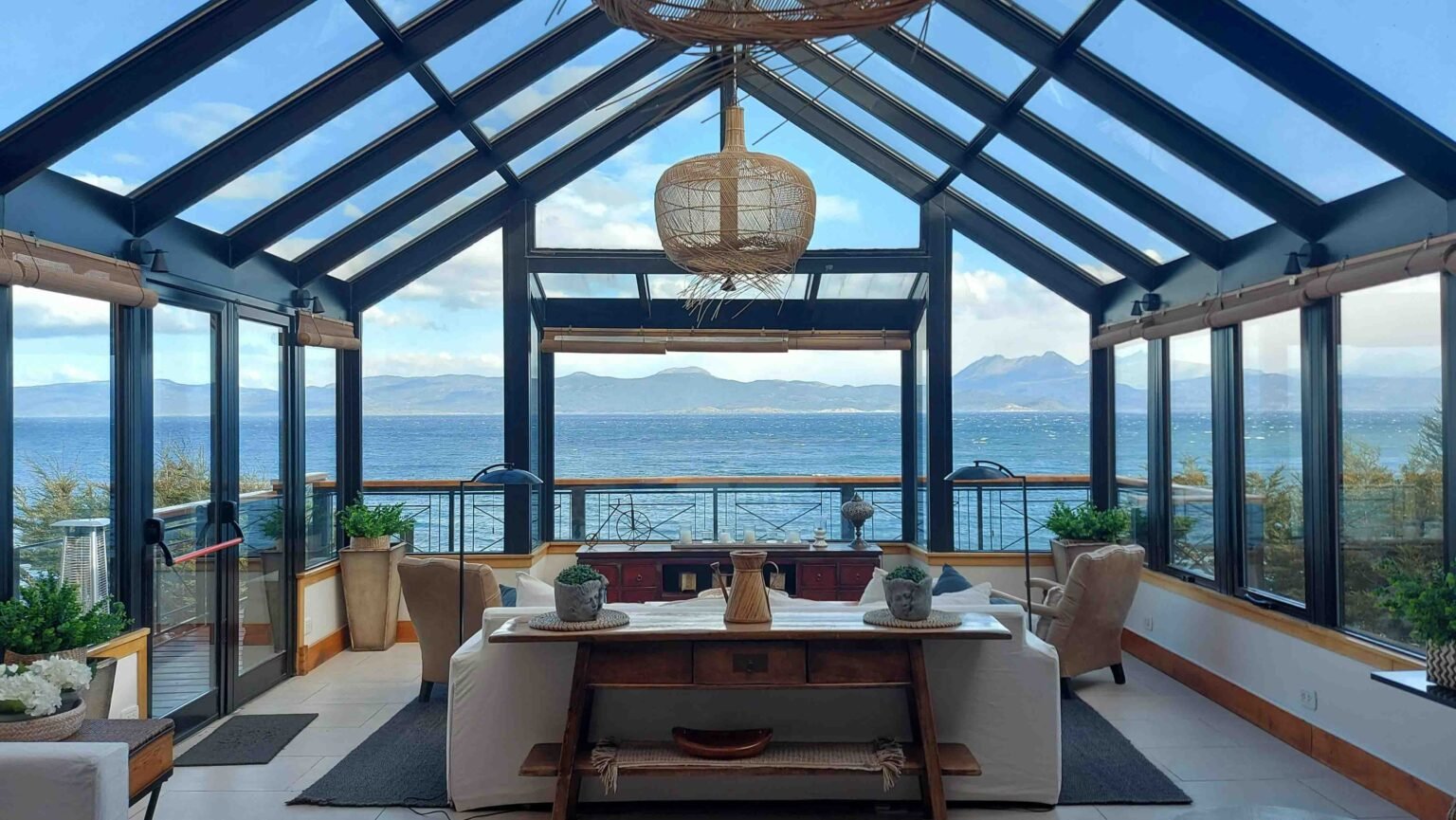

Introduction to Sunrooms: The Benefits of Adding One
Sunrooms, often referred to as solariums or garden rooms, serve as an attractive and functional extension of your home. These versatile spaces offer a multitude of advantages, transforming the perception of living areas by incorporating natural light and the surrounding views into daily life. Homeowners considering planning to add a sunroom design are likely to experience a positive impact on both their quality of life and the value of their property.
One of the most notable benefits of a sunroom is its ability to enhance the living space. By integrating a sunroom, homeowners can create additional areas for relaxation, entertainment, or other activities, such as reading or gardening. This newfound space allows for creative flexibility, accommodating various needs and personal styles, which is essential when undertaking a thoughtful sunroom design.
In addition to providing extra living space, sunrooms function as a conduit for natural light. The warm glow of sunlight has been shown to improve mood and overall well-being, making a sunroom an inviting spot for family gatherings or personal retreats. Large windows and glass doors typically characterize these rooms, which can further facilitate connections with the outdoor landscape, promoting a sense of tranquility in a busy world.
Furthermore, investing in a well-designed sunroom can significantly enhance a home’s market value. Potential buyers often appreciate the allure of an additional room that offers both visual appeal and function, thus making a property more attractive on the real estate market. Thoughtful sunroom design can reflect a homeowner’s tastes while also being seen as a valuable asset.
In conclusion, adding a sunroom not only fulfills a desire for enhanced living spaces but also embodies the opportunity for creativity in design. With careful planning and consideration, a sunroom can cater to individual preferences and elevate the overall living experience within a home.
Types of Sunrooms: Which One is Right for You?
When planning to add a sunroom design to your home, understanding the types available is crucial. Each sunroom variation offers unique benefits, costs, and usability depending on your lifestyle and the climate you reside in. The three main types to consider are three-season sunrooms, four-season sunrooms, solariums, and screened-in porches.
A three-season sunroom is an ideal choice for those who want to enjoy the outdoors without exposure to the elements for most of the year. Typically constructed with insulated walls and double-pane glass, this type allows for comfort during spring, summer, and fall. However, during winter, these spaces may become uninhabitable due to colder temperatures, so budget-minded homeowners can consider it a cost-effective option.
In contrast, four-season sunrooms are designed to be used year-round. With better insulation and high-quality materials, these sunrooms can be heated and cooled just like your home, allowing for year-round enjoyment. While the upfront investment for a four-season sunroom is typically higher than that of a three-season model, the additional functionality may justify the cost for many families.
Moving on to solariums, these are essentially greenhouses made for enjoyment and relaxation. With extensive glass panels, solariums maximize sunlight entry and can be a perfect environment for plant enthusiasts. However, they may require additional heating solutions in colder climates, elevating both operational costs and initial investments.
Lastly, screened-in porches offer a more budget-friendly solution while still providing a connection to the outdoors. With screened walls, these porches limit exposure to insects while allowing fresh air to circulate. Although they do not provide the same year-round utility as other sunroom designs, they remain popular for those seeking a casual outdoor space. Ultimately, when planning your sunroom design, consider your specific needs, climate, and budget to find the option that best aligns with your vision.
Choosing the Right Location for Your Sunroom
When planning to add a sunroom design to your home, selecting the appropriate location is crucial for maximizing its functionality and aesthetics. The first consideration should be sunlight exposure. A sunroom typically thrives with abundant natural light, making eastern or southern exposures ideal, as they receive sunlight throughout the day. Enjoying morning light can create a warm and welcoming space, while evening light can enhance the ambiance during sunset hours.
Another important factor is the view. Positioning your sunroom to frame beautiful landscaping, gardens, or natural vistas will create a serene atmosphere. Conversely, avoid areas that may expose you to noisy streets or undesirable sights, which could detract from the experience of enjoying your sunroom.
Privacy is yet another essential aspect. Ensure that your sunroom isn’t too close to neighboring properties or lines of sight that could compromise your comfort. Landscaping elements such as trees or shrubs can be employed to create a natural barrier while enhancing the aesthetic of the area.
Accessibility to the main house is also vital. The location should allow for easy access to the rest of your home, facilitating a seamless transition between the indoor and outdoor areas. Consider situating your sunroom near existing doors or main living spaces to encourage frequent use.
Furthermore, incorporating the sunroom design with the existing architecture of your home not only ensures visual harmony but can also enhance the overall appeal of your property. Consider matching the sunroom’s style and materials with your current building structure. By keeping these tips in mind, you can create a sunroom that is not only functional but also an inviting retreat in your home.
Design Considerations: Size, Layout, and Functionality
When planning to add a sunroom design to your home, several critical considerations come into play, particularly size, layout, and functionality. The size of the sunroom is essential, as it should be proportionate to the existing structure while providing ample space for its intended use. A well-scaled sunroom can enhance the overall aesthetic appeal of your home and allow for various activities without feeling cramped.
Layout is another vital component in sunroom design. A strategic arrangement fosters an inviting atmosphere and ensures efficient use of space. Consider the flow of movement; pathways should be natural and unobstructed, minimizing disruptions to the overall experience. Incorporating windows and doors in the design can also enhance light and connectivity to the outdoors, making the most of your sunroom’s purpose.
Functionality must not be overlooked. Identify the primary activities you envision taking place within the sunroom—whether for relaxation, entertaining guests, or pursuing hobbies like gardening. Each function may necessitate different seating arrangements, storage solutions, or decor elements. For instance, if the sunroom will serve as a peaceful retreat, then cozy chairs and stylish, multifunctional furniture should be prioritized. Alternatively, a sunroom designed for gatherings might benefit from ample seating and an open layout. Incorporating built-in storage can also help keep the space organized while providing room for gardening tools or entertainment essentials, which align perfectly with the overall sunroom design.
Choosing Materials and Building Techniques: What You Need to Know
When planning to add a sunroom design to your home, the choice of materials and building techniques plays a critical role in the overall aesthetic, functionality, and energy efficiency of the space. One of the primary considerations is the type of glass used. Options typically include tempered glass, low-E glass, and double-glazed units. Tempered glass is known for its safety and durability, whereas low-E glass can significantly reduce heat loss and control solar gain, making it an excellent choice for energy efficiency.
Framing materials also impact the sunroom’s performance. Wood has traditional appeal and offers natural insulation, yet it requires regular maintenance to prevent warping and decay. Aluminum frames are more durable and require minimal upkeep, but they can be less efficient thermally unless thermal breaks are incorporated. Vinyl, on the other hand, combines the best of both worlds, offering a strong, maintenance-free option with excellent energy performance.
It is crucial to consider energy-efficient options as they can drastically affect the comfort level of your sunroom. Insulation is an essential factor; proper insulative barriers must be employed in walls, floors, and ceilings to maintain temperature control. Additionally, ventilation systems must be carefully considered. Incorporating operable windows or skylights allows for airflow, reducing overheating during the hotter months.
In summary, choosing the right materials and building techniques is fundamental in sunroom design. Carefully evaluating the advantages and disadvantages of various options, including glass types, framing materials, and energy efficiency considerations, ensures that your sunroom not only meets aesthetic goals but is also a functional and comfortable space year-round.
When planning to add a sunroom design, aesthetics play a crucial role in creating a space that is both visually appealing and comfortable. To ensure that your sunroom harmonizes with the overall style of your home, consider a cohesive color scheme that reflects the existing decor. Neutral tones are often a safe choice, providing a versatile background, while accent colors can be introduced through furnishings and decorative elements.
Choosing the right furniture is another important aspect of your sunroom design. Opt for pieces that not only complement your home’s interior but are also resistant to the effects of sunlight and humidity. Natural materials such as wicker or rattan can create a light and airy feel, ideal for a sunroom. Additionally, prioritize comfort by selecting cushions and throws that invite relaxation, ensuring that your sunroom becomes a haven for leisure and enjoyment.
When it comes to decorative elements, consider integrating plants and artwork that resonate with the sunroom’s ambiance. Houseplants not only enhance the aesthetic appeal but also improve indoor air quality, bringing a touch of nature indoors. Similarly, artwork can serve as a focal point, bridging the sunroom with the home’s overall design theme.
Lastly, selecting appropriate window treatments is vital in enhancing the functionality of your sunroom. Choose lightweight materials that allow for light filtration while ensuring privacy. For instance, sheer curtains or adjustable blinds can regulate sunlight, creating a comfortable atmosphere throughout the day. By thoughtfully selecting decorative elements, furnishings, and color schemes, your sunroom design will seamlessly blend with the rest of your home, promoting an inviting and cohesive living space.
Landscaping and Outdoor Integration: Creating a Seamless Flow
When considering sunroom design, one crucial aspect that often gets overlooked is the integration of outdoor spaces. A well-thought-out landscape can enhance the ambiance of a sunroom, creating a harmonious flow between the indoor and outdoor environments. Its effectiveness is evident in how it transforms both spaces, enabling them to complement one another and create an inviting atmosphere.
To begin with, it is essential to evaluate the available outdoor space surrounding the sunroom. Patios often serve as an ideal element to blend seamlessly with sunroom designs. Expanding the patio area just outside the sunroom can provide additional seating options, encouraging outdoor dining or lounging. Whether it be made of stone, brick, or concrete, a carefully designed patio can entice occupants to transition from the sunroom to the outdoors comfortably.
Furthermore, incorporating gardens around the sunroom can create a picturesque view. Consider utilizing native plants that thrive in your climate and require minimal maintenance. These can create a vibrant backdrop that enhances the experience of being indoors while simultaneously connecting inhabitants to nature. Flower beds or shrubbery placed strategically along walkways can guide the eye and create a more cohesive look.
Pathways are another feature that can bridge the gap between the indoor sunroom and outdoor landscapes. Utilizing materials such as gravel, bark, or pavers can help define a clear route from the sunroom to various outdoor attractions, such as a garden or seating area. Additionally, illuminated pathways can accentuate the beauty of the transition in the evening, allowing for extended enjoyment of the surroundings.
Ultimately, the key to successful sunroom design lies in the thoughtful planning of outdoor integration. By fostering a seamless connection between indoor and outdoor environments through landscaping elements, you can greatly enhance the overall experience and functionality of your home.
Energy Efficiency and Sustainability Tips for Your Sunroom
When planning to add a sunroom design to your home, energy efficiency and sustainability should be paramount considerations. Energy-efficient design not only reduces the environmental impact but also enhances comfort and reduces utility bills. One of the most important aspects to consider in a sunroom design is the type of windows you choose. Installing double or triple-glazed windows can significantly improve insulation, keeping the space warmer in winter and cooler in summer. These windows minimize heat transfer and help maintain a comfortable temperature throughout the year.
Incorporating sustainable materials into your sunroom design can further enhance its eco-friendliness. Opt for reclaimed wood, bamboo flooring, or recycled metal finishes to contribute to responsible construction practices. Additionally, the use of low-VOC paints and sealants can ensure that your indoor air quality is not compromised, making for a healthier environment in your new space.
Another way to enhance the energy efficiency of your sunroom is through the integration of solar panels. By harnessing renewable energy, you can power your sunroom lighting and appliances, making your space entirely self-sufficient and environmentally friendly. Moreover, consider adding thermal shades or curtains that can be adjusted to control sunlight exposure, helping to regulate indoor temperatures naturally, thereby reducing reliance on heating or cooling systems.
When you consider these energy-efficient measures in your sunroom design, you not only elevate the space aesthetically but also ensure sustainability that aligns with eco-conscious practices. Ultimately, this thoughtful approach enables homeowners to enjoy their sunrooms year-round while minimizing negative impacts on the environment.
Conclusion: Making Your Sunroom Dreams a Reality
Designing your ideal sunroom can be an exciting and fulfilling project. As we have discussed, careful planning is paramount when embarking on such an endeavor. Consider your personal style, budget, and how you envision using the space. Whether it’s for relaxing with a book, entertaining friends, or enjoying nature, creating a sunroom design that aligns with your lifestyle can enhance the enjoyment you derive from your home.
When planning to add a sunroom design to your home, focus on integrating elements that resonate with your taste. Choices like materials, colors, and furnishings should reflect your personality while also serving functionality. It’s essential to think about how you can make the most of natural light and views, as these are the quintessential aspects that define a sunroom. Additionally, being aware of local climate conditions can help you select the right type of windows and insulation for your space, ensuring comfort throughout the year.
Furthermore, engaging with an experienced contractor or designer may prove beneficial in realizing your sunroom vision effectively. These professionals can provide invaluable insights and practical advice throughout the planning and building process, making it easier to navigate any potential challenges. They can help you avoid common pitfalls in sunroom design while also enhancing the aesthetic appeal and functionality of the final space, ensuring that your dream sunroom becomes a cherished retreat in your home.
In conclusion, designing a sunroom involves much more than just adding a room to your house; it’s about creating a sanctuary where you can connect with nature and enjoy every moment. With thoughtful planning and a clear vision, you can transform your sunroom dreams into reality.

