


Introduction
Spider plants, scientifically known as Chlorophytum comosum, are among the most popular houseplants due to their ease of care and aesthetic appeal. These resilient plants are often chosen for indoor spaces because they thrive in various conditions, making them suitable for both novice and seasoned plant enthusiasts. Their long, arching leaves and ability to produce baby plants, or ‘pups’, contribute to their charm, enhancing the ambiance of any room.
However, with the joy of adding spider plants to one’s home comes a significant concern for many pet owners, particularly those with cats. The potential toxicity of various houseplants to animals is a notable issue that owners must consider. Cats are notorious for their curious nature, often exploring and nibbling on numerous household items, including plants. As such, understanding which plants are safe versus those that could be harmful is a crucial aspect of responsible pet ownership.
In this context, the question of whether spider plants are toxic to cats arises frequently among pet owners. Are spider plants toxic to cats? This query is not just a matter of preference but is essential for ensuring the well-being of our feline companions. The distinction between toxic plants and those that are safe must be clearly defined, as ingesting harmful species can lead to various health issues in cats. It is vital for every owner to arm themselves with accurate information regarding spider plants and their interactions with our pets.
What are Spider Plants?
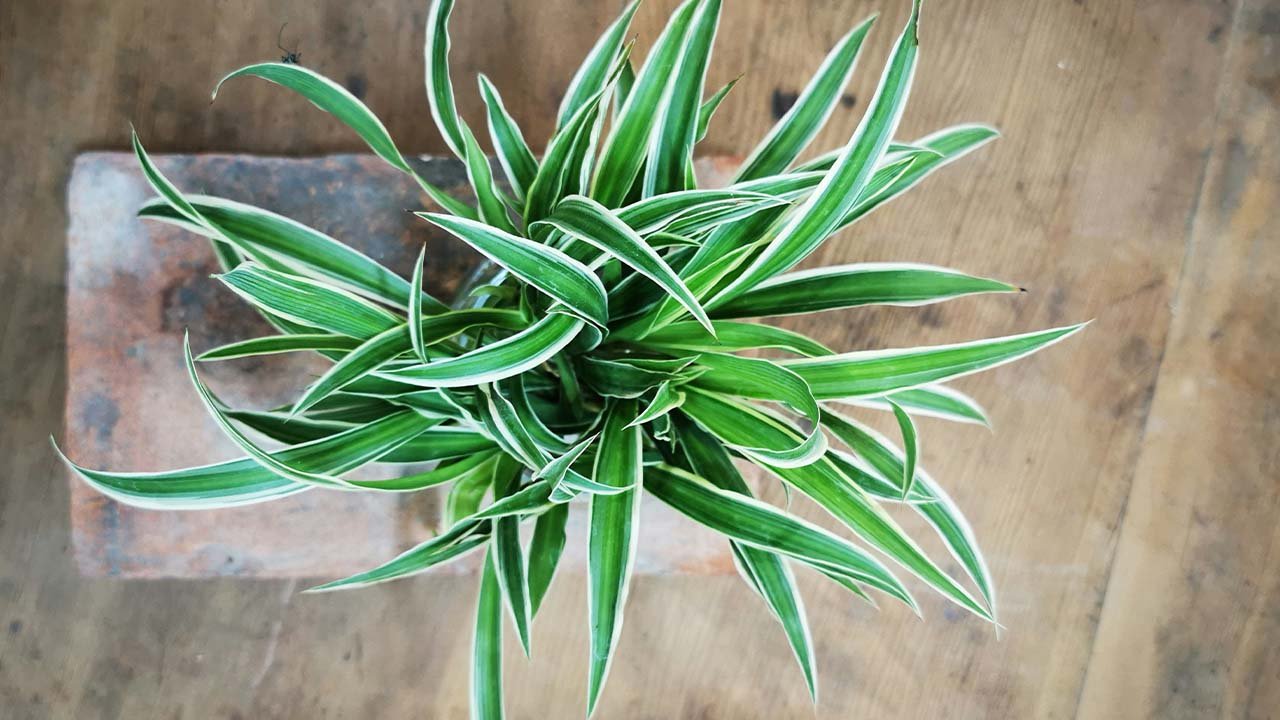
Spider plants, scientifically known as Chlorophytum comosum, are popular houseplants recognized for their attractive foliage and adaptability to varying indoor environments. Characterized by long, arching green leaves that often have white stripes, they create a vibrant aesthetic in homes and offices alike. Their unique appearance gives the plant its name, as they produce offshoots resembling spiders on long stems.
This species thrives in indirect sunlight and prefers well-draining soil, which contributes to its reputation as an easy-care indoor plant. Spider plants are resilient, tolerating a range of indoor conditions, making them ideal for both novice and experienced plant owners. Furthermore, they are known for their ability to purify indoor air by removing harmful pollutants, thereby contributing to a healthier living environment.
Aside from their aesthetic and functional benefits, spider plants are also celebrated for their high tolerance to neglect. They require infrequent watering and can adapt to various humidity levels, allowing owners to enjoy a touch of greenery without the stress of constant maintenance. Interestingly, spider plants are also non-flowering, which means they focus their energy on producing vibrant foliage.
Even though spider plants are generally considered safe for most pets, there is some debate regarding their effects on cats. Some pet owners express concern about whether spider plants are toxic to cats, prompting the question: are spider plants toxic to cats? This aspect adds a layer of consideration for those who share their homes with feline companions. Overall, spider plants remain a delightful addition to any household, offering both beauty and practical benefits without demanding extensive care.
Are Spider Plants Toxic to Cats?
The question of whether spider plants are toxic to cats is one that many pet owners may ponder. According to various veterinary sources, spider plants (Chlorophytum comosum) are generally regarded as non-toxic to cats. This fact provides a certain level of reassurance for cat owners who appreciate the aesthetic and air-purifying qualities of these popular houseplants.
While spider plants are considered safe, it is important to note that ingestion may lead to mild gastrointestinal upset in felines. Symptoms of this upset can include vomiting and diarrhea, which might happen if a cat consumes a significant amount of the plant. Nonetheless, such instances are typically seen as uncommon, and most cats will not experience severe negative effects from nibbling on a spider plant.
The spider plant is known for its resilient nature and ability to thrive indoors, often making it a favorite among plant enthusiasts. Its long, arching leaves can be quite enticing to cats, which might spark their curiosity and lead to chewing. Owners should remain attentive to their pets’ behavior around plants, even those labelled as non-toxic. Proper monitoring can help prevent any potential mishaps associated with the consumption of houseplants.
In comparing spider plants with other household plants, it becomes apparent that many commonly kept plants can be toxic to cats. Therefore, providing cats with a safe environment is crucial. Choosing non-toxic plants, such as spider plants, can help mitigate risks associated with other poisonous houseplants. Ultimately, understanding which plants are safe, as well as the potential mild side effects of those that are non-toxic, is essential for every owner’s peace of mind and the overall well-being of their feline companions.
Symptoms of Ingestion in Cats
When considering whether spider plants are toxic to cats, it is essential for pet owners to be informed about the potential symptoms of ingestion. Although spider plants are generally regarded as non-toxic, ingestion might still lead to mild gastrointestinal upset or unusual behaviors in some cats.
Common signs of ingestion include vomiting, which can occur as the cat’s body attempts to expel the foreign material from its system. Additionally, diarrhea may be another symptom, indicating that the digestive tract is responding adversely to the plant fibers consumed. Lack of appetite is also frequently observed; a cat may simply decide to refuse food as it feels unwell. This can lead to further health concerns if the lack of eating persists for an extended period.
Furthermore, an owner may notice unusual behavior in their feline companion. This can range from lethargy to increased irritability or restlessness. Cats are sensitive creatures, and any disruption in their normal behavior can be indicative of distress caused by ingesting foreign substances such as spider plants.
It is crucial for cat owners to monitor their cats closely after any suspected ingestion. If symptoms do arise, it is advised to consult a veterinarian promptly. While spider plants are not classified among the more dangerous toxic plants, every cat’s reaction can differ significantly. Therefore, vigilance is key.
In conclusion, recognizing the potential symptoms of spider plant ingestion can be vital for a cat’s wellbeing. By staying informed and attentive, cat owners can ensure their pets remain healthy and safe, mitigating any risks associated with plant ingestion.
What to Do If Your Cat Eats a Spider Plant
If you suspect that your cat has ingested part of a spider plant, it is essential to remain calm and assess the situation promptly. While spider plants are generally considered non-toxic to cats, some felines may still experience mild gastrointestinal upset from consuming them. The first crucial step is to determine the extent of the ingestion. Observe your cat for any signs of distress, such as vomiting, diarrhea, or lethargy.
If your cat exhibits mild symptoms like a slight upset stomach, implement a few home treatment options. Monitor their food and water intake, ensuring they stay hydrated. Offer small portions of bland food, such as boiled chicken or rice, which may help soothe their digestive system. Keep a watchful eye for any changes in behavior or worsening symptoms.
If your cat’s condition does not improve within 24 hours or their symptoms escalate, it is crucial to seek veterinary care. Contact your veterinarian, providing them with details about your cat’s symptoms and potential ingestion of the spider plant. They may recommend bringing your cat in for an examination or offer additional guidance over the phone.
In more severe cases, especially if your cat exhibits significant signs of distress—such as drooling, severe lethargy, or persistent vomiting—it is advisable to take them to the veterinary clinic immediately. Your vet may perform tests to assess your cat’s condition and provide the necessary treatment to alleviate any adverse effects from ingesting the spider plant.
In conclusion, while spider plants are not considered toxic to cats, being proactive and informed as an owner is essential. By observing your cat’s behavior and knowing when to seek professional assistance, you can ensure their well-being and address any potential health concerns effectively.
For cat owners who enjoy houseplants, managing the presence of spider plants and other greenery is crucial to ensuring the safety of their furry companions. Although it has been suggested that spider plants are not considered highly toxic to cats, precautionary measures are advisable to prevent any potential ingestion or adverse reactions.
One effective strategy is to carefully select the placement of your plants. Keeping spider plants out of reach can deter curious cats from nibbling on them. Placing these plants on high shelves or hangers can create an aesthetically pleasing environment while ensuring that your pets cannot access them easily. Additionally, you can use plant cages or decorative plant pots with barriers to reduce the likelihood of your cat getting too close to your greenery.
An excellent alternative for cats who enjoy chewing on plants is cat grass, which is safe and beneficial for their digestion. By providing designated cat-safe plants, you can distract your feline friends from your decorative plants. Cat grass is typically composed of wheat, oats, or barley and offers cats a safe outlet for their natural instinct to chew.
Moreover, it is prudent to educate yourself about other common houseplants that may pose risks to cats. Many houseplants, including certain varieties not only appeal visually but can also be toxic to cats. Staying informed allows you to make safer choices in your home.
Providing sufficient entertainment and engagement for your cats can reduce their interest in your houseplants. Investing in a variety of toys, climbing structures, and interactive playtimes will keep them occupied and less likely to venture near spider plants or other houseplants.
In conclusion, being proactive about the placement of spider plants and other houseplants, offering safe alternatives for your cats, and ensuring they have ample engagement can help minimize any risks associated with plant ingestion.
Benefits of Having Spider Plants in a Cat Owner’s Home
Spider plants, scientifically known as Chlorophytum comosum, offer a variety of benefits for households with cats. One major advantage of these resilient plants is their air-purifying properties. They are known to remove pollutants and toxins from the indoor environment, including chemicals like formaldehyde and xylene. This purification process can be particularly beneficial in homes with pets and humans alike, contributing to a healthier living space.
In terms of maintenance, spider plants are incredibly low-maintenance, which is ideal for busy cat owners. They thrive in a wide range of lighting conditions and can withstand occasional neglect in watering. This resilience makes them a perfect choice for individuals who may not have a green thumb yet still want to enhance their home with indoor plants. Their ability to adapt to different environments means that they can flourish in homes with varying levels of natural light, providing greenery without the stress of constant care.
Moreover, spider plants can offer visual interest to a cat’s environment. Their long, arching leaves and delicate white flowers can create a lively aesthetic in any room. Additionally, the presence of greenery has been shown to have positive psychological effects on humans, which indirectly benefits pet cats through a more relaxed living atmosphere.
While some pet owners express concern about whether spider plants are toxic to cats, it is important to note that they are considered non-toxic. In fact, spider plants are generally recognized as safe for cats, which allows owners to enjoy their benefits without significant worry.
Alternatives to Spider Plants for Cat Owners
While spider plants are known for their air-purifying qualities and low maintenance requirements, many cat owners may have concerns regarding their toxicity. Although spider plants are generally regarded as safe for pets, it is understandable that some owners prefer to avoid any risks altogether. Fortunately, there are several non-toxic plants that cat owners can safely incorporate into their homes.
One excellent alternative is the Boston Fern (Nephrolepis exaltata). This lush plant thrives in humid environments, making it an ideal choice for bathrooms or kitchens. Boston ferns require indirect light and consistent moisture, so owners should water them regularly while ensuring good drainage.
Another safe option is the Areca Palm (Dypsis lutescens). Known for its graceful fronds, the Areca Palm can grow tall and add a tropical feel to any space. This plant prefers bright, indirect light and should be watered when the top few inches of soil dry out.
Parlor Palm (Chamaedorea elegans) is also a great choice for pet owners. This small palm plant is well-suited for indoor living and requires minimal attention. Keeping it in low light and watering when dry will help it flourish, making it a hassle-free addition to your home.
Additionally, consider Spiderwort (Tradescantia), which boasts colorful foliage and is safe for cats. This fast-growing plant can thrive in various lighting conditions and benefits from regular watering and occasional pruning. As a bonus, Spiderwort can also produce lovely flowers to beautify your living area.
By selecting one or more of these non-toxic plants, cat owners can enjoy the aesthetic benefits of greenery without worrying about potential risks associated with spider plants. Understanding which plants are safe allows you to create a pet-friendly environment while still bringing the joy of nature indoors.
Conclusion
In summary, the common belief that spider plants are toxic to cats is largely unfounded. Research indicates that while some plants might pose a mild threat to our feline companions, spider plants do not fall into this category. Instead, they are generally considered safe for cats, which brings peace of mind to pet owners who wish to beautify their homes with greenery.
However, it is essential for cat owners to remain vigilant. While spider plants are not known to be poisonous, any plant can elicit individual reactions based on a cat’s unique sensitivity or predisposition. This means that while the risk is minimal, ensuring your cat does not voraciously nibble on spider plants or any other greens is still a good practice. If you notice unusual behavior or symptoms in your cat, consulting a veterinarian is always the safest course of action.
Educating oneself about plant safety is paramount for every pet owner. Understanding which plants are safe or potentially harmful can effectively mitigate risks and enhance your cat’s living environment. There are many beautiful plant alternatives that do not adversely affect our pets, and informing oneself about these options makes a significant difference. Ultimately, by being proactive and aware, pet owners can enjoy their spider plants while ensuring their furry friends remain safe and healthy.

