

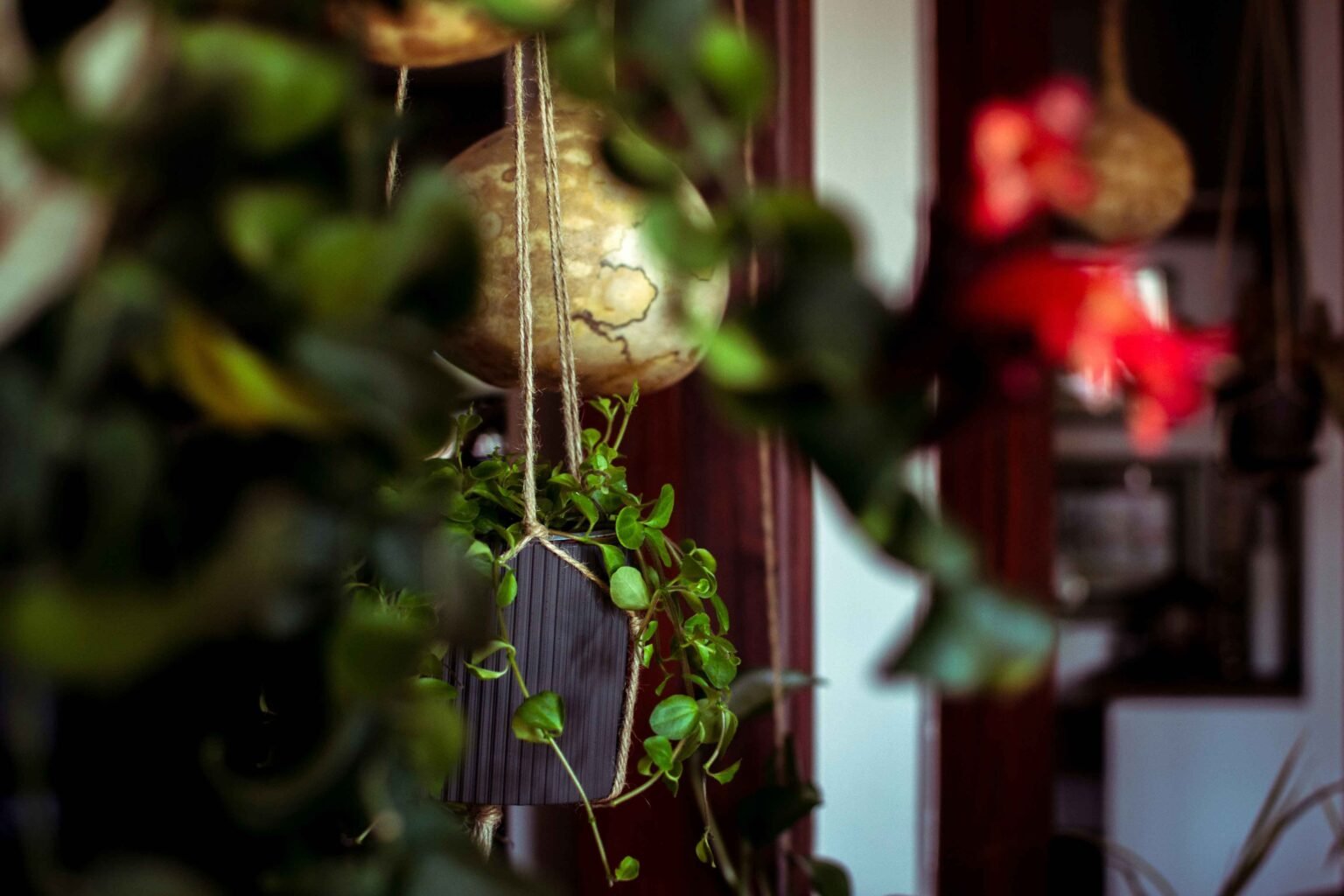

Introduction to Hanging Plants
In recent years, hanging plants have gained immense popularity in interior design, particularly in apartments and other small spaces. These versatile plants add a touch of nature to indoor environments while also being functional in various ways. The use of hanging plants not only enhances the aesthetics of a room but also optimizes the available space, making them ideal for compact living areas.
One of the standout features of hanging plants is their ability to utilize vertical space effectively. In apartments, where floor space is often limited, incorporating hanging plants allows residents to enjoy greenery without cluttering their surfaces. This vertical gardening approach can turn bare walls into vibrant backdrops while contributing to a calming atmosphere.
Furthermore, the aesthetic appeal of hanging plants extends beyond mere decoration. They introduce color, texture, and even fragrance to living spaces, which can be particularly beneficial in smaller areas where plants for small spaces may struggle to thrive. By selecting the best hanging plants specifically suited for indoor conditions, individuals can curate stunning displays that elevate their home environment.
Additionally, hanging plants have been shown to improve indoor air quality by filtering out common pollutants and releasing oxygen. This is especially advantageous in urban settings, where air quality may be compromised. Bringing nature indoors through hanging plants not only benefits home decor but also promotes healthier living conditions.
In summary, integrating hanging plants into apartments and small spaces provides an array of benefits ranging from optimized use of space and enhanced aesthetics to improved air quality. As more individuals seek to incorporate greenery into their homes, hanging plants stand out as an effective and stylish solution.
Choosing the Right Hanging Plants for Your Space
When selecting hanging plants for small spaces and apartments, several factors must be considered to ensure a healthy and aesthetically pleasing arrangement. One of the primary considerations is the amount of natural light available in your environment. Different hanging plants have varying light requirements; for example, some thrive in bright, indirect sunlight, while others can tolerate low-light conditions. Assessing the light intensity in your apartment will significantly influence your choice of plants.
Humidity levels in your apartment are another crucial factor when choosing the best hanging plants. Many tropical plants prefer higher humidity levels, which may be challenging to maintain in drier indoor environments. If your apartment has low humidity, opt for more resilient species like pothos or spider plants, which can adapt to fluctuating moisture levels. Conversely, if your space tends to be more humid, consider options like ferns or ivy, which flourish in such conditions.
The overall size of your space and the layout are also imperative when selecting plants for small spaces. Hanging plants can enhance the vertical space in your apartment, but it’s essential to consider how much space you have available. Larger hanging plants may overwhelm a compact area, while smaller varieties can complement your decor without overcrowding the room. Additionally, consider utilizing hanging planters of different heights and sizes to create visual interest without sacrificing space.
Finally, take time to evaluate your maintenance preferences when selecting hanging plants. Some plants require more care, including regular watering and pruning, while others can thrive with minimal attention. By understanding your environment and personal preferences, you can make more informed decisions when choosing the right hanging plants for your apartment.
Top 5 Hanging Plants for Low-Light Conditions
When it comes to choosing hanging plants that thrive in low-light environments, certain species stand out as the best options for apartments and small spaces. Below are five exemplary hanging plants that not only adapt well to low light but also add character and style to your living environment.
1. Pothos (Epipremnum aureum): Known for its beautiful trailing vines and heart-shaped leaves, Pothos is renowned for its resilience in low-light conditions. This plant requires minimal care and can grow in a variety of environments. Regular watering and occasional pruning will help maintain its stylish appearance, making it one of the best hanging plants for apartments.
2. Philodendron (Philodendron spp.): Another fantastic choice for low-light spaces, the Philodendron comes in various shapes and sizes. The trailing varieties can be particularly striking when hung from shelves or high pots. These plants are also low-maintenance and only need watering when the soil is dry. With its air-purifying capabilities, it provides additional health benefits for urban dwellers.
3. Spider Plant (Chlorophytum comosum): Spider plants thrive in less-than-ideal conditions and will flourish even in shaded corners of your apartment. They produce charming offshoots, or “baby spiders,” that can be collected and propagated. Their adaptive nature makes them a top choice for those seeking plants for small spaces.
4. English Ivy (Hedera helix): English Ivy can elegantly cascade from pots, creating an appealing visual effect. This low-light plant is particularly effective at improving indoor air quality, making it both aesthetically pleasing and beneficial. Regular misting aids in maintaining its health and vibrancy.
5. Maidenhair Fern (Adiantum spp.): While ferns are typically found in bright conditions, the Maidenhair Fern is an exception and can adapt well to lower light. Its delicate fronds require slightly higher humidity, making it suitable for bathrooms or kitchens. As a unique option among hanging plants, it adds a touch of elegance and texture to any space.
In conclusion, these five hanging plants are excellent choices for anyone living in apartments or limited light conditions. They not only beautify small spaces but also enhance the atmosphere, making them ideal for enhancing your home decor.
Best Hanging Plants for Bright, Indirect Light
Hanging plants bring a vibrant touch to any living space, and when positioned in areas with bright, indirect light, they can thrive beautifully. Selecting the right plants for small spaces such as apartments is essential to maximize both aesthetic and air quality. Here are some of the best hanging plants that flourish under these lighting conditions.
First on the list is the Spider Plant (Chlorophytum comosum), renowned for its air-purifying properties. This resilient plant thrives in bright, indirect sunlight and requires minimal maintenance. It produces cascading leaves and small offshoots, making it an excellent choice for hanging arrangements. Simply ensure its soil is well-draining, and it will flourish hanging in your apartment.
Another wonderful option is the Pothos (Epipremnum aureum), often dubbed the ultimate plant for beginners. Its trailing vines can grow quite long, making it visually appealing when suspended in sunlight. Pothos tolerates a range of light conditions but does particularly well in bright, indirect light. Regularly trimming its stems encourages fuller growth and a bushier appearance, enhancing its beauty in small spaces.
The String of Hearts (Ceropegia woodii) also deserves mention, with its stunning, heart-shaped foliage that dangles elegantly. Preferring bright yet indirect sunlight, this plant can easily become a focal point in any apartment. Ensure that the soil is dry between watering to maintain its health. Its unique growth pattern adds charm and character, making it one of the best hanging plants for limited spaces.
Incorporating these hanging plants into your small living area can create a refreshing atmosphere without consuming valuable floor space. Their ability to thrive in bright, indirect light makes them ideal choices for collectors and novices alike, turning any apartment into a delightful green hub.
Creative Ways to Display Hanging Plants
Incorporating hanging plants into small spaces and apartments can transform a mundane corner into a vibrant, green oasis. With limited space, tapping into vertical areas is crucial, and there are a multitude of creative display options available. One popular method is to use wall-mounted planters. These can serve both aesthetic and space-saving purposes, allowing flowers or foliage to flourish against the wall while freeing up valuable floor space.
Another innovative idea is utilizing macramé plant hangers. These stylish hangers not only add a bohemian flair to the decor but can also be adjusted to any height. Suspended near windows, they can receive optimal sunlight, promoting healthy growth. Furthermore, macramé hangers can easily accommodate various plant sizes, making them an excellent option for the best hanging plants suited for small spaces.
For those who prefer a more modern aesthetic, floating shelves can be an effective way to display a combination of decorative items and hanging plants. By strategically placing these shelves at different heights, you can create an eye-catching arrangement that showcases your plants while adding visual interest. Incorporating trailing plants onto these shelves, such as pothos or string of hearts, offers dynamic movement and lush greenery without overwhelming the area.
Incorporating hanging plants into different styles of home decor can also be achieved through color coordination and themed arrangements. For example, an industrial space might benefit from metal hangers paired with hardy succulents, while a softer, cozy space could highlight the use of woven baskets with cascading ferns. Ultimately, using a combination of these innovative display techniques will not only elevate your small apartment’s decor but also enhance your living space with the refreshing presence of greenery.
Care Tips for Hanging Plants
Maintaining healthy hanging plants in your apartments or small spaces requires knowledge and consistency. Key to their care is establishing a proper watering schedule. Most hanging plants benefit from being watered when the top layer of soil feels dry; this encourages a solid root system while preventing overwatering, which can lead to root rot. A well-draining pot is also essential to avoid water accumulation. Consider factors such as humidity and temperature in your living area, as these could affect how often you need to hydrate your plants.
Fertilization plays a vital role in the growth of your hanging plants. During the growing season, typically spring and summer, it is recommended to use a balanced, water-soluble fertilizer every four to six weeks. For apartments where natural light may be limited, choosing plants for small spaces that require less fertilization can be beneficial. Always read the instructions on the fertilizer packaging to avoid over-fertilizing, which may harm your plants instead of helping them thrive.
Regular pruning is also necessary for the well-being of your hanging plants, promoting healthy growth and preventing overgrowth that could result in a tangled appearance. Cut back any dead or yellowing leaves and trim leggy stems to stimulate new growth. Furthermore, it is crucial to keep an eye out for pests or diseases. Common issues such as spider mites or aphids can adversely affect your plants, so check your hanging arrangements regularly. If any infestation is detected, treat the plants with appropriate insecticides or natural alternatives.
By adhering to these care tips, your plants will flourish in their designated spaces, enhancing the beauty of your interiors while also improving air quality. Ensuring that these best hanging plants receive adequate care allows them to thrive for many years to come.
Common Mistakes to Avoid with Hanging Plants
Hanging plants offer a wonderful opportunity to enhance the aesthetic of small spaces and apartments while also improving air quality. However, new plant owners often make several common mistakes that can hinder the health and growth of these plants. One significant error is overwatering, a frequent issue for those new to caring for indoor flora. Many beginners assume that more water equals better health, leading to root rot and other issues. To avoid this, it is essential to understand the specific watering needs of each plant species, as some plants thrive in drier conditions.
Another prevalent mistake involves poor placement of hanging plants. Prioritizing aesthetics over the plants’ light requirements can lead to inadequate light exposure, ultimately hindering plant growth. For example, some plants for small spaces prefer bright, indirect light, while others may thrive in lower light conditions. Therefore, it is crucial to evaluate the light conditions of your apartment and research the light preferences of your chosen hanging plants.
Additionally, neglecting to research the unique needs of each plant before making a purchase can lead to significant challenges. Some hanging plants may have specific humidity or temperature requirements that, if not met, could affect their health negatively. Familiarizing yourself with the care details of the best hanging plants is critical for ongoing success. Not all hanging plants are suited for every environment, and knowing the ideal conditions can prevent future frustration.
In summary, avoiding these common pitfalls—overwatering, unsuitable placement, and inadequate research—can contribute to a healthier and more vibrant indoor garden. By taking the time to understand the requirements of your hanging plants, especially in small spaces and apartments, you can enjoy thriving greenery and the many benefits that come with it.
Real-Life Examples of Beautiful Hanging Plant Displays
In the realm of home decor, hanging plants have gained immense popularity, particularly among those residing in apartments or smaller living spaces. The versatility and charm of these plants can be seamlessly integrated into various design themes, effectively transforming an ordinary room into an oasis of greenery. Let us explore some inspiring examples of how individuals have creatively arranged their hanging plants to maximize aesthetic appeal in small spaces.
One notable display features a variety of trailing plants, such as Pothos and String of Hearts, elegantly cascading from wall-mounted shelves in a cozy apartment. The subtle greens of these best hanging plants not only brighten the room but also create a sense of depth and dimension. Such a setup enhances the overall decor, making the space feel more inviting and vibrant. This method enables residents to utilize vertical space, allowing for ample floor area while still enjoying the beauty of nature indoors.
Another example is a bright kitchen adorned with a collection of herbs and succulents. Hanging pots are suspended from an open shelf above the countertop, enabling easy access to fresh ingredients while also serving as a striking focal point. The integration of these plants for small spaces not only maximizes vertical gardening but also infuses a culinary area with a lively ambiance, making cooking a delightful experience.
A stylish living room might feature a cluster of Macrame plant hangers, showcasing an array of ferns and spider plants. This bohemian-inspired arrangement draws the eye upwards, creating a sense of spaciousness often lacking in compact interiors. Such creative displays prove that thoughtfully arranged anging plants can serve as a centerpiece that is as functional as it is aesthetically pleasing.
Overall, these real-life examples illustrate how effective placement and selection of the best hanging plants can enhance the beauty and atmosphere of small spaces, making them feel more spacious and welcoming.
Conclusion: Enhancing Your Small Space with Hanging Plants
Incorporating hanging plants into small spaces and apartments can significantly transform your living environment. These plants offer unique advantages that not only elevate aesthetics but also contribute to the overall wellbeing of your home. By utilizing vertical space effectively, hanging plants are perfect for those looking to introduce greenery without sacrificing valuable floor area.
The best hanging plants for small spaces often include varieties such as pothos, spider plants, and string of pearls, which are known for their low maintenance and adaptability. When selecting plants, consider factors such as light availability and humidity levels in your apartment to ensure they thrive. Tailoring your choices to the specific conditions of your environment can lead to a much more enjoyable and sustainable indoor garden.
Moreover, the presence of plants has been shown to improve indoor air quality, reduce stress, and enhance mental clarity, making them a beneficial addition to any home. Therefore, it is highly encouraged to integrate a variety of these best hanging plants into your decor, whether they be placed in windows, suspended from ceilings, or adorning walls. As you explore the possibilities, remember to mix and match different plant types and heights to create visual interest and a lush, vibrant atmosphere.
Ultimately, enhancing your small space with hanging plants not only beautifies your environment but also fosters a deeper connection with nature within your home. So, take the step today and explore how these exquisite plants can rejuvenate your apartment living and contribute positively to your overall quality of life.

