

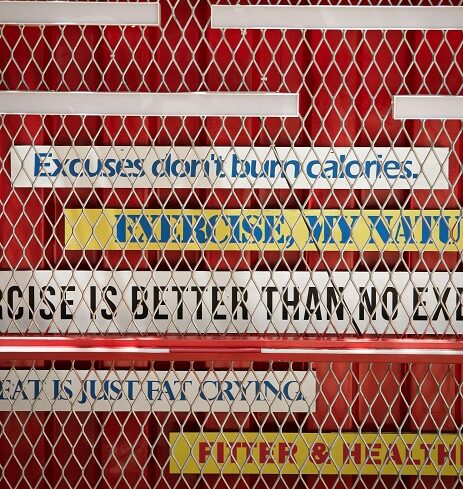

Introduction to Weight Loss Exercises
Exercise plays a pivotal role in the journey toward weight loss exercises, acting as a critical partner to dietary changes. When individuals aim to shed excess weight, physical activity not only helps burn calories but also enhances overall health and wellness. Engaging in regular exercise stimulates the body’s metabolism, making it more efficient in processing and utilizing energy. This process is key when targeting weight loss, as a heightened metabolic rate leads to more calories burned, even at rest. Furthermore, incorporating strength training into one’s fitness routine has significant benefits beyond calorie expenditure. Increased muscle mass from strength exercises leads to a higher resting metabolic rate, which means even more calories can be burned over time. This focus on muscle development can prove especially important as individuals age, given that muscle mass naturally declines and can further contribute to weight gain if not actively maintained. In addition to the metabolic and muscular advantages of exercise, regular physical activity is associated with numerous health improvements. These can range from enhanced cardiovascular health to better mood regulation and increased energy levels. Engaging in a mix of exercises not only fosters physical capabilities but also cultivates a routine that supports long-term adherence, leading to sustained weight loss results.
There are various types of exercises that can effectively aid weight loss, including aerobic activities like running and cycling, as well as strength training, flexibility routines, and high-intensity interval training (HIIT). Each category contributes uniquely to weight loss and overall fitness. By recognizing the significance of integrating different exercises, individuals can find a balanced approach to achieving their weight loss goals.
Cardiovascular Exercises
Cardiovascular exercises, often referred to as aerobic exercises, play a crucial role in weight loss and overall health. These activities increase heart rate and promote the circulation of oxygen throughout the body, leading to efficient calorie burning and fat loss. Engaging in regular cardio workouts not only aids in shedding excess weight but also contributes to improved cardiovascular fitness and enhanced endurance.
Several forms of cardiovascular exercises can be integrated into a weight loss routine, each offering unique benefits. Running is a highly effective option that can be performed anywhere, whether on a treadmill or outdoors. It is a high-impact exercise that burns a significant number of calories in a short period of time. Cycling, whether stationary or outdoor, provides a low-impact alternative that is particularly beneficial for individuals with joint concerns. Swimming is another excellent choice, offering a full-body workout with minimal stress on the joints, suitable for individuals of all fitness levels.
In addition to these traditional forms, group fitness classes, such as Zumba or spin classes, provide a fun and motivating environment for cardiovascular exercise. These classes not only make workouts enjoyable but also encourage participants to push their limits in a supportive group setting.
To effectively promote weight loss through cardiovascular exercises, it is recommended that individuals aim for at least 150 minutes of moderate-intensity aerobic activity or 75 minutes of vigorous-intensity activity per week. Incorporating these sessions into a regular fitness routine, alongside strength training, can substantially enhance weight loss efforts and improve overall physical well-being.
Strength Training
Strength training is a vital component of any effective weight loss program. Unlike traditional cardio exercises that primarily focus on burning calories during the activity, strength training provides a double benefit: it builds muscle mass and boosts the metabolism. By increasing lean muscle, not only does the body burn more calories at rest, but it also creates a more toned appearance which many strive for while pursuing their fitness goals.
There are several types of strength training exercises that individuals can incorporate into their routine. Weight lifting, for example, involves the use of free weights or machines, which can effectively target specific muscle groups for maximum gain. Bodyweight exercises also offer an excellent alternative; exercises such as push-ups, squats, and lunges use one’s own weight for resistance, making them accessible and practical for all fitness levels. The key is to perform a balanced combination of these exercises to ensure that all major muscle groups are engaged and developed.
To successfully integrate strength training into a weight loss program, one should focus on a few essential tips. First, aim for at least two to three sessions per week, allowing adequate recovery time between workouts. Each session can include multiple sets of 8 to 12 repetitions for each exercise to ensure muscle stimulation. Progressively increasing the weight or resistance can also help to continually challenge the muscles and promote growth. Another important aspect is the incorporation of compound movements, such as deadlifts and bench presses, which involve multiple joints and muscle groups, enhancing overall efficiency.
Ultimately, consistency and proper technique are critical when implementing strength training exercises. With commitment and a structured approach, individuals can significantly enhance their weight loss efforts while enjoying the myriad of benefits that strength training provides.
High-Intensity Interval Training (HIIT)
High-Intensity Interval Training, commonly known as HIIT, has gained significant traction among fitness enthusiasts and weight loss seekers alike. This exercise method is characterized by alternating between short bursts of intense physical activity and periods of rest or lower-intensity exercises. The essence of HIIT lies in its ability to maximize calorie burn and improve cardiovascular fitness in a fraction of the time compared to traditional steady-state workouts.
During a HIIT session, individuals might engage in various exercises such as sprinting, cycling, or bodyweight exercises like burpees and jump squats. For instance, a common HIIT workout could involve sprinting for 30 seconds followed by a one-minute walk, repeated for a total of 15-20 minutes. The rapid shifts in intensity not only challenge the body but also enhance its ability to recover quickly, ultimately leading to improved fitness levels.
Research supports the effectiveness of HIIT for weight loss, showing that it can ignite metabolic adaptations and significantly reduce body fat. In addition, HIIT workouts can elevate the heart rate significantly, promoting an afterburn effect known as excess post-exercise oxygen consumption (EPOC), which continues calorie burning long after the workout is completed.
For those interested in incorporating HIIT into their fitness routine, getting started can be as simple as setting aside a few short sessions each week. It is important to listen to one’s body, gradually increasing intensity while ensuring proper form to minimize injury risk. Furthermore, with the versatility of HIIT, workouts can be tailored to individual preferences and fitness levels, making it a practical choice for weight loss endeavors across diverse populations.
Low-Impact Exercises
Low-impact exercises are excellent options for individuals seeking to lose weight while minimizing strain on their joints. These activities are particularly suited for beginners, older adults, and those with preexisting joint problems. Incorporating such exercises into a fitness routine can lead to significant weight loss benefits without the risk of injury commonly associated with high-impact workouts.
Walking is one of the simplest yet most effective low-impact exercises. It requires no special equipment or expensive memberships and can be done nearly anywhere. Regular brisk walks can help burn calories, improve cardiovascular health, and boost mood. For optimal weight loss results, it is advisable to aim for at least 30 minutes of walking most days of the week.
Swimming is another exemplary low-impact activity known for its comprehensive health benefits. The buoyancy of water reduces strain on joints while providing resistance that aids in building muscle strength. Swimming engages multiple muscle groups and can be an enjoyable way to burn calories. Sessions lasting 20 to 60 minutes can yield positive outcomes for weight loss and overall fitness.
Cycling, whether on a stationary bike or outdoors, is an enjoyable low-impact exercise that can effectively support weight loss. This workout is gentle on the joints and can be adjusted to various fitness levels. Cycling can be incorporated into daily routines, such as commuting or leisurely rides, making it a sustainable option for many. Aiming for 30 minutes to an hour of cycling a few times a week can significantly contribute to total calorie expenditure.
By engaging in low-impact exercises, individuals can create a consistent workout regimen that enhances their overall fitness levels while promoting weight loss. One of the essential aspects of success in any weight loss journey is maintaining a routine, and low-impact activities offer a realistic and achievable way to do so, paving the way for long-term health benefits.
Core Workouts and Their Importance
Core workouts play a crucial role in any fitness regimen, especially for individuals aiming for weight loss. A strong core is essential not only for supporting the spine and pelvis but also for executing various physical activities more effectively. When the core muscles are well-developed, they contribute to improved posture and stability, which can significantly enhance the effectiveness of other exercises. This is vital for maintaining proper form during physical activities, reducing the risk of injury, and ultimately, optimizing performance.
Core training exercises engage multiple muscle groups, including the abdominals, obliques, lower back, and hip flexors. This comprehensive engagement can elevate the overall calorie burn during workouts, facilitating a greater deficit essential for weight loss. Examples of effective core exercises include planks, sit-ups, Russian twists, and leg raises. Each of these exercises targets different parts of the core, promoting balanced strength and stability necessary for both everyday movements and athletic performance.
The integration of core workouts into a structured fitness program can also aid in the enhancement of metabolic rate. When the core is strong, individuals are better equipped to perform auxiliary exercises like squats, deadlifts, and lunges more efficiently. This improved efficiency not only supports weight loss but also helps in muscle development which can lead to a more toned physique. Ultimately, focusing on core workouts is not just about aesthetics; it lays the foundation for long-term physical health and improved functional movement.
Mind-Body Exercises
Mind-body exercises, such as yoga and Pilates, offer unique benefits that extend beyond traditional workout routines, increasingly gaining recognition for their role in weight loss. These practices not only enhance flexibility and muscle tone but also foster a more profound connection between body and mind, which is essential for sustainable health and weight management.
Yoga emphasizes breath control, strength, and balance, making it an effective form of physical activity that can help burn calories while also promoting relaxation and stress relief. Studies have shown that incorporating yoga into a fitness regimen can support weight loss by encouraging mindfulness. This heightened awareness often leads individuals to make healthier food choices, avoid emotional eating, and develop a better understanding of their hunger and satiety cues.
Similarly, Pilates focuses on core strength, body alignment, and controlled movements, which not only aids in improving posture but also builds lean muscle mass. Increased muscle tone can elevate metabolic rates, thereby facilitating weight loss over time. Additionally, Pilates is beneficial for enhancing body awareness, allowing practitioners to become more in tune with their physical sensations. This awareness is crucial for adopting a long-term, sustainable weight loss approach.
Moreover, both yoga and Pilates can be instrumental in fostering a more positive body image. Through consistent practice, individuals often cultivate self-acceptance and an appreciation for their physical capabilities, which can mitigate negative feelings associated with weight loss journeys. When engaging with mind-body exercises, individuals are likely to find joy in movement instead of viewing it solely as a required chore for weight loss.
Incorporating mind-body exercises such as yoga and Pilates into a regular fitness routine can lead to a balanced approach towards weight loss. They provide not just physical benefits but also psychological support by enhancing mindfulness and body awareness, critical components for achieving and maintaining a healthy weight.
Developing an Exercise Routine for Weight Loss
Establishing an effective exercise routine is crucial for individuals aiming for weight loss. The first step in this process is to set realistic goals that are both challenging and achievable. Given the complexities of weight loss, it is vital to focus not only on the number of pounds to shed but also on improving overall fitness levels. Aim for a gradual reduction, for instance, targeting a weight loss of 1 to 2 pounds per week, which is a healthy and sustainable approach.
Balancing different types of workouts is another key element in any exercise routine. A comprehensive program should ideally incorporate cardiovascular exercises, strength training, and flexibility workouts. Cardio activities, such as running or cycling, are instrumental in burning calories, while strength training builds muscle—a crucial factor for increasing metabolic rate. Flexibility exercises, including yoga or stretching, can enhance recovery and prevent injury, ensuring long-term adherence to the regimen.
Personal preferences and individual fitness levels greatly influence the success of an exercise routine. Engaging in activities that one enjoys can significantly enhance motivation and consistency. Variety in workouts is essential to prevent boredom, and individuals should explore different exercise modalities, such as group classes, outdoor activities, or home workouts. Monitoring progress plays a fundamental role in maintaining motivation. Utilizing fitness trackers or maintaining a workout journal can help document achievements and setbacks, fostering a sense of accomplishment that fuels continued effort.
Staying motivated over the long term is often challenging, therefore incorporating social support through workout buddies or community groups can enhance accountability. Additionally, ensuring that the routine is adaptable will allow for adjustments as fitness levels increase or personal circumstances change. By following these guidelines, anyone can systematically develop an effective exercise routine that aligns with their weight loss goals.
Conclusion and Next Steps
In summary, the journey towards effective weight loss is not solely dependent on rigorous dieting but rather on a comprehensive understanding of exercise and its role in the process. Throughout this discussion, we have explored a variety of exercises that cater to different preferences and fitness levels. Activities such as walking, running, cycling, and strength training not only facilitate caloric expenditure but also enhance muscle tone and overall metabolic health.
Moreover, incorporating high-intensity interval training (HIIT) into your weekly exercise regimen can be particularly advantageous for maximizing fat loss in minimal time. These effective workouts, characterized by short bursts of intense effort followed by recovery periods, have proven to elicit significant weight loss benefits while keeping you engaged.
As you contemplate integrating these exercises into your routine, it is crucial to prioritize consistency and gradual progression. Start with manageable sessions that align with your current fitness level, ensuring that you enjoy the process. Track your progress and adjust your workouts as necessary to maintain motivation and prevent plateaus.
Additionally, complementing your exercise routine with balanced nutrition is vital. A diet rich in whole foods, adequate protein, and healthy fats, while minimizing processed foods, will support your weight loss goals effectively. Staying hydrated and listening to your body’s hunger signals can also contribute to a sustainable lifestyle change.
By adopting a holistic approach that emphasizes both physical activity and mindful eating, you are more likely to achieve lasting results in your weight loss journey. Aim to find enjoyment in your exercises, challenge yourself gradually, and celebrate the small victories along the way. This balanced strategy will not only facilitate weight loss but also enhance your overall well-being.

