

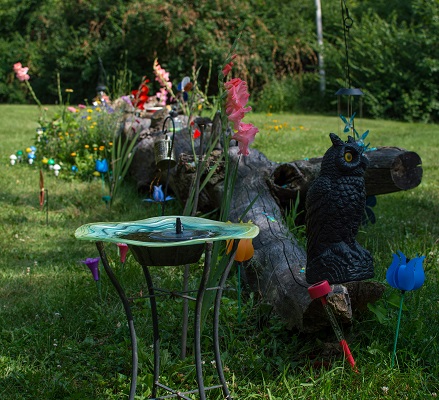

Introduction to Garden Décor
Garden décor encompasses a wide range of elements designed to elevate the aesthetic and functional appeal of outdoor spaces. This concept extends far beyond mere beautification; it serves to create environments that reflect personal style, enhance usability, and promote a harmonious relationship between nature and habitation. Thoughtful garden decoration can transform a simple backyard into an inviting oasis, allowing homeowners to express their individuality while enjoying the outdoors.
The importance of garden décor can be attributed to its ability to influence the overall atmosphere of an outdoor space. Carefully curated decorations—such as sculptures, benches, planters, and lighting—can significantly enhance the visual impact of a garden. These decorative elements not only serve as focal points but also contribute to the overall cohesion and flow of the garden design. When combined harmoniously, they create a narrative that guides visitors through the space, evoking feelings of tranquility and inspiration. Moreover, garden décor can cultivate functionality within the outdoor environment. For instance, strategically placed seating areas or outdoor dining furniture can promote social interactions, thereby enhancing the usability of the backyard. Similarly, elements like pathways and raised plant beds can improve accessibility, making it easier to navigate and maintain the garden. By integrating both aesthetic and practical features, garden décor effectively transforms not just the look, but also the experience of the outdoor space.
Ultimately, the role of garden décor is to provide a canvas for self-expression and creativity. Homeowners have the opportunity to select colors, textures, and styles that resonate with their personal preferences, allowing their unique personality to shine through in the garden. From selecting the right plants to choosing decorative items that harmonize with the surrounding environment, the possibilities for personal expression in outdoor design are limitless.
Creating a Cozy Seating Area
Transforming your backyard into a tranquil oasis often begins with the establishment of a cozy seating area. This dedicated space offers a perfect retreat for relaxation or social gatherings. A well-designed seating area can be achieved through various options, such as outdoor sofas, benches, and hammocks.
Outdoor sofas serve as a quintessential choice for comfort and style. Crafted from weather-resistant materials, these pieces can withstand the elements while providing a plush seating experience. Many outdoor sofas come with modular designs, allowing you to customize the arrangement to suit your exact needs and preferences. Consider using sectional sofas, which can define your space and accommodate larger groups of people.
Benches, on the other hand, can add a rustic charm to your garden decor. They can be placed against a garden wall or under a tree, offering a serene spot to unwind. Opting for benches with built-in storage can also maximize space, allowing you to keep cushions and throws conveniently tucked away yet easily accessible.
For a more relaxed aesthetic, incorporating hammocks can significantly enhance the coziness of your seating area. These suspended beds invite you to indulge in leisure, perfect for those lazy afternoon naps or evenings spent gazing at the stars. Selecting a sturdy hammock stand or securing it between two trees can create a perfect nook within your garden.
To further enhance the comfort of your seating area, the addition of cushions and throws is essential. Soft cushions not only provide additional support but also allow for personal expression through colors and patterns. Similarly, cozy throws can be draped over furniture, offering warmth during cooler evenings and lending an inviting touch to your overall garden decor. By combining these elements, you can create a beautiful and comfortable seating area that beckons beloved family and friends to enjoy the outdoors.
Incorporating Lighting Elements
Lighting plays a pivotal role in enhancing the ambiance of any garden space, transforming it from a simple outdoor area into a captivating retreat as dusk falls. Thoughtfully chosen lighting elements not only illuminate pathways and focal points but also create a warm and inviting atmosphere that extends the usability of the garden into the evening hours.
One popular option is string lights, which can easily be draped across patios, pergolas, or even trees to create a whimsical, fairy-tale effect. These lights often come in warm white or multi-colored options, allowing homeowners to set the desired mood appropriate for gatherings or intimate evenings. Additionally, they are versatile and can be used in various configurations, offering a personalized touch.
Lanterns, another exquisite lighting solution, introduce a rustic charm to garden decor. Solar-powered lanterns, in particular, are energy-efficient and versatile, as they can be placed on tables, hung from hooks, or scattered along pathways. These lanterns gather sunlight throughout the day and emit a soft, gentle light at night, enhancing the tranquility of the outdoor space.
Solar-powered garden lights are further excellent options that offer convenience and sustainability. Available in various styles—from stake lights dotting the borders of garden beds to decorative wall-mounted fixtures—these lights harness solar energy and require no wiring, making them an attractive choice for budget-conscious decorators. They automatically turn on at sunset, ensuring your garden remains illuminated without the need for manual intervention.
In conclusion, the incorporation of lighting elements such as string lights, lanterns, and solar-powered fixtures can significantly augment the ambiance of any garden setting. By strategically placing these lights, homeowners can create dynamic and enchanting outdoor spaces that invite social interactions and relaxation after sundown.
Adding Water Features
Water features are an excellent addition to any garden, offering both visual appeal and a calming atmosphere. The soothing sound of water can transform a backyard into a tranquil retreat, enhancing the overall gardening experience. There are various options available for those looking to introduce water elements into their outdoor space.
Ponds are a significant type of water feature that can create a stunning focal point in a garden. Not only do they provide a serene habitat for fish and aquatic plants, but they also attract wildlife, such as frogs, birds, and beneficial insects. A garden pond can be designed to fit any size garden, from small, stylish designs to larger installations that support diverse aquatic life.
Fountains are another popular choice, known for their ability to create a visually dynamic element while offering the soft sounds of flowing water. They come in various forms, from wall-mounted styles to freestanding sculptures, and can be customized to match your garden’s aesthetic. Fountains not only serve as attractive features but also contribute to a healthy garden environment by providing moisture in the air, which can be especially beneficial in drier conditions.
Birdbaths are a simpler yet effective way to introduce water to your garden. They encourage birds to visit, offering a delightful sight and aiding in pest management as birds feed on insects. Available in numerous designs, birdbaths can incorporate unique artistic elements that enhance your garden’s character while benefiting local wildlife.
Incorporating any of these water features into your garden promotes a serene atmosphere and supports local ecosystems. Whether you opt for a pond, a fountain, or a birdbath, the gentle presence of water will undoubtedly enhance the beauty and tranquility of your backyard, making it a perfect oasis for relaxation.
Utilizing Planters and Pots
When it comes to enhancing the aesthetic and functionality of your garden, utilizing planters and pots is an excellent choice. These versatile elements not only provide a way to display plants but also serve as focal points that can elevate your outdoor space. A wide variety of styles and materials are available, allowing gardeners to choose options that harmonize with the overall design of their backyard.
Planters come in materials such as terracotta, ceramic, wood, and metal, each lending a different character to the garden. For instance, rustic wooden planters can emphasize a country-style theme, while sleek metal or glossy ceramic pots may suit a modern aesthetic. Furthermore, the variety of colors, sizes, and shapes means there is a planter to fit virtually every plant type and garden design.
Creative arrangement of flowering plants and herbs in these pots can create an engaging visual impact. For example, using varying heights of planters can add depth to your garden layout. Taller planters can be strategically placed at the back of flower beds, while smaller pots can line walkways or be strewn along patio edges. Grouping differing styles of planters together can also create a curated and lively atmosphere.
Mixing herbs in decorative pots is not only a practical decision for culinary enthusiasts but also adds a fresh and fragrant element to your garden décor. Herbs such as basil, rosemary, and thyme can thrive in smaller planters, making them easy to access while cooking. Additionally, arranging planters in creative patterns or using them to create pathways can guide visitors through the garden, enhancing both utility and beauty.
Ultimately, incorporating planters and pots into your garden décor strategy allows for significant customization. From choosing the right materials to arranging plants thoughtfully, there are endless possibilities to explore, ensuring that your outdoor sanctuary reflects your unique style and personality.
Personalizing with Art and Sculptures
Art and sculptures serve as significant additions to any garden, providing depth, character, and personality to your backyard. Incorporating artistic expressions in your outdoor space not only enhances visual appeal but also allows for personal storytelling, reflecting your tastes and preferences. The beauty of garden art lies in its versatility; from elegant sculptures to vibrant murals, the options are limitless.
When considering materials, you’ll find a diverse range available that can cater to different aesthetics. Metal sculptures offer a contemporary edge, while wooden carvings can convey a rustic charm. Stone statues evoke a sense of permanence and tradition, making them suitable for garden centers or classical themes. Ceramics and glass can add bursts of color and creativity to specific sections of a garden, particularly during the blooming seasons.
Integrating local artists’ works can infuse unique touches into your garden. Support your community by showcasing pieces that resonate with local culture or landscapes. Hosting a small art exhibit in your backyard can encourage connections with both the artists and your neighbors, fostering a sense of belonging. Alternatively, DIY projects can prove to be rewarding and cost-effective. From handcrafted birdhouses to painted rocks, involving family and friends can foster creativity while personalizing your space.
Places to display your selected art pieces are equally important. Garden nooks or corners are perfect for larger sculptures, drawing the eye as focal points. Consider using pedestals or stands to elevate smaller items, ensuring they capture attention. Flower beds or pathways can be adorned with whimsical art, creating delightful surprises for visitors. Ultimately, the aim is to blend your garden’s natural beauty with curated art elements that express your vision, offering an enchanting experience for those who enter.
Designing Pathways and Borders
Creating pathways and borders in your garden is essential for establishing a sense of structure and flow, which can greatly enhance the overall aesthetic appeal of your backyard. A well-designed pathway leads visitors through the garden, offering both practicality and beauty. Pathways can be made from various materials, allowing homeowners to choose an option that complements their landscape style.
Stone is a popular choice for garden pathways due to its durability and natural appearance. Flagstone, slate, or cobblestones can create a rustic yet elegant look, perfect for traditional or cottage gardens. Alternatively, gravel pathways provide a more relaxed, informal vibe while facilitating proper drainage. They can easily be contoured into various shapes, adding interest to the layout of your garden.
Wood is another versatile option that adds warmth to outdoor spaces. Wooden decking or timber planks can be utilized to establish pathways, but it is important to select rot-resistant varieties or treat the wood to ensure longevity despite exposure to the elements. Choosing the right material depends on the desired ambiance and the existing landscape characteristics.
In addition to pathways, borders play a critical role in creating visual barriers and guiding the eye throughout the garden. Incorporating flowers or shrubs into borders can create attractive natural scenery. Tall perennial plants, such as delphiniums or hollyhocks, work well in the back of a border to provide height, while shorter plants like marigolds or sedums can fill in the front. Furthermore, using diverse plant colors and textures can frame pathways beautifully, enhancing the experience and guiding visitors’ movements through the space.
Creating Vertical Gardens
Vertical gardens have emerged as a popular solution for optimizing limited space while adding a touch of greenery to urban environments. These innovative garden designs leverage vertical space, allowing plant enthusiasts to create lush garden landscapes even in small backyards or on balconies. By incorporating a vertical garden into your outdoor decor, you can maximize your planting areas and enhance your overall backyard aesthetics.
One of the primary benefits of vertical gardens is their ability to improve air quality and reduce noise pollution in densely populated areas. The plants used in vertical gardens can act as natural air filters, absorbing pollutants and providing oxygen. Furthermore, vertical gardens can also help insulate buildings, thereby improving energy efficiency and reducing heating costs.
When designing a vertical garden, there are various techniques and structures to consider. Wall-mounted planters are an excellent option for those with limited space. These planters can be attached to exterior walls, allowing for creative arrangements of herbs, flowers, or succulents. For those looking for more substantial structures, trellises can provide an appealing vertical framework for climbing plants, such as peas, beans, or flowering vines. This not only creates an attractive focal point but also contributes to a more vibrant and dynamic garden atmosphere.
Additionally, hanging plants can introduce elegance and dimension to your vertical garden. Using decorative hooks and pots, you can suspend a variety of plants from ceilings, beams, or pergolas. When selecting plants for a vertical garden, consider choosing those that are well-suited for vertical growth and have varying heights, colors, and textures to create an eye-catching display.
In conclusion, creating a vertical garden offers numerous advantages, particularly for those with space constraints. By employing different designs and techniques, you can effectively transform your backyard into a thriving green oasis, while also reaping the environmental benefits associated with plant life.
Incorporating Outdoor Decor Accessories
Outdoor décor accessories play a crucial role in enhancing the aesthetic appeal of a garden or backyard area. These accessories vary widely, allowing homeowners to express their unique style and preferences. Some popular options include garden stakes, wind chimes, and decorative birdhouses, each bringing its charm and character to outdoor spaces.
Garden stakes add an element of vertical interest while serving as markers for plant species or simply as artistic expressions. These can range from whimsical shapes to elegant sculptures, effectively transforming an ordinary garden into a visually captivating one. Such accent pieces not only provide guidance but also uplift the overall design, creating a cohesive look.
Wind chimes are another excellent accessory that adds auditory beauty to your garden. Their gentle sounds can evoke a sense of peace and tranquility, helping to create a relaxing atmosphere. The design of wind chimes can vary dramatically, from classic bamboo arrangements to vibrant, colorful metal constructions, allowing homeowners to select pieces that resonate with their individual tastes.
Moreover, decorative birdhouses not only serve a functional purpose by attracting local wildlife but also act as charming focal points. Available in numerous styles, sizes, and colors, birdhouses can complement the surrounding flora while providing a home for garden visitors. By selecting birdhouses that align with the overall theme of the garden, one can seamlessly tie all elements together.
In conclusion, the thoughtful incorporation of outdoor décor accessories like garden stakes, wind chimes, and decorative birdhouses can significantly enhance the charm of any outdoor space. These elements not only contribute to the visual cohesiveness of the garden but also reflect the homeowner’s personal style and aesthetic preferences, making the backyard a true extension of the home.

