

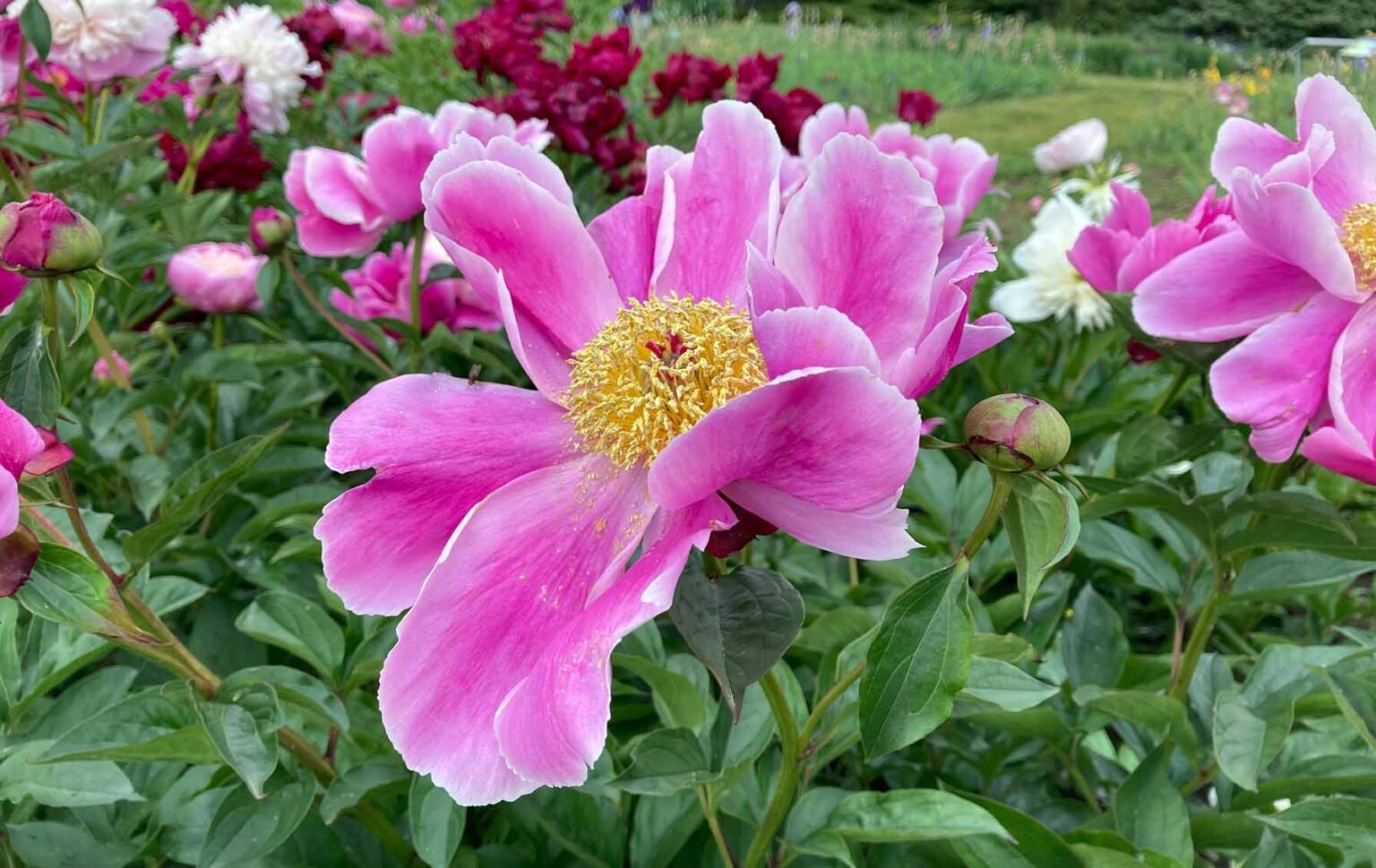

Introduction to Peonies and Their Care
Peonies are perennial flowering plants that are treasured by gardeners for their magnificent blooms and enchanting fragrance. Known for their large, lush flowers, peonies come in a range of colors, including shades of pink, white, red, and yellow, making them a popular choice for both ornamental gardens and floral arrangements. Their robust nature and the ability to thrive in different climates have contributed to their significance in gardening. In many cultures, peonies symbolize prosperity, romance, and good fortune, further enhancing their appeal to enthusiasts.
Proper care is essential for ensuring that peonies continue to produce vibrant blooms season after season. Poor maintenance can lead to diminished flowering and overall plant health. Factors such as weather conditions, soil quality, and proper watering must be taken into account to cultivate healthy peony plants. Peonies prefer well-drained soil enriched with organic matter and thrive in full sunlight. Ensuring they receive adequate moisture—without becoming waterlogged—is also crucial, as this can impact their growth and blooming potential.
Among the various peony varieties, some of the most notable include the herbaceous peony, which dies back each winter and regrows in the spring, and the tree peony, which retains its woody structure year-round. Intersectional peonies, a hybrid between herbaceous and tree peonies, are also gaining popularity due to their hardy nature and diverse flower forms. Understanding the specific care requirements for these different varieties can greatly enhance their growth and blooming success. Consequently, providing the right environmental conditions and maintenance approach is vital for any gardener wishing to enjoy the beauty and longevity of peonies in their garden.
The Life Cycle of Peonies
The life cycle of peonies is a fascinating journey marked by distinct growth stages that occur throughout the year. These perennial plants are celebrated for their stunning flowers and vibrant foliage, which evolve from initial spring emergence to a state of winter dormancy. Understanding these stages is crucial for optimal care, particularly regarding when to cut back your peonies.
As spring arrives, peonies begin to emerge from the ground, often starting with small, green shoots that gradually grow taller and more robust. This phase is critical as peonies are establishing themselves for the growing season. During this time, it is essential to ensure they receive adequate water and sunlight to promote healthy growth. Fertilization can also play a key role in supporting this early phase.
As the weather warms, peonies enter a period of rapid growth. Buds form, and by mid to late spring, they burst open into beautiful flowers. This stage typically lasts several weeks, during which the blooms attract pollinators and provide a spectacular display. Proper care during this stage is vital; gardeners should monitor for pests and diseases that could hinder the plant’s growth and flowering potential.
After the flowering phase, peonies transition into a period of leaf growth and nutrient absorption. The foliage remains lush and green during the summer, which is critical for photosynthesis and the overall health of the plant. As autumn arrives, the leaves begin to fade and turn yellow, signaling the end of the blooming season. Finally, peonies enter dormancy during winter, where they draw energy from their established roots, temporarily halting growth until the next cycle begins.
Each stage of the peony life cycle influences when and how to cut them back. Careful timing ensures that these plants are healthy and ready for vibrant blooms in the coming seasons.
Signs That It’s Time to Cut Back Peonies
Identifying the right time to cut back peonies is crucial for maintaining the health and vigor of the plants. There are several visual signs that suggest it may be time to initiate this important process. One of the primary indicators is the presence of yellowing foliage. As the growing season progresses, older leaves may begin to turn yellow and wilt, indicating that the plant is preparing for dormancy. This is often seen late in the summer or early fall, particularly in areas with distinctive seasonal changes.
Another significant sign is the wilting of flowers after they have bloomed. Once peonies have finished flowering, the spent blooms can contribute to the overall decline of the plant’s appearance. Cutting back the spent flowers and their stems not only enhances the aesthetic of the garden but also allows the plant to focus its energy on strengthening its roots for the next growth cycle.
In addition to observing foliage and flowers, timing can vary by region. For instance, in northern climates, cutting back peonies in late fall is common, while in warmer regions, late spring might be more appropriate. Observing local climate patterns and the specific behavior of your peonies can provide additional insights into the best cutting back times. Generally, it is advisable to wait until the first frost, as it will trigger the natural die-back process of the foliage.
Monitoring these visual cues will help gardeners understand when to cut back peonies effectively. Taking note of the plant’s condition throughout its growth cycle ensures a healthier plant and more robust blooms in the subsequent seasons. By cutting back peonies at the right time, gardeners can promote optimal health and longevity for their beloved flowers.
Best Time of Year to Prune Peonies
When it comes to pruning peonies, determining the best time of year is essential for promoting healthy blooms. Generally, two optimal periods are recognized for cutting back peonies: early spring and late fall. Each of these times offers distinct advantages based on the plant’s growth cycle.
In early spring, before the buds begin to break, is often regarded as the most favorable time to prune peonies. This timing allows gardeners to remove any dead or damaged stems while encouraging fresh growth as the plant emerges from dormancy. Pruning in spring also provides an opportunity to evaluate the overall health of the plant and to thin out any overcrowded shoots, promoting better air circulation and reducing the risk of disease.
On the other hand, late fall pruning can also be beneficial, particularly in regions with milder winters. Cutting back peonies in the fall allows for the removal of spent foliage, which can harbor pests and diseases. This approach reduces the clutter around the base of the plant and prepares it for the winter months. However, it is generally advisable to leave some foliage until after the first frost, as this can provide essential insulation against harsh winter conditions.
Factors such as climate, individual plant health, and specific growing conditions may influence the ideal timing for each gardener. For instance, those in warmer climates may find that early spring is more effective, while colder regions might lean towards fall pruning to protect the plant from winter damage. Ultimately, assessing one’s local climate conditions and the specifics of the peony plants will guide gardeners in determining the best time to prune for optimal health and robust blooming.
The Pruning Process Explained
Pruning peonies is a critical practice that encourages healthy blooms while maintaining the vitality of the plants. The process requires the right tools and techniques to ensure optimal results and to prevent damage to the peonies. The first step is to gather the necessary tools, which typically include sharp pruning shears, gloves, and, optionally, a garden kneeler to protect your knees while working. Ensuring that your pruning shears are clean and sharp is essential to make clean cuts, which helps minimize the risk of disease.
When it comes to the timing of pruning, it is recommended to wait until late fall after the foliage has died back due to frost. During this period, you can remove dead stems, which not only improves the aesthetic appearance of your garden but also reduces the likelihood of pests and diseases overwintering in the old foliage. Make your cuts about 1 to 2 inches above the ground level, taking care to avoid cutting into healthy buds, as these are crucial for next year’s growth.
As you prune, it’s important to practice safety techniques to avoid damaging other parts of the plant. Always cut at an angle, which facilitates water runoff and decreases the chance of rot. Additionally, aim to prune diseased or damaged stems first, as this helps in maintaining overall plant health. Common mistakes include cutting too early in the season or leaving too much of the stem, which can lead to overcrowding and limit air circulation. Therefore, being attentive to these details can elevate your peony cultivation process. Proper pruning not only enhances the beauty of your peonies but also promotes vigorous health and prolific blooming in the following season.
Caring for Peonies Post-Cutback
After the cutback of peonies, providing the right care is essential for promoting healthy growth and ensuring vibrant blooms in the upcoming season. The first step in the post-pruning care routine involves adequate watering. It is important to maintain consistent moisture in the soil, especially during the early growth stages in spring. Peonies generally prefer well-drained soil, so be careful to avoid waterlogging, which can cause root rot.
Mulching is another effective strategy in caring for peonies after cutback. Applying a layer of organic mulch, such as shredded bark or wood chips, can help retain soil moisture, suppress weeds, and provide nutrients as it breaks down over time. It is advisable to keep the mulch around two to three inches thick, ensuring that it does not touch the stems of the plants, to prevent rot. This practice not only enhances the overall aesthetics of the garden but also protects the root system during temperature fluctuations.
Fertilization also plays a significant role in nurturing peonies after cutback. A balanced, slow-release fertilizer can be applied in early spring, just before new growth begins. This will provide the necessary nutrients that support robust growth. It is recommended to follow the manufacturer’s guidelines regarding dosage and frequency to avert any risks of over-fertilization, which may harm the plants rather than benefit them.
Additionally, monitoring the peony plants for signs of stress, such as wilting, yellowing leaves, or stunted growth, is crucial during the growth phase. Should any issues arise, promptly addressing them will contribute to the overall health of the plants. This post-cutback care regimen effectively sets the foundation for more abundant blooms and healthier peonies as the growing season progresses.
Common Pests and Diseases Affecting Peonies
Peonies, renowned for their vibrant blooms and delightful fragrance, can often fall victim to various pests and diseases, particularly after pruning. Understanding these threats is crucial to maintaining the health of your plants. One of the primary pests that affect peonies is the botrytis blight, a fungal disease that thrives in damp, humid conditions. Signs include gray, fuzzy spores appearing on leaves and flower buds, along with wilting. To mitigate this, ensure proper air circulation around your peonies and remove any infected plant material promptly.
Another common issue is aphids, small, sap-sucking insects that can weaken plants and promote the spread of diseases. They can often be spotted clustering on the undersides of leaves, leaving a sticky residue known as honeydew. Introducing beneficial insects like ladybugs or using insecticidal soap can effectively control aphid populations without harming your peonies.
In addition to pests, peonies can also be affected by powdery mildew, especially during warmer, dry weather. This disease manifests as a white powdery coating on the foliage. To prevent powdery mildew, ensure your peonies are not overcrowded and promote good airflow. Infected leaves should be removed and disposed of to prevent further spread. Lastly, root rot can occur due to overwatering or poorly drained soil, leading to yellowing foliage and wilting. To combat this, ensure your peonies are planted in well-draining soil and avoid excessive watering.
By being vigilant and addressing these pests and diseases early, you can significantly enhance the health of your peonies, leading to robust blooms in the growing season.
Expert Tips for Thriving Peonies
To cultivate peonies that produce magnificent, vibrant blooms, experienced gardeners recommend several key practices. Firstly, attention should be given to the planting site; peonies thrive in well-drained soil with a pH level between 6.0 and 6.8. The right location is essential, as peonies flourish best in full sun. Ideally, they receive at least six hours of sunlight daily to encourage robust growth and blooming.
Another fundamental aspect of maintaining thriving peonies is understanding their watering needs. While peonies prefer moist soil, overwatering can lead to root rot and various diseases. It is advisable to water deeply but infrequently, allowing the soil to dry out between watering sessions. This method can help in developing a strong root system that supports the plant during dry periods.
Companion planting plays a crucial role in enhancing peony health and bloom quality. Specific plants, such as delphiniums, daisies, and phlox, make excellent neighbors for peonies. These companions can help deter pests that might otherwise harm peony plants. Additionally, planting peonies alongside perennials that have a similar growth habit can create a visually appealing garden while also providing a mutual support system among the plants.
Fertilization is vital for peony health as well. Applying a balanced, slow-release fertilizer in early spring can give the plants a nutrient boost. However, it is important not to over-fertilize, as this can promote excessive foliage at the expense of flower production. Using organic matter such as compost can also provide essential nutrients without the risks associated with synthetic fertilizers.
Overall, ensuring optimal growing conditions, practicing responsible watering, engaging in companion planting, and proper fertilization are all expert-approved methods that support healthy peonies and their stunning blooms.
Conclusion and Final Thoughts
Throughout this blog post, we have explored essential guidelines for pruning peonies to promote their health and vitality. Peonies, celebrated for their lush blooms and rich fragrances, require specific care to flourish in your gardens. One of the paramount practices highlighted is the timing of cutbacks. Properly pruning peonies during the fall or early spring allows for robust growth and enhanced flowering in the coming season. Understanding when to execute these cuts is critical, as this minimizes the risk of disease and ensures the plant’s energy is directed towards the development of blooms.
Furthermore, it is important to observe your garden’s unique conditions. Variances in climate, soil, and plant health can influence the appropriate pruning technique and schedule. For instance, regions with harsher winters may necessitate earlier cutbacks to protect the peonies from freeze damage. Alternatively, warmer locales may permit a more lenient pruning timeline. Consequently, adapting care strategies to your environment is fundamental for supporting healthy peonies.
As a final note, remember that garden care is often an ongoing learning process. Engaging with your plants regularly and monitoring their responses will enhance your ability to maintain beautiful peonies. By meticulously observing their growth patterns, you can fine-tune your care regimen, ensuring they remain vibrant and productive. Embrace the journey of cultivating these magnificent flowers, and your efforts will be rewarded with stunning displays of color and life.

