

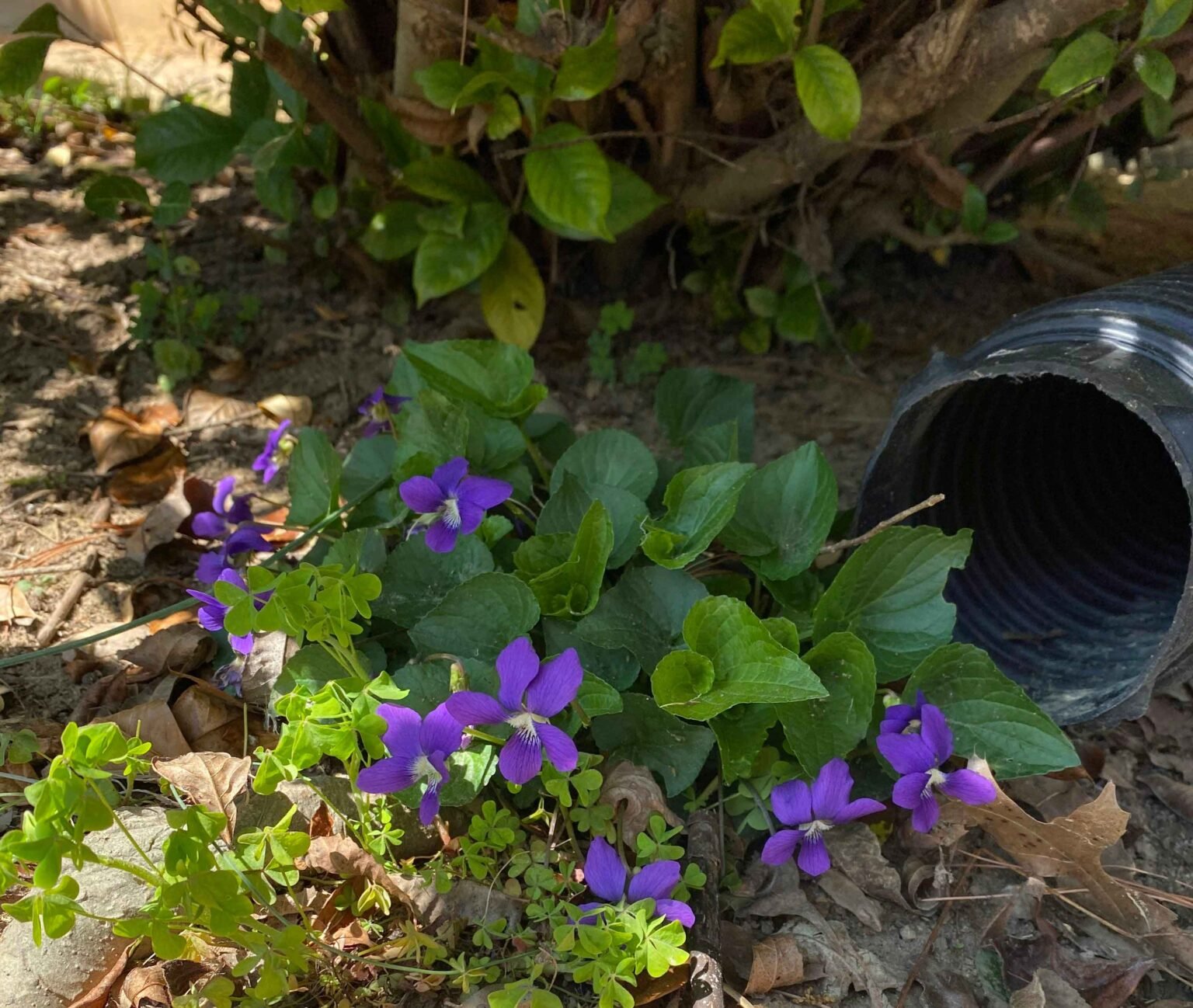

Introduction to Purple Flowering Weeds
Weeds with purple flowers are a common sight in various regions, often surprising gardeners and landscapers alike with their vibrant hues. These flowering weeds typically flourish in diverse environments ranging from urban suburbs to rural farmlands, thanks to their adaptable nature and ease of growth. While there are numerous species of these plants, certain varieties have gained notoriety for their striking purple blooms, which can add both aesthetic appeal and controversy in terms of cultivation.
The popularity of weeds with purple flowers in lawns and gardens can be attributed to several factors. Firstly, many of these weeds are perennials, meaning they can come back year after year without the need for replanting. This quality can provide a burst of color for extended periods, making them visually attractive to homeowners and horticulturists. Additionally, some gardeners intentionally cultivate these weeds for their nectar-rich flowers, which are vital for pollinators such as bees and butterflies. For instance, purple dead-nettle and henbit are well-regarded not just for their vibrant flowers but also for their role in supporting local ecosystems.
Despite their numerous benefits, weeds with purple flowers can also pose threats to desired plants in gardens and lawns. They often compete aggressively for resources such as sunlight, water, and nutrients, which can hinder the growth of more valued flora. Consequently, while these colorful weeds may enhance the visual landscape, their management is crucial, especially in cultivated spaces. Understanding both their appeal and the challenges they present allows gardeners to make informed decisions regarding the coexistence or removal of weeds with purple flowers.
Common Types of Purple Flowering Weeds
Several prevalent types of weeds with purple flowers contribute to the diversity of gardens and landscapes, often attracting attention with their vibrant hues. Among the most common purple flowering weeds is Creeping Charlie (Glechoma hederacea), also known as ground ivy. This perennial plant features rounded leaves with a distinctive scalloped edge and produces small, tubular purple flowers during the spring. Creeping Charlie thrives in shaded areas with moist, well-drained soil. Its growth habit allows it to spread quickly, often forming dense mats that can outcompete native plants.
Another notable weed with purple flowers is Purple Deadnettle (Lamium purpureum). Recognized for its heart-shaped leaves and distinct purplish flowers that bloom from early spring to late fall, this plant can often be found in disturbed soils and gardens. It tends to grow in clusters and prefers partial shade but can adapt to various light conditions. Purple deadnettle is also an important nectar source for bees and other pollinators, making it beneficial for local ecosystems.
Lastly, Henbit (Lamium amplexicaule), similar in appearance to purple deadnettle, exhibits square stems and smaller purple flowers. Henbit is an annual weed that flourishes in spring and fall, preferring disturbed soils, often found in garden beds and along roadsides. Its early flowering period provides essential nourishment for busy pollinators. Each of these weeds with purple flowers not only adds splashes of color to our environment but also possesses unique growth habits and optimal conditions for thriving, making them significant in both weed management and ecological diversity.
Identifying Purple Flowering Weeds
Recognizing weeds with purple flowers can be an essential skill for gardeners and landowners aiming to manage their landscapes effectively. By understanding the distinct characteristics of these plants, one can easily differentiate them from desirable flowers. Key features to focus on include leaf shape, flower structure, and growth patterns.
Firstly, the leaf shape is a critical identifier. Most weeds with purple flowers have broad or serrated leaves, which may vary in size depending on the weed species. For instance, the leaves of the common purple deadnettle (Lamium purpureum) are heart-shaped and typically display a distinct purple hue on the undersides. Observing the arrangement of the leaves—whether they are opposite or whorled—can also assist in the identification process.
Secondly, the structure of the flowers themselves is vital in distinguishing between different types of weeds. Many purple flowering weeds possess tubular flowers, often occurring in clusters. For example, the flowers of the henbit (Lamium amplexicaule) are tubular and can be found growing along the stem in whorls. This flower structure can help gardeners ascertain whether they are dealing with a weed or an ornamental flower.
Moreover, growth patterns play a crucial role in identification. Weeds often exhibit rapid growth and can reach heights of several feet, overpowering more delicate garden flora. Observing the overall growth habit can reveal whether a plant is a perennial weed with purple flowers, like the purple loosestrife (Lythrum salicaria), or an annual variant. Additionally, noting whether the plant forms dense mats or stands alone can provide further clues regarding its classification.
Identifying weeds requires careful observation and familiarity with the specific features of each type. With practice, one can become adept at spotting weeds with purple flowers, helping maintain the health and aesthetics of their gardens.
Ecological Role of Purple Flowering Weeds
Purple flowering weeds play a significant ecological role in various habitats, contributing to the overall health of ecosystems. One of the primary benefits of these weeds is their ability to attract a diverse range of pollinators, including bees, butterflies, and other insects. By providing essential nectar and pollen, weeds with purple flowers support these vital creatures in their foraging activities, which, in turn, is critical for the pollination of many cultivated and wild plants. This interaction enhances the overall biodiversity of the area, creating a more balanced and resilient ecosystem.
In addition to attracting pollinators, purple flowering weeds contribute to soil health. Their deep-root systems help to aerate the soil and improve water infiltration, which is crucial in areas prone to erosion or compaction. Furthermore, these weeds often have the capability to fix nitrogen or accumulate nutrients in their biomass. When they die back or are managed appropriately, they can enhance soil fertility, providing a natural fertilizer that benefits other plants in the vicinity.
The presence of weeds with purple flowers also promotes plant diversity, an essential component of a healthy ecosystem. By occupying various niches, these weeds can coexist with other species, potentially reducing competition and allowing for a greater variety of plants to thrive. This increase in plant diversity not only enhances habitat quality but also creates opportunities for different animal species, contributing to the overall richness of the ecosystem.
Ultimately, while many view purple flowering weeds as undesirable, their ecological contributions cannot be overlooked. By attracting pollinators, enhancing soil health, and promoting biodiversity, these weeds serve an important purpose in the environment, supporting the complex interactions that characterize healthy ecosystems. Recognizing their value can lead to more informed management practices that benefit both biodiversity and agricultural practices.
Impact of Purple Flowering Weeds on Gardens and Lawns
Purple flowering weeds can significantly affect the health and aesthetic appeal of gardens and lawns. As these weeds compete with cultivated plants for essential resources such as nutrients, water, and space, they can hinder the growth of desired flowers and vegetables. The presence of weeds with purple flowers often leads to overcrowding, limiting both sunlight exposure and soil nutrients available to ornamental and crop plants.
In many cases, the aggressive growth habits of purple flowering weeds can outpace cultivated plants, which may struggle to establish themselves in nutrient-deficient soil. This can result in stunted growth, lower yields, and ultimately, a decline in the overall health of the garden. For example, species like purple deadnettle (Lamium purpureum) and henbit (Lamium amplexicaule) are notorious for their ability to dominate garden spaces, leaving little room for native or cultivated plant species to flourish.
Moreover, the introduction of weeds with purple flowers can attract pests that may cause further harm to desired plants. Some insects that are drawn to these weeds can also infest nearby flowers and crops, exacerbating the challenges garden enthusiasts face. This ripple effect can lead to an increase in the use of herbicides or pesticides, which pose additional risks to the environment.
In conclusion, gardeners must remain vigilant in managing the spread of weeds with purple flowers. Regular maintenance and selective removal of such weeds are necessary practices to preserve the health of gardens and lawns. By taking proactive measures, gardeners can help ensure that their cultivated plants have the opportunity to thrive without undue competition from invasive weed species.
Managing Purple Flowering Weeds
Effectively managing weeds with purple flowers involves a combination of cultural practices, manual removal, and chemical treatments tailored to the environment and specific weed species. Understanding the life cycle of these weeds is crucial for determining the best management method.
Cultural practices serve as the first line of defense against purple flowering weeds. Maintaining healthy soil through proper fertilization and crop rotation can promote the growth of desired plants, making it harder for unwanted weeds to establish. Additionally, planting ground cover or competitive crops can suppress weeds, reducing their ability to thrive. These cultural methods can help minimize the overall weed population while enhancing biodiversity.
Manual removal is an effective strategy, particularly for small infestations of weeds with purple flowers. Hand-pulling or hoeing can be conducted before the weeds set seed, which is vital for controlling their spread. It is important to remove the entire root system to prevent regrowth. For larger infestations, using tools such as a weeding fork can assist in uprooting stubborn plants.
When manual removal proves insufficient, or in cases of extensive infestation, chemical treatments may be necessary. Choose herbicides that are effective against the specific species of weeds with purple flowers you are targeting, ensuring they are applied according to the manufacturer’s instructions. Timing the application is critical; ideally, herbicides should be used when the purple flowering weeds are actively growing yet before they reach maturity. This strategic approach will enhance the effectiveness of chemical treatments.
In conclusion, an integrated approach combining cultural practices, manual removal, and judicious use of chemical treatments can lead to successful management of weeds with purple flowers, ultimately supporting a healthier garden and landscape.
Maintaining a healthy garden or lawn is essential for minimizing the growth of unwanted plants, including weeds with purple flowers. Proper practices can significantly reduce their presence and help promote the flourishing of desirable plants. One of the first steps in preventing these weeds is ensuring optimal soil health. Healthy soil is rich in organic matter and beneficial microorganisms, which can enhance plant growth and reduce the chances of weed establishment. Regularly testing soil for pH and nutrient levels can guide homeowners in making necessary amendments to promote a thriving garden environment.
Additionally, proper lawn care plays a crucial role in preventing weeds. Grass that is well-maintained and thick can crowd out many types of weeds, including those with purple flowers, by limiting their access to sunlight and nutrients. This involves regular mowing, watering, and fertilization. When mowing, it is advisable to maintain a height of at least 3 inches, which allows grass to develop deeper roots that can outcompete many weeds. Furthermore, watering early in the day helps prevent fungal diseases and allows grass to absorb moisture before the heat of the sun can evaporate it.
Mindful planting is another preventive measure that can be taken to minimize the presence of weeds with purple flowers. Selecting native plants that are adapted to the local environment can significantly reduce weed competitions. These plants often require less maintenance and are more resilient against pest invasions. Moreover, using mulch can act as a barrier to weed growth while keeping the soil moist and healthy. Regularly removing any emerging weeds before they flower will also help in managing their spread. By implementing these strategies, gardeners and homeowners can create a less hospitable environment for flowering weeds and ensure a more vibrant garden.
Benefits of Keeping Some Weeds
While many gardeners tend to view weeds, especially those with purple flowers, as undesirable intruders, it is essential to recognize the potential benefits that these plants can offer. Weeds are often resilient and can thrive in challenging conditions, providing various ecological advantages that contribute positively to a garden’s ecosystem.
One of the primary benefits of allowing certain weeds with purple flowers to remain in the garden is their aesthetic appeal. These vibrant blooms can introduce color and diversity to garden spaces, enhancing the overall visual impact. For instance, weeds such as purple deadnettle and henbit not only provide a striking contrast against green foliage but also attract beneficial pollinators like bees and butterflies. This interaction helps ensure pollination for both weeds and cultivated flowers, promoting a healthy and productive garden environment.
Furthermore, many weeds possess deep root systems that are effective in soil aeration and nutrient cycling. The presence of these plants can prevent soil erosion and improve soil structure, allowing for increased water retention and drainage. By breaking up compacted soil, weeds can foster a more hospitable environment for other plants, including desired flowers. Additionally, many weeds with purple flowers can act as cover crops, suppressing the growth of more invasive plant species that could otherwise damage garden aesthetics or compete for resources.
Moreover, certain purple flowering weeds contribute to the overall biodiversity of the area. They can provide habitat and food sources for various wildlife, supporting a balanced ecosystem. Through careful management, gardeners can cultivate a space that embraces both cultivated flora and native weeds, creating a vibrant tapestry of life in their gardens.
Conclusion and Final Thoughts
In conclusion, understanding weeds with purple flowers is crucial for gardeners and landscape enthusiasts alike. While these plants are often viewed purely as nuisances, it’s essential to recognize that many of them can provide significant ecological benefits. Weeds with purple flowers often attract pollinators, enhancing biodiversity within your garden and surrounding areas. For instance, species like creeping charlie and henbit not only bloom beautifully but also support local wildlife.
However, the dual nature of these weeds means they can quickly take over cultivated areas, competing with intended flowers and plants for resources. Therefore, managing their presence is vital to maintaining a healthy landscape. Identifying weeds with purple blooms in your garden allows you to make informed decisions about whether to eliminate, manage, or even incorporate them into your landscape design. This assessment can promote a more harmonious ecosystem while also preserving the aesthetic appeal of your flower beds and borders.
As a gardener, evaluating your landscape and understanding the role of purple flowering weeds is a proactive step towards responsible gardening. During your next garden walk, take a moment to appreciate the diversity of flora, including those vibrant weeds. For better management strategies, consider implementing practices such as selective removal, mulching, or the introduction of native plants that compete effectively with these weeds.
Ultimately, the presence of weeds with purple flowers in your garden should not induce frustration but rather inspire thoughtful examination of your gardening practices. Each landscape is unique, and recognizing the balance between beauty and disruption will enhance both your garden and the environment as a whole.

