

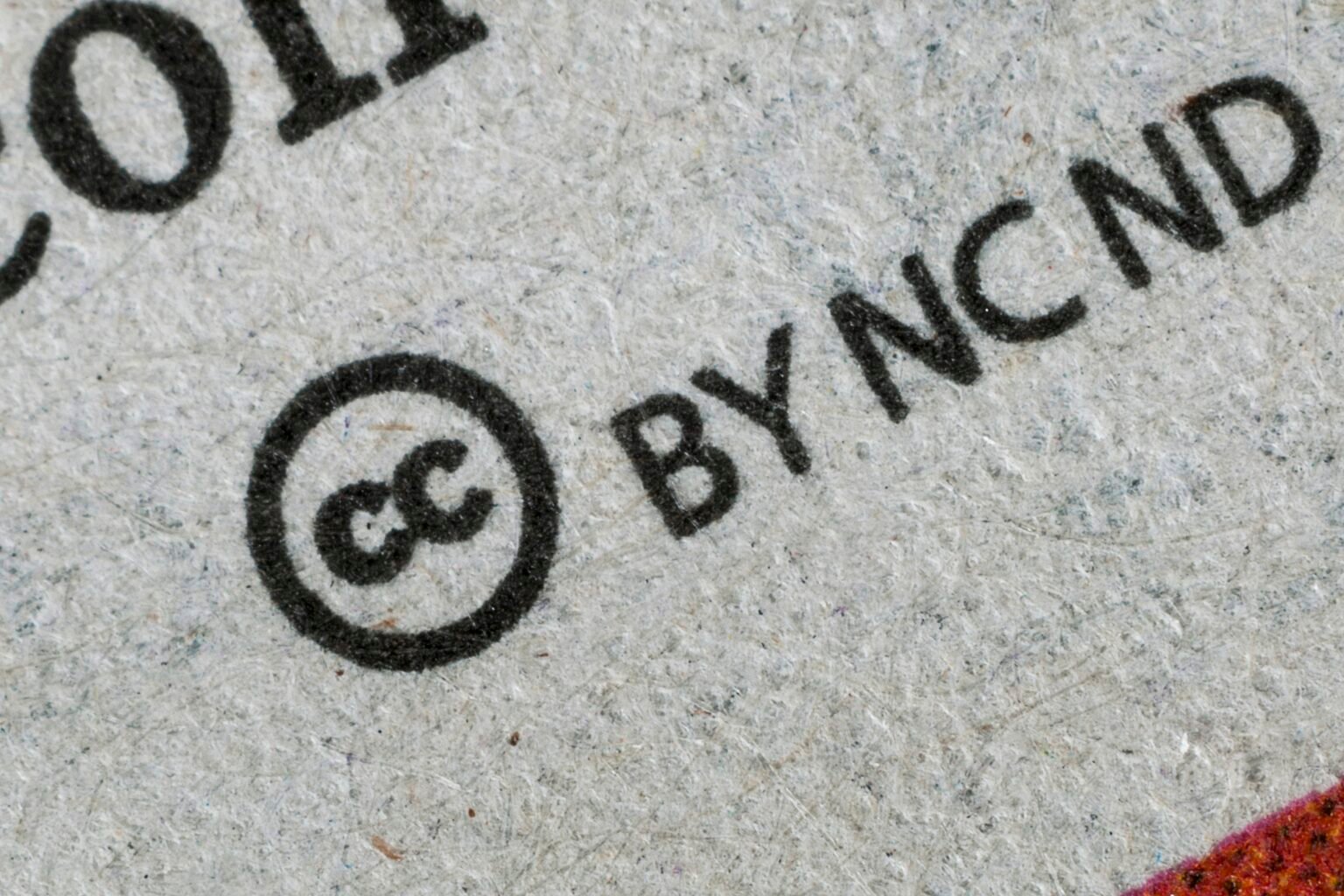

Introduction to Intellectual Property Rights
Intellectual Property Rights (IPR) serve as a crucial framework in protecting the innovations, creations, and unique expressions of individuals and organizations. IPR encompasses various legal rights that grant creators the ability to control the use of their intellectual properties, ensuring they receive recognition and financial benefits from their work. This concept is not only fundamental in safeguarding the interests of inventors and artists but also vital in driving economic growth and encouraging creativity across multiple industries.
The significance of IPR extends beyond the realm of individual ownership; it plays a pivotal role in fostering an environment where creativity can thrive. By providing legal protection against unauthorized use of intellectual assets, IPR empowers creators to share their innovations without the fear of exploitation. This protection encourages the investment of time and resources into research and development, thereby spurring technological advancements and cultural enrichment.
Moreover, the purpose of intellectual property rights is to balance the interests of creators with those of the public. While creators benefit from exclusive rights for a specified duration, the eventual expiration of these rights allows the broader society to access and build upon these innovations. This equilibrium is essential in promoting continuous innovation and ensuring that society as a whole reaps the benefits of creative endeavors. In various fields, such as technology, literature, and the arts, the enforcement of IPR significantly contributes to a flourishing economy where ideas can be exchanged freely while respecting the rights of creators.
In conclusion, understanding intellectual property rights is fundamental for anyone involved in creative industries, entrepreneurship, or innovation. The protection of intellectual creations not only nurtures individual talent but also serves as a driving force for economic development and societal progress.
Types of Intellectual Property Rights
Intellectual property rights (IPR) are crucial in protecting creators’ and inventors’ innovations and works. Understanding the various types of intellectual property rights is essential for both individuals and businesses. The primary categories include copyrights, trademarks, patents, and trade secrets, each serving unique functions.
Copyrights protect original works of authorship, such as literature, music, and art. A copyright grants the creator exclusive rights to reproduce, distribute, and display their work, typically lasting for the life of the author plus an additional 70 years. Copyrights are essential for enabling authors and artists to control how their works are used, thus incentivizing creativity.
Trademarks, on the other hand, safeguard symbols, names, and slogans used to identify and distinguish goods or services. A registered trademark enables the owner to enforce their rights against unlawful use by others that may create confusion among consumers. Trademark protection can last indefinitely as long as the mark is in use and properly maintained, fostering brand loyalty and identity.
Patents provide exclusive rights to inventors for their inventions or discoveries for a limited period, typically 20 years from the application filing date. A patent prevents others from making, using, or selling the patented invention without permission, encouraging innovation by granting inventors a temporary monopoly over their creations.
Finally, trade secrets encompass confidential business information that provides a competitive edge. This can include formulas, practices, and processes. Unlike patents, trade secrets do not have a definitive time limit as long as the secret remains confidential. However, once exposed, the information can no longer be protected as a trade secret.
Importance of Intellectual Property Rights
Intellectual Property Rights (IPR) play a crucial role in fostering innovation and driving economic growth. By granting inventors and creators exclusive rights to their creations, IPR encourages individuals and businesses to invest time and resources into developing new ideas, products, and services. This exclusivity not only enhances creativity but also provides a competitive edge in the marketplace. When innovators know that their inventions are protected, they are more likely to take risks and pursue breakthrough advancements.
Furthermore, IPR is essential for nurturing a fertile environment for businesses. Companies that hold intellectual property rights can distinguish their products and services from those of competitors, thereby increasing their market share. This differentiation often translates to brand loyalty, as consumers are more inclined to trust and purchase from brands that demonstrate originality and authenticity. As a result, IPR contributes to the overall reputation of businesses, fostering consumer confidence in the quality and uniqueness of their offerings.
In addition to benefiting businesses, IPR also plays a significant role in cultural development. Artists, writers, and musicians are incentivized to create original works when they know their rights are protected. This legal recognition of their contributions not only promotes a diverse cultural landscape but also ensures that creators receive fair compensation for their efforts. By valuing creative works through IPR, societies can encourage a rich tapestry of artistic expression and innovation, ultimately leading to a more vibrant and dynamic cultural environment.
In conclusion, the importance of intellectual property rights encompasses economic incentives, enhanced consumer trust, and the encouragement of creative expression, thereby supporting not only individual creators and businesses but also the broader society as a whole.
How to Protect Intellectual Property Rights
Protecting intellectual property rights is essential for individuals and businesses to safeguard their creative works, innovations, and brand identities. This can be achieved through a combination of registration processes, legal measures, and best practices that help mitigate risks associated with infringement.
Firstly, it is vital to understand the different types of intellectual property (IP) including copyrights, trademarks, patents, and trade secrets. Each type has its own registration process and protective measures. For instance, copyrights can be registered with the U.S. Copyright Office by submitting an application form along with a copy of the work, which grants the creator exclusive rights to reproduce, distribute, and display their work.
For trademarks, businesses should file for registration with the United States Patent and Trademark Office (USPTO) to protect their brand names, logos, and slogans. This registration not only provides legal protection against unauthorized use but also strengthens brand recognition in the marketplace. Similarly, patents protect inventions and can be obtained through filing with the USPTO, requiring a detailed description of the invention and how it operates.
In addition to these registration processes, engaging legal counsel specializing in intellectual property can significantly bolster protection strategies. Attorneys can assist in conducting prior art searches to ensure that your creation does not infringe on existing IP rights. Moreover, they can help draft relevant legal documents that enforce rights and navigate disputes effectively.
Furthermore, businesses and individuals should implement practices such as using non-disclosure agreements (NDAs) when sharing sensitive information, regularly monitoring the market for potential infringements, and educating employees on the importance of IP protection. By combining these strategies, one can effectively shield valuable intellectual property rights from potential threats and counterfeits.
Common Misconceptions about Intellectual Property
Intellectual property (IP) rights are often surrounded by misconceptions that can mislead creators and business owners. One prevalent myth is the belief that all creations are automatically protected under IP laws. Many people assume that simply coming up with an original idea entitles them to exclusive rights. However, this is not the case. For adequate protection, creators must actively register their IP, whether it be copyrights for artistic works, trademarks for brands, or patents for inventions. Neglecting this crucial step can result in unprotected work vulnerable to infringement.
Another common misconception is that IP rights are irrelevant to small businesses. Some entrepreneurs may believe that since they are not multinational corporations, they do not need to concern themselves with IP laws. In reality, small businesses can be heavily impacted by intellectual property issues. For instance, having a registered trademark can distinguish a small business from its competitors and protect its brand identity. Without such protections, small businesses risk losing their unique offerings and recognition in the marketplace.
Additionally, there is a misunderstanding regarding the scope of protection provided by IP rights. Many individuals assume that once registered, their rights are invulnerable and will always remain effective. This is misleading; IP rights can expire, and they require continual enforcement to be upheld. Failure to protect one’s intellectual property actively may lead to infringement by others, effectively weakening the owner’s control over their creations.
Moreover, there exists a notion that enforcement of IP rights is a straightforward process. Many creators may believe that proving infringement will be easy. However, the complexities involved in litigation can be daunting and resource-intensive. Proper legal counsel and a thorough understanding of IP law are essential for effective enforcement.
International Laws and Treaties on Intellectual Property
In the realm of intellectual property rights (IPR), various international laws and treaties have been established to create a cohesive framework that facilitates global trade and cooperation in IPR protection. One of the most significant agreements is the Agreement on Trade-Related Aspects of Intellectual Property Rights (TRIPS), which was negotiated under the World Trade Organization (WTO) in 1994. This treaty sets minimum standards for intellectual property law that all member countries must adhere to, thereby ensuring a certain level of protection for creators and inventors worldwide.
TRIPS encompasses a wide range of IPR categories, including copyrights, trademarks, geographical indications, and patents. By standardizing these protections, TRIPS facilitates international trade by reducing the risks associated with intellectual property theft and enhancing the confidence of businesses in their ability to operate within global markets. Moreover, it strengthens the enforcement of intellectual property rights by mandating that member countries establish appropriate legal and administrative frameworks.
In addition to TRIPS, various other treaties and agreements contribute to the international landscape of intellectual property law. The Paris Convention for the Protection of Industrial Property, established in 1883, offers foundational protections for trademarks and industrial designs. Similarly, the Berne Convention for the Protection of Literary and Artistic Works, established in 1886, governs copyright laws across member states, ensuring that creators maintain rights over their works irrespective of the national boundaries they cross.
The World Intellectual Property Organization (WIPO) plays a crucial role in administering many of these treaties, offering a platform for dialogue and cooperation among member states. Through participation in international treaties, countries can bring their national laws in line with global standards, fostering a cooperative atmosphere for intellectual property protection that benefits creators, businesses, and consumers alike.
The Role of Technology in Intellectual Property
The advent of technology has significantly transformed the landscape of intellectual property (IP) rights, introducing both challenges and opportunities for creators and innovators. With the rise of the internet and digital media, the ways in which IP is created, distributed, and protected have evolved considerably. This shift necessitates a deeper understanding of how technology intersects with IP law and practice.
Digital platforms have enabled easier sharing and distribution of content, making it simpler for creators to reach broader audiences. However, this convenience comes at a cost; the risk of unauthorized use and infringement has sharply increased. Creative works, once predominantly confined to physical formats, are now frequently accessed online, which can lead to copyright violations and the unauthorized replication of original content. The persistence of this issue poses a significant challenge for IP enforcement, as traditional frameworks struggle to keep pace with the speed and volume of digital dissemination.
On the other hand, technological advancements also provide innovative solutions for IP protection. For instance, blockchain technology offers a promising avenue for creating transparent and immutable records of ownership. By utilizing decentralized ledgers, creators can establish irrefutable proof of their rights, which can serve as a deterrent against unauthorized usage. Additionally, digital watermarking and tracking tools have emerged as effective methods for monitoring the distribution of digital content, allowing holders of IP rights to better enforce their claims.
In conclusion, the role of technology in shaping the realm of intellectual property is undeniable. As we navigate the complexities of the digital age, it is crucial for stakeholders—be they creators, businesses, or legal professionals—to stay informed about these developments. Understanding both the challenges and opportunities that technology presents is essential for effective IP management and protection in an increasingly interconnected world.
Case Studies on Intellectual Property Rights
Intellectual property rights (IPR) play a vital role in protecting the creative outputs of individuals and businesses. Through various landmark cases, the implications of IPR on industry practices and innovation have been vividly illustrated. One notable case is Apple Inc. v. Samsung Electronics Co., which spanned several years and involved multiple lawsuits across various jurisdictions. Apple claimed that Samsung’s smartphones infringed on its patented designs and technologies, leading to a significant financial settlement and increased awareness of design patents in the tech industry. This case emphasized the importance of patent protection in maintaining competitive advantages.
Another pivotal case is Harper & Row, Publishers, Inc. v. Nation Enterprises. In this situation, The Nation magazine published excerpts from President Gerald Ford’s unpublished memoir, leading to a legal dispute over copyright infringement. The Supreme Court ruled that the use of excerpts constituted copyright infringement, establishing important distinctions regarding fair use. This case underscored the boundaries of fair use in IPR and highlighted the protection afforded to original works.
A further example is the Bill Gates vs. the Authors Guild over the digital library initiative. This case raised concerns about copyright protection in the age of digital reproduction. The court’s decision to favor the Authors Guild affirmed that digitizing books without explicit permission from authors is a breach of copyright. These real-world examples reiterate the necessity of understanding and respecting intellectual property rights, as they have practical implications for safeguarding innovation and creativity in various sectors.
As the technological landscape evolves, the case studies of IPR continue to demonstrate its critical role in ensuring that the rights of creators are upheld, thereby encouraging further innovation and creative expression.
Future Trends in Intellectual Property Rights
The landscape of intellectual property rights (IPR) is continuously evolving, largely influenced by advancements in technology and changing societal norms. One of the prominent trends shaping the future of IPR is the impact of artificial intelligence (AI). As AI technologies gain traction in various sectors, their capacity to create – whether through generative design, content generation, or data analysis – raises complex questions about ownership and rights. Current legislation may not adequately address these issues, prompting the need for a re-evaluation of existing IP frameworks to ensure they encompass AI-generated works.
Another significant trend is the rise of new forms of content creation. The proliferation of digital platforms has democratized content production, enabling individuals and communities to create and share works outside traditional commercial frameworks. This shift has called into question the applicability of conventional copyright laws and has sparked discussions on how to extend protections to diverse forms of creations, such as user-generated content and open-source collaborations. Stakeholders are increasingly recognizing the importance of balancing creators’ rights with public access and innovation.
Moreover, the legal landscape surrounding intellectual property rights is undergoing transformation as governments and organizations adapt to global digitalization, cross-border sharing, and the emergence of new technologies. International treaties and agreements are continually being evaluated and reformed to accommodate issues such as digital piracy, online theft, and the complexities of jurisdiction in a globalized world. The future of IPR will likely involve closer cooperation among nations to establish more unified approaches to protect intellectual property in a digital age.

